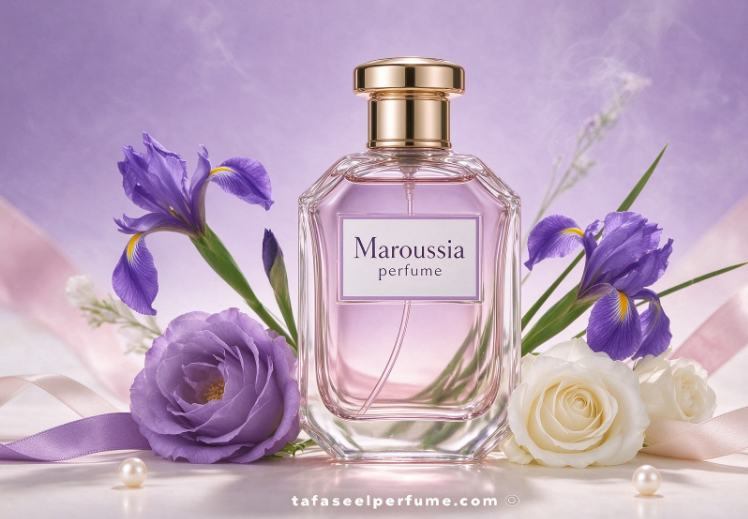
- Maroussia Perfume: The Complete Guide to Slava Zaitsev’s 1992 Oriental Floral Classic: Maroussia by Slava Zaitsev is one of the most distinctive and divisive feminine fragrances to emerge from the early 1990s. Launched in 1992 as the first perfume from the celebrated Russian fashion designer, Maroussia is a bold, powdery, amber-laced oriental floral that carries the weight of vintage glamour and the unmistakable character of a bygone era.
Maroussia by Slava Zaitsev is one of the most distinctive and divisive feminine fragrances to emerge from the early 1990s. Launched in 1992 as the first perfume from the celebrated Russian fashion designer, Maroussia is a bold, powdery, amber-laced oriental floral that carries the weight of vintage glamour and the unmistakable character of a bygone era. This guide breaks down its history, its notes, its performance, and the practical questions a modern buyer needs answered before chasing a bottle.
If you are exploring the broader landscape of vintage-leaning fragrances, the fragrance of perfume guide to notes and families offers useful context. For those drawn to warm, spice-driven compositions, the spicy floral scents guide provides a natural companion read.
1. What Maroussia Is and Why It Still Matters
Maroussia is the debut fragrance from Slava Zaitsev, a designer whose name became synonymous with theatrical presence on Moscow’s cultural stage. Released in 1992 in collaboration with L’Oréal, the scent arrived just as the Soviet Union was dissolving and a newly open market was hungry for luxury goods with a European polish. The name itself is a Russian diminutive—Marusja—a gesture toward the designer’s world of actresses, ballerinas, and the people who commanded Moscow’s stages. Maroussia was not designed to be quiet. It was built to announce itself, to leave an impression, and to carry the drama of a curtain call into everyday wear.
Its place in the fragrance conversation is unusual. It is a drugstore-accessible classic in some markets and a discontinued curiosity in others. It is loved by collectors of 1990s orientals and dismissed by wearers who find its animalic base too assertive. That tension is precisely why it remains relevant: Maroussia is a reference point for what a “bold vintage floral” actually smells like when the aldehydes are still sharp and the civet is still present.
2. The Scent: Notes, Structure, and Dry-Down
Maroussia opens with a sharp, aldehydic sparkle cut through by bergamot, orange blossom, and a soft peach sweetness. The aldehydes are the first thing most wearers notice—a waxy, bright lift that recalls mid-century European perfumery rather than anything modern or clean. Within twenty to thirty minutes, the heart takes over: carnation, ylang-ylang, tuberose, heliotrope, iris, jasmine, rose, orchid, and lily-of-the-valley form a dense, powdery floral core. This is not a transparent bouquet. It is thick, creamy, and slightly soapy in the way that vintage florals often are.
The base is where Maroussia becomes polarizing. Civet, sandalwood, amber, benzoin, vanilla, and musk create a warm, animalic, resinous finish that lingers close to the skin. Some wearers describe the civet as a “medicinal” or “fecal” undertone that never fully disappears; others smell only a creamy, powdery amber warmth with a faint carnation bite. The forgotten 1921 amber heritage discussed in this Emeraude guide is a useful reference point for understanding the old-school amber–civet architecture that Maroussia extends.
If you already enjoy the weight and structure of classic women’s orientals, the women’s perfume collection is the logical next stop for comparison shopping.
3. Performance: Longevity, Sillage, and Climate
Performance reports for Maroussia vary widely, which is typical for a fragrance that has circulated in multiple formulations and concentrations over three decades. Some wearers report a modest four to six hours on skin with arm’s-length projection. Others describe a much more assertive experience: a heavy scent cloud in the first hour, a moderate phase that lasts six to seven hours, and a skin-close trace that can persist well beyond that. Fragranote’s data-led assessment places Maroussia at an 8/10 for longevity, with the strongest performance in cold conditions. Sillage is generally described as moderate to strong, never skin-close in the opening but never quite room-filling for the entire wear.
The climate verdict is consistent across sources: Maroussia belongs in cold weather. In heat and humidity, the aldehydes and civet can turn suffocating or “overwhelming,” and the floral density becomes cloying. For autumn and winter evening wear—especially formal occasions—it behaves as intended: warm, enveloping, and deliberately present.
4. Who It Is For—and Who Should Approach with Caution
Maroussia is not a safe blind buy. It is a love-it-or-hate-it fragrance with a strong vintage profile and a civet note that can read as animalic, dusty, or soapy depending on skin chemistry. Wearers who gravitate toward powdery florals, aldehydic openings, and retro glamour often find it rewarding. Those who prefer fresh, clean, or modern minimal compositions frequently find it dated or heavy. The fragrance community’s language around Maroussia is telling: reviews call it “theatrical,” “opulent,” “vintage chic,” and “a statement” on one side, and “old lady soap” or “too much” on the other.
For readers building a wardrobe around characterful, non-mainstream scents, the guide to attractive women’s perfumes that make people lean in offers a useful counterpoint: Maroussia does not aim to be universally pleasant. It aims to be remembered.
5. Buying Maroussia Today: Availability and Practical Advice
Maroussia is widely described as discontinued or hard to find in mainstream retail, though bottles continue to circulate through eBay and specialist discounters. Prices are generally low—often in the USD 15–30 range for a 100 ml eau de toilette spray. That affordability is part of its appeal, but it also means the market contains older stock, potentially reformulated versions, and bottles that have been stored in unknown conditions. If you are buying secondhand, look for sealed or boxed examples and expect some variation in scent quality.
For a broader view of how discontinued and budget-friendly classics fit into a collection, the perfume ranking and top lists section is a practical reference. And if you are curious about other designer debuts that occupy a similar vintage–affordable space, the Armani perfume house guide and the complete Versace fragrance overview provide useful comparisons in wearability and market positioning.
The bottom line: Maroussia is a piece of 1990s perfume history that still smells like nothing else on the shelf. If you want a powdery, aldehydic, civet-tinged oriental with genuine vintage weight and a price that encourages experimentation, it is worth the hunt. If you want clean, modern, or universally flattering, let it pass.
Frequently Asked Questions About Maroussia Perfume
How long does Maroussia last on skin? Reports range from four to six hours for moderate wearers to eight hours or more for those who apply generously or wear it in cold weather. The opening is loud; the dry-down sits closer to the skin.
Is Maroussia for women or men? It is marketed as a feminine fragrance, but like many vintage orientals it is worn by anyone who enjoys powdery ambers and aldehydic florals. The civet and sandalwood base give it a unisex-adjacent depth that some men find wearable.
What season is Maroussia best for? Cold weather. Fall and winter are ideal. Heat and humidity amplify the aldehydes and civet, making the fragrance feel heavy or cloying.
Does Maroussia smell like carnation? Yes—carnation is one of the most prominent heart notes, and many wearers describe it as the “medicinal” or spicy-floral signature of the fragrance.
Is Maroussia discontinued? It is widely listed as discontinued or hard to find in regular retail, but bottles remain available through resale platforms and discounters. Availability varies by region.
Is the civet note overpowering? For some wearers, yes. The civet is noticeable in the base and can read as animalic or “fecal” on certain skin types. Others experience it as a warm, resinous support beneath the amber and vanilla. Sampling before committing to a full bottle is strongly advised.
What does Maroussia have in common with other classics? It shares the aldehydic floral opening and powdery amber base of mid-century European perfumery, and it is often compared to Elizabeth Arden Red Door and Lancôme Poème in vintage-floral discussions. The house of perfume guide to iconic scents is a helpful next read for placing Maroussia within that lineage.
Where can I buy Maroussia? eBay is the most commonly cited source, along with specialist perfume discounters. Expect prices in the USD 15–30 range for 100 ml eau de toilette sprays, with some variation for older or boxed stock.


