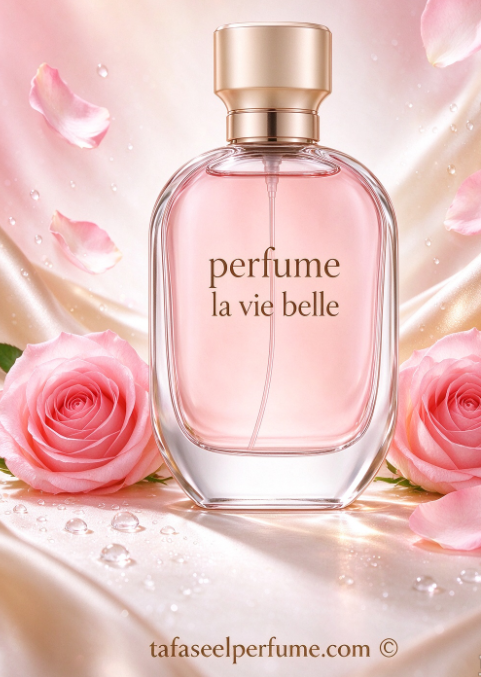
- Perfume La Vie Belle: The Complete Guide to Lancôme’s Iris-Gourmand Icon: Short introduction: “Perfume La Vie Belle” is the shorthand many fragrance lovers use for Lancôme La Vie Est Belle — the iris-gourmand that turned praline, patchouli and powdery iris into one of the best-selling feminine perfumes of the modern era. This guide unpacks its notes, its flankers, its performance and its place in a contemporary perfume wardrobe.
Long introduction: Since 2012, Lancôme La Vie Est Belle has quietly rewritten the rules of mainstream feminine perfumery. Instead of the clean musks and airy florals that dominated the 2000s, it offered something warmer and more edible: a powdered iris heart wrapped in candied praline and grounded by a smoky, woody patchouli. The result is a scent that reads as both elegant and comforting — a rare balance that explains why it has spawned dozens of flankers, countless imitators and a permanent place on department-store counters worldwide. If you have ever typed “perfume la vie belle” into a search bar, you were probably chasing one of three things: an explanation of what the scent actually smells like, advice on how to wear it, or a straight answer about whether it deserves a spot in your collection. This article covers all three. We will walk through the note pyramid, explain the iris-gourmand accord in plain language, compare the original Eau de Parfum with its most important flankers, discuss longevity and sillage, suggest alternatives from adjacent fragrance families, and finish with practical buying and gifting advice. Along the way we reference a few deeper resources — including a detailed Lancôme Paris La Vie Est Belle full guide — so you can keep exploring once you have the basics.
Contents
1. What Makes Perfume La Vie Belle So Instantly Recognisable — the bottle, the smile, and the signature accord that started it all.
2. The Note Pyramid Explained: Iris, Praline and Patchouli — a top-to-base breakdown of what you actually smell.
3. How to Wear Perfume La Vie Belle: Occasions, Seasons and Dosage — practical styling advice for day, night and in-between.
4. Why the Iris-Gourmand Accord Works So Well — the chemistry and culture behind the powdery-sweet contrast.
5. The La Vie Est Belle Family: Flankers, Intensities and Editions — how to tell the original from the dozens of siblings.
6. Longevity, Sillage and Application Technique — how long it lasts, how far it projects, and how to control it.
7. Perfume La Vie Belle vs. Similar Scents: Alternatives Worth Sampling — adjacent fragrances if the original feels too familiar.
8. Buying, Gifting and Storing Perfume La Vie Belle — formats, sizes, authenticity checks and shelf life.
1. What Makes Perfume La Vie Belle So Instantly Recognisable
The first thing people notice about perfume La Vie Belle is rarely the juice itself — it is the bottle. The thick glass slab, cut to suggest a pair of smiling eyes and a gently curved mouth, was designed to be recognisable from across a shop floor. That piece of industrial design matters more than it might seem: it turned a fragrance into a visual shorthand for a certain kind of optimistic femininity, and it made the name easy to remember even for people who could not pronounce Lancôme correctly. Behind the glass, the composition is equally deliberate. La Vie Est Belle was created by three perfumers working in concert — Anne Flipo, Dominique Ropion and Olivier Polge — and it was positioned from the outset as a “fruity iris” rather than a straight floral. The opening leans on blackcurrant and pear, which gives the first spray a juicy, almost sparkling quality. Within ten minutes, though, the fruit recedes and the powder arrives: iris, jasmine and orange blossom arranged in a soft, rounded bouquet. The base is where the perfume becomes unmistakable. Praline, vanilla and tonka bean deliver sweetness, while patchouli adds an earthy, slightly bitter counterweight that keeps the whole thing from collapsing into dessert. If you want the deep-dive version of this history and the surrounding marketing story, the iconic iris-gourmand breakdown covers it in far more detail. What matters for a first impression is this: perfume La Vie Belle is recognisable because it combines two things that usually live apart — powder and food.
2. The Note Pyramid Explained: Iris, Praline and Patchouli
Most perfume pyramids are marketing fiction, but La Vie Est Belle’s is unusually honest. Top notes: blackcurrant and pear. These are bright, tart and slightly green, and they exist mostly to make the first thirty seconds feel fresh and expensive. Heart notes: iris, jasmine, orange blossom. The iris here is the expensive part — a root-derived material that smells like cool powder, suede and a hint of carrot, and which gives the fragrance its characteristic “grey” texture. Jasmine and orange blossom soften that greyness and push the composition toward the classic French floral tradition. Base notes: praline, vanilla, patchouli, tonka bean. Praline is the note everyone remembers: a caramelised, nutty sugar that smells like a pastry shop rather than a flower bed. Vanilla and tonka reinforce the sweetness, while patchouli does the structural work — it is the scaffolding that stops the sugar from reading as cheap. The genius of the formula is the ratio. There is enough patchouli that trained noses register an earthy, almost medicinal edge, but not so much that casual wearers notice it as “hippie” patchouli. The iris sits between the two camps as a translator, speaking floral to the gourmand and gourmand to the floral. If you are comparing this structure with other mass-market feminine releases, the curated guide to modern women’s signature scents is a useful benchmark for how La Vie Est Belle’s architecture differs from the tuberose-forward or clean-musk styles that surround it on the shelf.
3. How to Wear Perfume La Vie Belle: Occasions, Seasons and Dosage
Perfume La Vie Belle is a cool-to-cold-weather fragrance with year-round ambitions. In autumn and winter, the praline and patchouli base blooms beautifully against wool, leather and cashmere, and the powder keeps it from feeling sticky in heated interiors. In high summer, the same sweetness can turn cloying, especially in humid climates; if you love the scent and live somewhere warm, apply it to clothing rather than skin, or reserve it for air-conditioned evenings. Occasion-wise, the original Eau de Parfum is office-friendly in very small doses — one spray to the back of the neck, applied an hour before you leave — but it is at its best in the evening, where the patchouli reads as sophisticated rather than loud. For daytime, many wearers prefer the lighter concentrations or the fresher flankers discussed in section five. Dosage is the single biggest variable. This is a strong formula: two sprays is a statement, three is a room-filler, and five will follow you home. Start with one and add after two hours if you cannot smell it, remembering that nose fatigue sets in long before the people around you stop noticing. If your wardrobe leans toward fresh, green or citrus scents and you are testing whether a gourmand can fit in, it helps to compare it against a different floral archetype — for example the tuberose-forward floral amber classic that occupies a similar price bracket but a very different mood.
4. Why the Iris-Gourmand Accord Works So Well
On paper, iris and praline should not get along. Iris is cold, dry, powdery and slightly austere — the smell of a makeup bag, a suede glove, a marble hallway. Praline is warm, sticky, caramelised and unmistakably edible. Yet the contrast is precisely what makes perfume La Vie Belle compelling. Think of it the way you would think of a dessert finished with salt: the savoury element does not fight the sugar, it sharpens it. Here, the iris functions as the salt. It gives the sweetness a texture and a boundary, so the fragrance feels constructed rather than simply sugary. There is also a cultural layer. Iris has been a signature of French perfumery for over a century, associated with luxury, restraint and a certain powdered formality. By pairing it with praline — a note with working-class, confectionery associations — La Vie Est Belle performs a small act of democratisation: it makes the most aristocratic of floral materials feel approachable and wearable. That tension, more than any individual ingredient, is the reason the accord has been copied so relentlessly since 2012. If you enjoy tracing how single materials travel across styles, the story of how an aldehydic floral carried a porcelain name into modern collecting is a fascinating parallel case study in how one note family can define an entire era of taste.
5. The La Vie Est Belle Family: Flankers, Intensities and Editions
The biggest source of confusion for anyone searching “perfume la vie belle” is that there is no single product with that name. There is a family. The anchor is La Vie Est Belle Eau de Parfum, the 2012 original, in the clear smile-cut bottle. Around it sit dozens of variations: an Eau de Toilette that is lighter and more citrus-forward; L’Extrait and Intensément versions that dial up the praline and patchouli for greater density and longevity; Florale, which pushes the iris and adds a greener, more transparent floral character; Soleil Cristal and other summer editions built on citrus and coconut-adjacent freshness; Oui-adjacent limited releases; and a long tail of holiday editions that change the bottle rather than the juice. The practical rule is simple: the more “intense” the name, the sweeter and denser the base, and the more likely it is to suit evening wear in cool weather. The lighter concentrations are the better entry point for warm climates, open-plan offices and anyone who finds the original too heavy. When shopping online, check the concentration (EDT, EDP, Extrait) and the volume before comparing prices, because flankers frequently share bottle shapes while differing by thirty or forty percent in strength. If your taste runs toward heavier, more resinous orientals rather than sweet iris, it is worth sampling across categories — a unisex amber such as the saffron-almond amber that redefines unisex oriental perfumery occupies similar territory in terms of warmth and projection but reads far less sugary.
6. Longevity, Sillage and Application Technique
Performance is where perfume La Vie Belle earns its reputation. On most skin, the Eau de Parfum delivers eight to twelve hours of detectable scent, with the first three being the loudest; the drydown — vanilla, tonka, soft patchouli — can cling to fabric for days. Sillage is above average: this is not a skin scent, and people will notice it in a lift or a car. That is a feature for some wearers and a problem for others. If you want to control it, application technique matters more than dosage. Spray onto moisturised skin (unscented lotion works fine) — dry skin releases fragrance faster and can make the opening feel harsh. Aim for pulse points but not the wrists if you wash your hands often; the back of the neck, the hairline and the inside of the elbow hold scent longer. Do not rub the wrists together — friction heats the oils and accelerates the top-note burn-off, which shortens the perceived life of the fragrance. One spray on clothing (test on a hidden seam first) will keep the drydown present through a long day without adding to the cloud around your head. Finally, store the bottle away from bathroom humidity and direct sunlight: heat and light degrade the citrus top notes within a year, and the fragrance will start to smell flat and overly sweet before its time.
7. Perfume La Vie Belle vs. Similar Scents: Alternatives Worth Sampling
Because La Vie Est Belle is so widely worn, many people reach a point where they want the same idea in a less familiar bottle. Fortunately, the iris-gourmand and sweet-patchouli space is crowded with interesting options. If you love the praline but want more texture, look at gourmands built on almond, tonka and benzoin, which deliver warmth with less sugar. If the iris is what draws you in, explore powdery violet-iris compositions — they share the makeup-bag quality but are drier and more formal. If it is the patchouli base you enjoy, try woody-aromatic or spicy-woody signatures that use patchouli as a supporting player rather than a headline; a classic example is the spicy-woody signature that still speaks volumes after 25 years, which shares the earthy structure but reframes it as something more angular. And if you are drawn to the idea of a fragrance with a story rather than a trend, the niche end of the market offers scent houses that bottle soil, resin and ritual — earthier, stranger and often built around the same patchouli-and-amber skeleton. Sampling three or four of these side by side will teach you more about your own taste than reading a dozen reviews, because the differences you notice will tell you which single note in La Vie Est Belle you are actually buying it for.
8. Buying, Gifting and Storing Perfume La Vie Belle
When you are ready to buy, three practical decisions matter more than the marketing copy: concentration, volume and source. Concentration first — Eau de Toilette for daily wear and warm climates, Eau de Parfum as the reference version, Extrait or Intensément for cold-weather evenings and collectors. Volume second — the 30ml is genuinely the best first purchase, because a 100ml bottle of a fragrance this strong can take years to finish and will lose its brightness long before it is empty. Third, source: buy from authorised retailers or well-reviewed specialists, and treat steep discounts on sealed bottles with suspicion, since this is one of the most counterfeited feminine fragrances in the world. Check the batch code, the weight and print quality of the box, and the alignment of the label on the bottle. For gifting, the perfume gift sets category is usually the most sensible route, since it bundles a smaller bottle with a body lotion or a travel spray and reduces the risk of buying a size the recipient will never finish. If the recipient already owns the original, consider a flanker or a discovery set instead. Finally, storage: keep the bottle in its box, in a cupboard, away from the bathroom, and it will hold its character for three to five years. If you want to browse adjacent categories before committing — women’s perfume, unisex perfume or mini size and gift sets — comparing sizes and formats first will save you money and regret.
Frequently Asked Questions About Perfume La Vie Belle
What does perfume La Vie Belle actually smell like?
It smells like powdered iris and caramelised praline. The opening is a brief burst of tart blackcurrant and pear, which fades within minutes into a soft, cool iris-jasmine heart. The drydown is where the fragrance settles: sweet praline and vanilla over a smoky, earthy patchouli. Most people describe the overall effect as “sweet powder” or “floral dessert” — elegant but noticeably edible.
Is perfume La Vie Belle a floral or a gourmand fragrance?
Both, deliberately. The official classification is floral gourmand, sometimes described as a fruity iris. The floral side comes from iris, jasmine and orange blossom; the gourmand side comes from praline, vanilla and tonka bean. Patchouli bridges the two by adding an earthy, non-edible base that keeps the sweetness in check.
How long does La Vie Est Belle last on skin?
Typically eight to twelve hours on skin for the Eau de Parfum, with the first three hours being the most intense. On fabric, the base notes can persist for several days. Performance varies with skin type — dry skin releases fragrance faster — so applying to moisturised skin will noticeably extend wear time.
Is perfume La Vie Belle suitable for men or unisex wear?
It is marketed as a feminine fragrance, but fragrance has no gender and plenty of men wear it happily. That said, it is sweet, powdery and heavy on praline, which places it firmly in traditionally feminine territory. Men who prefer the same patchouli-vanilla structure but a less sugary presentation will usually find more comfortable options in unisex ambers and spicy-woody compositions.
Is perfume La Vie Belle good for everyday wear?
Yes, with a caveat about dosage. In an office or classroom, one spray applied at least thirty minutes before you arrive is usually enough and will read as a pleasant background scent rather than a cloud. In very warm or humid weather, the sweetness can become heavy; many people switch to a lighter concentration or a fresher flanker for summer.
What is the difference between La Vie Est Belle and its flankers?
Flankers change one or two elements while keeping the signature accord. The original EDP is the sweetest and most balanced. Eau de Toilette is lighter and more citrus-forward. Intensément and Extrait versions deepen the praline and patchouli for greater density. Florale pushes iris and green notes for a more transparent effect. Summer editions add citrus or coconut-adjacent freshness. Always check the concentration on the box, not just the name.
How many sprays of perfume La Vie Belle should I use?
Start with one. This is a high-sillage formula, and most people who think it “doesn’t last” are actually experiencing nose fatigue rather than weak performance. Two sprays is a confident personal scent; three is a statement for evening wear. If you can smell it strongly on yourself after four hours, the people around you are almost certainly smelling it more.
Is perfume La Vie Belle worth the price?
It depends on what you value. As a mass-market designer fragrance, it is priced at the higher end of its category but offers excellent performance and enormous recognition. If you want a single signature scent that works for evenings, cold weather and occasions, the value is good. If you prefer variety or niche compositions, a 30ml bottle or a discovery set is the smarter way in.


