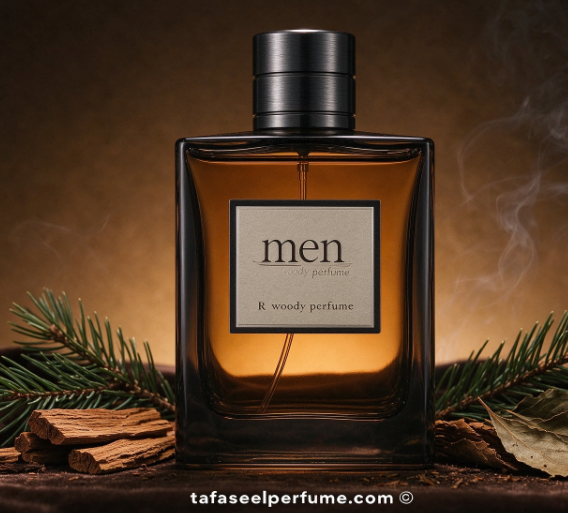
- Men Woody Perfume: The Complete Guide to Choosing, Wearing, and Loving Woody Fragrances for Men: A practical, no-nonsense guide to men woody perfume — what the note families actually smell like, which bottles are worth your money, how to wear woody scents in heat and cold, and how to build a small wardrobe that covers every occasion.
Woody perfume for men is one of the largest and most misunderstood categories in fragrance. It is the family that gives us sandalwood, cedar, vetiver, oud, and patchouli; it is also the family that quietly powers half the "fresh" and "spicy" masculines on the shelf, because wood is the backbone that holds everything else upright. If you have ever wondered why one woody scent feels like a warm library and another feels like a cold forest after rain, the answer is usually in the wood itself — and in how the perfumer chose to dress it. This guide breaks the category down into plain language, walks through the note families and the bottles that represent them best, and explains how to wear men woody perfume so it lasts, projects politely, and actually suits the person wearing it. Along the way we will point you toward deeper reading on note structures, fragrance houses, and specific releases, so you can move from curiosity to a confident purchase without wasting money on bottles you will never finish.
In This Guide
1. What Actually Counts as a Woody Fragrance for Men? — The definition, the sub-families, and why "woody" is often a supporting act rather than a solo performance.
2. The Core Woody Notes: Sandalwood, Cedar, Vetiver, Oud, and Patchouli — How each wood smells, how it behaves on skin, and what it signals to the people around you.
3. The Best Designer Men Woody Perfumes Worth Testing First — Accessible, widely available bottles that represent the category honestly.
4. Niche and Luxury Woody Scents: When Paying More Actually Buys More — What higher price tags genuinely deliver, and where they do not.
5. Woody Perfume by Season and Occasion — Heat, cold, office, evening, and the difference between a daytime cedar and a midnight oud.
6. How to Apply Men Woody Perfume So It Lasts — Placement, layering, storage, and the mistakes that kill longevity.
7. Buying Woody Perfume as a Gift — Safe picks, risky picks, and how to choose without knowing the recipient's taste in detail.
8. Building a Small Woody Wardrobe: Three Bottles That Cover Everything — A simple, affordable framework instead of a shelf full of near-duplicates.
1. What Actually Counts as a Woody Fragrance for Men?
A woody fragrance is any composition in which wood materials — natural or synthetic — form the structural center of the scent rather than a passing accent. In practice, most masculine releases contain some wood; the difference is whether the wood is the point of the fragrance or simply the frame around it. A true men woody perfume puts cedar, sandalwood, vetiver, oud, guaiac, or patchouli at the heart and builds outward from there, often with citrus, spice, or aromatic herbs on top and resins, musk, or leather underneath. This is why the category overlaps so heavily with others: a "woody aromatic" opens with lavender and sage, a "woody spicy" leans on pepper and cardamom, and a "woody oriental" wraps the wood in amber and vanilla. Understanding these hybrid labels is the fastest way to predict whether a bottle will smell dry and clean, warm and sweet, or dark and smoky before you ever spray it. If you want a broader map of how note families connect to one another, this complete guide to notes, families, and choosing your signature scent is a useful companion read. The practical takeaway for buyers is simple: when a men woody perfume is done well, the wood feels textured and three-dimensional — you can almost read grain in it — instead of flat, sharp, or soapy. When it is done poorly, you get the familiar "pencil shaving" harshness that puts people off the category entirely, which is unfair to some genuinely excellent fragrances.
The second thing worth knowing is that "woody" in modern perfumery is as much a molecule category as a botanical one. Materials such as Iso E Super, Ambrocenide, and various sandalwood synthetics give perfumers the smooth, radiant, skin-hugging wood effects that define contemporary masculine scent design. That is not a flaw — it is craft. It is also why two fragrances can both be described as "cedar" and smell nothing alike. Once you accept that wood is a texture as much as an ingredient, the category opens up considerably and shopping becomes far less confusing.
2. The Core Woody Notes: Sandalwood, Cedar, Vetiver, Oud, and Patchouli
Sandalwood is the creamy, soft, slightly milky wood. It reads as warm and approachable, and it is the reason some woody perfumes feel almost edible without being sweet. It is forgiving on skin, excellent in cold weather, and often used to smooth out harsher materials around it. If you want a woody scent that nobody in an elevator will object to, sandalwood is your safest anchor. Cedar is the opposite personality: dry, brisk, faintly pencil-shaving, and highly legible. It gives a clean, upright, "freshly showered outdoorsman" impression and pairs naturally with citrus and aromatic herbs. Cedar-dominant men woody perfume is the classic office choice, though cheap versions can turn sharp and synthetic if overdosed.
Vetiver is the most divisive of the group. It is rooty, earthy, slightly smoky, and green in a dry way — think damp soil and cut grass rather than polished furniture. Good vetiver is elegant and grown-up; bad vetiver smells like a wet ashtray. It performs beautifully in heat, which makes it one of the few woods you can wear confidently in summer. Oud — agarwood — is the deep, resinous, animalic end of the spectrum: leathery, medicinal, sometimes barnyard-adjacent, always attention-demanding. Most commercial "oud" is a reconstruction, and quality varies wildly, so test before you commit to a full bottle. Patchouli is the earthy, camphoraceous, slightly sweet wood that defined a generation and still anchors countless masculines; modern versions are cleaned up and often blended with cocoa or vanilla to round off the hippie edges. Each of these materials behaves differently on skin, and the only reliable test is wearing them for a full day. For a wider look at how individual houses interpret these notes across their ranges, browsing a house-by-house reference such as this complete guide to every scent from the House of Medusa shows how the same woody building blocks can be pushed toward fresh, sweet, or dark depending on brand identity. Once you can recognize sandalwood, cedar, and vetiver blind, the whole masculine market becomes readable.
3. The Best Designer Men Woody Perfumes Worth Testing First
Designer woody masculines are the sensible entry point because they are widely testable, reasonably consistent, and easy to replace. The category's strength is not novelty but reliability: a good designer woody scent is designed to be worn often, in public, by a very wide range of people. Start with cedar and sandalwood-dominant releases, which sit closest to the mainstream expectation of a men woody perfume and rarely offend. From there, explore spicier or leather-tinged interpretations if you find the clean woods too polite. One particularly instructive bridge between the woody and leather families is the Italian approach — dry, refined, quietly luxurious rather than loud — which you can explore through Ferragamo perfume for men and the quiet-luxury scents that actually earn their place. The lesson there is that wood does not have to shout to be noticed.
At the bolder end of the designer spectrum sits the sweet-woody-gourmand hybrid, the style that dominated the 2010s and still sells steadily today. These fragrances combine a woody base with amber, tonka, and fruit, producing a scent that is warm, extroverted, and often extremely long-lasting — sometimes too long-lasting for an office. A well-known example of the style's enduring appeal is examined in this look at Paco Rabanne 1 Million Cologne EDT and the gold bar that still commands a room. Test such fragrances with restraint: two sprays, not six. When you are ready to browse by category rather than by bottle, the full men's perfume range is the logical place to compare styles side by side. The most common beginner mistake is buying the loudest thing on the shelf; the better strategy is buying the wood you can wear forty times a year without getting tired of it.
4. Niche and Luxury Woody Scents: When Paying More Actually Buys More
Above a certain price point, you are paying for materials, composition, and restraint rather than performance. Niche woody fragrances often use higher concentrations of natural sandalwood or vetiver, and they frequently prioritize texture and evolution over projection. That can be wonderful — a well-made sandalwood scent that blooms slowly over six hours is a genuine pleasure — but it can also disappoint buyers who expect a luxury price to mean a louder scent. It does not. In fact, many expensive woody perfumes sit closer to the skin than a mass-market designer release, because their audience prefers intimacy to announcement.
The honest rule is this: pay more for a scent you have tested repeatedly and still love, not for a scent you hope will be better because it costs more. If you are still mapping out which houses suit your taste, a survey of a major designer's output — such as this guide to Italy's most wearable fragrance house — is often more useful than blind-buying a niche bottle on hype. Wearable, well-constructed wood is the goal, and price is a poor proxy for it. If you are curious about how other categories overlap with woody territory, the unisex perfume selection is a good place to see woods blended without gendered marketing assumptions.
5. Woody Perfume by Season and Occasion
Woody fragrances are often labeled "fall and winter" by default, and that is only half right. Dry woods like cedar and vetiver are superb in heat because they do not turn cloying; creamy woods like sandalwood and heavy resins like oud are far better in cold air, where their warmth reads as comfort instead of weight. In summer, choose vetiver, cedar, or a citrus-woody composition and apply sparingly — one or two sprays to the chest, not the neck and wrists and shirt. In winter, sandalwood, patchouli, and oud-forward scents come into their own, and you can afford a heavier hand. For comparison, lighter aquatic and citrus structures show how differently a fragrance behaves in humidity, which is worth studying through a reference like this analysis of the yuzu-aquatic blueprint that outlasted the 1990s.
Occasion matters as much as weather. A clean cedar or vetiver woody scent is entirely appropriate for an office, a classroom, or a daytime meeting; a smoky oud or a sweet amber-wood is better saved for evenings, dinners, and cold-weather social events. The simple framework: the drier and greener the wood, the more daytime-friendly it is; the darker and sweeter the wood, the more it belongs after dark. Following that one rule will prevent nearly every "my cologne is too much" complaint you are likely to receive.
6. How to Apply Men Woody Perfume So It Lasts
Longevity is mostly chemistry, but application still matters. Spray on moisturized skin — dry skin releases fragrance faster and holds it for less time. Apply to pulse points and the chest rather than rubbing your wrists together, which crushes the top notes and shortens the opening. Do not spray directly onto clothing unless you have tested for staining, particularly with dark oud and patchouli compositions. Store bottles away from sunlight and bathroom humidity, both of which degrade citrus top notes and flatten woody hearts over time.
Layering is optional but useful: an unscented moisturizer underneath, or a matching shower gel, can add a few hours of wear without changing the scent. If you want to go deeper into how different fragrance families are constructed and why some last longer than others, this guide to fragrance houses, iconic scents, and finding your signature explains the structural logic behind performance differences. Finally, resist the urge to "top up" mid-day. Woody fragrances often sit close after the first few hours, and reapplying the same scent repeatedly is the fastest route to becoming the person people avoid in the hallway.
7. Buying Woody Perfume as a Gift
Woody scents are among the safest gift categories because they are broadly liked and rarely read as eccentric. For a recipient whose taste you do not know well, choose a clean cedar or soft sandalwood composition — they flatter almost everyone and suit most settings. Avoid oud and heavy patchouli unless you know the person already wears dark, resinous fragrances. A curated set is often a better gift than a single full bottle, since it lets the recipient test several woody directions without commitment; these perfume gift sets are a practical starting point. If you want to widen the search beyond purely masculine marketing, the women's perfume range contains plenty of woody compositions that work beautifully on men, and much of the current market is deliberately unisex in all but name.
One more consideration: check whether the recipient prefers spray or splash, and whether they have sensitivities to strong aromatics. A gift that gives someone a headache is not a gift. When in doubt, choose the quieter woody scent over the louder one — it is far easier to add a spray later than to remove one.
8. Building a Small Woody Wardrobe: Three Bottles That Cover Everything
You do not need twelve bottles. Three woody fragrances, chosen well, cover nearly every situation a typical person encounters. First, a fresh woody daytime scent — cedar, vetiver, or citrus-wood — for work, errands, and warm weather. Second, a warm creamy wood such as sandalwood or an amber-wood blend for evenings, dates, and cold months. Third, something with character: a leather-wood, a smoky oud, or a spicy woody composition for occasions when you want to be remembered. That is a complete wardrobe, and it costs less than a single luxury niche bottle.
Buy the first two before you buy the third, and wear each for at least a month before adding anything. Most collections grow too fast and end up full of near-duplicates that never get finished. If you enjoy reading reviews before committing, the site's perfume articles and reviews archive is a useful filter, and browsing by perfume brands helps you recognize which houses consistently produce the kind of wood you like. The goal is not a collection — it is three or four scents you actually wear, know intimately, and can recommend to a friend without checking the label.
Frequently Asked Questions About Men Woody Perfume
What is the difference between woody and woody aromatic perfume for men?
Woody means the wood notes form the core of the fragrance. Woody aromatic means the wood is paired with prominent aromatic herbs such as lavender, sage, rosemary, or juniper, which usually makes the scent feel fresher and more daytime-appropriate. Many popular masculines sit in the woody aromatic category because the herbs keep the wood from feeling heavy.
Is men woody perfume suitable for summer?
Yes, if you choose the right wood. Vetiver and cedar handle heat beautifully and stay crisp in humidity, while sandalwood and oud can feel heavy in high temperatures. In summer, apply one or two sprays rather than the four or five you might use in winter.
How long should a good woody fragrance last?
Six to eight hours on skin is a reasonable expectation for a well-made eau de parfum. Eau de toilette versions typically run four to six hours. Performance depends on concentration, skin type, humidity, and how the fragrance is stored, so treat published claims as a rough guide rather than a guarantee.
Why does my woody perfume smell sharp or harsh?
Sharpness usually comes from an overdose of dry woody aromachemicals, or from a fragrance that has degraded after exposure to heat and light. It can also be a skin chemistry mismatch. Try applying less, apply to moisturized skin, and test the same fragrance from a fresh sample before assuming the formula is at fault.
Can I wear a woody fragrance to the office?
Absolutely, and it is one of the best categories for it. Choose cedar, vetiver, or a soft sandalwood scent, keep it to two sprays on the chest, and avoid sweet amber-wood or smoky oud compositions that project aggressively in enclosed spaces.
Are expensive woody perfumes actually better?
Not automatically. Higher prices often reflect more expensive raw materials and more complex composition, but many affordable designer woody scents perform better and smell more appealing to the average wearer. Judge by testing on your own skin over several wears, not by price tag or prestige.


