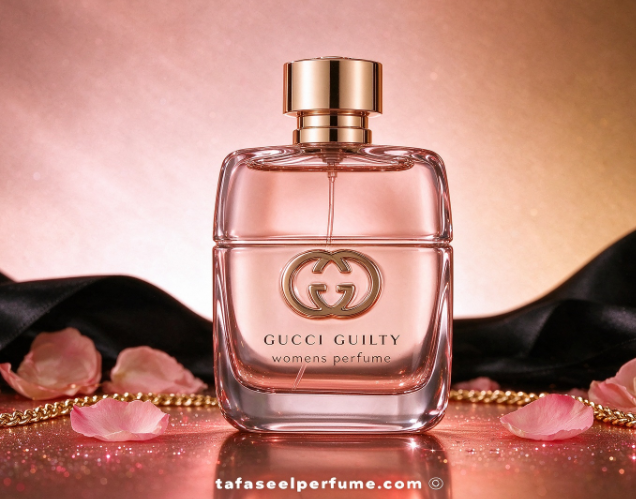
- Gucci Guilty Women’s Perfume: The Complete Guide to Notes, Versions, and Why It Still Turns Heads: A quick introduction. Gucci Guilty for women is not one single scent—it is a small universe of flankers, concentrations, and mood shifts built around one provocative idea: that a woman can be unapologetically herself. Since the original Eau de Toilette launched in 2010, the Guilty woman has been portrayed as bold, free, and quietly magnetic. This guide breaks down the notes, the versions, the performance, and the questions people actually ask before buying it.
The bigger picture. What makes Gucci Guilty Women’s Perfume endure is its balance between approachability and edge. The core DNA is a warm floral—often described as an Oriental Floral or Ambery Floral—built around mandora, pink pepper, lilac, geranium, and patchouli. It is feminine without being fragile, sensual without being loud. Over the years, Gucci has released multiple interpretations: the original EDT, a richer EDP, the fruity-chypre Absolute, and the gourmand-leaning Absolu de Parfum. Each version shifts the personality slightly, but the through-line remains the same: a scent that feels like a declaration rather than a decoration. If you are still mapping out your own preferences across fragrance families, the broader guide to notes, families, and choosing a signature scent is a useful companion read.
1. What Makes Gucci Guilty Women’s Perfume So Addictive?
2. Gucci Guilty EDT vs. EDP: Which Version Is Right for You?
3. The Guilty Family Tree: Absolute, Absolu, and Beyond
4. Longevity, Sillage, and How to Make It Last Longer
5. Who Should Wear Gucci Guilty Women’s Perfume—and When?
1. What Makes Gucci Guilty Women’s Perfume So Addictive?
The addictive quality of Gucci Guilty for women comes from a deliberate tension. It is floral but not polite, warm but not heavy, and familiar but slightly off-center. The opening is bright and slightly sharp: mandora, a citrus fruit from Cyprus, is smoothed out with bergamot and pink pepper. That peppery citrus spark keeps the first few minutes from feeling generic. As the top notes settle, the heart reveals lilac, rose, violet, and geranium—a floral accord that reads powdery-soft on some skin and rosy-green on others. The base is where Guilty earns its reputation: patchouli, handled in a duet of Patchouli Coeur and micro-distilled patchouli oil, wrapped in ambery notes. The patchouli is earthy but polished, never dirty; the amber gives it a skin-like warmth that makes people lean in. It is the kind of scent that does not announce itself from across the room but lingers in the air just enough to make someone ask what you are wearing. If you enjoy florals with a warm, slightly spiced backbone, this sits comfortably alongside other spicy floral compositions.
2. Gucci Guilty EDT vs. EDP: Which Version Is Right for You?
The two most widely available versions—the original Eau de Toilette and the Eau de Parfum—share DNA but wear very differently. The EDT (2010) is lighter, more citrus-forward, and more transparent. Its listed notes include mandarin, pink pepper, peach, lilac, geranium, amber, and patchouli, with a reported longevity of roughly 3 to 6 hours and a soft sillage. It is an easy reach for daytime, warm weather, or anyone who prefers a perfume that stays close to the skin. The EDP is the richer, more “perfume-y” interpretation. It amplifies the floral heart and deepens the patchouli-amber base, which translates to better projection and longer wear on most skin types. Many wearers describe the EDP as smoother and more rounded, with the lilac and violet reading more clearly and the base feeling plusher. In practice, the EDT is the “fresh guilty pleasure,” while the EDP is the “evening-ready guilty pleasure.” If you are torn, test both on skin—not paper—because the patchouli behaves very differently from person to person. For a broader look at how feminine perfumes are positioned and worn, see this guide to scents that make people lean in closer.
3. The Guilty Family Tree: Absolute, Absolu, and Beyond
Gucci Guilty Absolute Pour Femme (2018) is the outlier of the line. Created alongside a masculine counterpart, it moves away from the citrus-floral softness of the original and leans into a fruity-chypre structure: blackberry, bergamot, pink pepper, Bulgarian rose, cypress, woody notes, amber, and patchouli. It feels darker, more textured, and more “grown-up” than the EDT or EDP—less about sparkle, more about depth. Then there is Gucci Guilty Absolu de Parfum Pour Femme (2025) , the most gourmand interpretation to date. Its heart is a Coffee Amaretto Accord, softened with tonka bean absolute and a wisteria accord, creating an intense floral-ambery composition that reviewers describe as “bold, rich, and long lasting”. This is the version for someone who wants Guilty’s sensuality with an edible, night-out warmth. The existence of these flankers matters because it shows the Guilty DNA is flexible: patchouli and amber can be dressed up in citrus, draped in dark fruit, or dipped in coffee. If you are exploring how different fragrance houses build and extend a signature concept, the guide to fragrance houses and iconic scents offers useful context.
4. Longevity, Sillage, and How to Make It Last Longer
Performance is the most common concern with Guilty, and the answer depends almost entirely on which concentration you choose. The EDT is the lightest: expect a soft bubble for the first hour and a skin scent that fades within 3–6 hours for many wearers. The EDP generally pushes further and lasts longer, though some Fragrantica reviewers report only a few hours on skin while others get a full day—skin chemistry matters enormously here. The Absolu de Parfum is the strongest of the lineup, with wearers noting it clings to clothing for hours. To get the most from Guilty: apply to moisturized skin (unscented lotion creates a better canvas than dry skin), spray once or twice on pulse points and once on clothing (patchouli and amber cling to fabric), and avoid rubbing the wrists together—it crushes the top notes and shortens the arc of the scent. If you want a deeper dive into how concentration affects wear, the breakdown of notes, variants, longevity, and smart buying is a practical reference.
5. Who Should Wear Gucci Guilty Women’s Perfume—and When?
Guilty is not age-specific, but it does have a personality profile. It tends to suit people who like florals with a warm, slightly shadowed edge and who prefer a scent that feels intimate rather than room-filling. The EDT is forgiving for daytime, spring and mild autumn, and office environments where strong perfume is unwelcome. The EDP moves comfortably into evenings, date nights, and cooler weather. The Absolute is a statement scent for someone who wants the Guilty DNA with more darkness; the Absolu de Parfum is the most night-out, cold-weather, gourmand-leaning option. If you are building a wardrobe and want to understand how feminine and unisex scents can overlap, this piece on women’s fragrances worn with confidence challenges some of the usual gender lines. Ultimately, Guilty works best when you stop thinking of it as a “safe” perfume and start treating it as a mood: polished enough for the daytime, but always carrying a little bit of after-dark intent.
FAQ: Gucci Guilty Women’s Perfume
Is Gucci Guilty for women a floral or oriental scent?
It is typically classified as an Oriental Floral or Ambery Floral. The core is a floral heart of lilac, rose, violet, and geranium, wrapped in a warm base of patchouli and amber. The citrus opening (mandora, bergamot, pink pepper) gives it a bright start before the warmer notes take over.
How long does Gucci Guilty Women’s Perfume last?
The EDT generally lasts 3–6 hours on skin for many wearers, with a soft sillage. The EDP typically lasts longer and projects more, though individual results vary based on skin type and application. The Absolu de Parfum is the longest-lasting of the main line and can cling to clothing for hours.
What is the difference between Gucci Guilty EDT and EDP?
The EDT is lighter, more citrus-forward, and more transparent—better for daytime and warm weather. The EDP is richer, with a fuller floral heart and a deeper patchouli-amber base—better for evenings and cooler weather. The EDP is generally smoother and more intense than the EDT.
Is Gucci Guilty Women’s Perfume suitable for everyday wear?
Yes, especially the EDT. It stays close to the skin and is unlikely to overwhelm an office or a closed room. The EDP can also be worn during the day if you apply lightly, but it has more presence. The Absolute and Absolu de Parfum are more evening-oriented for most people.
Does Gucci Guilty Women’s Perfume smell different on different people?
Yes—more than many mass-market florals. The patchouli and amber in the base interact strongly with skin chemistry, so the scent can read powdery on one person, rosy-green on another, and warmer or earthier on a third. This is why testing on skin, not paper, is essential.
What is the difference between Gucci Guilty Absolute and Gucci Guilty Absolu de Parfum?
Absolute Pour Femme (2018) is a fruity-chypre with blackberry, rose, cypress, and patchouli—darker and more textured than the original. Absolu de Parfum Pour Femme (2025) is a gourmand-leaning floral amber built around a coffee-amaretto accord and tonka bean—richer, warmer, and more explicitly “night out”.


