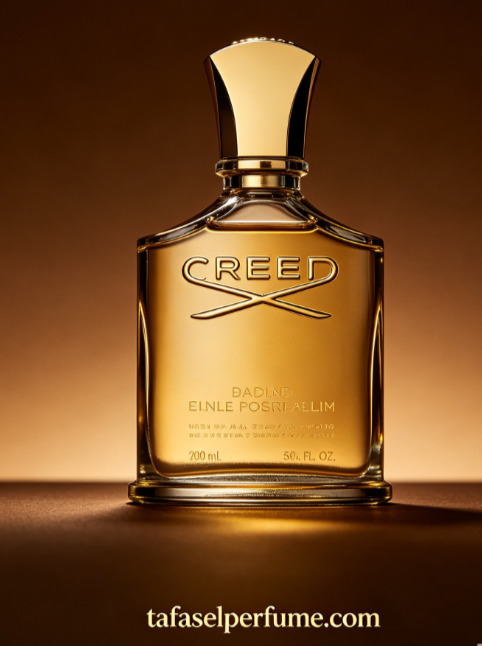
- Creed for Sale · The Architecture of Timeless Prestige: Short introduction: For connoisseurs and seekers of the extraordinary, Creed for sale represents more than a fragrance transaction — it is the acquisition of heritage. From the house that dressed kings and screen legends, each bottle carries the whisper of Grasse, the hand of master perfumers, and the soul of centuries-old craft. Whether you chase the green spark of Green Irish Tweed or the smoky ambergris of Aventus, the market for Creed is a living museum of olfactory art.
Extended introduction: The name Creed is etched into perfumery’s hall of fame. Since 1760, this Anglo-French dynasty has supplied bespoke scents to crowned heads, from Queen Victoria to the Duke of Windsor. Today, Creed for sale spans auction houses, niche boutiques, and digital marketplaces where collectors hunt for vintage flacons and limited batches. But what makes a Creed bottle truly valuable? It’s the fusion of rare natural ingredients — bergamot from Calabria, iris from Florence, sandalwood from Mysore — and the alchemy of time. This article navigates the Creed ecosystem: authentication, price tiers, seasonal releases, and the emotional resonance that turns perfume into patrimony. We dissect why a single flacon can command thousands, and why the quest for Creed is, ultimately, a quest for identity.
navigation — chapters
1. The Creed lineage: from bespoke to iconic2. Authentication: how to spot a genuine Creed
3. Aventus vs. Green Irish Tweed — the eternal duel
4. Vintage Creed: why older bottles command premium
5. Where to buy Creed safely online
6. The price of prestige: market trends
7. Creed for sale: limited editions & royal flacons
8. Caring for your Creed: storage & longevity
1. The Creed lineage: from bespoke to iconic
The story of Creed is not merely a timeline — it is a tapestry woven with royal warrants, artistic revolutions, and a relentless pursuit of perfection. Founded in 1760 by James Henry Creed in London, the house quickly became the chosen perfumer for the British court. By the 19th century, Creed had expanded to Paris, capturing the essence of the belle époque. Each generation of the Creed family guarded the archives of formulas, many of which remain undisclosed. The shift from bespoke to ready‑to‑wear came in the 1970s with the launch of Green Irish Tweed, a fragrance that would define an era and become the benchmark for masculine elegance. Today, Creed for sale includes both the classic repertoire and modern masterpieces like Aventus, created by sixth‑generation perfumer Olivier Creed. The lineage is a living bridge between the ceremonial past and the contemporary collector’s obsession. Every bottle encapsulates a narrative of privilege, craftsmanship, and olfactory rebellion.
The house’s connection to royalty is not mere marketing; Queen Victoria herself granted Creed a royal warrant, and the Duke of Windsor commissioned a personal scent. Even Hollywood’s golden age succumbed to Creed’s allure — Cary Grant and Grace Kelly were devotees. When you search for Creed for sale, you are tapping into this storied continuum. The value lies not only in the juice but in the patina of history that clings to each flacon. As the market evolves, limited re‑releases and vintage discoveries continue to fuel the legend.
2. Authentication: how to spot a genuine Creed
With prestige comes counterfeit. The secondary market for Creed for sale is flooded with fakes that mimic the iconic flacon, but a trained eye can detect the subtlest imperfections. Genuine Creed bottles feature a distinctive, heavy glass with a deep embossed logo on the cap. The spray mechanism is engineered in France, delivering a fine mist that disperses the fragrance evenly. Check the batch code — it should be etched (not printed) on the back of the bottle and match the outer box. The hologram on the packaging is another reliable marker; it shifts colour under light and bears the house’s crest.
Moreover, authentic Creed has a natural, complex opening that evolves dramatically over hours. Counterfeits often project a harsh synthetic blast and fade quickly. Trusted retailers and auction houses provide certificates of authenticity and provenance. For the discerning buyer, investing in a verified Creed is non‑negotiable. We recommend using third‑party authentication services if purchasing from private sellers. Remember, the allure of Creed for sale is not just the scent — it’s the assurance of owning a piece of perfumery’s purest lineage.
3. Aventus vs. Green Irish Tweed — the eternal duel
In the pantheon of Creed, two fragrances reign supreme: Aventus (2010) and Green Irish Tweed (1985). Both are icons, yet they embody contrasting philosophies. Green Irish Tweed is a green, oceanic symphony — violet leaf, iris, and ambergris evoke the misty cliffs of Ireland. It is timeless, subtle, and aristocratic. Aventus, on the other hand, is a bold declaration of power: pineapple, birch, and blackcurrant create a smoky, fruity‑chypre that projects confidence and modernity. The debate among collectors is fervent, and both are regularly offered for sale at premium prices.
Market data shows that Aventus has a higher turnover due to its widespread appeal, while Green Irish Tweed maintains a loyal following among purists. Vintage batches of Aventus (particularly 2010‑2014) have become legendary, sometimes fetching double the retail price. Green Irish Tweed’s older flacons also appreciate, especially those with the original silver‑cap design. When browsing Creed for sale, consider your personal style: are you the quiet iconoclast (Tweed) or the commanding trailblazer (Aventus)? Ultimately, owning both is the collector’s dream.
4. Vintage Creed: why older bottles command premium
The mystique of vintage Creed is rooted in ingredient availability and reformulation. Prior to 2000, Creed used natural ambergris, Mysore sandalwood, and oakmoss in concentrations that are now restricted by IFRA regulations. These materials impart a depth, tenacity, and radiance that modern batches struggle to replicate. Consequently, vintage bottles of Bois du Portugal, Tabarome, and Vetiver are highly sought after. Auction records show that a 1980s flacon of Creed can sell for 5–10 times its original price.
When scanning listings for Creed for sale, pay attention to the batch code (e.g., “A321” indicates 2013). The colour of the juice is also a clue — older bottles often have a deeper amber hue. Storage conditions play a crucial role; a bottle kept in cool, dark conditions retains its integrity. The vintage market is a rabbit hole, but for the passionate collector, it offers a sensory time capsule. We advise sampling before bidding, or relying on reputable dealers who specialise in vintage perfumery.
5. Where to buy Creed safely online
Navigating the digital marketplace for Creed for sale demands vigilance. Authorised retailers like Neiman Marcus, Selfridges, and the official Creed boutique guarantee authenticity. For discounted or rare finds, trusted platforms such as FragranceNet, Jomashop, and LuckyScent are reliable, provided you check their return policies and user reviews. Auction sites like Catawiki and eBay can yield treasures, but always request detailed photos of the box, batch code, and spray stem.
We also recommend exploring niche fragrance communities (Basenotes, Fragrantica) where members often sell from their personal collections — these are usually well‑documented and authenticated by peers. Avoid sellers with no history or those offering “testers” without proper packaging. The investment in a genuine Creed is substantial, so due diligence is paramount. Remember, the joy of Creed for sale lies in the certainty of its pedigree.
6. The price of prestige: market trends
Creed occupies the upper echelon of the fragrance market, with retail prices ranging from $300 to $600 for 100ml. However, the secondary market reveals a dynamic ecosystem. Limited editions, such as the Royal Exclusives line, can command over $1,000. Discontinued gems like Angelique Encens are almost mythical, appearing once in a blue moon at auction. The price is not arbitrary — it reflects the cost of rare naturals, the craftsmanship of the bottle, and the brand’s heritage.
In recent years, the demand for Creed for sale has surged in Asia and the Middle East, driving up prices for vintage batches. The fluctuation is also influenced by batch variations; some years are considered “golden” (e.g., 2013 Aventus) and see a premium. For the savvy buyer, monitoring market trends and investing in undervalued batches can be both a passion and a shrewd acquisition. The price of prestige is fluid, but the emotional currency of Creed is enduring.
7. Creed for sale: limited editions & royal flacons
Beyond the core collection, Creed occasionally releases exclusive editions that tantalise collectors. The Royal Flacon series — presented in ornate crystal bottles — is the epitome of luxury, often sold by invitation only. These editions feature rare ingredients like Omani frankincense, Taif rose, and aged patchouli. They are not merely fragrances; they are heirlooms. When such pieces appear for sale, they attract global attention.
Also noteworthy are the seasonal “Millésime” releases, which celebrate a specific harvest. The Millésime Impérial, for instance, contains a higher proportion of iris and ambergris, offering a softer, more regal profile. These limited runs are produced in small quantities and often sell out within hours. For collectors, monitoring boutique newsletters and joining Creed’s loyalty programme is essential. The hunt for these rarities adds a layer of excitement to the Creed for sale landscape.
8. Caring for your Creed: storage & longevity
Owning a Creed is a commitment to preservation. The fragrance is a delicate emulsion of natural oils and alcohols; light, heat, and oxygen are its enemies. Store your flacon in its original box, in a cool, dark cupboard — a wine cooler or a drawer works perfectly. Avoid bathrooms with fluctuating humidity. The lifespan of a well‑stored Creed can exceed 30 years, with the scent maturing into a richer, more integrated composition.
If you are purchasing vintage Creed for sale, inspect the stopper and seal. Some older bottles may have evaporation, which concentrates the juice but reduces volume. Decanting into smaller atomisers for daily use can minimise oxygen exposure. With proper care, your Creed will not only retain its majesty but may even increase in value. Treat it as you would a fine wine — with reverence and patience.
frequently asked questions
Creed uses a high percentage of rare natural ingredients, many of which are harvested by hand. The production process involves maceration and filtration techniques that are labour‑intensive. Moreover, the brand’s heritage and royal patronage contribute to its luxury positioning.
Yes, but only from reputable discounters with verifiable authenticity guarantees. Check customer feedback, return policies, and batch code verification. Avoid sites that offer prices significantly below market average — they often sell counterfeits.
Examine the batch code (usually laser‑etched), the design of the cap, and the colour of the juice. Vintage bottles often have a more ornate label and a darker liquid. Cross‑reference the code with online databases or consult fragrance forums.
Many enthusiasts argue that older batches (pre‑2015) have superior longevity and a more pronounced smokiness due to the use of natural birch tar. However, this is subjective; some prefer the cleaner, more pineapple‑forward modern versions.
Store in a cool, dark place away from direct sunlight and heat sources. Keep the bottle upright to minimise evaporation. Avoid extreme temperature changes. A dedicated fragrance fridge is an excellent investment for serious collectors.
Limited editions are often released through the official Creed website, select department stores like Harrods, and niche boutiques. Following Creed’s social media and signing up for their newsletter is the best way to receive early announcements.
© 2026 · Tafaseel Perfume · the art of fragrance discernment


