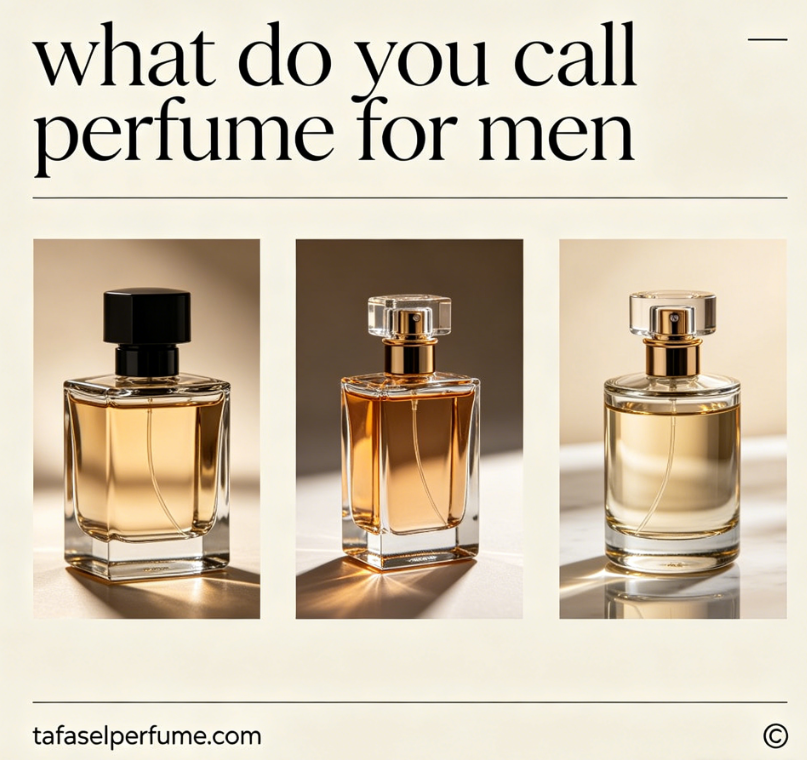
- What Do You Call Perfume for Men? · The Ultimate Lexicon of Masculine Fragrance: Short answer: Men’s perfume is most often called “cologne” (Eau de Cologne), “fragrance”, or simply “men’s perfume”. But the real name depends on concentration, culture, and occasion – from Eau de Toilette to Parfum and even “aftershave”. This guide unpacks every term, style, and story behind the scent.
Beyond the bottle: The world of men’s perfume is richer than a single word. While many say “cologne” as a catch‑all, the fragrance industry uses precise labels: Eau de Parfum, Eau de Toilette, Parfum Extrait, and Perfume Oil – each with different oil concentrations and longevity. In barbershops, you’ll hear “aftershave” or “splash”; in luxury boutiques, “fragrance” or “scent” is preferred. And let’s not forget niche terms like “attar” (traditional oil‑based) or “solid perfume”. This article dissects every name, origin, and usage, so you’ll never be at a loss for words when describing that woody, citrusy, or spicy elixir. We also explore how to choose the right one, the science of notes, and why the name matters more than you think.
In this guide (jump to section):
Cologne vs. Perfume · Eau de Toilette · Eau de Parfum · Parfum Extrait · Aftershave · Attar & Oil · Solid Perfume · Sport & Fresh · Woody & Spicy · Niche Fragrance · Seasonal Scents · History of Men’s Perfume
(click any title to jump)
① Cologne vs. Perfume – what’s the real difference?
What do you call perfume for men? Most people answer “cologne” – but that’s only half the story. Historically, Eau de Cologne (originating in Cologne, Germany) is a light, citrusy fragrance with 2–5% essential oils, designed to be splashed liberally. In contrast, “perfume” (or Parfum) contains 20–30% oil and lasts all day. For men, the term “cologne” has become a generic descriptor, especially in North America, but the fragrance industry differentiates by concentration, not gender. So, if you’re looking for a long-lasting scent, ask for Eau de Parfum or Parfum – even if the bottle says “for men”.
Interestingly, many modern men’s fragrances are labelled “Eau de Toilette” (10–15% oil) which offers a balanced lifespan of 4–6 hours. So, when you say “cologne” you might be referring to a specific concentration, but in everyday language, it’s simply the go‑to word for any men’s scent. Brands like Dior Sauvage, Bleu de Chanel, and Acqua di Giò are technically Eau de Toilette or Parfum, but they’re still called “cologne” by many. The takeaway: concentration defines the name – not gender.
② Eau de Toilette – the everyday classic
Eau de Toilette (EDT) is perhaps the most common term for men’s perfume. With 8–15% aromatic compounds, it offers a fresh, noticeable scent that lasts 3–5 hours. It’s lighter than Parfum, making it ideal for work, daytime events, and casual outings. The name itself comes from the French “toilette” (grooming), and it’s often the first step into the fragrance world for many men. Popular EDTs include Versace Pour Homme, YSL L’Homme, and Hugo Boss Bottled. If someone asks “what do you call perfume for men?” – answering “Eau de Toilette” shows you know your stuff, but in most stores, it’s simply “men’s fragrance” with an EDT concentration.
One key advantage of EDT is its versatility – it’s not overpowering, so you can reapply if needed. However, the lighter concentration means it projects well but fades faster than Eau de Parfum. For many men, EDT is the sweet spot: affordable, widely available, and perfectly suited for a signature scent.
③ Eau de Parfum – the modern powerhouse
Eau de Parfum (EDP) has become the gold standard for men who want presence and persistence. With 15–20% oil concentration, it lasts 6–8 hours and often has a richer, deeper dry‑down. The term “Parfum” in EDP doesn’t mean it’s feminine – it simply indicates higher intensity. In the men’s segment, EDP versions of classics like Dior Sauvage EDP, Bleu de Chanel EDP, and Armani Code EDP are best‑sellers. So, if someone asks “what do you call perfume for men that lasts all day?” – the accurate answer is Eau de Parfum.
Compared to EDT, EDP has a heavier base (often amber, leather, or patchouli) and feels more luxurious. It’s the ideal choice for evening events, colder months, or when you want your fragrance to be memorable. Many niche brands exclusively produce EDP concentrations, elevating them to “artisanal perfumery”. The price is higher, but the longevity and sillage (scent trail) justify the investment.
④ Parfum Extrait – the pure essence
Parfum Extrait (also called pure perfume or extrait) contains 25–40% oil – the highest concentration available. It’s opulent, long‑lasting (up to 12+ hours), and often comes in small, expensive bottles. For men, this is the ultimate statement of sophistication. Brands like Tom Ford, Clive Christian, and Roja Parfums offer Parfum Extrait for men. If you’re searching for the most accurate name, “Parfum” is technically the correct term, but the word “Extrait” signals an extra‑strength variant.
Because it’s so potent, only a dab or two is needed – applied to pulse points (wrists, neck, chest). It’s less commonly discussed in daily conversation, but for fragrance enthusiasts, “extrait” is the holy grail. When someone asks “what do you call the strongest men’s perfume?” – you reply Parfum Extrait.
⑤ Aftershave – the post‑shave classic
Aftershave is a term deeply rooted in men’s grooming. It traditionally refers to a scented lotion applied after shaving to soothe skin, with a lower fragrance concentration (1–3%). However, many men use “aftershave” interchangeably with “cologne”. Brands like Old Spice, Brut, and Pinaud Clubman have made aftershave synonymous with masculine scent. But technically, it’s a skincare product with a hint of fragrance – not a true perfume.
If you’re after a long‑lasting scent, aftershave won’t cut it. Yet, it remains a nostalgic and widely understood term, especially among older generations. In everyday conversation, “aftershave” is still a valid answer to “what do you call perfume for men?” – though it’s more about tradition than accuracy.
⑥ Attar – the ancient oil‑based tradition
Attar (or ittar) is a traditional, alcohol‑free perfume oil originating from the Middle East and South Asia. Made from natural ingredients like sandalwood, rose, oud, and musk, attar is highly concentrated and lasts for hours. For men, attars like Oud Attar, Royal Amber, or Musk Al Ghazal are common. When asked “what do you call perfume for men in the Middle East?” – the answer is often attar or dehn al oud.
Attar is applied via a glass applicator (swipe or dab) and has a more intimate sillage compared to alcohol‑based sprays. It’s gaining global popularity, especially among niche fragrance lovers. So, if you want a term that’s exotic and precise, “attar” is a beautiful answer.
⑦ Solid perfume – waxy and wonderful
Solid perfume is a beeswax‑based, portable fragrance that you apply with your finger. It’s often called “perfume balm” or “solid cologne”. For men, brands like D.S. & Durga, Lush, and Phoenix Artisan offer solid scents with notes of tobacco, vetiver, and cedar. The term “solid cologne” is particularly common in the USA, and it’s a great conversation starter. When someone asks “what do you call perfume for men that’s not a spray?” – solid perfume or balm is the perfect reply.
Solid perfumes are TSA‑friendly, long‑lasting on skin, and offer a controlled application. They are less projecting but highly personal – a subtle signature for the modern man.
⑧ Sport and fresh – energy in a bottle
Sport fragrances are a category, not a concentration. They often include aquatic, citrus, and minty notes, marketed for an active lifestyle. Examples: Lacoste L.12.12, Davidoff Cool Water, and Bvlgari Aqva. The name usually features “Sport” or “Extreme” to signal vitality. If someone asks “what do you call perfume for men who love the gym?” – you say sport fragrance or aquatic cologne.
These scents are usually EDT strength, designed to be refreshing and uplifting. They are the epitome of casual, everyday wear – especially in warm weather.
⑨ Woody and spicy – the archetypal men’s notes
While not a specific name, woody and spicy are descriptors that define many men’s perfumes. Sandalwood, cedar, patchouli, black pepper, and cardamom dominate. In the industry, these are called “masculine accords”. Fragrances like Hermès Terre d’Hermès, Gucci Guilty, and Spicebomb exemplify this style. When discussing “what do you call perfume for men with depth?” – it’s often woody oriental or spicy fougère.
These scents are timeless, powerful, and often associated with confidence. They perform well in cooler seasons and evening wear.
⑩ Niche fragrance – the artisan choice
Niche fragrance refers to perfumes created by independent houses that focus on artistry rather than mass appeal. For men, niche brands like Byredo, Le Labo, Diptyque, and Maison Francis Kurkdjian offer unique, unconventional scents. The term “niche” is widely used among enthusiasts. If someone asks “what do you call perfume for men that’s exclusive?” – the answer is niche perfume or artisanal fragrance.
These scents often use rare ingredients and have a cult following. They are more expensive but offer a distinct identity that stands out from department store classics.
⑪ Seasonal scents – fresh vs. warm
Men’s perfumes are often grouped by season: summer fragrances (citrus, marine, green) and winter fragrances (amber, tobacco, leather). So, you’ll hear terms like “summer cologne” or “winter parfum”. This is more of a category than a formal name, but it’s a common way to describe a scent’s character. If you’re asked “what do you call perfume for men for hot weather?” – say fresh aquatic or summer EDT.
Brands even release seasonal editions, like Dior Sauvage Very Cool Spray or Acqua di Giò Profondo – emphasizing the seasonal naming.
⑫ History – how names changed over time
Historically, men’s perfume was simply called “scent” or “eau” (water). In the 18th century, Eau de Cologne became the universal term for men’s fragrance. By the 20th century, “aftershave” and “toilet water” dominated. Today, we have a rich vocabulary: Eau de Parfum, Parfum, Extrait, cologne, splash, spray, body mist (rare for men), and fragrance. The question “what do you call perfume for men?” has evolved – and the answer depends on who you ask and where you are.
Modern marketing leans towards “men’s fragrance” as a neutral, gender‑inclusive term, while traditionalists still say “cologne”. Understanding this history helps you navigate the fragrance world with confidence – and impress your friends with your scent vocabulary.
© 2026 · What Do You Call Perfume for Men – the definitive guide.


