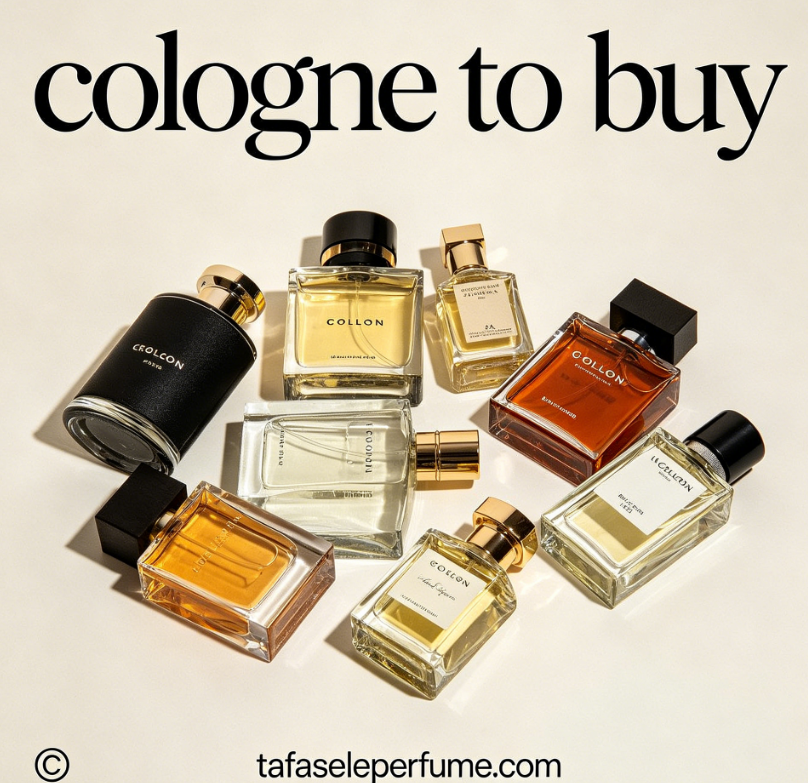
- Cologne to Buy: The olfactory architecture of identity & presence: Short intro · Finding the right cologne is more than a purchase — it’s a silent autobiography. Whether you seek crisp citrus, smoky woods, or aquatic freshness, the cologne you wear becomes your invisible signature. This guide distills the art of choosing, testing, and owning a scent that feels like an extension of yourself.
Long intro · Cologne is the most intimate accessory you will ever own. It does not shout; it lingers. It does not demand attention; it invites curiosity. The fragrance you choose speaks before you utter a single word — it tells stories of memory, mood, and desire. Yet the sheer volume of bottles on the market can overwhelm. From fresh eaux de cologne to intense parfums, from minimalist blends to complex oriental compositions, the journey to cologne to buy is a ritual of self-discovery. This article unravels the layers: we explore fragrance families, longevity, occasion, and the subtle alchemy of skin chemistry. We also examine how to navigate the modern perfume landscape — from niche houses to designer classics — so your next bottle is not just a purchase, but a perfect match. Below, we break down everything you need to know, with practical advice and a curated selection of principles that will transform the way you approach scent.
Contents · navigate the scent blueprint
1. The fragrance family matrix: where cologne begins 2. Concentration & longevity: eau de cologne vs. eau de parfum 3. Skin chemistry & the personalisation factor 4. Occasion, season & the art of versatility 5. Niche vs. designer: what your cologne says 6. Testing like a perfumer: the proper way to sample 7. The silent rituals: applying & storing cologne1. The fragrance family matrix: where cologne begins
Every cologne belongs to a fragrance family — citrus, woody, oriental, floral, fougère, chypre, or aquatic. These families are the vocabulary of perfumery. Citrus colognes burst with bergamot, lemon, and orange, delivering a sparkling, energising effect; perfect for daytime and warm weather. Woody compositions lean into cedar, sandalwood, and vetiver, offering grounding and sophistication. Oriental scents weave vanilla, amber, and spices — sensuous, warm, and often long-lasting. Floral colognes, though less common in men’s fragrances, appear in unisex and modern blends, adding elegance and softness. Fougère, built on lavender, coumarin, and oakmoss, is the classic barbershop profile — clean, green, and masculine. Chypre, with its citrus top and mossy base, feels retro yet timeless. Aquatic notes (calone, marine accords) evoke sea breeze and freshness. Understanding these families narrows your search. When you decide on a cologne to buy, start with the family that resonates with your personality. For a crisp, vibrant presence, citrus or aquatic works beautifully. For depth and mystery, woody or oriental is your ally. The family is the foundation — everything else builds upon it.
Coconut & Hibiscus Perfume: The Tropical Symphony of Contrasts
Musky Fruity Perfume · The Architecture of Radiant Contradiction
Amber & Musk · The Olfactory Architecture of Warmth, Skin & Eternity
2. Concentration & longevity: eau de cologne vs. eau de parfum
Concentration dictates both intensity and endurance. Eau de Cologne (EDC) contains 2–5% perfume oil; it is light, refreshing, and lasts 2–3 hours. Eau de Toilette (EDT) has 5–15% oil, offering a balanced presence for 4–6 hours. Eau de Parfum (EDP) ranges 15–20% — richer, with 6–8 hours of performance. Parfum (extrait) exceeds 20% and can linger beyond 12 hours. When you search for a cologne to buy, consider your lifestyle: if you want a signature scent that evolves throughout the day, EDP is a reliable choice. For gym, work, or casual outings, EDC or EDT provides freshness without overwhelming. However, concentration is not the only factor — ingredients matter. Citrus and aquatic notes evaporate faster, while woods, resins, and musks anchor the fragrance. The same cologne in different concentrations can smell radically different, as the ratio of top, heart, and base notes shifts. Always test the concentration you intend to buy. Longevity is also influenced by skin type, humidity, and application points. For maximum performance, apply to pulse points (wrists, neck, behind ears) and consider layering with matching body lotion.
Salvatore Ferragamo Cologne Gift Set: Timeless Elegance in a Box
3. Skin chemistry & the personalisation factor
Your skin’s pH, temperature, and oiliness transform how a cologne develops. A fragrance that smells divine on paper may turn sharp or powdery on your skin. This is why blind buying is risky. The same cologne can project citrus on one person and creamy vanilla on another. Always test on your skin and wait at least 30 minutes for the dry-down. The top notes fade, the heart emerges, and the base anchors — this is the true character of the fragrance. When you are ready to choose a cologne to buy, sample two or three at a time, on different areas, and avoid rubbing the wrists (friction breaks the molecules). Keep a notebook to track your impressions. Also, consider the weather: humid heat amplifies projection, while cold air can mute top notes. Skin chemistry is also affected by diet, medication, and even stress. It is a living canvas. Brands like Tafaseel and niche houses often offer discovery sets — a perfect way to test multiple compositions without committing to a full bottle. Embrace the variability; it is what makes scent so personal.
COLOGNE SPORT · CHANEL: The Essence of Athletic Elegance
Club de Nuit Perfume · The Nocturnal Architecture of Magnetic Allure
4. Occasion, season & the art of versatility
Matching cologne to occasion is an undervalued skill. Fresh, citrusy, or aquatic scents shine in spring and summer — they feel light, energetic, and socially agreeable. Woody, spicy, or amber-rich compositions are ideal for autumn and winter, when warmth and depth are welcome. For work, choose a clean, moderate projection: fougère, citrus-aromatic, or soft musks. For evenings and dates, oriental, leather, or smoky notes create intrigue and sensuality. However, versatility is key — many fragrances blur the lines. A fresh vetiver or a bright lavender can work across seasons. When you are looking for a cologne to buy, think about your weekly routine. If you need one signature bottle, aim for a versatile profile — e.g., citrus-woody or aromatic-spicy — that adapts to day and night, office and leisure. If you are building a collection, consider a rotation: a freshie for daytime, a sophisticated scent for formal events, and a bold statement for evenings. Also, consider longevity in relation to occasion: a light EDC for a casual brunch, a robust EDP for an all-day meeting. Ultimately, the best cologne is the one that makes you feel confident and aligned with the moment.
Curve Soul Perfume: The Scented Architecture of Unspoken Identity
ARS Fort Pierce: Where Coastal Breeze Meets Artisanal Perfumery
Bvlgari White Tea Shower Gel · The Silent Architecture of Serenity
5. Niche vs. designer: what your cologne says
Designer fragrances (Chanel, Dior, Armani) are crafted for broad appeal, with polished compositions and reliable performance. They are accessible, often less expensive, and easy to wear. Niche perfumery (e.g., Creed, Byredo, Tafaseel) focuses on artistry, rare ingredients, and unconventional blends. Niche colognes often have a distinct character — they may challenge, surprise, or polarise. They are for those who see fragrance as self-expression rather than mere grooming. When deciding on a cologne to buy, consider what you value: comfort and familiarity, or uniqueness and discovery? Both are valid. Many collectors own a mix. Niche scents tend to have higher concentration and complexity, but designer classics are timeless for a reason. Also, the price difference reflects ingredients, packaging, and marketing. However, a higher price does not guarantee you will love it. Test without prejudice. Some of the best colognes are affordable gems from classic houses. Explore rankings and reviews, but ultimately trust your nose. Scent is subjective — your preference is the only metric that matters.
6. Testing like a perfumer: the proper way to sample
Do not spray a strip and decide in five seconds. The perfumer’s method: spray on a blotter, smell immediately (top notes), then after 10 minutes (heart), and after 30 minutes (base). Then apply on skin — one spray on the inner forearm, another on the back of the hand. Do not rub. Smell at intervals. Compare side by side with other candidates. Limit to three fragrances at a time, as your nose fatigues. Take breaks — sniff coffee beans or neutral air. When you find a promising cologne to buy, wear it for a full day. Notice how it interacts with your body heat, how it projects, and how you feel about it hours later. Ask a trusted friend for their impression. Also, consider the sillage (trail) and projection — do you want a scent that announces your arrival or one that whispers? Sampling is a patient process, but it prevents regret. Many retailers and brands offer samples or discovery sets — invest in these before buying a full bottle. And remember: your perception changes with mood and environment, so revisit a fragrance on different days. The right cologne will reveal itself gradually.
7. The silent rituals: applying & storing cologne
Application and storage significantly affect a cologne’s lifespan and performance. Apply after a shower, when skin is slightly damp — this helps lock in the scent. Pulse points are warm areas: wrists, inner elbows, behind the knees, and neck. For a subtle aura, spray once on the chest or back of the neck. Avoid rubbing wrists together, as it breaks down the top notes. Do not overspray — two to four sprays are usually sufficient, depending on concentration. For storage, keep bottles away from direct sunlight, heat, and humidity. A dark, cool cupboard is ideal. Heat and light degrade the molecules, altering the fragrance. Close the cap tightly after each use. Many colognes improve with age (macerate), but most are designed to be used within 3–5 years. If you notice colour changes or a sour note, it may have turned. When you select a cologne to buy, factor in how you will store it — a beautiful bottle may tempt you to display it, but your scent will thank you for the dark drawer. Finally, apply with intention. Scent is a ritual; it grounds you before you step into the world.
Frequently Asked Questions about cologne to buy
For daily wear, look for fresh, versatile scents with moderate projection — citrus-aromatic, aquatic, or clean fougère. Examples include Men’s Perfume collections and timeless classics like Chanel’s Cologne Sport. Test on skin and choose a concentration (EDT or EDP) that suits your day length.
Start by visiting a store and sampling across families. Note what you are drawn to — citrus, woods, or spices. Avoid buying on first impulse. Buy discovery sets from niche or designer houses. Read articles like Coconut & Hibiscus to understand notes. And remember: there is no “best” — only what resonates with you.
Eau de Cologne has a lower concentration (2–5%) and lasts 2–3 hours; Eau de Parfum (15–20%) lasts 6–8 hours. EDP is richer and more intense. For a cologne to buy that lasts all day, EDP is recommended. See section 2 for detailed breakdown.
Both have merits. Designer colognes are reliable, affordable, and widely liked. Niche fragrances are unique, artistic, and often use rare ingredients. If you want a signature scent that few others have, explore niche. For everyday elegance, designer is a safe bet. Unisex perfumes also offer a modern middle ground.
Absolutely. Skin chemistry (pH, temperature, oil) alters how notes develop. Always test on your own skin. A fragrance that smells amazing on a friend might turn powdery or sharp on you. Trust your own experience.
Typically 2–4 sprays: one on each wrist, one on the neck, and optionally one on the chest. For stronger scents, start with 2 and assess. Over-spraying can be overwhelming and may cause olfactory fatigue.
Store in a cool, dark, dry place away from sunlight and humidity. Keep the cap on tightly. Avoid bathrooms with fluctuating temperatures. Proper storage preserves the integrity of the fragrance.
In-store allows you to sample and test. Online offers convenience and often better prices. A hybrid approach: test in-store, then buy online from reputable retailers. Always check return policies and authenticity. Tafaseel’s brand page is a reliable source.
Sillage is the trail a fragrance leaves behind. It reflects projection and presence. For a cologne to buy, consider whether you want a strong sillage (noticeable) or a intimate one (close to skin). Both are valid depending on context.
Yes, many fragrances are unisex — blending citrus, woods, and spices in balanced ways. Unisex perfumes are increasingly popular. Explore and choose what you love, regardless of gender labels.
Explore more: Beauty · Tafaseel Collection · Ranking · Body Art · Makeup Tools · Hair Extensions


