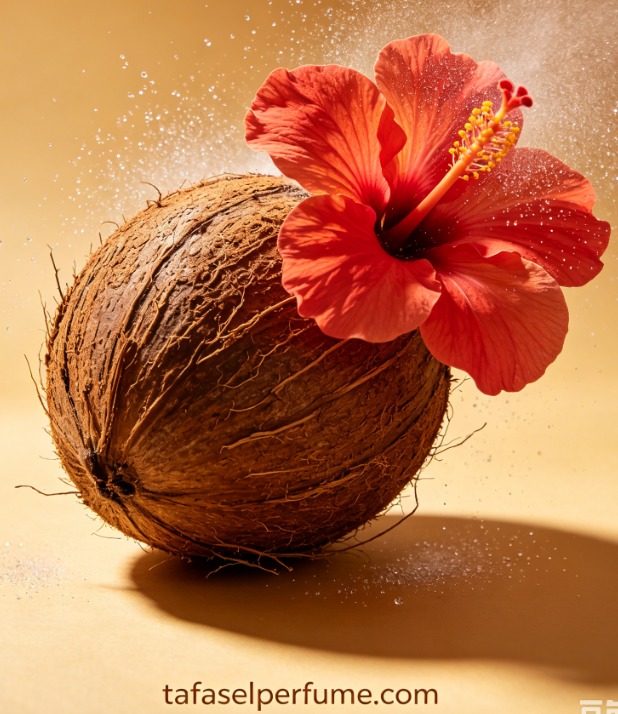
- Coconut & Hibiscus Perfume: The Tropical Symphony of Contrasts: Coconut and hibiscus perfume is an olfactory dialogue between sun-drenched creaminess and radiant, floral acidity—a fragrance family that captures the essence of an eternal summer. It balances the comforting, milky sweetness of coconut with the bright, almost tart vibrancy of hibiscus, creating a scent that is both luxurious and effortlessly spirited.
This is not merely a tropical cliché; it is a sophisticated juxtaposition. The lush, gourmand warmth of coconut provides a velvety foundation, while the hibiscus acts as a floral sunburst, cutting through the richness with its tangy, wine-like notes. Together, they compose a fragrance that is as complex as it is immediately appealing, embodying a sense of escape, vitality, and understated glamour. In the world of modern perfumery, this duo represents a masterclass in contrasts, where comfort meets vivacity, and the familiar is rendered extraordinary.
Table of Contents
- 1. The Allure of Coconut and Hibiscus: An Olfactory Overview
- 2. The Creamy Embrace: Decoding Coconut Notes in Perfumery
- 3. The Floral Spark: Understanding the Vibrancy of Hibiscus
- 4. The Perfect Marriage: Why These Two Notes Harmonize So Beautifully
- 5. Beyond the Beach: The Versatility of this Tropical Duo
- 6. Coconut and Hibiscus in Niche and Designer Fragrances
Women Perfume Calvin Klein · The Architecture of Understated Allure
Alexander IV Perfume: The Gilded Alchemy of Scent
1. The Allure of Coconut and Hibiscus: An Olfactory Overview
The combination of coconut and hibiscus is more than a mere trend—it is a sensory journey. Coconut, with its rich, fatty, and slightly sweet profile, evokes a sense of comfort, nostalgia, and warmth. It’s the olfactory equivalent of sun-kissed skin and creamy piña coladas. Hibiscus, conversely, is a floral note that defies convention. Unlike the soft, powdery nature of roses or the indolic depth of jasmine, hibiscus carries a sharp, cranberry-like tartness and a subtle, wine-like undertone. This creates a dynamic tension. The coconut anchors the composition, preventing the hibiscus from becoming too shrill, while the hibiscus lifts the coconut, preventing it from becoming too heavy or cloying. The result is a vibrant, luminous, and unforgettable accord that speaks of exotic locales and untamed beauty. It is a fragrance that manages to be both soothing and exhilarating, a paradoxical blend that encapsulates the very essence of tropical paradise, yet feels modern and relevant for any occasion.
Aeropostale Perfume Hombre: The Definitive Guide to the Modern Masculine Sce
New Valentino Perfume For Women · The Renaissance of Haute Couture Scent
2. The Creamy Embrace: Decoding Coconut Notes in Perfumery
In the perfumer's palette, coconut is a chameleon. It is often divided into several facets: the fresh, green, watery scent of coconut water; the sweet, nutty, and milky aroma of coconut milk; and the rich, oily, and almost buttery scent of coconut meat and oil. When paired with hibiscus, perfumers typically favor the latter two, as they provide the necessary body and richness to counterbalance the floral's acidity. The quality of coconut in a fragrance is paramount. A synthetic, candied coconut can feel cheap and overwhelming, whereas a naturalistic or well-blended coconut note offers a creamy, lactonic texture that feels luxurious and comforting. This note often works in tandem with other complementary ingredients like vanilla, tonka bean, or sandalwood, which enhance its creaminess, or with citrus and marine notes to add freshness. In the context of hibiscus, the coconut note serves as the foundation, the "body" of the perfume, allowing the floral to dance on top without losing its grounding in warmth and sensuality. It is this interplay between the grounding and the effervescent that makes the combination so compelling.
Mens Lacoste Cologne: The Sportive Signature of Refined Masculinity
Dolce & Gabbana Pour Femme EDP · The Silent Lexicon of Italian Femininit
3. The Floral Spark: Understanding the Vibrancy of Hibiscus
Hibiscus is the unexpected protagonist in this fragrant story. As a perfume note, it is rarely used in its purely singular form; rather, it is a complex accord that mimics its characteristics. The scent of a real hibiscus flower is subtle, but its essence in perfumery is amplified. It is characterized by a sharp, acidic, and fruity-floral profile, often reminiscent of cranberries, raspberries, or even a dry red wine. This is due to the presence of organic acids in the flower. The hibiscus note brings a brilliant, almost electric energy to the fragrance. It is not a demure floral; it is bold, extroverted, and unapologetically vibrant. When combined with coconut, it acts as the perfect foil—the yin to the yang. It prevents the composition from being solely sweet and edible, introducing a tart, sophisticated edge that elevates the entire scent. This makes the fragrance suitable not just for the beach, but also for a sophisticated daytime event or a romantic evening. The hibiscus note ensures that the perfume feels fresh, alive, and continuously evolving on the skin.
Cheap · The Art of Luxurious Thrift
4. The Perfect Marriage: Why These Two Notes Harmonize So Beautifully
The beauty of the coconut and hibiscus pairing lies in their chemical and emotional complementarity. On a chemical level, the heavy, long-chain molecules of the coconut lactones provide a stable, diffusive base, while the lighter, more volatile molecules of the hibiscus accord provide the initial burst and the lasting, sparkling top- and mid-notes. This structure ensures a perfume that has both a powerful opening and a lingering, memorable dry-down. Emotionally, the accord plays on the universal desire for escapism and happiness. The coconut evokes memories of lazy days and tropical treats, while the hibiscus introduces an element of the wild, untamed beauty of nature. Together, they create a feeling of carefree luxury. Perfumers often enhance this marriage with supporting notes like sea salt for a marine, aquatic feel, or ginger and pink pepper to add a spicy, fizzy quality that accentuates the hibiscus's vibrancy. The marriage is a masterclass in balance—never too sweet, never too tart—resulting in a fragrance that feels both familiar and exotic, simple and complex. It is this beautiful tension that makes it an enduring and beloved combination.
Magnificent Perfume · The Silent Lexicon of Scented Architecture
Obsession Aftershave for Men · The Gilded Code of Enduring Charisma
5. Beyond the Beach: The Versatility of this Tropical Duo
While the coconut and hibiscus perfume is an archetypal "vacation in a bottle," its contemporary interpretations have rendered it remarkably versatile. Modern perfumery often deconstructs the tropical cliché by pairing these notes with unexpected, grounding elements. For instance, the addition of woody notes like cedar or vetiver introduces a serious, earthy dimension, making the fragrance suitable for a corporate environment. A touch of amber or benzoin lends a sophisticated warmth that is perfect for an evening gala. Furthermore, the use of citrus top notes—like lime, bergamot, or grapefruit—can create a refreshing, zesty version that is ideal for spring and summer daywear. The key to this versatility lies in the dosage. A subtle coconut and hibiscus scent can be a signature, an understated whisper of elegance, while a more potent version can be a bold statement. This duality allows the fragrance to transition seamlessly from a casual brunch to a sunset cocktail party, proving that the tropical duo is not confined to the beach but is a sophisticated player in the world of fine fragrance.
Le Parfum Opium · The Scent of Rebellion & Timeless Elegance
6. Coconut and Hibiscus in Niche and Designer Fragrances
Both niche perfumers and major design houses have explored the coconut and hibiscus pairing, each bringing a unique perspective. In the designer realm, the interpretation is often more accessible and commercial, favoring a sweet, candy-like coconut and a bright, fruity hibiscus, resulting in a universally appealing, youthful scent. These fragrances often focus on the "summer vibe" and are marketed as feel-good, mood-boosting elixirs. Niche fragrances, on the other hand, tend to push the boundaries. They may explore the more bitter, green aspects of coconut husk or the deeper, more wine-like, and even slightly metallic facets of hibiscus. These versions are often more complex, layered with unusual notes like cumin, leather, or oakmoss to create a more daring, artistic, and less literal interpretation of the tropical theme. This contrast highlights the remarkable flexibility of the duo. Whether presented as a straightforward, joyful floral-gourmand or as an avant-garde, sophisticated composition, the combination remains inherently intriguing and deeply satisfying, proving its worth as a versatile and enduring pillar in the fragrance world.
1 Million Cologne Red · The Gilded Code of Rebellious Elegance
Coach Poppy Fragrance Mist · The Bloom of Effortless Confidence
Frequently Asked Questions about Coconut and Hibiscus Perfume
1. Is coconut and hibiscus perfume only suitable for summer?
No, while it is a fantastic summer scent, modern compositions that include woody, amber, or spicy notes make it suitable for all seasons, especially for those who love vibrant, uplifting fragrances.
2. What does hibiscus smell like in perfume?
Hibiscus in perfume is not a single note but an accord. It is often described as tart, fruity, and floral, with a slight cranberry or red wine-like acidity, providing a vibrant and sophisticated edge.
3. Can men wear coconut and hibiscus perfume?
Absolutely. Many unisex or even masculine-leaning fragrances incorporate these notes, often balancing the sweetness with marine, spicy, or woody elements, creating a fresh and dynamic scent profile.
4. How long does a coconut and hibiscus perfume typically last?
Longevity depends on the concentration (EDT vs. EDP) and the specific formula. The coconut note, being heavier, often provides a good base that can last several hours, while the hibiscus may fade sooner.
5. What other notes pair well with coconut and hibiscus?
They pair beautifully with vanilla, sea salt, ginger, pink pepper, sandalwood, vetiver, citrus (lime, bergamot), and amber, each enhancing a different facet of the composition.
6. Is it considered a gourmand fragrance?
It can be, especially when the coconut is very sweet and creamy. However, the tartness of the hibiscus often prevents it from being purely gourmand, placing it in the floral-gourmand or fruity-floral category.
7. Are there any iconic perfumes with this combination?
Yes, several designer and niche brands have explored this popular pairing. While specific names change seasonally, the accord is a staple in the "tropical" or "summer" fragrance collections of many luxury houses.
8. Where is the best place to apply this perfume?
Apply to pulse points like the wrists, behind the ears, and the base of the throat. To prolong the fragrance, you can also lightly spritz it on your clothes or hair.
9. Is this a good choice for a signature scent?
Yes, its unique balance of warmth, sweetness, and vibrancy makes it both distinctive and highly approachable. A well-chosen coconut and hibiscus perfume can be a beautiful and uplifting signature.
10. Does this scent suit all skin types?
Like all fragrances, it reacts differently based on skin chemistry. It tends to perform well on most skin types, with the warmth of the skin helping to diffuse the coconut note beautifully.
Eau de Parfum Dolce & Gabbana — The Art of Italian Glamour
Iconic Paris Hilton Perfume: The Fragrance That Defined a Millennium


