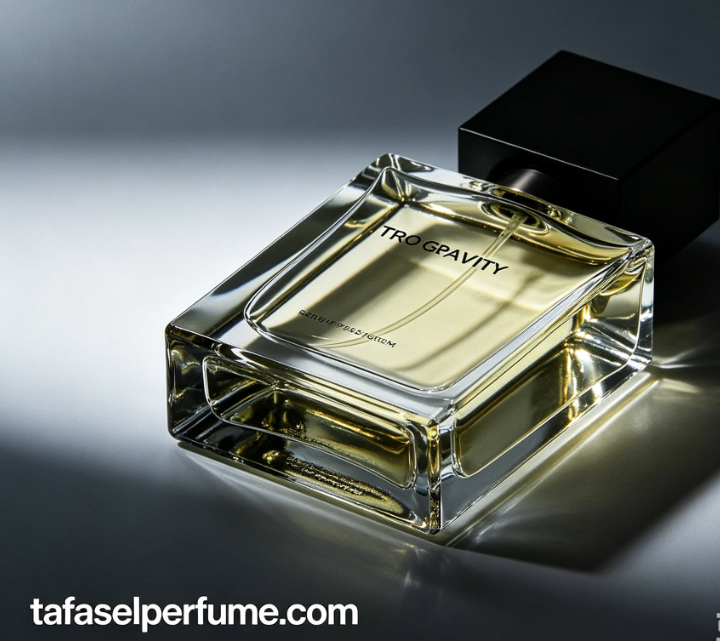
- Try Gravity · The Scented Architecture of Weight & Lightness: Try Gravity — not as a force, but as a fragrant counterbalance. Where amber pulls you down, citrus lifts you up, and every note is a quiet experiment in olfactory physics.
Try Gravity is the art of balancing weightless top notes with deep, resinous anchors. It’s the tension between air and earth, captured in a bottle. A single spritz redefines presence.
In perfumery, gravity is not a law—it is a sensation. Try Gravity explores how a fragrance can feel both grounded and ethereal, dense yet translucent. Think of a scent that starts with a bright, almost volatile citrus burst (bergamot, litsea), then slowly descends into a warm, musky base that clings to skin like a second memory. This is not about heavy perfumes; it’s about perfumes that know their weight. From the smoky pull of guaiac wood to the floaty tenderness of iris, every composition becomes a study in contrast. We invite you to try gravity—not to fall, but to float, anchored by scent.
⏺ contents — try gravity
1. The pull of patchouli 2. Citrus & levity 3. Amber as anchor 4. The drift of white flowers 5. Musk & skin gravity 6. Woody declination 7. Oud: heavy lightness 8. Spice & thermal rise 9. Aquatic suspension 10. Gourmand density 11. Iris & powder float 12. The green counterweight1. The pull of patchouli
Try Gravity begins with patchouli — a note that seems to carry its own gravitational field. Earthy, dark, and slightly sweet, patchouli doesn't just sit on skin; it pulls the composition downward, creating a dense, almost hypnotic core. In many oriental fragrances, patchouli acts as the anchor that prevents volatile top notes from escaping too quickly. When you try gravity through patchouli, you experience a scent that feels both rooted and mysterious, like moist soil after rain. Perfumers often pair it with vanilla or amber to amplify its weight, but when left bare, it offers a raw, magnetic pull that is impossible to ignore.
Interestingly, patchouli’s heaviness is not cloying—it’s comforting. It wraps around the wearer like a warm, dark blanket. Modern interpretations use fractionated patchouli to lighten its density, yet the essence remains: a fragrant gravity that grounds every other note. Try it with a touch of bergamot, and you’ll witness how lightness and weight dance in perfect tension.
2. Citrus & levity
If patchouli is gravity, citrus is the anti-gravity. Try Gravity in its brightest form: bergamot, lemon, grapefruit—they shoot upwards, effervescent and almost volatile. These notes defy the pull of the base, creating a fleeting, shimmering top that lasts only minutes but leaves a lasting impression. In fine perfumery, citrus is the opening act that invites you into the world of the fragrance, a sudden lift that makes you feel lighter. Yet, even in its flight, citrus is balanced by a subtle bitterness (from pith or petitgrain) that hints at a deeper structure. This is the beauty of try gravity: even the lightest notes carry a whisper of weight.
When layered over a woody or musky base, citrus doesn't just evaporate—it leaves a trail of freshness that alters the perception of the heavier notes. It’s the olfactory equivalent of a sigh, a moment of levity before the descent.
3. Amber as anchor
Amber is the quintessential gravity note. Warm, resinous, and balsamic, it doesn't float—it settles. Try Gravity through amber means embracing a scent that feels like skin after sun, a golden, slightly salty warmth that clings and radiates. Unlike patchouli’s earthiness, amber is radiant heat; it pulls you inward, creating a cocoon of comfort. Perfumers use amber accords (labdanum, vanilla, benzoin) to give body to floral or citrus compositions, ensuring they don't vanish into thin air. When you try gravity in an amber-forward fragrance, you experience a scent that is both intimate and expansive—like a glowing ember that never burns out.
4. The drift of white flowers
White flowers—jasmine, tuberose, gardenia—possess a peculiar gravity. They are heavy, almost intoxicating, yet they float on the skin like a veil. Try Gravity with tuberose, and you'll feel a scent that is simultaneously lush and airy, its weight derived from indolic richness that pulls the nose closer. These flowers are opulent, but their gravity is not downward—it's expansive, filling a room with a dense, perfumed cloud. In a composition, white flowers are often balanced with green or citrus notes to prevent them from becoming overwhelming. The gravity here is one of presence, not of mass.
5. Musk & skin gravity
Musk is the invisible gravity of perfume. It doesn't smell like a note; it smells like skin, warmth, and intimacy. Try Gravity with clean musks (white musk, ambrette) and you'll notice a subtle pull—not heavy, but adhesive, making the fragrance last longer and feel more personal. Musk molecules are large and slow-moving, which gives them a prolonged trail. They anchor lighter notes, creating a second-skin effect. In many modern fragrances, musk is the unsung hero that gives depth without overt weight, a quiet gravity that makes the scent feel alive.
6. Woody declination
Woods like cedar, sandalwood, and vetiver have a natural, solid gravity. Try Gravity in a woody context: cedar is dry and pencil-like, yet it grounds a fragrance with its crisp, enduring presence. Sandalwood is creamy and dense, almost buttery, pulling the scent into a smooth, lasting base. Vetiver, with its smoky, rooty character, adds a raw, earthy weight. These woods are the architectural pillars of many compositions, providing structure and longevity. When you wear a woody fragrance, you're literally experiencing the weight of nature—a gravity that is both familiar and profound.
7. Oud: heavy lightness
Oud is the paradox of gravity. It is intensely heavy—resinous, animalic, and smoky—yet it can feel airy when used in small doses. Try Gravity with oud, and you enter a world of contrasts. The weight of agarwood is almost palpable; it sits on the skin like a dark jewel. But modern perfumery has learned to distill oud into lighter fractions, creating a scent that is both dense and diffusive. Oud's gravity is emotional, evoking luxury and mystery. It pulls you into its depth, but also lifts you with its sheer complexity.
8. Spice & thermal rise
Spices—cinnamon, cardamom, pepper—bring a different kind of gravity: thermal. They create a sensation of warmth that feels like it rises, yet their molecular weight keeps them close to the skin. Try Gravity with cardamom, and you'll notice a cool-warm buzz, a subtle pull that activates the senses. Spices are often used as bridges between top and base notes, adding a kinetic energy that prevents the fragrance from feeling static. Their gravity is not heavy; it's active, like a gentle heartbeat.
9. Aquatic suspension
Aquatic notes—calone, marine aldehydes—challenge traditional gravity. They feel weightless, like water, yet they have a distinct presence. Try Gravity in an aquatic fragrance: it's the scent of a sea breeze, light but carrying the saltiness of deep water. These notes hover, creating a shimmering, almost crystalline effect. They don't pull down; they suspend, offering a buoyant freshness that defies heaviness. When paired with a woody or musky base, aquatics create a beautiful tension between floating and sinking.
10. Gourmand density
Gourmand notes—vanilla, tonka, caramel—are the ultimate sweet gravity. They are dense, rich, and cling to the skin like honey. Try Gravity with vanilla, and you experience a scent that is both comforting and opulent, its weight derived from its edible, creamy texture. These notes are often used to add body to otherwise light compositions, creating a sense of indulgence. The gravity of gourmands is visceral; it reminds us of warmth, food, and pleasure.
11. Iris & powder float
Iris is the feather of the perfume world. It has a powdery, cool weight that feels almost suspended. Try Gravity with iris or orris root: it's a dusty, elegant scent that floats above the skin while still being anchored by its rooty origin. Iris is often used to add a soft, vintage elegance, a gravity that is refined and subtle—like a silk scarf that gently settles.
12. The green counterweight
Green notes—galbanum, violet leaf, grass—provide a fresh, almost sharp gravity. Try Gravity with galbanum, and you get a resinous, green bite that cuts through sweetness, acting as a counterbalance. These notes are crisp and vibrant, yet they have a structure that prevents them from being too fleeting. They ground a fragrance with a natural, outdoorsy weight, a reminder that gravity is everywhere—even in a leaf.
FAQ · try gravity
It refers to the perceptual weight of a fragrance—how heavy or light it feels on the skin, and how notes interact to create a sense of balance between depth and airiness.
Not at all. It's about any perfume that has a distinct presence—whether light, heavy, or in between. Even an airy cologne can have a "gravity" through its longevity or sillage.
Absolutely. Layering a heavy base (amber, oud) with a light top (citrus, aquatic) is the perfect way to experience the push and pull of fragrant gravity.
Patchouli, amber, musk, and vanilla are classic heavy anchors. On the lighter side, citrus, aldehydes, and some florals provide lift.
Skin pH and temperature can make a fragrance feel heavier or lighter. Warm skin amplifies base notes, intensifying the "gravity."
It's more a conceptual lens—a way to understand fragrance architecture. It's always been present, but now it's named and explored as an aesthetic.
Yes. Even a fresh scent can have gravity through its base—like a marine scent with ambergris, or a citrus with a woody undertone.
Spray two contrasting perfumes (one light, one heavy) on different arms and compare how they feel over time. Notice the weight, the trail, and the evolution.


