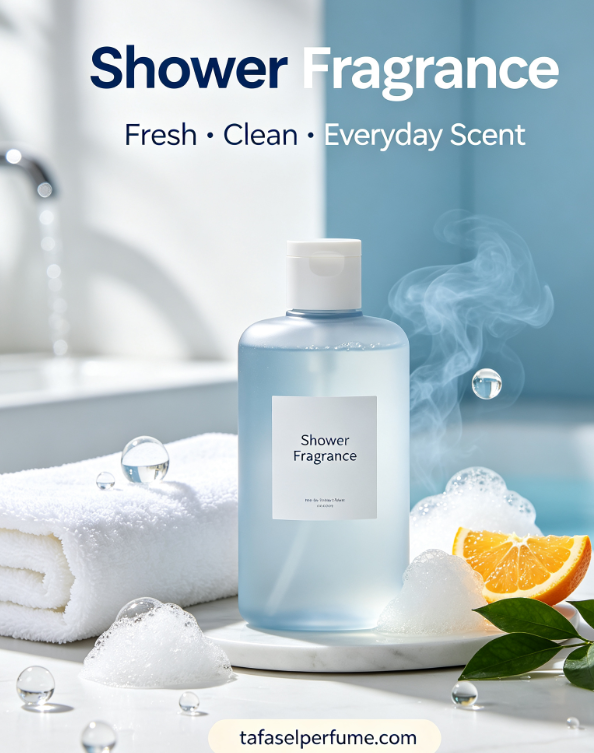
- Shower Fragrance · The Velvet Architecture of Mist, Memory & the Sillage of Water: Shower fragrance is not a fleeting steam—it is an olfactory architecture where water, warmth, and botanical alchemy conspire to leave a silken whisper on the skin. More than a morning rinse, it is the first layer of your invisible wardrobe.
Shower fragrance redefines the boundary between cleansing and perfuming. In the humid theatre of the bathroom, essential oils, emulsified resins, and crystalline musks bloom with the heat, releasing a soft, immersive aura that clings to damp skin long after the towel. Unlike alcohol-based sprays that announce themselves, a shower fragrance is intimate—it unfolds in layers, from the top notes that fizz with citrus and green herbs to the heart of velvety florals, and finally the base of amber, sandalwood, or clean white musk that settles like a second skin. It is the ritual of turning water into memory, transforming the everyday act of washing into a personal ceremony of renewal. Whether you reach for a translucent gel, a milky emulsion, or a crystalline oil, the modern shower fragrance is engineered to survive the steam, to bond with the skin’s natural pH, and to echo through the day as a subtle, unspoken signature of grace.
· chapters ·
1. The Hydro-Olfactory Ritual: Why Shower Fragrance Differs from Parfum
2. Steam & Sillage: The Physics of Scent in Hot Water
3. Ingredients that Sing in the Mist: Citrus, Florals, and Clean Musks
4. Shower Gels vs. Body Washes vs. Fragrance Oils — The Spectrum
5. The Art of Layering: Shower Fragrance as the Prelude to Perfume
6. Minimalist Elegance: Unisex Shower Fragrances for Modern Rituals
7. The Sillage of Water: How to Make Your Shower Scent Last All Day
1. The Hydro-Olfactory Ritual: Why Shower Fragrance Differs from Parfum
Shower fragrance is an entirely different olfactory category. While fine perfume is designed to project from the skin in dry conditions, shower fragrance is formulated to survive—and even thrive—in a high-humidity, warm environment. The emulsifiers and surfactants that carry the scent are milder, allowing the fragrance to bloom as steam rises. Think of it as the difference between a bold painting and a watercolour: both beautiful, but one is meant to be seen in daylight, the other in the soft glow of morning mist. Eau Perfume Meaning · The Velvet Architecture of Sillage & Unspoken Gran highlights how concentration affects sillage, but shower fragrance relies on heat and moisture to release its story. The skin becomes a canvas, and the water, the brush.
2. Steam & Sillage: The Physics of Scent in Hot Water
Warm water opens the pores and increases blood circulation, which in turn raises skin temperature. This thermal boost amplifies the volatility of the fragrance molecules—especially the lighter citrus and green notes. The result is a burst of freshness that feels almost three-dimensional. However, the heavier base notes, like amber or sandalwood, are released more slowly, ensuring that the scent doesn't disappear with the steam but rather lingers as a gentle veil. This phenomenon is why a good shower fragrance can feel like a private cloud of scent. For a deeper dive into the architecture of sillage, From Sacred Smoke to Liquid Gold: The Epic History of Perfumes and Fragrance provides a historical backdrop to our modern obsession with lingering trails.
3. Ingredients that Sing in the Mist: Citrus, Florals, and Clean Musks
The most successful shower fragrances lean into ingredients that perform well in wet conditions. Bergamot, lemon, and grapefruit offer an immediate, effervescent lift. Floral notes such as peony, neroli, and magnolia become softer and more translucent when combined with water, while clean musks and ambrette seeds provide a creamy, skin-like warmth that feels like a second skin. Many niche brands now use hydro-distilled essences—oils extracted specifically for their steam compatibility. This ensures that the fragrance doesn't turn sharp or soapy but remains elegant and refined. For those who appreciate the art of perfume, Delina Parfum de Marley · The Velvet Architecture of Rose & the Sillage offers a parallel study in rose, yet in the shower, rose takes on a dewy, almost edible character.
4. Shower Gels vs. Body Washes vs. Fragrance Oils — The Spectrum
Not all shower products are created equal. Shower gels are transparent, often with a high surfactant content, delivering a brisk, cleansing lather and a bright, fleeting scent. Body washes are creamier, containing moisturizing agents that anchor the fragrance closer to the skin, extending its life. Fragrance oils or bath elixirs are concentrated, meant to be mixed with water or applied directly to damp skin; they offer the richest and longest-lasting olfactory experience. Choosing between them depends on your desired intensity and ritual. If you prefer a subtle whisper, a gel suffices; if you want your skin to carry the scent for hours, a body wash or oil is superior. Prada Black Cologne Travel Size: The Definitive Guide to Elegance in Motion reminds us that even in travel, the right shower companion can elevate the entire journey.
5. The Art of Layering: Shower Fragrance as the Prelude to Perfume
Layering is the secret of the truly fragrant. Start with a complementary shower fragrance—a clean, neutral base that doesn't compete with your main perfume. Follow with a matching body lotion or oil, then apply your eau de parfum on pulse points. The shower fragrance acts as a primer, hydrating the skin and providing a subtle foundation that makes the perfume project more harmoniously. This technique is beloved by fragrance connoisseurs because it creates depth and complexity. For instance, a citrusy shower gel combined with a woody, floral perfume yields a fresh yet grounded signature. Many luxury brands offer full-body collections designed for this exact layering, ensuring that every layer sings in tune. Tiffany & Co. Rose Gold Eau de Parfum · A luminous signature exemplifies how a refined scent can be amplified through thoughtful preparation.
6. Minimalist Elegance: Unisex Shower Fragrances for Modern Rituals
The contemporary approach to shower fragrance leans toward genderless compositions—crisp, aromatic, and universally appealing. Notes of ginger, cardamom, hinoki wood, and sea salt dominate this category, offering a clean, spa-like aura that suits any preference. These minimalist scents are often built around the concept of 'skin scent'—they don't shout but rather hum softly, creating an impression of natural elegance. They are perfect for those who prefer their fragrance to be a private pleasure rather than a public announcement. The beauty of unisex shower fragrances lies in their versatility; they can be layered with any wardrobe of perfumes, from floral to oriental. For further exploration, Unisex Perfume at Tafaseel offers a curated selection that embodies this modern, fluid sensibility.
7. The Sillage of Water: How to Make Your Shower Scent Last All Day
To extend the life of your shower fragrance, follow a few simple steps. First, exfoliate before washing—smooth skin holds scent better. Second, apply the shower product to damp skin using circular motions to encourage absorption. After rinsing, pat the skin dry gently (don't rub) and immediately apply a fragrance-free moisturizer to lock in the hydration and the scent. Finally, if you want an extra boost, spritz a matching body mist over your clothes or hair. The combination of heat, water, and oil creates a sustained release that can last up to eight hours. It's a ritual that transforms the ordinary shower into a personal sanctuary. As you explore the world of shower fragrances, remember that it's not about masking your natural scent but about enhancing it—creating a dialogue between water, skin, and the poetry of smell. Beauty guides at Tafaseel delve deeper into these sensory rituals.
Frequently Asked Questions about Shower Fragrance
1. What exactly is a shower fragrance?
A shower fragrance is a scented product—gel, oil, or body wash—formulated to release fragrance during and after bathing. It differs from perfume in that it’s designed to work with heat, water, and humidity, creating a soft, lingering aura on the skin.
2. Can I use a shower fragrance as my only scent?
Absolutely. Many modern shower fragrances are potent enough to act as a standalone signature, especially if they contain high-quality essential oils or are layered with a matching body lotion. They offer a more intimate, natural projection compared to alcohol-based sprays.
3. How do I choose the right shower fragrance for my skin type?
For dry skin, opt for cream-based body washes or fragrance oils that provide both moisture and scent. For oily or normal skin, gel-based formulas work well. Always test how the scent develops on your skin after the shower—it will unfold differently on each person.
4. Do shower fragrances contain alcohol like perfumes?
Most shower fragrances are alcohol-free or contain very low amounts. Instead, they use surfactants, emulsifiers, and solubilizers to disperse the fragrance oils. This makes them gentler on the skin and better suited for the humid environment of a shower.
5. Are there unisex options in shower fragrances?
Yes! Many brands now offer unisex shower gels and oils that feature clean, aromatic, or woody notes. These are perfect for shared bathrooms and for those who appreciate a gender-neutral, sophisticated scent profile. Unisex Perfume collections are a great starting point.
⋆ explore more: Women’s Perfume · Men’s Perfume · Perfume Gift Sets · Deodorant & Antiperspirant · Spa & Fragrance · Brands · Ranking
Shower fragrance is the first stroke of the day—a quiet, velvety architecture that turns water into an intimate memory. Whether you lean toward crisp citruses, creamy musks, or aromatic woods, the right shower scent will echo your essence long after the steam clears.


