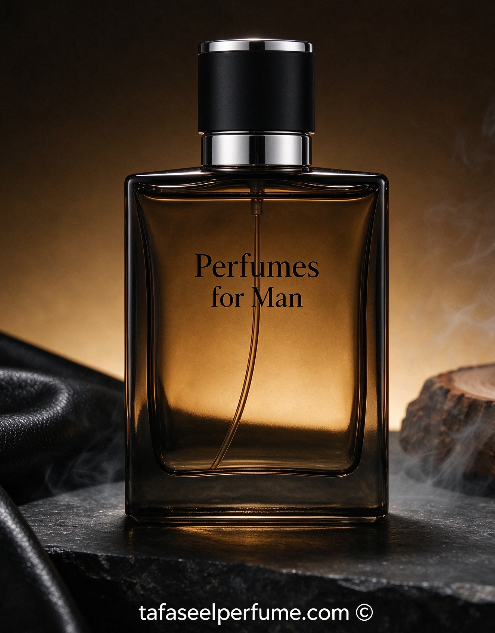
- Perfumes for Man: The Complete Guide to Choosing the Best Men's Fragrance for Every Occasion: Finding the right perfumes for man is about more than choosing a pleasant scent. A well-selected fragrance can express personality, create a memorable impression, and complement your style throughout the day. Whether you prefer fresh citrus, rich woods, warm spices, or sophisticated leather notes, the right men's perfume can become an essential part of your daily routine.
The world of men's fragrances offers an impressive range of styles, concentrations, and price points. Some scents are designed for everyday office wear, while others are created for evening occasions, special celebrations, or colder weather. Understanding fragrance families, scent development, longevity, and application techniques makes it easier to identify a perfume that suits your preferences. This guide explores the essential things to consider when shopping for perfumes for man, from popular fragrance styles and seasonal choices to performance, value, and practical buying advice.
In This Guide: Discover What Makes a Great Men's Perfume
Explore the main fragrance families, learn how to choose a scent for different occasions, understand perfume concentration, and find practical ways to make your fragrance last longer. Each section offers useful guidance to help you build a fragrance collection that feels personal, versatile, and appropriate for your lifestyle.
1. Understanding the Different Types of Men's Perfumes
Learn how fragrance families and scent structures influence the character of men's perfumes, from fresh and energetic compositions to deep and sophisticated blends.
2. Popular Fragrance Notes in Perfumes for Man
Explore citrus, woods, spices, aromatic herbs, leather, and other notes commonly used to create distinctive masculine fragrances.
3. How to Choose a Perfume That Matches Your Personality
Discover how your personal style, daily habits, and fragrance preferences can help you find a scent that feels authentic.
4. Best Men's Perfumes for Everyday Wear
Understand what makes a fragrance suitable for work, casual activities, and regular daily use.
5. Choosing Men's Fragrances for Special Occasions
Find out how richer, more distinctive fragrance profiles can complement formal events, celebrations, and evening outings.
6. Fresh, Woody, and Spicy: Comparing Men's Fragrance Families
Compare three popular fragrance directions and learn which styles may suit different tastes and environments.
7. Understanding Eau de Toilette, Eau de Parfum, and Parfum
Learn how fragrance concentration affects scent intensity, wearing experience, and potential longevity.
8. How to Make Your Perfume Last Longer
Explore practical application techniques, skin preparation, and storage habits that help preserve your fragrance experience.
9. Men's Perfumes for Different Seasons
Discover why lighter scents often work well in warm weather, while deeper fragrance profiles can feel comfortable during colder months.
10. Designer Men's Perfumes Worth Exploring
Explore established fragrance houses and understand what to consider when comparing designer men's scents.
11. How to Test a Men's Perfume Before Buying
Learn how to evaluate a fragrance on a test strip and on your skin before making a purchase decision.
12. Building a Versatile Men's Perfume Collection
Find a practical approach to selecting complementary fragrances for different moods, seasons, and occasions.
13. Buying Men's Perfumes Online: What to Check
Understand how to assess product descriptions, bottle sizes, sellers, and packaging when shopping online.
14. Men's Perfume Application Mistakes to Avoid
Identify common fragrance mistakes, including overspraying, poor storage, and choosing a scent without testing it properly.
15. Finding the Right Perfume for Your Budget
Learn how to compare fragrance value, bottle sizes, concentration, and everyday usability without focusing on price alone.
1. Understanding the Different Types of Men's Perfumes
Men's perfumes come in many different styles, and understanding these categories is the first step toward finding a fragrance that suits your taste. Fresh fragrances often feature citrus, aquatic, or green notes that create a clean and energetic impression. Woody compositions commonly use materials such as cedar, sandalwood, vetiver, and patchouli to create a warmer and more grounded character. Aromatic fragrances may include lavender, rosemary, sage, and other herbal ingredients, while oriental or amber-inspired compositions often feature vanilla, resins, spices, and warm accords.
Another important distinction is the structure of a fragrance. Most traditional perfumes develop through top, middle, and base notes. Top notes are usually noticeable immediately after spraying and often provide the first impression. Middle notes emerge as the opening fades, giving the fragrance much of its central personality. Base notes develop gradually and help create depth during the later stages of wear. These layers work together to produce a scent that can change noticeably over several hours.
When browsing men's perfume collections, consider the overall character you want rather than choosing a fragrance based only on its first impression. A scent that smells bright and refreshing in the opening may become warmer or sweeter later. Understanding this development helps you make a more informed choice and reduces the chance of purchasing a fragrance that does not suit your preferences.
2. Popular Fragrance Notes in Perfumes for Man
Fragrance notes are the individual scent impressions that combine to create a perfume's overall identity. Citrus notes such as bergamot, lemon, grapefruit, and mandarin are popular in men's fragrances because they create a bright and refreshing opening. These notes are frequently paired with aromatic herbs, aquatic accords, or light woods to produce compositions suitable for daytime wear.
Woody notes are another major part of men's perfumery. Cedarwood can create a dry, clean impression, while sandalwood often contributes a creamy and smooth character. Vetiver may smell earthy, grassy, or smoky depending on the composition, and patchouli can add depth and richness. These materials are often used in fragrances intended to feel elegant, mature, or versatile.
Spices such as cardamom, black pepper, cinnamon, and nutmeg can make a perfume feel warmer and more expressive. Leather-inspired accords, tobacco impressions, amber, and vanilla are also common in richer compositions. However, the presence of a particular note does not guarantee that every fragrance containing it will smell similar. The final result depends on the balance of ingredients, their proportions, and the overall composition.
If you are exploring different fragrance categories, comparing men's scents with unisex perfume options can also introduce you to interesting combinations of woods, spices, florals, and fresh notes that are not limited by traditional marketing categories.
3. How to Choose a Perfume That Matches Your Personality
A good men's perfume should complement the way you want to present yourself. If your style is relaxed and understated, a fresh fragrance with citrus, aquatic, or clean aromatic notes may feel appropriate. These compositions can work well with casual clothing and everyday activities because they often create a light and approachable impression.
For someone who prefers a classic or professional appearance, woody, aromatic, and balanced spicy fragrances may be worth exploring. These scents can provide character without necessarily becoming overpowering. Men who enjoy bold fashion or distinctive accessories might prefer more expressive compositions featuring leather, amber, tobacco-inspired accords, or richer spices.
Your personality is only one part of the decision. Climate, workplace expectations, personal sensitivity to strong scents, and the occasions when you plan to wear the perfume are equally important. A fragrance that feels perfect for an evening event may not be the best choice for a crowded office or a hot afternoon. Testing several styles is often more useful than following a popular ranking or selecting a fragrance simply because it is fashionable.
4. Best Men's Perfumes for Everyday Wear
An everyday men's perfume should be comfortable, versatile, and easy to wear in different situations. Fresh citrus, light woods, aromatic herbs, and subtle musk are common choices because they can create a clean impression without dominating the surrounding space. The ideal fragrance depends on your environment, but a balanced composition is generally easier to incorporate into a regular routine.
For office environments, consider fragrances with moderate projection and a controlled scent profile. A perfume that remains noticeable mainly at close range may be more appropriate than one that fills an entire room. For casual activities, you may prefer something brighter or more energetic, particularly if you spend time outdoors or move between different environments throughout the day.
One useful approach is to select a reliable signature fragrance for regular use and keep more distinctive perfumes for specific occasions. This avoids the need to make a new decision every morning while still allowing you to experiment with different styles when the situation calls for something different.
5. Choosing Men's Fragrances for Special Occasions
Special occasions provide an opportunity to wear fragrances with more personality and depth. Evening events, formal celebrations, and social gatherings may suit compositions featuring warm woods, amber, spices, leather-inspired accords, or sweet notes. These fragrance styles can create a memorable impression, although the best choice depends on the venue, weather, and personal preference.
For formal occasions, a refined fragrance with a balanced structure can complement a tailored outfit without competing with it. A subtle woody or aromatic composition may be suitable for dinners and professional events, while a richer amber or spicy fragrance may appeal to someone who prefers a more noticeable evening scent.
Consider the size of the venue before applying your perfume. A fragrance that works well outdoors may feel too strong in a small restaurant or crowded indoor space. Applying a moderate amount and allowing the scent to develop naturally is often a better approach than using extra sprays to make it last longer.
6. Fresh, Woody, and Spicy: Comparing Men's Fragrance Families
Fresh, woody, and spicy fragrances represent three broad directions that can help shoppers narrow their choices. Fresh fragrances commonly use citrus, green, aquatic, and aromatic notes. They are often associated with clean, energetic, and relaxed styles. These scents can be especially appealing during warm weather or when a light fragrance is preferred.
Woody fragrances usually have a deeper and more grounded character. Cedar, sandalwood, vetiver, and patchouli can create compositions ranging from dry and crisp to creamy and earthy. Woody perfumes are often versatile because their scent profiles can work across different clothing styles and occasions, depending on their intensity.
Spicy fragrances introduce warmth and contrast through ingredients or accords such as cardamom, pepper, cinnamon, and nutmeg. Some are fresh and aromatic, while others combine spices with vanilla, amber, or woods to create a richer impression. There is no universally best fragrance family. The right option is the one that feels comfortable on your skin and matches the situations in which you plan to wear it.
7. Understanding Eau de Toilette, Eau de Parfum, and Parfum
Fragrance concentration is an important consideration when comparing men's perfumes. Eau de Toilette, Eau de Parfum, and Parfum are common product classifications that generally indicate different fragrance oil concentrations. However, exact concentrations can vary between brands and products, so the label should be treated as a general guide rather than a guarantee of performance.
Eau de Toilette is often selected for its lighter wearing experience. It can be a practical option for daytime use, warm weather, or people who prefer a less intense fragrance. Eau de Parfum is commonly formulated with a higher concentration than Eau de Toilette and may offer a fuller scent experience. Parfum, sometimes described as Extrait de Parfum, generally has a higher concentration, although its actual strength and longevity still depend on the formula.
Concentration alone does not determine how long a fragrance lasts. Ingredients, skin chemistry, environmental conditions, application, and the perfume's overall formulation all influence performance. For a more detailed explanation, read this guide to the difference between parfum and perfume before choosing a fragrance concentration.
8. How to Make Your Perfume Last Longer
Proper application can improve the overall wearing experience of a men's perfume. Start with clean skin and consider applying a fragrance after showering, once your skin is dry. Moisturized skin may help reduce the feeling that a fragrance disappears quickly, although individual results vary. An unscented moisturizer is useful because it is less likely to interfere with the perfume's character.
Common application areas include the neck, upper chest, and wrists. These areas are often chosen because they are convenient and can allow the fragrance to be noticed naturally. You do not need to apply perfume to every pulse point. A small number of sprays is usually a sensible starting point, and you can adjust the amount based on the fragrance's strength and your environment.
Avoid rubbing your wrists together after spraying. Friction can disturb the fragrance on the skin and may change how the scent is experienced during the opening. Allow the perfume to dry naturally instead. It is also important to store fragrances away from direct sunlight, excessive heat, and frequent temperature changes. A cool, dry location can help preserve the quality of the formula over time.
9. Men's Perfumes for Different Seasons
Seasonal fragrance selection is a useful way to make a perfume collection more versatile. During spring and summer, fresh citrus, green, aquatic, and light aromatic compositions may feel particularly comfortable. Higher temperatures can make fragrances more noticeable, so lighter application may be appropriate when the weather is hot or humid.
Autumn often creates an opportunity to explore warmer woods, spices, and aromatic compositions. These fragrance profiles can complement the cooler atmosphere and heavier clothing associated with the season. During winter, richer amber, vanilla, leather-inspired, tobacco-style, and resinous accords may appeal to people who enjoy deeper scents.
Seasonal recommendations are not strict rules. A fresh fragrance can still work in winter, and a woody perfume can be enjoyable during summer when applied lightly. Your personal taste, the indoor temperature, and the environment matter more than the calendar alone. The most useful approach is to understand how a perfume behaves in the conditions where you plan to wear it.
10. Designer Men's Perfumes Worth Exploring
Designer fragrance collections offer many options for men who want to explore established brands and recognizable scent styles. Different fragrance houses may focus on fresh aromatic compositions, modern woods, classic fougère structures, or richer oriental-inspired blends. Exploring several brands can help you understand which ingredients and fragrance directions appeal to you most.
For a classic designer option, Burberry London for Men Eau de Toilette is a fragrance worth researching if you are interested in a traditional men's scent profile. Another option to investigate is Armani Code for Men, which has its own fragrance identity and different versions to compare.
You can also explore Polo Red Cologne when researching designer men's fragrances. Rather than assuming that a popular product will suit everyone, read descriptions, compare available versions, and test each fragrance on your skin. A designer name can provide a useful starting point, but personal compatibility should remain the deciding factor.
11. How to Test a Men's Perfume Before Buying
Testing a fragrance before purchasing is one of the most effective ways to avoid disappointment. Begin with a fragrance strip if you want to compare several perfumes quickly. Spray each fragrance separately and allow the initial alcohol impression to settle before evaluating it. This can help you identify broad differences between fresh, woody, spicy, and sweet compositions.
Once you have selected a few promising options, test them on your skin. A perfume may smell different on skin than it does on paper because of individual skin chemistry, temperature, and other factors. Apply a small amount and observe how the scent develops over time. Pay attention to the opening, the middle stage, and the dry-down rather than making a decision after only a few seconds.
It is also helpful to avoid testing too many fragrances at once. When several strong scents are mixed together, it can become difficult to distinguish their individual characteristics. Take breaks between tests and make simple notes about which fragrances you liked, how they developed, and whether their intensity felt comfortable.
12. Building a Versatile Men's Perfume Collection
A versatile fragrance collection does not need to contain dozens of bottles. A small selection of carefully chosen perfumes can cover most daily situations. For example, you might begin with a fresh fragrance for daytime use, a balanced woody scent for professional settings, and a richer composition for evenings or special occasions.
As your preferences develop, you can add fragrances that introduce different scent families or seasonal options. Someone who mainly wears fresh citrus perfumes might experiment with aromatic herbs or soft woods. Someone who prefers warm and sweet fragrances might explore dry woods, leather-inspired accords, or less sweet spicy compositions.
It can also be useful to explore different product categories rather than limiting your research to fragrances marketed specifically for men. Some modern compositions are designed to be worn by anyone. Comparing men's perfumes with unisex fragrances can reveal additional options and help you build a collection based on scent preference instead of traditional labels.
13. Buying Men's Perfumes Online: What to Check
Online shopping provides access to a wide selection of men's perfumes, but it also requires careful product research. Before purchasing, confirm the full fragrance name, concentration, bottle size, and product version. Some fragrances have several flankers or reformulated editions with similar packaging and names, so checking the exact product details is important.
Pay attention to the seller's reputation, return policy, product photographs, and packaging information. Compare prices across reputable retailers, but be cautious when a product is offered at a price that seems unusually low. Extremely discounted listings may require additional verification, especially when the seller provides limited information about product origin or authenticity.
Read customer reviews carefully and look for detailed descriptions rather than relying only on star ratings. Reviews can provide useful information about packaging, delivery, and individual fragrance experiences, but scent perception is subjective. If you have never tried a perfume before, consider purchasing a sample or smaller bottle when a legitimate option is available.
14. Men's Perfume Application Mistakes to Avoid
One of the most common fragrance mistakes is applying too much perfume. A scent that seems subtle to the wearer can be much stronger to other people nearby. This is particularly important in offices, public transport, restaurants, and other enclosed environments. Start with a modest amount and adjust only when necessary.
Another mistake is choosing a fragrance based entirely on its opening. Some perfumes change significantly after the first few minutes, revealing warmer, sweeter, woodier, or more aromatic characteristics. Giving a fragrance enough time to develop provides a more accurate impression of its overall personality.
Poor storage can also affect fragrance quality. Keeping bottles on a sunny windowsill, near a heater, or in a bathroom with frequent temperature and humidity changes may expose the formula to unsuitable conditions. Store your perfume in its original packaging or another cool, dry location away from direct sunlight. Finally, avoid assuming that expensive fragrances automatically perform better than affordable ones. Formula quality, personal preference, and suitability matter more than price alone.
15. Finding the Right Perfume for Your Budget
Men's perfumes are available across a wide range of prices, from affordable everyday fragrances to premium designer and niche compositions. A higher price does not automatically mean that a perfume will smell better or last longer on your skin. When comparing products, consider the fragrance itself, its concentration, bottle size, performance, and how frequently you expect to wear it.
Smaller bottles can be a practical choice when you are exploring a new fragrance. They reduce the initial cost and allow you to determine whether you enjoy wearing the scent over several weeks. Larger bottles may offer better value per milliliter, but only when you are confident that the fragrance suits your preferences and will be used regularly.
Samples and discovery sets can also make fragrance shopping more efficient. They allow you to compare several compositions without committing to full-size bottles. If you are purchasing a gift, a perfume gift set may provide a convenient way to explore a fragrance alongside complementary products, depending on the set's contents.
The best budget decision is not necessarily the cheapest purchase. It is the fragrance that offers a scent profile you genuinely enjoy, performs appropriately for your needs, and fits comfortably within your spending limit.
Frequently Asked Questions About Perfumes for Man
1. What are the best perfumes for man?
The best men's perfume depends on personal taste, lifestyle, climate, and the occasions when it will be worn. Fresh citrus and aromatic fragrances are popular for daytime use, while woody, spicy, and amber-inspired compositions may suit people who prefer deeper scents. Testing several fragrance styles is the best way to find a suitable option.
2. Which men's perfume is best for everyday use?
A balanced fragrance with fresh, aromatic, or soft woody notes is often suitable for everyday wear. Look for a composition that feels comfortable in your regular environment and does not become overpowering in close spaces. The ideal choice should be easy to wear with different outfits and activities.
3. How long should men's perfume last?
Fragrance longevity varies according to its formula, concentration, ingredients, skin chemistry, and environmental conditions. Some perfumes may become faint after a few hours, while others remain noticeable much longer. Eau de Parfum and Parfum are often associated with longer wear, but concentration alone cannot guarantee a specific number of hours.
4. What is the difference between Eau de Toilette and Eau de Parfum for men?
Eau de Toilette generally has a lower fragrance concentration than Eau de Parfum and may provide a lighter wearing experience. Eau de Parfum is often richer or more concentrated, although the actual difference depends on the product. Neither category is automatically better, so choose according to your preferred intensity and how the fragrance performs on your skin.
5. Are fresh or woody perfumes better for men?
Neither fragrance family is universally better. Fresh perfumes often provide a clean and energetic impression, while woody fragrances can feel warmer, drier, or more sophisticated. Your personal preference and the environment in which you wear the fragrance should guide your choice.
6. Which men's perfumes are suitable for summer?
Fresh citrus, aquatic, green, and light aromatic fragrances are popular summer choices. These profiles can feel refreshing in warm weather, especially when applied moderately. However, you can wear other fragrance families in summer if you enjoy them and adjust the application to the temperature.
7. Which fragrance notes are popular in men's perfumes?
Common notes and accords include bergamot, lemon, grapefruit, lavender, cedarwood, sandalwood, vetiver, patchouli, cardamom, black pepper, amber, and vanilla. Different combinations create different fragrance personalities, so the presence of a familiar ingredient does not mean two perfumes will smell alike.
8. How many sprays of men's perfume should I use?
The appropriate number depends on the perfume's strength, your surroundings, and personal preference. Start with one or two sprays and assess how noticeable the fragrance becomes. Stronger compositions may require less, particularly in offices or enclosed spaces.
9. Where should a man apply perfume?
Common application areas include the neck, upper chest, and wrists. Apply perfume to clean, dry skin and allow it to dry naturally. Avoid rubbing the application area, and remember that spraying fragrance on clothing may affect certain fabrics or leave marks.
10. Should men wear different perfumes in different seasons?
Using different perfumes throughout the year can make a fragrance collection more versatile. Lighter citrus and aquatic compositions may feel comfortable in warmer conditions, while woody, spicy, and amber-inspired fragrances may appeal during colder weather. These are suggestions rather than strict rules.
11. Can men wear unisex perfumes?
Yes. Fragrance preferences are personal, and scent categories are largely influenced by product positioning and marketing. Men can comfortably wear any fragrance they enjoy, including compositions marketed as unisex or designed for women.
12. How can I tell if a men's perfume is authentic?
Purchase from reputable retailers and check the seller's history, product details, packaging quality, and return policy. Compare the product name, concentration, and bottle size with reliable product information. Packaging details alone cannot conclusively prove authenticity, so choosing a trustworthy seller is especially important.
13. Is expensive men's perfume always better?
No. Price can reflect brand positioning, ingredients, packaging, distribution, and other factors, but it does not guarantee that a fragrance will suit your preferences. Affordable perfumes can be enjoyable and practical, while expensive fragrances may not perform as expected on every person's skin.
14. How should men's perfume be stored?
Store perfume in a cool, dry place away from direct sunlight and excessive heat. Keep the bottle tightly closed when it is not being used. Avoid leaving fragrances in cars, near radiators, or in locations with frequent temperature changes.
15. What should I consider when buying men's perfume as a gift?
Consider the recipient's preferred fragrance family, lifestyle, and existing collection. Fresh and versatile compositions may be easier to choose when you are unsure of their preferences. Discovery sets and gift sets can also be useful because they offer an opportunity to explore multiple products or complementary fragrance items.
16. Is Eau de Parfum always stronger than Eau de Toilette?
Eau de Parfum generally has a higher fragrance concentration than Eau de Toilette, but perceived strength depends on the specific formula. Some Eau de Toilette fragrances can project strongly, while certain Eau de Parfum compositions remain relatively subtle. Testing the actual product is more reliable than judging by the label alone.
17. Can I wear the same men's perfume every day?
Absolutely. A signature fragrance can become part of your personal style and simplify your daily routine. Choose a scent that remains comfortable across the situations in which you spend most of your time. You can always add other fragrances later for seasonal changes or special occasions.
Conclusion: Find a Men's Perfume That Feels Like Your Signature
Choosing among the many perfumes for man available today becomes easier when you understand fragrance families, concentration, seasonal suitability, and personal preferences. Fresh citrus compositions, aromatic blends, warm spices, and elegant woods all offer different ways to express individual style. The right fragrance is not necessarily the most expensive or popular option; it is the one that smells appealing to you and fits naturally into your lifestyle.
Take time to test fragrances on your skin, observe how they develop, and compare their performance before buying a full-size bottle. Start with versatile options for everyday use, then explore more distinctive compositions for evenings and special occasions. With a thoughtful approach, you can build a men's fragrance collection that feels balanced, practical, and genuinely personal.


