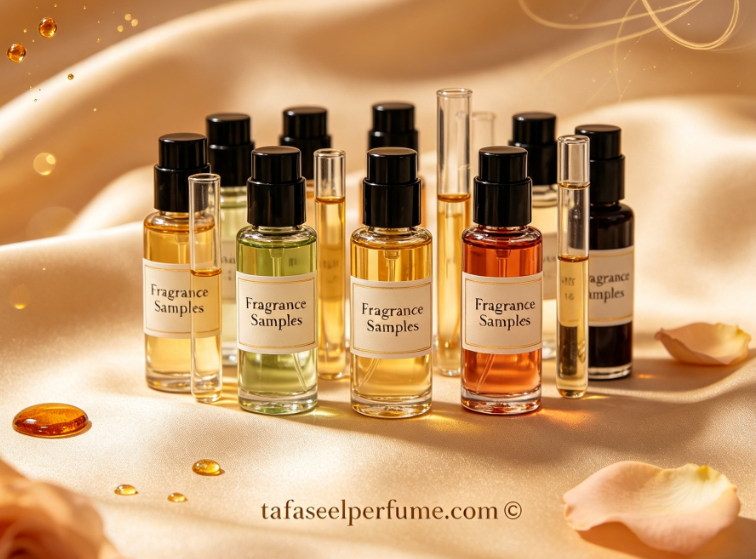
- Fragrance Samples · The Velvet Architecture of Olfactory Discovery: Fragrance samples are the forgotten manuscripts of perfumery: tiny vials that hold entire worlds. A single spritz unravels top notes, heart chords, and the sillage of memory — all before you commit to the full bottle.
Fragrance samples are more than promotional tools — they are olfactory passports. In an era of blind buys and algorithm-driven recommendations, the sample remains the most intimate gateway to scent. It invites patience: wearing a fragrance for hours, observing its evolution on your skin, and discovering how it interacts with your own chemistry. Luxury houses, indie distillers, and niche ateliers all embrace the sample as a rite of passage. Whether you seek the velvet architecture of Burberry Her or the iconic masculine sillage of Creed Ciking, samples let you curate a wardrobe of emotions. This guide navigates the ecosystem of fragrance samples — from discovery sets to decanting culture, and the subtle art of testing.
navigation · fragrance samples
1. The Decant Ritual · 2. Sample vs. Full Bottle · 3. Niche Discovery Sets · 4. Sillage & Longevity · 5. Layering with Samples · 6. Where to Find Rare Samples · 7. Storing Your Collection
↳ related: Jo Malone Poppy & Barley · Angel Mugle · Van Cleef Gardenia
1. The Decant Ritual · Why Fragrance Samples Matter
Fragrance samples are the first chapter of a scent story. They offer a low-commitment, high-intimacy way to experience perfumery. The decant ritual — transferring juice from a mother bottle into a small vial — is itself an act of care. Each sample carries the promise of a new facet: the crisp aldehydes of a vintage floral, the smoky vetiver of a midnight woods, or the buttery iris of a French classic. Versace L’Homme unfolds differently on paper than on skin; samples let you live with a fragrance for days. Moreover, they democratize luxury — allowing enthusiasts to explore unisex perfumes and women’s perfumes without the pressure of a full bottle. The decant ritual is a quiet conversation between you and the perfumer.
2. Sample vs. Full Bottle · The Psychology of Commitment
Why do we hesitate before buying a full bottle? Because scent is personal, mutable, and deeply tied to memory. A fragrance sample allows you to test the waters — literally. You can wear it to work, to a dinner, or on a rainy Sunday. You notice how the top notes fade, how the heart emerges, and whether the dry-down turns powdery or caramelized. Ariana Grande Blush Mod may smell like candy in the vial, but on skin it blooms into a ethereal floral. Samples also prevent “buyer’s remorse” — a common ailment in the fragrance community. They are the rational pause before the emotional plunge. And sometimes, a sample is all you need: a mini treasure that captures a moment, without the weight of a 100ml bottle. For collectors, samples become a library of olfactory memories.
3. Niche Discovery Sets · Curated Olfactory Journeys
Niche houses have elevated the fragrance sample into an art form. Discovery sets — often housed in elegant boxes — contain 3 to 12 samples that represent the brand’s olfactory DNA. They are storytelling kits: you travel from citrusy top notes to smoky incenses, from aquatic calone to animalic musks. Armaf Club de Nuit reinterprets iconic profiles, while indie brands like Michael Kors Femme offer a modern American allure. Discovery sets are perfect for gifting — they invite the recipient to explore without overwhelm. Many sets come with a voucher redeemable against a full bottle, making the sample a strategic entry point. For the perfumista, these sets are akin to a wine tasting: you swirl, sniff, and decide which vintage resonates. The niche discovery set is a testament to the idea that fragrance is not a monolith, but a spectrum.
4. Sillage & Longevity · What Samples Reveal
Sillage — the trail a fragrance leaves — and longevity are two pillars of perfume appreciation. A sample gives you real-world data. You can test how long Halston Z14 lingers on your skin versus your shirt. You can compare the projection of a parfum extrait versus an eau de toilette. Samples also reveal how weather, diet, and even mood affect a scent. On a humid day, florals can turn cloying; on a crisp autumn morning, woods feel warm. By wearing a sample multiple times, you map its performance. This knowledge is invaluable when you finally decide to invest in a full bottle. Moreover, samples allow you to compare side-by-side — a luxury that counters the “one-spray-at-the-counter” limitation. Sillage is not just about projection; it’s about the story you leave behind.
5. Layering with Samples · Composing Your Own Accord
Layering is the avant-garde of perfumery, and samples are your palette. With mini vials, you can experiment without waste. Combine a rose-centric sample with a patchouli-heavy one; add a touch of vanilla to a green fragrance. The possibilities are endless. Paris · Venise · Chanel evokes a Venetian elegance that can be amplified with a smoky incense. Samples encourage play — they lower the stakes. You might discover that a citrus eau de cologne and a musky skin scent create a third, unexpected beauty. Layering also extends the life of your sample collection: a half-empty vial can be paired with another to create a new signature. This practice is embraced by niche enthusiasts who view fragrance as a fluid art, not a fixed identity. The sample becomes a brushstroke in your personal olfactory canvas.
6. Where to Find Rare Samples · The Hunt for the Uncommon
From online decant sites to exclusive boutique events, the hunt for rare samples is a thrill. Many brands offer sample sets directly, while specialty stores curate seasonal selections. Auction sites and fragrance communities also trade vintage samples — a glimpse into forgotten formulas. Kenneth Cole and other accessible brands often include samples with purchases, but for niche gems, you may need to join waiting lists or subscribe to sample clubs. Independent perfumers often sell discovery kits that include a voucher. Additionally, perfume gift sets frequently contain miniatures that are perfect for sampling. The chase is part of the allure — the rare sample becomes a trophy, a conversation starter, and a personal treasure. Digital platforms have made it easier to source samples from around the world, turning the global perfume library into a clickable reality.
7. Storing Your Collection · Preserving the Liquid Memory
Fragrance samples are sensitive to light, heat, and air. To preserve their integrity, store them in a cool, dark place — preferably in a drawer or a dedicated box. Amber glass vials offer better protection than clear plastic. Keep them upright to prevent leaks. Some collectors organize samples by brand, note, or season. It’s also wise to label each vial with the name and date of acquisition, as samples can evaporate or oxidize over time. A well-maintained sample collection can last for years, allowing you to revisit forgotten favorites. Spa & fragrance enthusiasts often keep a travel case with their current rotation. Treat your samples like rare manuscripts — they hold the scent of a moment, a place, or a feeling. Proper storage ensures that when you reach for that vial of Van Cleef Gardenia, it greets you with its original whisper.
Fragrance Samples · FAQ
1. How many sprays should I test from a fragrance sample?
One spray on the inner wrist or the back of the hand is usually sufficient. Allow it to develop for at least 10 minutes before judging. For a more immersive test, try one spray on skin and one on a blotter to compare.
2. Can I layer different fragrance samples?
Absolutely. Layering is a creative way to discover new accords. Start with the lighter scent as a base, then add a heavier note. Keep a journal of your combinations — you might invent a bespoke blend that becomes your signature.
3. Are fragrance samples diluted compared to full bottles?
Generally, samples contain the exact same concentration as the retail product. However, some brands may use slightly different batches. The difference, if any, is negligible. Samples are an accurate representation of the fragrance.
4. How long do fragrance samples last before they expire?
If stored properly (cool, dark, and airtight), samples can last 1–2 years. Citrus and green notes tend to fade faster, while woody and musky notes have more longevity. Always check for discoloration or a sharp vinegar-like smell — that indicates oxidation.
5. What’s the best way to apply a sample without a spray atomizer?
If the vial is a dabber, touch the applicator to your pulse points (wrists, neck, behind the ears). Avoid rubbing — it breaks down the top notes. Let the liquid dry naturally. For spray vials, hold about 15 cm away from the skin.
6. Are there any ethical concerns with buying decanted samples?
Reputable decanters operate transparently and use original bottles. Always buy from trusted platforms to ensure authenticity. Decanting is generally legal, but be cautious of counterfeit or diluted products. Supporting official discovery sets is the safest route.
explore more · Men’s Perfume · Children & Baby · Body Art · Eyelash Beauty · Beauty Equipment · Ranking · Brands · All Articles
⋆ featured: Rapture · the untold story ⋆ Angel Mugle ⋆ Jo Malone Poppy & Barley


