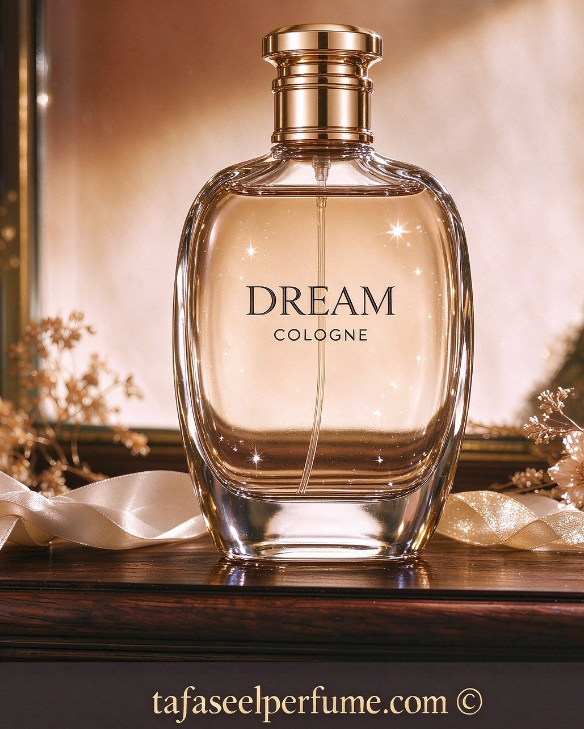
- Dream Cologne: The Fragrance Concept That Turns Scent Into a Feeling, Not Just a Note: Short Introduction: Dream Cologne is less a single bottle and more a fragrance idea—a scent designed to feel like escape, softness, possibility, or a half-remembered place. It moves across floral, woody, citrus, and ambery families, which is exactly why it keeps showing up in so many wardrobes.
Extended Introduction: When people search for dream cologne, they are usually not hunting for one specific designer release. They are looking for a fragrance that behaves like a dream: weightless but memorable, intimate but capable of lingering, familiar yet slightly out of reach. The term has been used for everything from a magnetic women’s floral built around orange blossom and vanilla to a Mediterranean citrus scent that feels like sun on skin. Some “dream” releases lean into soft powdery florals; others go warm, spicy, and gourmand; and a growing number are positioned as unisex or genderless, because the dream itself has no fixed gender. The common thread is not a note pyramid but an emotional effect: the scent should feel like a small, wearable departure from the ordinary. That is why dream cologne can be a fig-leaf garden, a Lattafa floral-fruity comfort scent, or even a clean, affordable blend that punches far above its price. The concept is flexible, and that flexibility is its strength.
In this guide:
1. What Makes a Cologne Feel Like a “Dream”?
2. Dream Cologne Across Fragrance Families: Floral, Woody, Citrus, and Ambery
3. The Rise of the Genderless Dream Scent
4. Dream Cologne in Everyday Wear: Office, Evening, and Transitional Weather
5. How to Layer and Extend a Dream Cologne
6. Dream Cologne vs. “Dreamer” Cologne: A Useful Distinction
1. What Makes a Cologne Feel Like a “Dream”?
A dream, as a sensory experience, is rarely sharp or linear. It drifts. It blends. It leaves an impression rather than a precise record. The fragrances that earn the dream cologne label tend to follow the same logic. They often open with something luminous but soft—bergamot, pear, or a sheer citrus—rather than an aggressive aromatic blast. The heart is usually floral or ambery, but rounded rather than loud: gardenia folded into cactus flower, jasmine softened by lily of the valley, or rose wrapped in a caramel chord. The base is where the dream really settles. Instead of heavy oud or smoky leather, you often find musk, sandalwood, vanilla, tonka, or Ambroxan—materials that sit close to the skin and create a “second-skin” effect rather than a room-filling cloud. This is why dream cologne can be worn by people who normally find perfume too loud. It is not about projection for its own sake; it is about creating a private atmosphere that others notice only when they are already near you. The best examples also share a quality that is hard to engineer: nostalgia without specificity. They smell like a place you may have been, or a place you wish existed. Coach Dreams, for instance, was built around the idea of an American road trip—bitter orange and juicy pear opening into gardenia and Joshua Tree—and it succeeds because it feels like anticipation rather than a literal landscape. That emotional framing is the real note list.
2. Dream Cologne Across Fragrance Families: Floral, Woody, Citrus, and Ambery
One of the most useful things to understand about dream cologne is that it is not a fragrance family. It is a brief that can be executed in several families, and each version produces a different kind of dream.
Floral dream colognes are often the most literal translation of the idea. They use white florals, soft rose, freesia, or lotus to create a texture that feels like fabric rather than scent. The Marina Black style of bold floral, for example, can read as a dream if the sweetness is balanced by musk or woods instead of sugar. Boticario’s Dream (Love in the Air) is a useful reference point: bergamot, orange, mandarin, and blackcurrant open into rose, freesia, lotus, plum, and peach, then land on amber, sandalwood, vanilla, and musk. It is a floral-woody dream with a playful, almost pink texture—romantic without being fragile.
Woody and ambery dream colognes lean warmer and more grounded. Valentino Uomo Born in Roma Yellow Dream is a clear example: mandarin and pineapple open bright and juicy, gingerbread and spices add a cozy, slightly gourmand heart, and vanilla absolute with cedar essence gives the dry-down a smooth, masculine warmth. This is a dream of golden light and evening air rather than flowers. It also shows how the dream brief can accommodate sweetness without becoming a dessert scent: the woods and spices keep the vanilla in check.
Citrus and fresh dream colognes are the most transparent. They rely on bergamot, mandarin, marine notes, or lavender to create the sensation of clean air and open space. A unisex Dream fragrance reviewed in the market uses citrus and marine nuances with lavender, then moves into jasmine, lily of the valley, and ambery accents before settling into oakmoss, tonka, musk, and a touch of toasted sugar. The result is a “clean dream”—serene rather than sleepy, and easy to wear in warm weather or at the office. If you prefer this lighter style, the aromatic freshness of herbal and clean notes is a natural extension of the same mood.
Oriental and spicy dream colognes take the concept in a more nocturnal direction. Versace The Dreamer, for example, is built on tobacco, amber, and tarragon—a “dream” that is introspective, slightly rugged, and far from pastel. The lesson is that a dream does not have to be soft. It can be a vision, a reverie, or even a beautifully unresolved tension.
3. The Rise of the Genderless Dream Scent
Historically, “dream” marketing was often gendered. Floral dreams were sold to women; tobacco-and-woods dreams were sold to men. That is changing quickly. A significant number of contemporary dream fragrances are explicitly positioned as unisex or genderless, and the reason is structural rather than ideological: the dream brief does not need gender markers to work. If the goal is softness, skin-scent musks, and emotional atmosphere, then restricting those qualities to one category limits the market unnecessarily.
This is visible in the notes. A unisex Dream composition might combine fresh citrus and lavender with jasmine and lily of the valley, then ground everything in oakmoss, tonka, and musk—a structure that reads as clean and elegant on almost anyone. The same logic explains why unisex perfume has become a default shelf for shoppers who do not want their fragrance to arrive with a gender instruction. It also explains why a men’s “dream” release can be sweet and spicy without being read as feminine: the gingerbread and vanilla in Valentino Yellow Dream are balanced by cedar and spices, creating a warm profile that is wearable across the binary. The dream is personal. The bottle does not need to decide who is allowed to have it.
4. Dream Cologne in Everyday Wear: Office, Evening, and Transitional Weather
One of the practical reasons dream cologne has become a search term is that it solves a wardrobe problem. Many people want a signature scent that is distinctive enough to feel personal but not so loud that it becomes a liability in shared spaces. Dream colognes, because they are built on moderate projection and close-to-skin bases, fit that brief unusually well.
For daytime and office wear, the citrus-fresh and floral-woody interpretations are the safest. A scent that opens with bergamot or pear and settles into musk and soft woods will not overwhelm a meeting room, but it will still leave a trace when someone leans in. The Escada online sale category, for instance, frequently surfaces lightweight fruity-florals that behave like daytime dreams—pleasant, affordable, and easy to reapply.
For evening and cooler weather, the ambery and spicy dream colognes come forward. Vanilla, tonka, gingerbread, and cedar create warmth without the density of a full oriental. Valentino Yellow Dream is explicitly positioned for date nights, dinners, and fall/winter wear, and its moderate projection makes it intimate rather than intrusive. If you want something more overtly luxurious for evenings, the Xerjoff Casamorati Mefisto offers a citrus-elegance interpretation of the dream mood—brighter and more polished, but still within the same emotional territory.
Transitional weather is where dream cologne is most useful. Spring and early autumn call for fragrances that can move from cool mornings to warm afternoons without feeling out of place. A floral-woody dream with a musk base handles that shift gracefully. It is not a seasonal specialty; it is a bridge.
5. How to Layer and Extend a Dream Cologne
Dream colognes are often layering-friendly because their base notes are relatively soft. A musk-heavy dry-down does not fight with other fragrances; it blends. This makes the category unusually practical for people who like to customize their scent.
A simple approach is to use a light citrus or floral dream as the first layer and add a woody or ambery dream on top. The citrus layer gives freshness; the amber layer gives longevity and warmth. You can also layer a dream cologne with a matching fragrance gel or an unscented body lotion to slow evaporation and extend wear. The goal is not to create a completely new fragrance but to adjust the volume and texture of the dream—more floral in the morning, more ambery in the evening.
Another practical point: application matters more than concentration with this style. Because dream colognes often rely on skin-scent musks, spraying on pulse points and letting the fragrance warm with the body produces a more integrated effect than spraying into the air and walking through it. Clothing can hold the scent longer, but the skin is where the “dream” actually develops. If you want a more pronounced trail, reapply to the wrists and the back of the neck rather than increasing the initial dose.
6. Dream Cologne vs. “Dreamer” Cologne: A Useful Distinction
Search data often mixes “dream cologne” with “dreamer cologne,” and the two are not the same. “Dream cologne” is a descriptive category: a fragrance that feels dreamlike, soft, atmospheric, or emotionally evocative. “Dreamer cologne” is more often a product name, and the most famous example—Versace The Dreamer—is a tobacco-amber oriental that is much more assertive than the typical dream cologne. It is a dream of ambition and introspection, not a watercolor of flowers and musk.
That distinction matters when you are shopping. If you want a soft, close-wearing, unisex-friendly dream, look for musky florals, citrus-woods, or ambery skin scents. If you want a bold, narrative, “dreamer” statement, look for tobacco, leather, spice, or oud. Both can be excellent; they simply solve different problems. The dream cologne category is broader, more flexible, and—for most daily wardrobes—easier to integrate.
Frequently Asked Questions About Dream Cologne
What exactly is a dream cologne?
Dream cologne is not a single brand or fragrance family. It is a descriptive category for fragrances that aim to feel dreamlike—soft, atmospheric, emotionally evocative, and often close to the skin. They can be floral, woody, citrus, ambery, or unisex, and the common thread is effect rather than notes.
Is dream cologne unisex or gendered?
Both exist, but the category is increasingly unisex or genderless. Many contemporary dream fragrances are built on musks, soft florals, and clean woods that do not need a gender label to work. You will also find dream colognes marketed specifically to women or men, but the brief itself is flexible.
How long does a dream cologne last?
It depends on concentration and base notes, but most dream colognes are designed for moderate longevity rather than all-day projection. A citrus-fresh dream may last a few hours on skin; an ambery or woody dream can last longer because vanilla, tonka, and musk evaporate more slowly. Layering with a matching body product and reapplying to pulse points extends wear.
Can I wear dream cologne to the office?
Yes—this is one of its strengths. Because dream colognes tend to have moderate projection and soft bases, they are less likely to overwhelm shared spaces. Citrus-fresh, floral-woody, and clean musk interpretations are especially office-friendly. If you prefer a stronger scent, apply less and target the skin rather than clothing.
What is the difference between dream cologne and dreamer cologne?
“Dream cologne” describes a style—soft, atmospheric, evocative. “Dreamer cologne” is more often a product name, and some dreamer releases are bold tobacco-amber orientals that behave very differently from the typical dream cologne. The names sound interchangeable, but the scent profiles usually are not.


