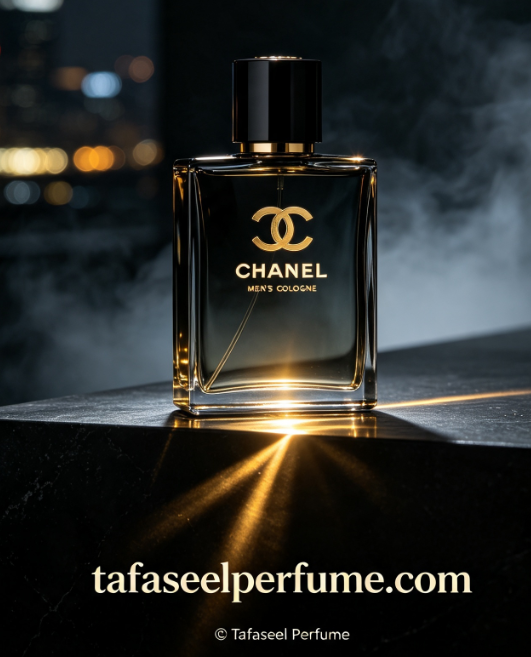
- Chanel Men’s Cologne · The Velvet Architecture of Prestige & the Sillage of Unspoken Confidence: Chanel men’s cologne is not merely a fragrance — it is a statement of timeless elegance. From the crisp citrus of Allure to the deep woods of Bleu, each bottle captures the house’s radical sophistication. This guide decodes the allure, the notes, and the silent power of Chanel’s masculine elixirs.
Chanel men’s cologne stands apart in the crowded world of masculine perfumery. Where many brands chase fleeting trends, Chanel builds olfactory architecture that endures. The house’s men’s fragrances are composed like a tailored jacket: precise, balanced, and effortlessly elegant. Whether it’s the aromatic freshness of Pour Monsieur, the smoky depth of Antaeus, or the modern intensity of Bleu de Chanel, each composition is a study in contrast — light and shadow, tradition and audacity. This is fragrance for the man who knows that true luxury whispers; it never shouts. In this article, we dissect the DNA of Chanel’s masculine colognes, exploring their notes, their evolution, and the quiet magnetism they bestow upon the wearer. We’ll also answer the most persistent questions about these iconic scents, ensuring you find the perfect expression of your own sillage.
Architecture of this guide
1. The heritage of Chanel masculine cologne · 2. Bleu de Chanel – the modern classic · 3. Pour Monsieur – the original icon · 4. Antaeus – the leathery rebel · 5. Allure Homme – the magnetic elegance · 6. How to wear Chanel cologne like a connoisseur · 7. Chanel vs. other niche houses – the silent distinction · 8. The future of Chanel men’s cologne · 9. The complete note breakdown
explore each chapter below
1. The heritage of Chanel masculine cologne
Chanel men’s cologne traces its roots to 1955, when the house introduced Pour Monsieur – a groundbreaking fresh-chypre that redefined masculine fragrance. Unlike the heavy, animalic scents of the era, Chanel opted for clarity: lemon, verbena, and a whisper of oakmoss. This was not a fragrance for the battlefield, but for the boardroom and the boulevard. The heritage is one of restraint; every note is chosen with the same rigor as a Coco Chanel garment. Over decades, the masculine collection expanded, each new release honouring the founding principle: “Fashion fades, style remains.” Today, Chanel’s men’s colognes are worn by those who appreciate the architecture of silence – a scent that announces presence without a word.
The maison’s perfumers, from Henri Robert to Jacques Polge and now Olivier Polge, have guarded this legacy with almost monastic dedication. The result is a portfolio that feels cohesive, yet each fragrance possesses its own distinct personality. To wear Chanel is to enter a lineage of understated power – a sillage that outlasts the fleeting impressions of mainstream masculine fragrances.
2. Bleu de Chanel – the modern classic
Bleu de Chanel (2010) is perhaps the most recognisable Chanel men’s cologne of the 21st century. Created by Jacques Polge, it was a deliberate departure from the fresh-citrus archetype. Bleu is built on a bed of New Caledonian sandalwood, with a burst of citrus from Sicily and a smoky veil of incense and vetiver. The fragrance is paradoxically both crisp and warm – a blue hour captured in a bottle. It is not a scent of the sea, but of the sky at twilight; a meditation on freedom and depth. The EDT, EDP, and Parfum concentrations offer varying intensities, but all share the same magnetic dry-down that has made Bleu a global bestseller. It is the cologne for the modern man who is comfortable in his own skin – confident, refined, and quietly audacious.
What sets Bleu apart is its versatility: it works as effortlessly with a t-shirt as with a tuxedo. The sillage is moderate, leaving a trail that invites closeness rather than demanding attention. For many, Bleu de Chanel is the definitive entry point into the house’s masculine universe – a fragrance that bridges the gap between tradition and contemporary sensibility.
3. Pour Monsieur – the original icon
Pour Monsieur (1955) is the cornerstone of Chanel men’s cologne. It was the first fragrance Chanel ever created for men, and it remains a paragon of elegance. The composition is deceptively simple: a zesty lemon and neroli opening, a heart of cardamom and coriander, and a base of oakmoss and vetiver. This is a chypre of luminous clarity – a fragrance that smells like a crisp white shirt on a spring morning. Pour Monsieur is not loud; it is refined. It does not chase trends; it defines them. For the discerning man, this is the scent of intellectual allure – the fragrance of a writer, an architect, or a connoisseur of quiet pleasures.
Despite its age, Pour Monsieur feels remarkably contemporary. Its freshness is never sharp, its warmth never heavy. It is a masterclass in balance, and it has inspired countless imitators, though none have captured its particular magic. To wear Pour Monsieur is to connect with the very DNA of Chanel – a legacy of simplicity, sophistication, and timeless appeal.
4. Antaeus – the leathery rebel
Antaeus (1981) represents the darker, more assertive side of Chanel men’s cologne. Named after the mythological giant, this fragrance is a potent blend of leather, patchouli, and labdanum, with a castoreum note that lends a raw, animalic edge. Antaeus was a bold departure from the freshness of Pour Monsieur – it was a scent for the 1980s power generation, yet it retains a cult following today. The opening is sharp with clary sage and lemon, but it quickly descends into a smoky, resinous heart that feels almost primal. This is not a cologne for the faint of heart; it is for the man who owns the room, who revels in his own intensity.
Antaeus is often described as “the forgotten masterpiece” – overshadowed by Bleu, but revered by fragrance aficionados. Its sillage is potent, its longevity remarkable. It is a testament to Chanel’s willingness to explore the full spectrum of masculinity, from the luminous to the shadowy. For those who seek a cologne with gravitas and history, Antaeus delivers in spades.
5. Allure Homme – the magnetic elegance
Allure Homme (1999) introduced a new chapter in Chanel men’s cologne. Created by Jacques Polge, it was the first to use the “allure” concept – a fragrance designed to attract, to seduce through sheer sophistication. The composition is a blend of citrus, pepper, and tonka bean, with a distinctive signature of Madagascar vanilla and cedar. Allure Homme is warm, spicy, and incredibly smooth – a scent that feels like a cashmere sweater. It projects an aura of effortless charm, making it ideal for the man who values both style and substance.
The Allure line has since expanded with variations like Allure Homme Sport and Allure Homme Édition Blanche, each offering a different facet of the same magnetic character. But the original remains a benchmark – a cologne that balances freshness and warmth with unparalleled finesse. It is the fragrance of a gentleman who knows that true allure comes from within, but a little help from Chanel never hurts.
6. How to wear Chanel cologne like a connoisseur
Wearing Chanel men’s cologne is an art, not a routine. The first rule: less is more. Chanel’s compositions are potent and sophisticated; two to three sprays on pulse points (wrists, neck, behind the ears) are sufficient. Avoid rubbing the wrists together – this breaks the fragrance’s delicate top notes. Instead, let the cologne dry naturally. For maximum longevity, apply after a shower when the skin is still slightly damp, and follow with an unscented moisturiser to lock in the scent. Consider layering with the matching deodorant or aftershave for a more cohesive olfactory experience.
Seasonal matching is also key: fresh, citrus-forward colognes like Pour Monsieur shine in spring and summer, while woody, leathery scents like Antaeus and Bleu de Chanel EDP are perfect for autumn and winter. Ultimately, the most important element is confidence – Chanel cologne is an extension of your presence, not a mask. Wear it with the same ease you would wear a well-tailored jacket, and it will become an indispensable part of your identity.
7. Chanel vs. other niche houses – the silent distinction
In the realm of luxury fragrance, Chanel men’s cologne occupies a unique space. Unlike many niche houses that chase novelty with obscure ingredients, Chanel adheres to a philosophy of refinement. The difference is palpable: where others may be loud or experimental, Chanel is composed and considered. The brand’s in-house perfumers have access to the finest raw materials, and they wield them with restraint. This is not a fragrance that screams for attention; it is one that commands respect through its quiet authority.
Compared to artisanal niche brands, Chanel offers a consistency and timelessness that is rare. A bottle of Bleu de Chanel bought today will smell the same in a decade – a testament to the house’s unwavering standards. For the discerning man, Chanel is not a trend; it is a benchmark. It is the fragrance equivalent of a classic watch or a bespoke suit – an investment in style that never depreciates.
8. The future of Chanel men’s cologne
As the fragrance industry evolves, Chanel men’s cologne remains at the forefront of innovation without sacrificing heritage. Recent releases like the Bleu de Chanel Parfum and the limited-edition Les Exclusifs line demonstrate the maison’s commitment to pushing boundaries while honouring tradition. Sustainability is also becoming a key focus, with Chanel investing in responsible sourcing of ingredients like sandalwood and citrus. The future promises a continued exploration of olfactive contrasts – light and shadow, freshness and depth – as the house refines its masculine portfolio for a new generation of discerning wearers.
There is speculation about new launches that may reinterpret classic codes, perhaps with a greater emphasis on natural ingredients or a more minimalist aesthetic. But one thing is certain: Chanel will never compromise on quality or elegance. The future of Chanel men’s cologne is as luminous as its past – a testament to the enduring power of style over fashion.
9. The complete note breakdown
Understanding the architecture of Chanel men’s cologne requires a deep dive into its notes. Here is a comparative breakdown of the core masculine fragrances:
Pour Monsieur – Top: Lemon, Neroli, Verbena; Heart: Cardamom, Coriander; Base: Oakmoss, Vetiver, Cedar.
Bleu de Chanel (EDP) – Top: Lemon, Mint, Pink Pepper; Heart: Ginger, Nutmeg, Jasmine; Base: Incense, Sandalwood, Vetiver.
Antaeus – Top: Clary Sage, Lemon, Thyme; Heart: Patchouli, Labdanum, Rose; Base: Leather, Castoreum, Oakmoss.
Allure Homme – Top: Lemon, Bergamot, Mandarin; Heart: Pepper, Nutmeg, Jasmine; Base: Vanilla, Tonka Bean, Cedar.
Each composition is a masterclass in balance – the top notes provide a fleeting brilliance, the heart reveals the character, and the base lingers as a memory. Together, they create the unmistakable sillage of Chanel: elegant, enduring, and unmistakably masculine.
Frequently asked questions about Chanel men’s cologne
Bleu de Chanel (EDT or EDP) is widely considered the most versatile. Its fresh-woody composition works in any season, day or night, and for any occasion – from the office to a formal event. It is the quintessential modern all-rounder.
Longevity varies by concentration: EDTs last around 4-6 hours, EDPs 6-8 hours, and Parfum up to 10+ hours. Bleu de Chanel Parfum and Antaeus are known for their exceptional staying power, often lingering on clothes for days.
Absolutely. Chanel uses high-quality natural ingredients, and its perfumers are among the most skilled in the world. The sillage, longevity, and sheer elegance of these fragrances justify the investment. They are classics that never go out of style.
The EDT is fresher and more citrus-forward, with a sharper opening and lighter dry-down. The EDP is richer, with more prominent incense, sandalwood, and a warmer, deeper finish. The Parfum is the most concentrated, offering a velvety, intense experience.
Yes! Chanel’s masculine fragrances are beautifully unisex in spirit. Many women prefer the woody, citrus, or leathery profiles of scents like Bleu or Antaeus. Fragrance has no gender – it is about the connection you feel with the scent.
Pour Monsieur and Allure Homme Sport are excellent for summer. Pour Monsieur offers a crisp, citrusy freshness, while Allure Homme Sport adds a touch of aquatic warmth with a creamy base. Both are light, elegant, and perfect for warm weather.
Historically, yes. However, due to IFRA regulations, modern formulations use oakmoss substitutes or lower concentrations to comply with allergen restrictions. Chanel’s perfumers have expertly reworked these classics to maintain their signature character.


