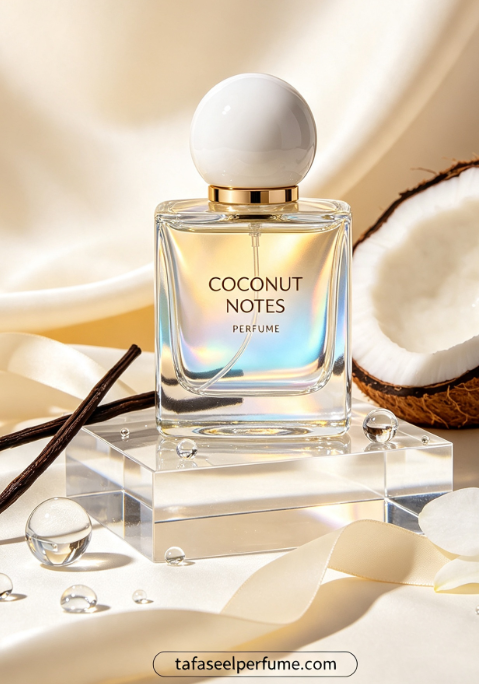
- Coconut Notes Perfume · sunlit warmth & creamy escape: short note · coconut notes perfume is the olfactory equivalent of a white-sand beach at golden hour – creamy, solar, and subtly powdery. It blends raw coconut water, toasted coconut flesh, and exotic florals to create a scent that feels both nostalgic and contemporary.
the long story · coconut has long been a symbol of paradise, yet in perfumery, it is often misunderstood as merely “sunscreen.” But coconut notes perfume is a universe of contrast: the lactonic sweetness of fresh coconut milk, the nutty warmth of dried coconut shavings, and the green bitterness of the husk. When paired with white florals (tiare, frangipani), salty ambergris, or smoky vetiver, coconut reveals a chameleon-like character. This article explores the spectrum of coconut-forward fragrances – from minimalist soli-notes to complex oriental blends – and how to choose, wear, and layer them for every season. We’ll also dive into the cultural mystique of coconut, its role in niche perfumery, and why it’s becoming the new vanilla.
1. The anatomy of coconut · from milk to wood
Coconut is not a single note; it is a symphony of facets. Fresh coconut milk offers a creamy, almost buttery richness, while toasted coconut brings a nutty, caramelized depth. Coconut wood (often used in sustainable perfumery) provides a dry, slightly smoky undertone that grounds the sweetness. In coconut notes perfume, the magic lies in balancing these aspects. A well-crafted composition might open with the watery greenness of coconut water, evolve into a floral-creamy heart, and settle into a woody, musky base. Unisex Perfume collections often feature this multidimensional coconut, proving that it transcends gender.
Modern extraction techniques – from CO₂ extraction of coconut pulp to tinctures of coconut shell – allow perfumers to isolate each nuance. The result: coconut notes perfume that smell photorealistic, not synthetic. Whether you prefer the Women s Perfume category or more Men s Perfume oriented blends, coconut adapts beautifully. Think of it as a blank canvas that absorbs and amplifies whatever it touches.
2. Tropical florals & coconut · a love story
Nothing sings of paradise louder than the union of coconut and tropical white flowers. Tiare (Gardenia tahitensis) and frangipani (Plumeria) share a creamy, indolic sweetness that mirrors coconut’s lactonic texture. Together, they create a sun-drenched, voluptuous aura – the scent of a monsoon flower after rain. Many Perfume Gift Sets celebrate this duo, offering travel-sized versions of iconic island fragrances.
But this pairing is not merely about tourism; it’s an artistic statement. The floral-coconut accord can be brightened with bergamot or deepened with vanilla. When ylang-ylang enters the mix, the fragrance becomes almost intoxicating, with a banana-like fruitiness that dances with the coconut. For an everyday interpretation, look for eau de toilettes that highlight the green-fresh side of tiare, keeping the coconut airy rather than cloying.
3. Salty skin effect · marine coconut accords
One of the most compelling trends in contemporary perfumery is the “skin scent” – and coconut plays a starring role. When blended with sea salt, ambergris, or calone, coconut notes perfume transforms into a scent that smells like warm, sun-kissed skin after a swim. The saltiness cuts through the creaminess, adding a mineral, almost savory quality. Deodorant & Antiperspirant lines have also adopted this marine-coconut vibe for a fresh, clean feel.
This olfactory illusion is achieved through molecules like coconut aldehyde (which provides the nutty note) and ambroxan (for the skin-like warmth). The result is a fragrance that feels intimate and addictive – perfect for those who want to smell “naturally good.” Many niche brands now offer coconut-salt perfumes that are minimalist yet unforgettable, often housed in recycled glass bottles that echo the eco-conscious ethos of the genre.
4. Gourmand coconut · edible & addictive
If you have a sweet tooth, gourmand coconut perfumes are your paradise. Here, coconut is paired with caramel, praline, cacao, or maple syrup, creating a scent that is almost edible. The trick is to avoid oversweetness; a pinch of saffron or black pepper adds intrigue. Children Baby s Perfume often feature a soft, non-alcoholic coconut-vanilla blend, proving that gourmand coconut is universally loved.
For adults, the gourmand coconut category includes masterpieces like coconut-rum and coconut-tonka bean combos. These fragrances evoke warm desserts, but with a twist – maybe a hint of tobacco or leather to balance the sweetness. When wearing a gourmand coconut, apply it to pulse points (wrist, inner elbow) and let the heat of your skin release the boozy, vanillic layers. It’s a scent that works beautifully in autumn and winter, offering comfort like a cashmere blanket.
5. Green coconut · the husk & leaf facet
Before the coconut becomes creamy, it is green – and this green facet is a perfumer’s secret weapon. Green coconut notes evoke the smell of freshly cut grass, unripe fruit, and the moist inner husk. They are crisp, slightly bitter, and wonderfully refreshing. This aspect is often used in Fragrance Gels and summer colognes because it feels like a splash of cold water.
When combined with mint, basil, or cucumber, green coconut becomes a sophisticated, modern accord that challenges the cliché of sweet coconut. It’s a favorite among minimalist brands who want to showcase a more “dry” coconut – less sunscreen, more botanical garden. For the adventurous, green coconut can even be paired with galbanum or pine to create a forest-meets-beach contrast that is utterly unique.
6. Niche coconut · smoky, spicy & unexpected
In niche perfumery, coconut is often deconstructed and reimagined. Think smoked coconut (achieved with cade or birch tar), spiced coconut (with cardamom, clove, or cumin), or earthy coconut (paired with patchouli or vetiver). These bold creations are not for the faint-hearted; they challenge the notion of coconut as merely “pretty.” Spa & Fragrance collections sometimes include these avant-garde coconut blends for those seeking a sensory journey.
One remarkable example is coconut infused with saffron and oud – the creaminess of the coconut tames the barnyard facet of oud, while the oud adds an animalic depth that makes the coconut feel luxurious. Another direction is coconut with rhubarb and pink pepper – a tart, sparkling opening that dries down to a woody, almost dry coconut. These niche interpretations are often found in the Ranking sections of perfume blogs, where connoisseurs debate their complexity.
7. How to wear coconut notes · seasons & occasions
Contrary to popular belief, coconut notes perfume is not only for summer. The key is in the composition. Light, aquatic coconuts shine in spring and summer – they are fresh, uplifting, and blend with salty skin. Rich, woody coconuts are perfect for fall and winter, offering warmth and comfort. For evening events, a coconut-incense or coconut-leather fragrance feels sensual and mysterious. Beauty experts often recommend layering a coconut body oil with a floral eau de parfum to customize the intensity.
Occasion matters too: a green coconut cologne is ideal for the office or a daytime brunch, while a gourmand coconut is better suited for date nights or cozy gatherings. And don’t forget your skin chemistry – coconut tends to amplify on warm skin, so start with a light spray and build. Whether you explore Tafaseel signature blends or independent niche houses, the world of coconut perfume is vast, playful, and deeply personal.


