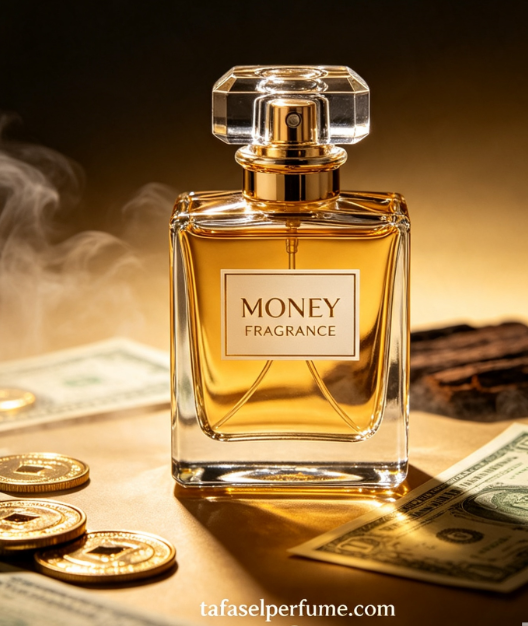
- Money Fragrance · The Velvet Architecture of Prestige & the Sillage of Quiet Wealth: ⌇ short brief — Money fragrance isn’t merely a scent; it is an olfactory emblem of discernment. It whispers of rare ingredients, artisanal blending, and the silent confidence that comes with true luxury. This is where aroma meets aspiration.
⌇ long brief — The term “money fragrance” has evolved beyond a casual descriptor into a cultural cipher. It signifies perfumes that carry the weight of heritage, the precision of high perfumery, and the intangible magnetism of prestige. These are not fragrances you wear; they are signatures you leave in a room — a trail of amber, iris, or Oud that commands attention without a single word. In this guide, we dissect the architecture of these opulent scents, from raw materials to the psychology of “expensive” olfactory notes, and why certain perfumes become synonymous with power, elegance, and timeless allure. Whether you are a collector, a curious novice, or a connoisseur, this exploration will recalibrate how you perceive the fragrance on your skin.
⟡ contents
1. The olfactory architecture of money: materials that murmur luxury
2. Sillage as status: how projection redefines presence
3. Niche vs. designer: where does true money fragrance live?
4. The psychology of expensive notes: why we crave what costs more
5. Flacons & flaçons: the visual grammar of high-end perfumery
6. Layering for opulence: the secret art of the wealthy
7. Investment-worthy bottles: when fragrance becomes heirloom
8. The future of money fragrance: sustainability meets exclusivity
1. The olfactory architecture of money: materials that murmur luxury
At the heart of every money fragrance lies a lexicon of rare and precious raw materials. Think of Oud from Assam, iris butter from Florence, or ambergris that has drifted for decades. These are not merely ingredients; they are statements. The cost of these materials is often prohibitive, which naturally filters mass production from true artistry. A perfume that opens with a burst of saffron or settles into a leathery labdanum carries the weight of centuries-old trade routes. Houses that master these materials — like the maisons featured in our brand archives — understand that luxury is not about loudness, but about depth. The architecture is built molecule by molecule, each one chosen for its rarity and its ability to evolve on the skin. This is why a single spritz of a money fragrance can feel like an heirloom; it contains the memory of forests, flowers, and the hands that harvested them.
2. Sillage as status: how projection redefines presence
In the world of high perfumery, sillage — the trail a fragrance leaves behind — is as important as the scent itself. A money fragrance does not shout; it lingers. It wraps around the wearer like a bespoke suit, announcing arrival long before a handshake. The projection is carefully calibrated: not too aggressive, yet unmistakably present. Perfumers achieve this through a balance of top, heart, and base notes, with fixatives like benzoin or musk that anchor the composition. When you walk into a room wearing a fragrance from our men’s collection or women’s edit, the sillage becomes your invisible signature. It is a form of non-verbal communication that signals taste, attention to detail, and an understanding of subtle power. The wealthy know this: they invest in sillage that speaks of confidence, not desperation.
3. Niche vs. designer: where does true money fragrance live?
This is the perennial debate among fragrance connoisseurs. Designer houses offer accessibility and brand recognition, but niche perfumery is where money fragrance truly thrives. Niche brands often source ingredients that are scarce, use higher concentrations of perfume oil, and avoid the “crowd-pleasing” shortcuts that mass-market releases rely on. However, some designer exclusives — like the private blends from the most expensive brand perfumes — blur the line, offering the best of both worlds. The true money fragrance connoisseur seeks out artisanal distillations, limited batches, and bespoke compositions. It is not about the logo on the bottle, but the story inside. Niche perfumery respects the wearer’s intelligence, offering complexity that unfolds over hours. Designer fragrances, at their best, can capture a mood; niche fragrances capture a soul. And that soul is what we call money fragrance.
4. The psychology of expensive notes: why we crave what costs more
There is a psychological phenomenon at play when we encounter a fragrance that costs as much as a luxury handbag. Our brains associate price with quality, but more intriguingly, with status and exclusivity. Scents that feature Oud, Rose de Mai, or Orris trigger a primal recognition of rarity. Moreover, the complexity of these fragrances — the way they shift from citrus to spice to wood over hours — mirrors the complexity we desire in our lives. A money fragrance is not a fleeting pleasure; it is a companion. It becomes part of your identity. Our deep dive into expensive perfumes reveals that the wearer is often seeking a form of self-actualization. The fragrance is a talisman, reminding them of their achievements and aspirations. The craving for costly notes is not mere vanity; it is an investment in one’s own narrative.
5. Flacons & flaçons: the visual grammar of high-end perfumery
The bottle is the first chapter of the money fragrance story. Heavy glass, magnetic caps, intricate engravings — these are not accidents. The flacon is designed to be handled, to be displayed, to be coveted. Perfume houses like the ones we curate invest as much in the vessel as in the juice. A crystal flacon with a gold-plated collar signals that what lies inside is precious. But beyond aesthetics, the design also preserves the fragrance: UV-protective glass, airtight seals, and inner chambers that minimize oxidation. The visual grammar of luxury perfumery is a language of anticipation. When you unbox a money fragrance, you are performing a ritual. The weight of the cap, the click of the closure, the first spray — all of it reinforces the value. This is why gift sets and limited-edition flacons are so prized: they are objets d’art that happen to smell divine.
6. Layering for opulence: the secret art of the wealthy
Layering is the insider secret of the fragrance elite. It is not about dousing yourself in multiple perfumes; it is about orchestrating a symphony. The wealthy often layer a woody base with a floral heart and a citrus top to create a bespoke scent that no one else possesses. The key is understanding the molecular weight of each note: heavier bases like sandalwood or patchouli anchor the lighter ones. Some use unscented lotions to extend longevity, while others apply perfume to pulse points and then spritz a second fragrance into the air, walking through the mist. Houses like Jo Malone have even built entire collections around this philosophy. Layering transforms a money fragrance from a statement into a conversation — between notes, between moments, and between the wearer and the world.
7. Investment-worthy bottles: when fragrance becomes heirloom
Some fragrances transcend mere purchase and become investments. Limited releases, vintage formulations, and discontinued masterpieces can appreciate in value over time. But more importantly, they become olfactory heirlooms. A bottle of Initio Parfums Rehab or a rare Terre d’Hermès women’s edition carries a story that can be passed down. The scent becomes associated with memories — a wedding, a promotion, a journey. This is the intangible value of money fragrance. When you choose a perfume that is crafted with the finest ingredients, you are not just buying a smell; you are buying a moment preserved in amber. Collectors often seek out our ranking of top-tier fragrances to identify which bottles will stand the test of time. The true connoisseur knows that a well-chosen fragrance is as enduring as a fine watch or a piece of art.
8. The future of money fragrance: sustainability meets exclusivity
The next era of luxury perfumery is being shaped by a paradox: exclusivity must now coexist with sustainability. The wealthy consumer of tomorrow demands not only rare ingredients but also ethical sourcing, transparency, and environmental stewardship. Houses are turning to biotechnology to produce sustainable Oud, fair-trade initiatives for florals, and refillable flacons to reduce waste. This is not a compromise; it is an evolution. The money fragrance of the future will be defined by craftsmanship that respects the planet. Our spa and fragrance section highlights how wellness and luxury are converging. As the industry moves forward, the most prestigious perfumes will be those that tell a story of both opulence and responsibility. The sillage of quiet wealth will now carry the whisper of a better world — and that is the most intoxicating note of all.
FAQ — money fragrance decoded
A money fragrance is typically characterized by high-quality, rare ingredients, complex composition, and a price point that reflects craftsmanship. It is less about the brand name and more about the olfactory richness and longevity. Often, these perfumes use higher concentrations of perfume oil (extrait or parfum) and avoid synthetic fillers. They are designed to evolve on the skin and leave a memorable sillage.
Not always, but generally, higher prices reflect better raw materials, more nuanced blending, and greater stability. However, there are excellent affordable fragrances that punch above their weight. The key is to look for quality over hype. That said, money fragrances often offer a depth and complexity that mass-market scents cannot replicate due to cost constraints.
Evaluate the longevity (how long it lasts on skin), sillage (how far it projects), and the dry-down (how it smells after several hours). Read about the ingredient list — natural extracts and absolutes are good signs. Also, consider the house’s reputation. Brands with a heritage of perfumery, like those featured in our brand directory, are usually reliable.
Absolutely. The concept of “gender” in fragrance is increasingly fluid. Many money fragrances are marketed as unisex, focusing on notes like Oud, sandalwood, iris, and citrus that transcend traditional boundaries. Our unisex perfume collection showcases how these scents can be worn by anyone seeking sophistication.
Keep them away from light, heat, and humidity. The ideal place is a dark, cool closet or a drawer. Avoid storing them in bathrooms. If possible, keep the perfume in its original box. Proper storage can preserve the integrity of the fragrance for decades, making your money fragrance a true heirloom.
Layering can enhance the complexity and longevity of a fragrance. When done with complementary notes, it creates a bespoke scent that is uniquely yours. However, with money fragrances that are already complex, layering should be subtle — use a matching body lotion or a single complementary note to avoid clashing. Experimentation is key.


