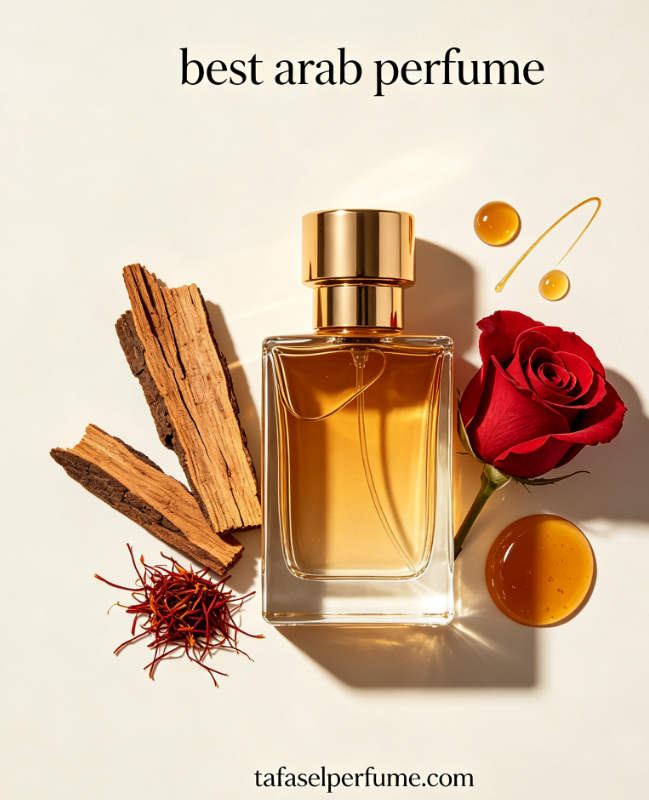
- Best Arab Perfume · The Olfactory Architecture of Luminous Resin & Velvet Shadow: ✦ Short brief — Beyond fragrance, best Arab perfume is an art of contrast: luminous citrus lifted by midnight oud, rose petal softened by smoke, and amber that glows like desert dusk. This is scent as architecture, built with layers of light, shadow, and heritage.
✦ Long brief — The world of best Arab perfume is not simply a category; it is a living tradition that weaves together ancient distillation techniques, rare raw materials, and an uncompromising vision of beauty. From the souks of Oman to the ateliers of Dubai, Arabian perfumery has always favored depth over fleeting impression, complexity over simplicity. This is olfactory architecture: a structure built with top notes that sparkle like sun on sand, heart notes that bloom with the richness of Taif rose or saffron, and base notes that anchor everything in the warm, resinous embrace of agarwood, benzoin, and musk. In this guide, we explore the pillars of this art—from the most coveted oud oils to the contemporary oriental blends that are redefining modern luxury. Whether you are a seasoned collector or a curious newcomer, these fragrant compositions will transport you to a realm where scent is memory, identity, and poetry.
01. Oud & The Soul of the East
Oud, or agarwood, is the undisputed cornerstone of best Arab perfume. It is not a note but a presence—dark, resinous, and hypnotic. The finest oud comes from the infected heartwood of the Aquilaria tree, where the tree produces a resinous defense that becomes the most prized fragrance material on earth. In Arabian perfumery, oud is often used as a solo star or as the foundational layer that supports florals and spices. Its scent profile shifts from creamy and vanilla-like to smoky and leathery, depending on the region and distillation method. When you wear a true Arabian oud, you are wearing centuries of history—a scent that has accompanied kings, poets, and travelers across the desert. It is both intimate and monumental, a fragrance that leaves a sillage of mystery and authority. For many, oud is not a perfume; it is a signature.
Within the category of best Arab perfume, oud blends are often balanced with rose, saffron, or amber to soften its intensity, but the purist prefers the raw, unadulterated oil. Whether you choose a barnyard-forward Hindi oud or a more refined Cambodian variety, the experience is transformative. It is the scent of the eternal, capturing the heat of the sun and the cool of the night in every drop.
02. Rose of Taif · The Petal & The Thorn
The Rose of Taif is the jewel of Arabian florals. Grown in the mountainous region of Taif in Saudi Arabia, this rose is harvested at dawn and distilled into an oil that is both delicate and potent. Unlike its Bulgarian or Turkish cousins, Taif rose has a spicy, almost tea-like undertone, with a bright lemony top and a honeyed, velvety heart. In the realm of best Arab perfume, it is often paired with oud to create a classic “rose-oud” duo that is as timeless as it is luxurious. The rose does not merely sit on top of the oud; it intertwines with it, creating a dialogue between the floral and the woody, the light and the dark. This is the scent of royal gardens and ancient rituals, a fragrance that evokes both tenderness and strength. When worn, the Taif rose reveals layers of emotion—joy, longing, and a quiet, dignified sensuality.
Beyond the traditional blend, contemporary perfumers are using Taif rose in innovative ways, pairing it with pink pepper, saffron, and even smoky incense. It is a versatile note that can be the star of a fresh spring composition or the anchor of a heavy, wintery oriental. For those seeking the best Arab perfume, any composition that features Taif rose is likely to be a masterpiece of balance and beauty.
03. Amber & The Warmth of Caravan Nights
Amber in Arabian perfumery is not fossilized resin but a sweet, warm, and powdery accord typically built from labdanum, benzoin, and vanilla. It evokes the golden glow of desert sands and the comfort of a campfire under a star-dusted sky. In the hierarchy of best Arab perfume, amber is often the heart that bridges the top and base notes, providing a smooth, creamy transition. It is the scent of skin after a long day, slightly sweet, slightly salty, and wholly human. Amber can be found in everything from the most extravagant attars to everyday oils, and it is a note that both men and women can wear with equal grace. Its warmth makes it an ideal companion for cooler months, but its airy quality allows it to shine in the summer evenings as well.
When amber is combined with oud or musk, the result is a fragrance of profound depth—a scent that seems to glow from within. It is the olfactory equivalent of a soft cashmere shawl, wrapping you in an embrace that is both protective and alluring. For those who appreciate the sweeter side of oriental perfumery, amber is a cornerstone note that never fails to captivate.
04. Saffron & The Spice Route of Desire
Saffron is the golden thread that runs through many of the best Arab perfume compositions. Its scent is leathery, hay-like, and slightly metallic, with a bitter-sweet edge that adds complexity and brightness. Saffron is often used as a top note to provide a vibrant opening that captures attention before the deeper heart notes unfold. In Arabian perfumery, saffron is rarely used alone; it is usually paired with rose, oud, or amber to create a multifaceted experience. The combination of saffron and rose is particularly beloved, as the spice enhances the floral's natural radiance, making it feel more luminous and expansive. This is a scent that speaks of opulence and exoticism, of bustling spice markets and silk caravans.
From a sensory perspective, saffron adds a "crunchy" or "crisp" texture to a perfume, giving it a unique dimension that is both intriguing and addictive. It is a note that demands attention but never overwhelms, making it a favorite among perfumers who seek to create fragrances that are both bold and refined. When exploring the world of Arabian scents, look for saffron as a sign of quality and artistry—it is often the mark of a perfume that has been crafted with care and intention.
05. Musk · The Invisible Veil of Elegance
Musk is the ghost note of perfumery—an ethereal, animalic scent that enhances everything it touches. In Arabian tradition, musk is often used as a fixative, giving longevity and radiance to the fragrance. It can be clean and soapy, or deep and sensual, depending on whether it is synthetic or natural (though natural musk is now rare and replaced by ethical synthetic alternatives). In the context of best Arab perfume, musk is often the base that lingers on the skin long after the top notes have faded, leaving a trail of warmth and intimacy. It is the scent of skin itself, heightened and idealized.
Musk is also used in layering—a practice that is central to Arabian perfumery. By applying a musk oil before spraying a heavier perfume, you create a personalised aura that is uniquely yours. This is the invisible veil of elegance, a subtle but powerful signature that makes a lasting impression. For those who prefer lighter scents, white musk offers a fresh, airy alternative that still captures the essence of this timeless note.
Deodorant & Antiperspirant Body Art Skin Care & Tools
06. Modern Arab · The New Wave of Niche
The landscape of best Arab perfume is evolving, with a new generation of perfumers blending traditional ingredients with avant-garde techniques. This is the "New Wave" of niche Arabian perfumery—fragrances that are experimental, minimalist, and often gender-fluid. They still use oud, rose, and saffron, but they present them in unexpected ways: oud with metallic notes, rose with green tea, saffron with sea salt. These modern compositions are designed for the global citizen, someone who appreciates heritage but craves innovation. Brands are now experimenting with sustainable sourcing, unusual distillations, and artistic collaborations that push the boundaries of what Arabian perfume can be.
For the discerning wearer, these new fragrances offer a fresh perspective on an ancient art. They are lighter, more transparent, and yet still deeply rooted in the emotional and cultural resonance of the Orient. Whether you are looking for a signature scent or a statement piece, the modern Arab perfume scene has something that will surprise and delight. This is the future of luxury: intelligent, respectful, and endlessly creative.
07. Layering · The Architecture of Custom Scent
Layering is an ancient practice in Arabian perfumery, and it remains one of the most effective ways to achieve a truly personal fragrance. By combining a base oil (such as a pure oud or musk) with a lighter floral or spicy perfume, you can create a unique olfactory profile that shifts throughout the day. The secret lies in understanding the structure of notes: start with the heaviest, most persistent base, then add lighter layers on top. This approach allows you to control the intensity and complexity of your scent, making it as subtle or as bold as you wish. In the world of best Arab perfume, layering is not a compromise but an art—a way to honor tradition while expressing individuality.
Many experts recommend layering a white musk oil under a rose-oud blend to add a creamy, powdery dimension, or combining a saffron-heavy fragrance with an amber-based one to create a warm, spicy gourmand effect. The possibilities are endless, and the journey of discovery is part of the pleasure. With a little experimentation, you can build a scent that is entirely your own—a fragrant architecture that tells your story.
Frequently Asked Questions
Arab perfumes focus on depth, longevity, and natural raw materials like oud, musk, and Taif rose. They often have higher oil concentrations and are meant to be worn as personal signatures rather than fleeting fashion statements. Western perfumes tend to be lighter and more linear, while Arab scents are complex, evolving, and deeply resonant.
Not always, but oud is certainly the most iconic. Many best Arab perfume compositions feature oud as a central note, but others highlight rose, saffron, amber, or even citrus. The key is the harmony and the intensity of the blend, regardless of the star note.
Apply to pulse points—wrists, behind the ears, and the base of the throat. For oil-based attars, use the applicator wand to dab a small amount; for sprays, mist from a distance. Layering with a matching body oil or musk can enhance the longevity and sillage.
Absolutely. While some traditional compositions are extremely potent, there is a wide range of lighter, more versatile Arab perfumes perfect for daily use. Modern niche brands offer fresh interpretations that work well in office or casual settings.
Keep it in a cool, dark place away from direct sunlight and temperature fluctuations. A wooden box or a drawer is ideal. Proper storage can preserve the delicate notes for years, especially with precious oils like oud and rose.
Yes, layering is a beloved tradition. Start with a base oil (musk or amber), then add a floral or spicy perfume on top. Experiment with ratios and combinations to create your unique signature. The result is often more interesting than any single fragrance.
Explore more: Designer Women’s · Men’s Cologne Guide · Children & Baby · Spa & Fragrance · Beauty Equipment


