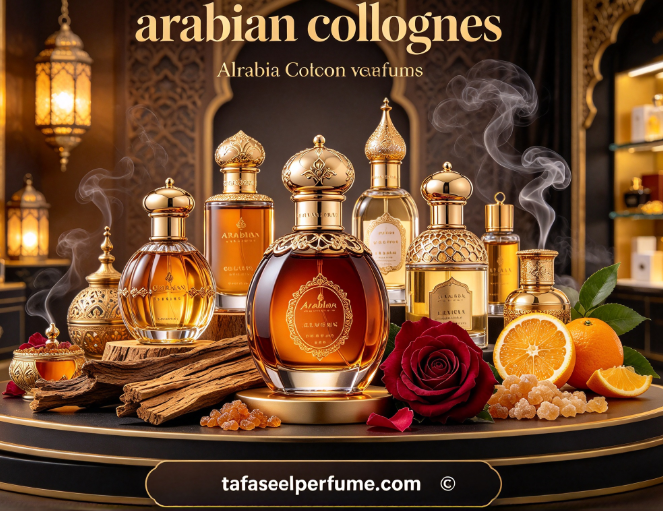
- Arabian Colognes: The Ultimate Guide to Timeless Oriental Fragrances, Rich Oud Notes, and Modern Middle Eastern Perfumery: Arabian colognes represent one of the most captivating and historically rich categories in the world of perfumery. Unlike traditional Western colognes that often rely on light citrus and aquatic notes, Arabian colognes are built around deep, resinous, and long-lasting ingredients such as oud, amber, musk, saffron, and rose.
Arabian colognes represent one of the most captivating and historically rich categories in the world of perfumery. Unlike traditional Western colognes that often rely on light citrus and aquatic notes, Arabian colognes are built around deep, resinous, and long-lasting ingredients such as oud, amber, musk, saffron, and rose. These fragrances tell stories of desert nights, ancient trade routes, and royal courts, offering wearers a sense of luxury, mystery, and cultural heritage. Whether you are a seasoned collector or a curious newcomer, understanding Arabian colognes opens the door to a sensory world that is both opulent and spiritually grounding.
In this comprehensive guide, we will explore the origins, ingredients, and modern interpretations of Arabian colognes. You will learn how to choose the right scent for your personality, how to wear them properly, and why they have become a global phenomenon. We will also answer the most common questions about Arabian colognes, from longevity and layering to cultural etiquette and storage. By the end, you will have a complete roadmap to navigating this exotic and rewarding fragrance family. For those who appreciate heritage scents, you may also enjoy our guide on Heritage Fragrance: The Ultimate Guide to Timeless Scents, Rich History, and Modern Appeal, which complements the themes discussed here.
1. What Are Arabian Colognes? Defining a Fragrance Family
Arabian colognes are not simply perfumes made in the Arabian Peninsula; they are a distinct olfactory tradition. The term often refers to concentrated oil-based fragrances, known as attar or ittar, which are alcohol-free or low-alcohol. These scents are deeply rooted in Bedouin culture, where fragrance was used for hospitality, religious rituals, and personal adornment. Key characteristics include a high concentration of perfume oils, a focus on base notes like oud and amber, and an emphasis on longevity and sillage. Unlike Western eau de toilettes, Arabian colognes are applied sparingly and often last for days on fabric. They are designed to evolve slowly on the skin, revealing layers of complexity over time. This makes them both an art form and a practical luxury. For a broader look at how these fit into global perfumery, see our article on Parfum My Burberry Black: The Ultimate Guide to the Bold, Sensual, and Iconic Fragrance, which shares some of the same bold, sensual qualities.
2. The Historical Roots of Arabian Colognes: From Ancient Trade to Royal Courts
The history of Arabian colognes stretches back thousands of years. The Arabian Peninsula was a crossroads for the incense trade, with frankincense and myrrh from Oman and Yemen being prized in ancient Egypt, Rome, and Persia. As Islam spread, the use of fragrance became intertwined with religious practice, as the Prophet Muhammad encouraged cleanliness and pleasant scents. Scholars and perfumers in Baghdad, Damascus, and Cairo refined distillation techniques, creating the first true attars. By the medieval period, Arabian colognes were a symbol of status and sophistication. Royal courts in Andalusia and the Ottoman Empire commissioned bespoke blends. This rich history explains why Arabian colognes often feel spiritual and regal. They are not just products; they are artifacts of a civilization that valued scent as a bridge between the earthly and the divine. If you are interested in British heritage perfumery, our guide on Floris Turnbull & Asser 71 72: A Fragrant Heritage of British Tailoring offers a fascinating parallel.
3. Key Ingredients in Arabian Colognes: Oud, Amber, Musk, and Beyond
To truly appreciate Arabian colognes, you must understand their ingredients. The most famous is oud (agarwood), a dark, resinous wood formed when Aquilaria trees are infected by mold. Oud is smoky, woody, and animalic, often described as the "wood of the gods." Amber in Arabian perfumery is not the fossilized resin but a blend of labdanum, vanilla, and benzoin, creating a warm, sweet, and powdery base. Musk adds a sensual, skin-like quality, traditionally derived from the musk deer but now mostly synthetic. Saffron brings a leathery, spicy, and slightly metallic nuance. Rose, especially Taif rose from Saudi Arabia, is a cornerstone, offering a jammy, honeyed floral note. Other common ingredients include sandalwood, patchouli, jasmine, cardamom, and frankincense. These materials are often blended in high concentrations, and the resulting Arabian colognes are powerful, complex, and unforgettable. For a modern take on floral explosions, you might enjoy Flowerbomb Viktor Rolf: The Ultimate Guide to the Iconic Explosive Floral Fragrance, which shares the intensity of Arabian blends.
4. How to Choose Your First Arabian Cologne: A Beginner's Roadmap
Choosing your first Arabian cologne can be intimidating. Start by identifying which scent families you already enjoy. If you love warm, spicy, and woody scents, you will likely gravitate toward oud-based Arabian colognes. If you prefer sweet and floral, look for rose-oud combinations or amber-heavy blends. Consider the occasion: lighter attars with citrus and floral notes are perfect for daytime, while deep oud and musk are ideal for evenings and special events. Sampling is essential. Many retailers offer discovery sets or decants. Apply a small amount to your pulse points and let it develop for at least an hour. Remember that Arabian colognes are often unisex, so don't be constrained by gendered marketing. Our guide on Unisex Perfume can help you explore this further. Also, pay attention to concentration: attar is pure oil, while eau de parfum versions are more diluted and easier to wear. For a comparison with Western designer scents, see Fahrenheit Dior Mens: The Ultimate Guide to the Iconic Masculine Fragrance.
5. The Art of Layering Arabian Colognes for a Signature Scent
Layering is a cherished practice in the world of Arabian colognes. Because these fragrances are often linear and powerful, combining them can create a bespoke scent that is uniquely yours. The classic approach is to start with a base of oud or amber oil, then add a rose or saffron attar on top. You can also layer a Western eau de parfum with an Arabian oil to add depth and longevity. For example, a citrus cologne can be enhanced with a drop of musk oil. When layering, apply the heaviest, most resinous scent first, then the lighter ones. Allow each layer to dry for a minute before adding the next. This technique is common in the Middle East, where perfume is a form of self-expression. If you enjoy gourmand scents, try layering a vanilla-based Arabian cologne with a sweet Western perfume like Where to Buy Pink Sugar Perfume: Your Ultimate Guide to Finding This Sweet, Iconic Scent. The possibilities are endless.
6. Occasions and Etiquette: When and How to Wear Arabian Colognes
Arabian colognes are versatile, but they carry cultural weight. In many Middle Eastern cultures, wearing fragrance is a sign of respect and hospitality. It is customary to offer perfume to guests, and refusing can be seen as impolite. For daily wear, choose lighter attars or modern interpretations that are less intense. For weddings, religious holidays, and formal events, richer ouds and ambers are appropriate. Be mindful of the environment: in offices or enclosed spaces, use a light hand, as Arabian colognes can be overpowering. A single dab on the wrist or behind the ear is often enough. During Ramadan, many people prefer alcohol-free attars. Also, note that Arabian colognes are often applied to the hair and beard, as the oils nourish while perfuming. If you are looking for a bold, sensual scent for evening wear, consider Parfum My Burberry Black: The Ultimate Guide to the Bold, Sensual, and Iconic Fragrance, which shares a similar nocturnal appeal.
7. Modern Arabian Colognes: Niche Houses and Global Influences
In recent decades, Arabian colognes have undergone a renaissance. Niche houses in the UAE, Saudi Arabia, and Kuwait have gained international acclaim, blending traditional ingredients with modern perfumery techniques. Brands like Amouage, Ajmal, Rasasi, and Swiss Arabian are now sold worldwide. Meanwhile, Western designers have incorporated oud and amber into their own collections, creating a fusion style. This globalization has made Arabian colognes more accessible than ever. You can find them in department stores, online retailers, and specialized boutiques. The rise of social media has also played a role, with influencers showcasing their favorite attars and layering combinations. For a look at how a classic Western house interprets boldness, see Moschino Original Perfume: The Complete Guide to the Iconic Scent & Its World. The cross-pollination continues to enrich the fragrance world.
8. Storing and Preserving Your Arabian Cologne Collection
Arabian colognes, especially oil-based attars, require proper storage to maintain their integrity. Exposure to light, heat, and humidity can degrade the delicate molecules. Store your bottles in a cool, dark place, ideally in their original boxes. A dedicated perfume cabinet or a drawer away from sunlight is perfect. Avoid storing them in bathrooms, where temperature fluctuations are common. If you have rollerball attars, keep them upright to prevent leakage. For alcohol-based Arabian colognes, ensure the caps are tightly closed to prevent evaporation. With proper care, these fragrances can last for decades, and some even improve with age, like fine wine. If you are interested in preserving other luxury items, our article on Zen Shiseido: The Ultimate Guide to Serene Beauty, Timeless Fragrance, and Mindful Self-Care offers a mindful approach to beauty rituals.
9. Arabian Colognes for Men: Bold, Woody, and Unapologetically Masculine
While many Arabian colognes are unisex, there is a distinct category marketed for men. These often feature aggressive oud, leather, tobacco, and spice notes. They are designed to project power, confidence, and sophistication. Popular choices include blends with saffron, cedar, and vetiver. For men who are used to Western colognes, Arabian colognes can feel intense at first, but their warmth and depth are addictive. They are particularly well-suited for evening events, cooler weather, and formal occasions. If you enjoy affordable but bold masculine scents, you might also like Suave Men Cologne: The Ultimate Guide to Affordable, Bold, and Timeless Masculine Fragrance. Remember, when wearing Arabian colognes for men, a little goes a long way.
10. Arabian Colognes for Women: Floral, Sweet, and Sensually Complex
Women's Arabian colognes often spotlight rose, jasmine, orange blossom, and sweet resins like amber and vanilla. They can be intensely floral or gourmand, and many are designed to be worn layered. The traditional Taif rose is a star ingredient, prized for its rich, velvety aroma. Modern interpretations include fruity notes like peach and berry, combined with oud for a contemporary twist. For women who love classic floral fragrances, Daisy Dream Fragrance: The Ultimate Guide to Marc Jacobs' Whimsical, Dreamy, and Enchanting Scent offers a whimsical alternative, but Arabian colognes provide a deeper, more mysterious allure. When choosing a women's Arabian cologne, consider whether you want a fresh floral for daytime or a rich, resinous blend for nights out.
11. The Role of Oud in Arabian Colognes: The "Liquid Gold" of Perfumery
Oud is the heart and soul of many Arabian colognes. Also known as agarwood, it is one of the most expensive raw materials in the world. The best oud comes from Assam, Cambodia, and Laos, but the Arabian Peninsula has its own traditions of blending and aging oud oils. Oud can be smoky, leathery, animalic, or even sweet and fruity, depending on its origin and distillation. In Arabian colognes, oud is often paired with rose, saffron, or amber to create a harmonious balance. It is believed to have meditative and grounding properties. For collectors, oud is an obsession. If you are curious about other iconic ingredients, our guide on Riri Rihanna Perfume: The Ultimate Guide to Rihanna's Iconic Fragrance Collection shows how celebrities build their own scent legacies.
12. Affordable Arabian Colognes: Luxury Without the Price Tag
Many people assume that Arabian colognes are prohibitively expensive. While pure oud oils can cost hundreds or thousands of dollars, there are plenty of affordable options. Brands like Al-Rehab, Nabeel, and Surrati offer high-quality attars at very reasonable prices. These often come in small rollerball bottles and pack a powerful punch. You can also find budget-friendly Arabian colognes from Middle Eastern drugstores and online marketplaces. The key is to read reviews and sample before committing to a full bottle. For more smart savings on fragrance, check out Coupon for Fragrance.net: Smart Savings on Perfume, Cologne, and Beauty Esse. With a little research, you can build a stunning collection of Arabian colognes without breaking the bank.
13. Arabian Colognes vs. Western Perfumes: Key Differences Explained
The main differences between Arabian colognes and Western perfumes lie in composition, concentration, and application. Western perfumes are typically alcohol-based, with a pyramid of top, heart, and base notes that evolve quickly. Arabian colognes are often oil-based, with a linear or slowly evolving structure that emphasizes base notes. They are also more concentrated, so you need less. Culturally, Western perfumes are often marketed as fashion accessories, while Arabian colognes are tied to tradition, hospitality, and spirituality. Scent profiles differ too: Western perfumes favor fresh, citrus, and aquatic notes, while Arabian colognes embrace resinous, spicy, and animalic notes. Neither is better; they are simply different art forms. For a Western take on luxury, see Johan B Perfume: A Comprehensive Guide to Elegance, Variety, and Signature Scents.
14. The Future of Arabian Colognes: Sustainability, Innovation, and Trends
The future of Arabian colognes is bright but faces challenges. Sustainability is a major concern, as wild agarwood is endangered. Many brands are now investing in plantation-grown oud and synthetic alternatives that mimic the scent without harming forests. Innovation is also driving the category, with new extraction methods and eco-friendly packaging. Trends point toward lighter, more wearable Arabian colognes that appeal to younger consumers, as well as limited-edition collaborations with fashion designers. Social media will continue to play a role in discovery. As the world becomes more connected, Arabian colognes will likely become even more integrated into global perfumery. For a glimpse of how other brands innovate, read Coupon Code for Fragrance.net: Your Ultimate Guide to Saving Big on Perfume in 2026.
15. Frequently Asked Questions About Arabian Colognes
Q1: What is the difference between attar and Arabian cologne?
Attar is a pure, oil-based fragrance, often made from natural ingredients and without alcohol. Arabian cologne is a broader term that can include attars as well as alcohol-based sprays inspired by Arabian scent profiles. In practice, many people use the terms interchangeably.
Q2: Are Arabian colognes suitable for sensitive skin?
Oil-based attars are often gentler than alcohol-based sprays, but they can still cause irritation if you are allergic to certain essential oils. Always do a patch test before applying widely. If you have very sensitive skin, consult a dermatologist.
Q3: How long do Arabian colognes last?
Because of their high concentration, Arabian colognes can last anywhere from 8 hours to several days on fabric. On skin, they typically last 6 to 12 hours, depending on the blend and your body chemistry.
Q4: Can I wear Arabian cologne to the office?
Yes, but choose lighter blends and apply sparingly. Strong oud and musk can be overwhelming in close quarters. A single dab on the wrist is usually sufficient.
Q5: How do I store my Arabian colognes?
Keep them in a cool, dark place, away from direct sunlight and heat. Original boxes are ideal. Avoid bathrooms due to humidity. Properly stored, they can last for many years.
Q6: Are Arabian colognes only for men or women?
Most Arabian colognes are unisex. While some are marketed specifically for men or women, the scent profiles are not inherently gendered. Wear what you love.
Q7: What is the best way to apply Arabian cologne?
Apply a small amount to pulse points: wrists, behind the ears, and the base of the throat. You can also apply to hair or beard for a longer-lasting scent. Do not rub; let it dry naturally.
Q8: Can I layer Arabian cologne with my regular perfume?
Absolutely. Layering is a common practice. Start with the heavier Arabian cologne as a base, then add your lighter Western perfume on top. Experiment to find your signature combination.
Q9: Are there affordable Arabian colognes for beginners?
Yes, brands like Al-Rehab and Nabeel offer excellent quality at low prices. Many online retailers sell sample sets so you can try before investing in a full bottle.
Q10: What are the most popular Arabian cologne brands?
Some of the most renowned brands include Amouage, Ajmal, Rasasi, Swiss Arabian, Al Haramain, and Abdul Samad Al Qurashi. Each has its own signature style and range.


