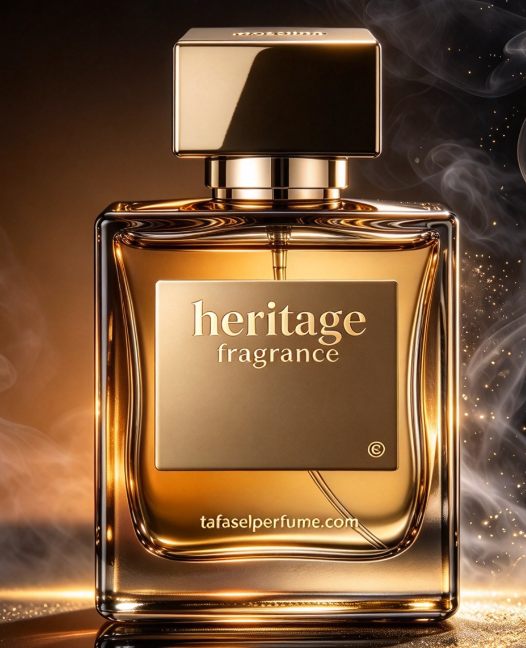
- Heritage Fragrance: The Ultimate Guide to Timeless Scents, Rich History, and Modern Appeal: Heritage fragrance is more than a scent—it is a story bottled in time. From century-old perfume houses to modern niche ateliers, heritage fragrances carry the weight of tradition, craftsmanship, and olfactory memory. This guide explores what makes a fragrance truly “heritage,” why these scents still matter today, and how to choose one that resonates with your personal style.
Whether you are a collector, a curious beginner, or someone searching for a signature scent with depth and meaning, understanding heritage fragrance opens a door to a richer world of perfumery. You will discover iconic compositions, the notes that define them, and practical advice for wearing and buying these timeless classics. For those exploring broader categories, you may also enjoy our guides to Unisex Perfume and Women’s Perfume.
What Is Heritage Fragrance? A Definition Beyond the Bottle
Heritage fragrance refers to perfumes that have stood the test of time, often originating from historic houses or representing a significant era in perfumery. These scents are not merely old—they are influential. They have shaped trends, inspired generations of perfumers, and maintained a loyal following across decades. A heritage fragrance typically features a well-documented formula, a distinct olfactory identity, and a narrative tied to its brand’s history. Think of classics like Guerlain’s Shalimar, Chanel No. 5, or Creed’s Aventus—each is a heritage piece, though from different eras and styles. The term also applies to regional traditions, such as German eau de cologne or Arabian oud blends.
The Role of History and Craftsmanship in Heritage Scents
What separates a heritage fragrance from a fleeting trend is the depth of its craftsmanship. Traditional perfumery relies on methods such as enfleurage, distillation, and maceration, often using rare or expensive raw materials. Many heritage houses still age their compositions for months or years before bottling. This slow process allows notes to meld, creating a smooth, complex drydown that modern mass-market perfumes rarely achieve. Additionally, heritage fragrances often come with archival records—formulas passed down through generations, sometimes guarded as trade secrets. This connection to human skill and patience gives heritage scents a soul that synthetic shortcuts cannot replicate.
Iconic Heritage Fragrance Houses You Should Know
Several perfume houses are synonymous with heritage. Guerlain, founded in 1828, is one of the oldest and most revered, with classics like Jicky and Mitsouko. Chanel introduced No. 5 in 1921, revolutionizing fragrance with its abstract floral-aldehyde structure. Creed, established in 1760, began as a tailoring house for royalty before turning to perfume. 4711 created the original eau de cologne in the 18th century, a refreshing citrus blend that remains popular. Other heritage names include Houbigant, Caron, Dior (with Miss Dior), and Yves Saint Laurent (with Opium). Each house has a distinct DNA, and exploring their archives is like walking through a museum of scent. You can find many of these brands through our Brands page.
Key Notes and Accords That Define Heritage Fragrance
Heritage fragrances often feature a recognizable palette of notes. Chypre (bergamot, oakmoss, patchouli, labdanum) is a classic accord, as seen in Mitsouko. Fougère (lavender, coumarin, oakmoss, geranium) defines masculine heritage, from Fougère Royale to Azzaro pour Homme. Floral aldehydes are the signature of Chanel No. 5. Amber and oriental notes (vanilla, resins, spices) appear in Shalimar and Opium. Leather and tobacco add depth to many vintage masculines. Oud and rose are central to Middle Eastern heritage. Understanding these accords helps you identify and appreciate heritage compositions, even as modern perfumers reinterpret them.
Why Heritage Fragrance Still Matters in Modern Perfumery
In an era of fast fashion and disposable trends, heritage fragrance offers permanence and authenticity. These scents are time capsules, allowing wearers to connect with the past while making a personal statement. Many modern niche perfumers draw directly from heritage formulas, either by recreating them or using them as a springboard for innovation. Moreover, heritage fragrances often have higher concentrations of natural ingredients, which can translate to better longevity and projection. For consumers tired of synthetic overload, heritage scents provide a more nuanced, evolving experience on the skin. They also hold value—vintage bottles can appreciate, and the stories behind them add emotional richness.
How to Choose Your First Heritage Fragrance
Start by identifying which fragrance families you already enjoy. If you love fresh citrus, explore classic eau de colognes like 4711. If you prefer warm, spicy scents, try Shalimar or Opium. If you like green or mossy profiles, seek out chypres like Mitsouko. Next, consider concentration: eau de cologne, eau de toilette, eau de parfum, or parfum. Heritage extraits are often richer and more expensive. Sampling is essential—order decants or visit a boutique that carries vintage or classic lines. Pay attention to how the scent develops over hours, not just the top notes. Finally, trust your nose: a heritage fragrance should feel like an extension of you, not a costume. For more curated options, see our Ranking section.
Storing and Preserving Your Heritage Fragrance Collection
Heritage fragrances, especially vintage bottles, are sensitive to light, heat, and oxygen. Store them in a cool, dark place—ideally a dedicated drawer or cabinet, away from bathrooms. Keep bottles tightly sealed and upright. If you have a large collection, consider keeping boxes to protect from light. Some collectors use parafilm to seal sprayer nozzles. Avoid decanting into plastic; glass is best. With proper care, a heritage fragrance can last decades, sometimes improving with age as certain notes mellow. However, citrus top notes may fade over time, so rotate your collection and enjoy bottles while they are at their peak.
Heritage Fragrance vs. Modern Niche: What’s the Difference?
Heritage fragrance is rooted in history and often produced by established houses with long traditions. Modern niche, by contrast, emerged in the late 20th and early 21st centuries, focusing on artistic expression, rare ingredients, and small-batch production. Niche brands may create heritage-inspired scents, but they are not heritage themselves unless they have stood the test of time. Heritage scents tend to have a classic structure—top, heart, base—while modern niche may be more experimental or linear. Both have value, but heritage offers a sense of continuity and cultural weight that niche often lacks. Understanding the difference helps you articulate what you are looking for.
The Emotional Power of Heritage Fragrance: Memory and Identity
Scent is the most powerful trigger of memory, and heritage fragrances are loaded with associative meaning. A grandmother’s bottle of Chanel No. 5, a father’s bottle of Old Spice, a first love’s Dior—these scents become part of our personal narratives. Wearing a heritage fragrance can evoke nostalgia, confidence, or elegance. It can also signal taste and knowledge. For many, heritage scents are a way to honor tradition while asserting individuality. They connect us to a larger story of perfumery, reminding us that beauty can be timeless. This emotional dimension is why heritage fragrances remain relevant despite changing trends.
Exploring Regional Heritage: French, Italian, Arabian, and More
Heritage fragrance is not monolithic. French perfumery is known for elegance and innovation, from Grasse’s flowers to Parisian houses. Italian heritage includes citrus-heavy eau de colognes and leathery chypres. Arabian heritage is rich in oud, rose, amber, and musk, with a tradition of attar and bakhoor. German heritage gave us 4711 and other colognes. British heritage includes barbershop fougères and lavender waters. Japanese heritage leans toward incense and subtle botanicals. Exploring regional heritage broadens your appreciation and helps you find scents that align with your cultural or aesthetic preferences. Many of these regional treasures are available through our Perfume articles and Beauty guides.
Frequently Asked Questions About Heritage Fragrance
What makes a fragrance “heritage”?
A heritage fragrance is one with historical significance, often from a long-established house, with a formula that has endured and influenced perfumery over decades. It carries tradition, craftsmanship, and a recognizable identity.
Are heritage fragrances only for older people?
Not at all. Many younger wearers are drawn to heritage scents for their complexity, authenticity, and timeless style. They can be worn by anyone who appreciates depth and history.
How can I tell if a heritage fragrance is authentic?
Buy from reputable retailers, check batch codes, and examine packaging details. Vintage bottles may have slight variations, but counterfeits often have poor printing or misspellings. For a detailed guide, see our article on Fake vs Real Perfume.
Do heritage fragrances last longer?
Often yes, because they may contain higher concentrations of natural ingredients and base notes like resins, woods, and musks. However, longevity also depends on concentration, skin type, and storage.
Can I wear a heritage fragrance every day?
Absolutely. Many heritage scents are versatile enough for daily wear. Lighter colognes and eau de toilettes are perfect for daytime, while richer extraits suit evenings.
Where can I buy heritage fragrances?
Specialty perfume shops, department stores, online retailers, and brand boutiques. For a curated selection, explore our Mini Size & Gift Sets and Perfume Gift Sets.
What is the difference between heritage and vintage?
“Vintage” refers to a specific older bottle or formulation, while “heritage” describes an ongoing lineage or classic status. A heritage fragrance can be bought new; a vintage one is from a past era.
Are heritage fragrances worth the price?
For many, yes. They offer superior craftsmanship, history, and often better performance. However, there are affordable heritage options too, such as classic colognes and drugstore staples.
How do I start a heritage fragrance collection?
Begin with samples or decants of iconic scents. Identify notes you love, then explore houses and eras. Join fragrance communities, read reviews, and take your time. Our Perfume Articles can guide you.
Can heritage fragrances be unisex?
Yes. Many heritage scents predate strict gender marketing and are worn by all. Examples include Jicky, Mitsouko, and 4711. See our Unisex Perfume collection for more.


