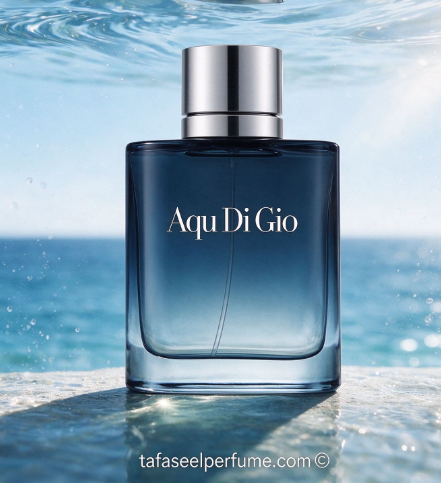
- aqu di gio — the phrase people type when they half-remember a legend: aqu di gio — the phrase people type when they half-remember a legend. It is not a typo to be corrected; it is a doorway into one of the most consequential men’s fragrances ever composed: Acqua di Giò by Giorgio Armani. Since 1996, this aquatic signature has sold a bottle every five seconds and redefined what “fresh” means on skin.
aqu di gio — the phrase people type when they half-remember a legend. It is not a typo to be corrected; it is a doorway into one of the most consequential men’s fragrances ever composed: Acqua di Giò by Giorgio Armani. Since 1996, this aquatic signature has sold a bottle every five seconds and redefined what “fresh” means on skin. Below is a complete, independent walkthrough of the DNA, the ladder of flankers, and the practical logic of wearing it well — written for the person who searched aqu di gio and wants a real answer, not a redirect.
Quick Intro
Aqua di Gio is shorthand for Acqua di Giò Pour Homme, the 1996 Alberto Morillas composition that turned the smell of Pantelleria’s volcanic coastline — sea spray, citrus peel, sun-warmed cedar — into a wearable masculine archetype. The original is an aromatic aquatic: bergamot and neroli lift a marine core, while patchouli and cedar keep it from drifting into soap. What followed is not a single scent but a family of flankers, each pulling the same DNA toward more depth, more mineral bite, or more resinous weight. If you are here because you typed aqu di gio and want to know which version actually fits your life, the sections below map the whole ladder.
Full Introduction
The story begins with a vacation house. Giorgio Armani bought a home on Pantelleria in 1981 and became fixated on the island’s confrontation of light, air, and water — the sea’s immensity against volcanic rock. Acqua di Giò, launched in 1996, was his attempt to bottle that specific Mediterranean luminosity rather than a generic “ocean” accord. It worked because the structure was unusual: a wide citrus-floral opening that eventually gives way to a saline-mineral heart and a woody-musky base that behaves like skin rather than cologne. The original Eau de Toilette remains the most complimented and most immediately recognizable version, but the line has since expanded into a ladder of concentrations and reinterpretations: Profumo (2015, incense-darkened, now discontinued), Profondo (2020, greener and more mineral), Eau de Parfum (2022, refillable and slightly denser), and Parfum (2023, resinous and grounded). Each flanker strips the original’s sprawling 1990s pyramid down to a tighter handful of materials — marine notes, a citrus top, an aromatic heart, and a mineral or woody base — which is why the family feels coherent even when the moods diverge sharply. The result is a fragrance line that functions less like a single “best” answer and more like a wardrobe: the EDT for heat and daylight, Profondo for versatility, the EDP for longevity, Parfum for weight. The sections below treat aqu di gio not as a spelling variant but as the entry point to that entire decision.
Table of Contents
1. What “aqu di gio” actually refers to — and why the spelling matters less than the DNA
2. The original EDT: why a 1996 aquatic still feels modern
3. Profondo, Profumo, Parfum: mapping the flanker ladder without hype
4. Season, occasion, and application: wearing Aqua di Gio without overspraying
5. Longevity and layering: practical fixes for a fresh scent that fades
6. Aqua di Gio vs. the “blue fragrance” crowd: what actually separates it
7. Who should buy which version — and who should skip the line entirely
1. What “aqu di gio” actually refers to — and why the spelling matters less than the DNA
Search engines see aqu di gio, acqua di gio, aqua di gio, and acqua di giò as near-neighbors because the fragrance-buying public has never been precious about accents or doubled consonants. The correct Italian name is Acqua di Giò, and it belongs exclusively to the Giorgio Armani men’s line. This distinction matters because Armani also sells Acqua di Gioia, a separate women’s fragrance family built around citrus, red fruits, rose, and watery jasmine — a different brief entirely. When people type aqu di gio, they almost never mean Gioia. They mean the men’s aquatic that became the reference point for an entire generation of fresh colognes. The practical takeaway: ignore the spelling noise and focus on the concentration code. EDT is the bright original. Profondo is the mineral-green modernizer. Profumo is the discontinued incense-darkened cult favorite. Parfum is the resinous, cooler-weather statement. Once you know which code you are actually shopping for, the name becomes secondary. If you are exploring other fresh signatures while you are here, the house’s broader curation of “Ac” perfumes is a useful side door into adjacent profiles.
2. The original EDT: why a 1996 aquatic still feels modern
The 1996 Eau de Toilette is not a simple sea-salt spray. Its published pyramid is unusually wide for a modern fresh scent: lime, lemon, bergamot, orange, mandarin, and neroli sit alongside jasmine and freesia in the opening; the heart carries sea notes, Calone, rosemary, peach, hyacinth, violet, cyclamen, coriander, rose, and nutmeg; the base lands on white musk, cedar, oakmoss, patchouli, and amber. That density is a 1990s signature — a big, bright citrus-floral-marine accord rather than the stripped-back three-material formulas that dominate current releases. What makes it endure is the balance: the citrus is sharp but not acidic, the marine facet is salty rather than melon-sweet, and the woody-musky base prevents the whole thing from evaporating into a shower-gel abstraction. It is present without filling a room, polished without feeling stiff, and fresh without smelling like a functional product. For daily wear in warm weather — office, commute, travel, weekend — this restraint is the point. If you want the purest expression of the aqu di gio idea, the EDT is still the reference. For a deeper dive into how fresh, clean profiles get built across the category, the guide to lightweight layering rituals is a useful parallel read.
3. Profondo, Profumo, Parfum: mapping the flanker ladder without hype
The flanker ladder is where most buyers get lost, because each version uses the same marine vocabulary but changes the syntax. Profondo (2020) is the most versatile modernizer: it keeps the sea notes and bergamot but adds green mandarin, rosemary, lavender, cypress, and a mineral-amber base that reads deeper and smoother than the EDT without losing the aquatic identity. Profumo (2015) was the critical darling — the same marine opening pulled into incense and patchouli darkness, elegant and dressed-up — but it has been discontinued and now trades at collector prices. Eau de Parfum (2022) is the balanced daily compromise: marine notes and green mandarin over clary sage, lavender, and a mineral-vetiver-patchouli base, with a refillable bottle and better longevity than the EDT. Parfum (2023) is the heaviest rung: bergamot and marine accord over rosemary, sage, olibanum, and patchouli, turning the fresh DNA toward resin and warmth for cooler weather and evening wear. The ladder is not a hierarchy of quality; it is a hierarchy of weight. EDT is the lightest and brightest. Profondo is the most balanced modern aquatic. EDP is the easiest all-day signature. Parfum is the most grounded. Profumo, if you find it, is the most dramatic. If you are also comparing other designer men’s wardrobes, the Dolce & Gabbana Hombre guide applies the same ladder logic to a different house.
4. Season, occasion, and application: wearing Aqua di Gio without overspraying
Fresh aquatics are easy to overspray because they seem to disappear on the wearer faster than they disappear on everyone else. The practical rule is fewer sprays, better placement. Start with one to two pumps on pulse points — wrists, neck, chest — from roughly 10–15 cm away, and stop there. In spring and summer, aim the spray at the upper body and outer clothing so the marine-citrus top notes can breathe; in autumn and winter, add a third spray to the inside of a jacket to give the base more warmth to cling to. Avoid rubbing your wrists together; pressing rather than rubbing preserves the top-heart-base transition instead of crushing the opening into the base. Fabric matters too: crisp cotton and linen support the airy quality, while heavy leather or dense wool can flatten the freshness and make the composition feel muddled. Scented fabric softeners are a common culprit — they chemically collide with the jasmine and floral facets and produce a muddy, synthetic drydown. If you need more presence without more sprays, a matching aftershave or body product from the same family extends longevity without changing the silhouette. The barbershop-aesthetic guide is a useful comparison for understanding how application and grooming context change a fresh scent’s read.
5. Longevity and layering: practical fixes for a fresh scent that fades
Citrus-forward aquatics are structurally prone to short longevity because the brightest molecules are also the most volatile. You cannot make an EDT behave like an extrait, but you can slow the fade. The most reliable fix is an unscented moisturizer or a thin layer of petroleum jelly on the pulse points before spraying; the oil base gives the fragrance something to cling to and measurably slows evaporation. Layering with a matching shower gel or aftershave balm from the same line is the second lever — it builds a low-intensity base of the same DNA so the fragrance has somewhere to land. Do not layer aqu di gio with a heavy oriental or a sweet gourmand unless you are deliberately experimenting; the marine-mineral structure collapses under dense resins and the result smells like two fragrances arguing. If you want a longer-lasting version of the same idea without moving into a different family, Profondo and the EDP are the structural upgrades rather than “stronger EDTs” — they are built with denser base materials and fewer volatile top notes. For a broader look at how mini formats and sample sets can help you test longevity before committing to a full bottle, the tiny perfume samples guide is directly relevant.
6. Aqua di Gio vs. the “blue fragrance” crowd: what actually separates it
The market is saturated with blue-tinged fresh fragrances, and the temptation is to file aqu di gio alongside all of them. The difference is historical and compositional. Acqua di Giò was among the first masculine fragrances to give a olfactory signature to the blue of the sea rather than to a generic “fresh” idea, and its marine accord was built to evoke saltwater on sun-warmed skin, not a synthetic shower gel. The original’s wide citrus-floral-marine structure also gives it a naturalism that many later blue fragrances lack: the florals and herbs are not decoration, they are the bridge between the citrus top and the woody base. Where modern blue fragrances often rely on a single loud aromachemical for projection, the aqu di gio DNA is quieter and more lateral — it sits close to the skin, moves with the body, and becomes a personal scent rather than a room announcement. That is why it still functions as a reference point for “clean” and “masculine” even when the wearer does not recognize the name. If you are building a broader fresh wardrobe, the fresh floral guide offers a useful counterpoint on how the same “light and blooming” logic is handled outside the masculine aquatic space.
7. Who should buy which version — and who should skip the line entirely
Buy the EDT if you want the original, brightest, most complimented expression of the idea and you accept moderate longevity. Buy Profondo if you want a modern, versatile daily aquatic with more mineral depth and better staying power than the EDT. Buy the Eau de Parfum if you want the same DNA with a refillable bottle, softer edges, and all-day wearability without moving into resinous territory. Buy Parfum if you already know you love the line and want a cooler-weather, evening-weight version with olibanum and patchouli grounding the marine notes. Hunt down Profumo only if you specifically want the discontinued incense-darkened interpretation and you are comfortable with collector pricing. Skip the line entirely if you dislike citrus-forward openings, if you want a loud projector, or if your skin chemistry consistently turns marine notes metallic — no concentration will fix that. If you are shopping for someone else and are unsure, a mini size or gift set is a lower-risk entry point than a full bottle, and the men’s perfume category is the correct shelf to browse the broader family alongside other fresh signatures.
Frequently Asked Questions about Aqua di Gio
Is “aqu di gio” the same as Acqua di Giò?
Yes. “Aqu di gio” is a common search spelling of Acqua di Giò, the Giorgio Armani men’s fragrance line launched in 1996. The correct Italian spelling includes the doubled c and the accented ò, but the fragrance is the same. The important distinction is between Acqua di Giò (men’s aquatic) and Acqua di Gioia (a separate women’s line), which are not interchangeable.
Which Acqua di Giò version is the best for everyday wear?
For most people, the Eau de Toilette is the best everyday choice in warm weather because it is the brightest and least likely to overwhelm a room. If you want better longevity and a slightly denser texture without leaving the aquatic family, Profondo is the most versatile modern upgrade. The Eau de Parfum is the best “one bottle for day-to-night” compromise if longevity matters more than absolute freshness.
Has Acqua di Giò Profumo been discontinued?
Yes. Profumo (2015) has been discontinued, and remaining stock now sells at collector prices on the secondary market. It remains a cult favorite because of the incense-and-patchouli darkness it brought to the marine DNA, but it is no longer a normal retail purchase. The closest in-production alternative in terms of weight is the Parfum, though Parfum is more resinous than incense-smoky.
How many sprays of Aqua di Gio should I use?
Start with one to two sprays on pulse points (wrists, neck, chest) from about 10–15 cm away. Fresh aquatics become nasal-fatiguing quickly, so the wearer often stops smelling them before everyone else does. In summer, two sprays is usually enough for an office or daytime setting. In cooler weather, you can add one spray to the inside of a jacket, but resist the urge to compensate for perceived fading by spraying more — the base will outlast the top notes by several hours.
Does Aqua di Gio last longer on moisturized skin?
Yes, meaningfully so. Applying an unscented moisturizer or a thin layer of petroleum jelly to the pulse points before spraying gives the fragrance an oil base to cling to and slows the evaporation of the volatile citrus and marine top notes. The effect is not permanent, but it can add a few hours of wearable presence, especially on dry skin or in air-conditioned environments.
Can I layer Aqua di Gio with other fragrances?
Layering works best within the same family. A matching aftershave or body product from the Acqua di Giò line is the safest and most coherent choice because it reinforces the same DNA without changing the silhouette. Layering with a sweet gourmand or a heavy oriental is risky: the marine-mineral structure tends to collapse under dense resins, and the result can smell dissonant. If you want to experiment, use the EDT as a base and add a single spray of a lighter woody or citrus scent rather than a full application of both.
What is the difference between Acqua di Giò and Acqua di Gioia?
They are different fragrance families for different intended wearers. Acqua di Giò is the men’s aquatic line built around marine notes, bergamot, jasmine, cedar, and patchouli. Acqua di Gioia is a women’s line positioned around citrus, red fruits, rose, and watery jasmine. The names are similar enough to cause constant search confusion, but the scent profiles and target audiences are distinct. If you are looking for the legendary men’s aquatic, you want Giò, not Gioia.


