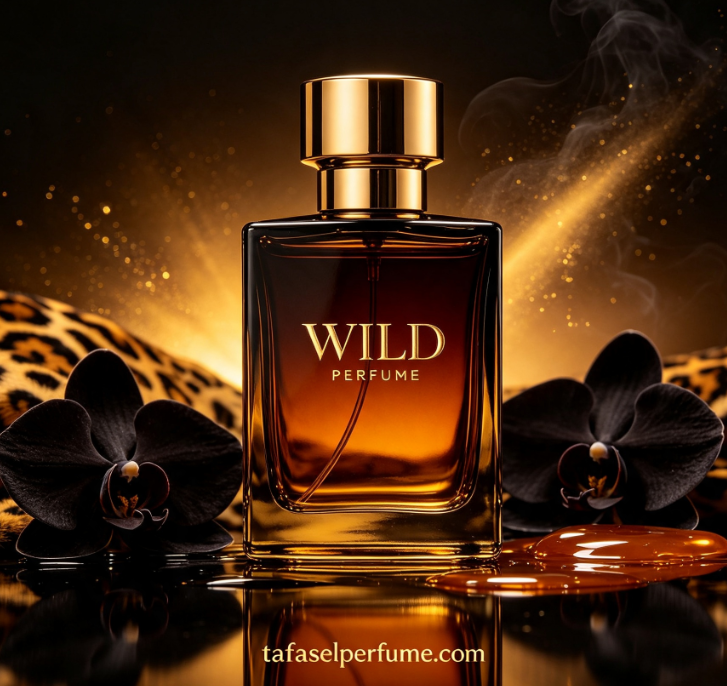
- Wild Perfume: The Untamed Olfactory Architecture of Rebellious Radiance & the Sillage of Unspoken Desires: Wild Perfume is not merely a fragrance—it is an audacious declaration of self. It captures the spirit of the untamed, blending unexpected notes that defy convention. This is the scent for those who walk their own path, leaving a trail of mysterious allure and unforgettable presence.
In the realm of fine fragrance, Wild Perfume stands as a testament to the beauty of nature's raw, unpolished edges. It eschews the predictable floral bouquets and safe, clean musks in favor of a composition that is at once primal and sophisticated. The architecture of a wild perfume is built on contrasts: the bitter snap of green leaves against the honeyed sweetness of rare blooms, the smoky depth of ancient woods lifted by the effervescent sparkle of citrus. It is a journey through a dense, enchanted forest where every twist reveals a new, intoxicating facet. This is not a scent to be worn; it is a scent to be inhabited, a second skin that speaks of adventure, introspection, and a quiet, powerful confidence. Its sillage is legendary—not loud, but deeply resonant, leaving an indelible mark on the memory of all who encounter it. For the connoisseur seeking an authentic, disruptive olfactory experience, Wild Perfume is the ultimate expression of freedom.
Perfume Eternity Moment · The Scent That Outlasts Time
VIKTOR ROLF MIDNIGHT · THE VELVET ARCHITECTURE OF NOCTURNAL SEDUCTION &
Coconut Notes Perfume · sunlit warmth & creamy escape
1. The Uncharted Heart: Defining the Wild Perfume Genre
2. Primal Elegance: Key Notes That Define the Wild Scent
3. The Art of Sillage: How Wild Perfume Leaves Its Mark
4. Choosing Your Wild: A Guide for the Discerning Nose
5. Wild Perfume for Him: The Allure of the Untamed Masculine
6. Wild Perfume for Her: Embracing the Feral Feminine
7. The Unisex Appeal of Wild Perfume: Scent Beyond Boundaries
8. Layering Wild Perfume: Creating a Custom Olfactory Landscape
9. The Evolution of Wild Perfume: From Ancient Rituals to Modern Icons
10. Wild Perfume and Memory: The Emotional Resonance of Primal Scents
11. Wild Perfume in Niche Perfumery: A Connoisseur's Quest
12. The Botany of Wild Perfume: Rare Ingredients and Their Origins
13. Wild Perfume and Sustainability: Ethical Sourcing in the Untamed Realm
14. The Longevity of Wild Perfume: How to Make the Scent Last
15. Wild Perfume and the Night: A Scent for Nocturnal Adventures
16. The Future of Wild Perfume: Trends and Innovations
1. The Uncharted Heart: Defining the Wild Perfume Genre
Wild Perfume defies easy categorization. It is a genre that rebels against the polished, synthetic scents that dominate the market. Instead, it draws inspiration from the natural world in its most unadulterated form—think of the sharp, green bite of crushed leaves, the earthy, damp smell of forest soil after rain, or the smoky, resinous whisper of a distant campfire. This is not a scent for the faint-hearted. It challenges the wearer to embrace complexity and imperfection. The beauty of a wild perfume lies in its unpredictability; it evolves dramatically on the skin, revealing different layers as the day progresses. It's a conversation starter, a statement of individuality, and a sensory experience that transports you to a place far from the mundane. For those tired of the same old floral-fruity blends, wild perfume offers a reinvigorating, daring alternative. It is the auditory equivalent of a symphony played by nature herself, with all its dissonance and harmony.
2. Primal Elegance: Key Notes That Define the Wild Scent
What exactly constitutes a wild perfume note profile? The composition typically eschews sweet, candied accords for more earthy, green, and animalic elements. Think of the bitter, aromatic punch of galbanum, the leathery, tobacco-like depth of labdanum, or the sharp, medicinal clarity of cade and birch tar. These are often layered with unexpected floralcy, such as the indolic, heady richness of jasmine sambac or the cool, metallic quality of iris. The result is a scent that feels organic yet otherworldly. The presence of oud, a resinous heartwood, is a common thread, lending a dark, almost mystical character. Patchouli, with its earthy and slightly sweet undertones, provides a grounding base. Other key ingredients include clary sage, which offers a herbaceous, slightly nutty aroma, and vetiver, a grass with a dry, smoky, and rooty scent. These elements combine to create a fragrance that is both ancient and avant-garde, a true testament to the art of perfumery.
3. The Art of Sillage: How Wild Perfume Leaves Its Mark
The term sillage, meaning the trail left by a perfume, is especially potent when discussing Wild Perfume. Unlike lighter, fleeting eaux de toilettes, a well-crafted wild perfume possesses a profound and captivating sillage. It doesn't just sit on the skin; it radiates outward, creating an invisible aura that announces the wearer's presence before they are even seen. This is due to the use of heavy, tenacious base notes—the resins, woods, and musks—that anchor the fragrance and allow it to project. The sillage of a wild perfume is often described as "addictive" or "intoxicating" because it leaves a lingering, memorable impression. It's a form of olfactory storytelling, leaving a trail of intrigue and desire. For the wearer, this means the fragrance becomes a signature, an extension of their personality that is felt by everyone in their vicinity. Mastering the art of sillage with a wild perfume is about confidence; it's about allowing your scent to be part of the conversation without shouting.
4. Choosing Your Wild: A Guide for the Discerning Nose
Selecting the perfect Wild Perfume is a deeply personal journey. It begins with understanding your olfactory preferences. Do you lean toward the green and herbaceous, or are you drawn to smoky, leathery, and resinous notes? Start by sampling a range of wild perfumes, as the same scent can smell vastly different on different skin chemistries. It is wise to wear a fragrance for at least a few hours before making a decision, as the true character of these complex blends often reveals itself in the dry-down. Consider the season and occasion; a heavier, oud-based wild perfume might be better suited for cooler evenings, while a greener, more citrus-forward composition could be a perfect companion for a crisp autumn day. Don't be afraid to step out of your comfort zone. The most rewarding discoveries often come from unexpected places. Engage with niche perfumeries and seek expert advice; their knowledge can guide you through the vast, untamed landscape of wild fragrances.
5. Wild Perfume for Him: The Allure of the Untamed Masculine
In the world of men's fragrances, Wild Perfume represents a paradigm shift away from standard "blue" or "fresh" aquatic scents. It taps into a more rugged, primal masculinity. Notes like black pepper, vetiver, and juniper berries create a sharp, invigorating opening, while the heart often features tobacco, leather, or a rich, dark whiskey accord. The base is deep and grounding with ingredients such as oakmoss, amber, and patchouli. These are not fragrances designed for the office alone; they are scents for the adventurer, the creative thinker, and the man who embraces his own authenticity. The sillage of these perfumes commands respect and authority, leaving a trail of sophistication. Many men find that a wild perfume resonates with their personal identity far more than conventional fragrances, as it aligns with the modern, multifaceted man who is both strong and sensitive, urban and connected to the earth.
6. Wild Perfume for Her: Embracing the Feral Feminine
For women, Wild Perfume offers an escape from the saccharine and the predictable. It celebrates a different kind of femininity—one that is powerful, mysterious, and untamed. This is evident in perfumes that feature notes of black currant bud, with its sharp, cat-like aura, or the honeyed, animalic richness of narcissus absolute. The floral elements, when present, are often deeply indolic, like tuberose or ylang-ylang, giving them a fleshy, almost carnal quality. These scents are blended with resins and woods to create a juxtaposition of softness and strength. A wild perfume for her is a tool of empowerment, an olfactory armor that is both sensual and unapproachable. It's for the woman who knows her own worth and isn't afraid to be complex. The scent lingers in the air, leaving an enigmatic and unforgettable impression of a woman who is beautifully, fiercely herself.
7. The Unisex Appeal of Wild Perfume: Scent Beyond Boundaries
Perhaps the most compelling aspect of Wild Perfume is its inherent unisex appeal. By focusing on raw, natural, and often abstract notes, these fragrances transcend traditional gender labels. A scent built on a foundation of vetiver, incense, and cedar is as captivating on a woman as it is on a man. The shared language of the wild speaks to a universal human experience, connecting us to nature and our own instincts. This boundary-breaking quality makes wild perfume the ultimate choice for the modern, progressive individual who values scent as an art form, not a social signal. In an era of inclusivity, the ability of a fragrance to be worn and appreciated by anyone, regardless of gender, is a powerful testament to its authenticity and depth. It is the epitome of personal expression, completely unconfined by societal expectations.
8. Layering Wild Perfume: Creating a Custom Olfactory Landscape
Wild Perfume is an excellent candidate for layering, offering the opportunity to craft a truly unique, bespoke scent. The complexity and strength of these fragrances allow them to interact with other scents in fascinating ways. You might start with a base of a dry, woody perfume and layer a greener, more herbaceous scent on top to introduce a fresh, crisp top note. Alternatively, you could combine two contrasting wild perfumes—one smoky and leathery, another honeyed and floral—to create a new olfactory dimension. The key is to experiment. The beauty of layering is that it can tailor a fragrance to a specific mood, season, or time of day. It's an art form that encourages creativity and a deeper understanding of scent composition, allowing you to become the master of your own olfactory landscape.
9. The Evolution of Wild Perfume: From Ancient Rituals to Modern Icons
The concept of wild perfume is not a modern invention. Its roots lie in the ancient practices of using aromatic resins, woods, and herbs for spiritual and ritualistic purposes. Frankincense, myrrh, and spikenard were among the first "wild" perfumes, used in temples and for anointing. These raw, potent materials were believed to connect the user with the divine. Over centuries, perfumery evolved, but the desire for intense, natural, and transformative scents persisted. In the 20th century, perfumers like Jean-Claude Ellena began to champion a return to minimalism and natural materials, paving the way for the niche wild perfumes of today. Modern icons of this genre include creations that use oud, saffron, and rare absolutes, often with unconventional notes like mushroom, truffle, or the green, sharp scent of tomato leaf. The evolution continues, with contemporary perfumers pushing the boundaries of what's possible, using advanced extraction techniques to capture the most elusive and primal facets of nature.
10. Wild Perfume and Memory: The Emotional Resonance of Primal Scents
Of all the fragrance families, wild perfume is perhaps the most deeply connected to our emotions and memories. The smell of damp earth, for instance, can instantly transport us back to a childhood garden after a rainstorm. The smoky scent of birch tar might evoke memories of a campfire, a sense of nostalgia and comfort. This powerful connection is rooted in the limbic system, the part of the brain associated with emotion and memory, which is directly stimulated by olfactory signals. A wild perfume doesn't just smell good; it tells a story and evokes a feeling. It can be a source of strength, confidence, or even melancholy. This emotional depth is why these scents are so highly prized. They offer more than mere fragrance; they provide a portal to our past and a statement of who we are in the present.
11. Wild Perfume in Niche Perfumery: A Connoisseur's Quest
Wild perfume has become a cornerstone of the niche perfumery movement. Niche brands, freed from the constraints of mass-market appeal and profit margins, are able to experiment with rare, expensive, and sometimes controversial raw materials. These are the brands that champion the artistry of fragrance, treating the perfumer as a composer and the consumer as a connoisseur. They often tell stories through their scents, exploring themes of nature, mythology, and rebellion. For the avid collector, finding a wild perfume is akin to discovering a rare piece of art. It's about the thrill of the hunt, the appreciation of the craft, and the joy of wearing something that few others possess. The community around niche perfumery is passionate and dedicated, sharing insights and discoveries that elevate the appreciation of wild fragrances.
12. The Botany of Wild Perfume: Rare Ingredients and Their Origins
The creation of a wild perfume is intrinsically linked to the natural world. It's a tribute to the diversity and complexity of plant life. Some of the most prized ingredients come from far-flung corners of the globe. For example, the highest quality oud is sourced from the Aquilaria tree in Southeast Asia, where the resinous heartwood forms in response to a fungal infection. Other sought-after materials include Bulgarian rose absolute, which takes an enormous amount of petals to produce even a single ounce of oil, and Somalian frankincense, which is hand-harvested from the Boswellia tree. The cultivation and harvesting of these botanicals is a labor-intensive and delicate process. The fragrance industry's growing focus on sustainability has led to ethical sourcing initiatives to protect these fragile ecosystems and ensure the longevity of these precious resources.
13. Wild Perfume and Sustainability: Ethical Sourcing in the Untamed Realm
As the demand for wild perfume grows, so too does the responsibility to ensure its ingredients are sourced sustainably. The high concentration of natural materials in these fragrances means that their production can have a significant environmental impact. Leading brands are now committing to sustainable practices, such as working directly with farmers to promote responsible harvesting, supporting reforestation projects, and investing in the development of synthetic alternatives for heavily over-harvested materials. For the conscious consumer, supporting these ethical brands is paramount. A truly wild perfume should not come at the cost of the very nature it seeks to celebrate. By choosing perfumers who prioritize transparency and sustainability, you can enjoy the beauty of these fragrances while also protecting the planet.
14. The Longevity of Wild Perfume: How to Make the Scent Last
One of the defining characteristics of a wild perfume is its remarkable longevity. The heavy base notes—the woods, resins, and musks—are tenacious and can cling to the skin and clothing for hours, even days. To ensure you get the most out of your fragrance, application is key. Apply perfume to pulse points, like the inside of your wrists, behind your ears, and at the base of your throat, as the heat from these areas will help to diffuse the scent. For a more intense effect, you can also apply a small amount to your clothing or hair, though be cautious as some oils can stain. Moisturizing the skin before application can also help to anchor the fragrance. The key is to avoid rubbing your wrists together, which can break down the top notes and shorten the fragrance's lifespan. The enduring nature of a wild perfume is a testament to its quality and complexity, making it a worthy investment.
15. Wild Perfume and the Night: A Scent for Nocturnal Adventures
Wild Perfume is intrinsically linked to the night. As the sun sets and the world darkens, these fragrances seem to come alive, their smoky, resinous, and animalic notes weaving a spell of mystery and seduction. The absence of light allows the senses to heighten, and a wild scent becomes a beacon, a signature that cuts through the cool evening air. Scents with notes of incense, leather, and amber are particularly suited for nighttime wear. They resonate with an air of sophistication and intrigue, perfect for dinners, galas, or any event that calls for a dramatic olfactory presence. A wild perfume is the ultimate accessory for an evening out, adding a layer of depth and allure that is unforgettable.
16. The Future of Wild Perfume: Trends and Innovations
The future of wild perfume is bright and ever-evolving. We are seeing a new wave of perfumers experimenting with novel ingredients and sustainable practices. Biotech innovations are creating lab-grown, eco-friendly versions of rare materials like sandalwood and vanilla, without compromising on quality. There is also a growing interest in "scent activations," where perfumes are designed to interact with the wearer's unique skin chemistry to create a personalized, ever-changing scent. The trend toward hyper-naturalism continues, with more and more brands creating perfumes that smell like a specific place—a forest floor, a desert at dawn, a coastal cliff—using advanced extraction methods. The wild perfume movement is moving beyond simply smelling good; it's about creating immersive, multi-sensory experiences that connect us to the world in a profound way.
Frequently Asked Questions about Wild Perfume
1. What exactly defines a "wild" perfume?
A Wild Perfume is typically characterized by its use of raw, untamed, and often natural ingredients like resins, woods, herbs, and animalics. It deviates from mainstream, synthetic scents by focusing on complex, earthy, green, and smoky notes that evoke nature's unrefined essence. The overall composition is often bold, unpredictable, and deeply evocative, prioritizing authenticity and artistry over mass appeal.
2. Is wild perfume suitable for everyday wear?
Absolutely. While some wild perfumes are intensely rich and better suited for evening or special occasions, many are versatile enough for daily wear. It depends on the specific composition. Lighter, greener wild perfumes can be a wonderful, refreshing choice for daytime, while richer, oud-based ones are perfect for cooler weather or evening events. The key is to choose a fragrance that aligns with your personal style and the context of your day.
3. Where do the ingredients for wild perfumes come from?
Ingredients for wild perfumes are often sourced from all over the world. Key materials like oud come from Southeast Asia, frankincense from the Arabian Peninsula and Somalia, vetiver from Haiti and India, and rare flowers like jasmine and tuberose from France, India, and Egypt. Many luxury brands are increasingly prioritizing ethical and sustainable sourcing to protect these precious natural resources and the communities that rely on them.
4. How can I tell if a wild perfume is of high quality?
High-quality wild perfumes typically have a rich, complex scent that evolves beautifully on the skin. They use a high concentration of natural and/or superior synthetic aroma molecules, which results in a fragrance that is long-lasting and has a powerful sillage. Look for perfumes from reputable niche or luxury houses. A well-crafted wild perfume will feel balanced, with no single note overpowering the composition, and it will leave a lingering, memorable impression.
5. Are wild perfumes more expensive than regular ones?
Generally, yes. The complexity and cost of sourcing natural, rare, or sustainably harvested ingredients, along with the artistic mastery required to blend them, make wild perfumes often more expensive than mass-market fragrances. They are seen as an investment in olfactory art, with the price reflecting the quality of materials, the craftsmanship, and the exclusivity of the scent.
6. Can I layer a wild perfume with other scents?
Yes, layering can be a fantastic way to customize your fragrance experience. Wild perfumes with their strong, complex bases are excellent anchors for layering. You can add a sweeter top note to soften the intensity, or layer two wild perfumes to create a unique, hybrid fragrance. The key is to experiment and see what combinations you find most appealing.
7. Why is "sillage" so important for wild perfumes?
Sillage is crucial for wild perfumes because it's an integral part of their allure. These fragrances are designed to be noticed. The trail they leave behind is an extension of the wearer's personality—a statement of confidence and mystery. The deep, tenacious base notes in wild perfumes ensure that this sillage is potent and long-lasting, leaving a signature memory.


