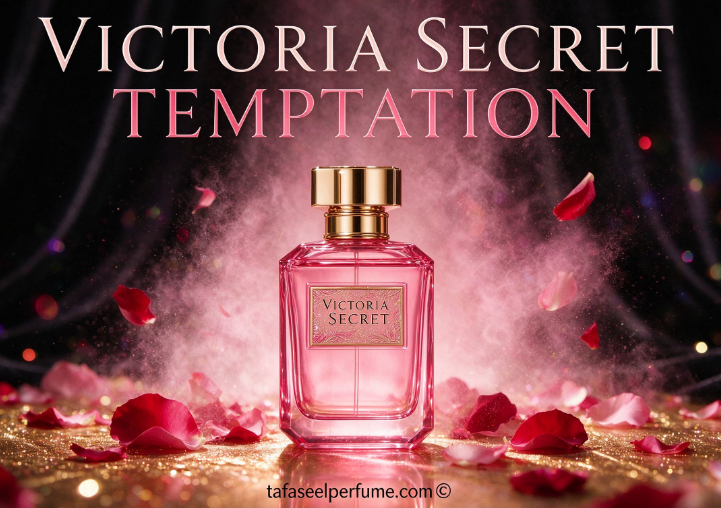
- Victoria’s Secret Temptation is not one scent but a family of scents, and that single fact explains almost every confusing review you will read about it.: Short introduction: Victoria’s Secret Temptation is a fruity-floral fragrance line built around a simple seduction—ripe fruit in the opening, soft flowers in the heart, and a warm, skin-close base. The most widely reviewed Eau de Parfum version leans tropical, with mango and passion fruit over jasmine and sandalwood. The body mist lineage often reads brighter and greener, with apple, cactus flower, or desert flower depending on the release.
Victoria’s Secret Temptation is not one scent but a family of scents, and that single fact explains almost every confusing review you will read about it. Some wearers describe a tropical fruit cocktail of mango and passion fruit; others swear they smell crisp apple and desert flower. Both are right, because Temptation has appeared across body mists, Eau de Toilette, and limited flankers, each carrying a different aromatic blueprint under the same seductive name. The name promises allure, but the bottle delivers a specific mood: playful, fruit-forward, and deliberately easy to wear. This guide separates the versions, reads the notes honestly, and helps you decide whether Temptation belongs in your women’s perfume rotation or your next perfume gift set.
Short introduction: Victoria’s Secret Temptation is a fruity-floral fragrance line built around a simple seduction—ripe fruit in the opening, soft flowers in the heart, and a warm, skin-close base. The most widely reviewed Eau de Parfum version leans tropical, with mango and passion fruit over jasmine and sandalwood. The body mist lineage often reads brighter and greener, with apple, cactus flower, or desert flower depending on the release. It is not a niche-style statement scent. It is a mood-lifter, a daily signature, and a reliable compliment magnet when you want to smell inviting without announcing yourself from across the room.
Long introduction: The appeal of Temptation sits in its tension. It is sweet, but the best versions keep a green or crisp edge so the sweetness never collapses into syrup. It is floral, but the flowers serve the fruit rather than competing with it. And it is sensual, but in an approachable, daylight-friendly way—more “come closer” than “notice me.” That balance is why Temptation has survived as one of the brand’s most recognized mist and perfume names while countless flankers have come and gone. Fragrantica users rate the core Temptation around 4.04 out of 5, a score that reflects affection rather than awe: people love how wearable it is, even when they admit the performance is not monumental. If you are exploring skin scent perfumes, Temptation is a useful reference point—it sits close, flatters, and rarely overwhelms. It also works as a layering base for heavier florals or vanillas, which is part of why it keeps showing up in perfume ranking conversations about accessible everyday femininity.
1. What Temptation Actually Smells Like: The Tropical Eau de Parfum Reading
2. The Apple-and-Cactus Version: Why Some Bottles Smell Completely Different
3. Body Mist vs. Eau de Parfum: Concentration, Performance, and When to Choose Each
4. Longevity and Sillage: Honest Numbers for Real-Life Wear
5. Who Temptation Is For—and Who Should Sample First
6. Layering Temptation: How to Make a Simple Scent Feel Personal
7. Is Temptation Worth It as a Gift or a Blind Buy?
1. What Temptation Actually Smells Like: The Tropical Eau de Parfum Reading
The most commercially visible Temptation Eau de Parfum opens with a juicy, sun-lit fruit accord. Mango and passion fruit dominate the first spray, and the effect is deliberately tropical without tipping into sunscreen territory. The mango reads ripe and rounded rather than sharp; the passion fruit adds a tart, slightly fermented sparkle that keeps the opening from feeling flat. Within twenty to thirty minutes, jasmine steps forward. It is not a heavy, indolic jasmine—it is soft and slightly soapy, the kind of floral note that makes the fruit feel more feminine and less like a smoothie. The base is where Temptation earns its “sensual” reputation: sandalwood arrives warm and creamy, giving the dry-down a skin-like softness that lingers longer than the fruit. If you enjoy warm, sensual scents but want something lighter for daytime, this version of Temptation is a natural entry point. It is fruity-floral in the classic sense, but the sandalwood base prevents it from becoming a pure sugar rush.
2. The Apple-and-Cactus Version: Why Some Bottles Smell Completely Different
If you buy Temptation expecting the mango-passion fruit profile and instead smell crisp apple and something green and slightly bitter, you have not received a fake. You have encountered a different expression of the Temptation name. Several body mist and Eau de Toilette releases list apple, cactus flower, saguaro flower, or desert flower as the defining accord. This version is brighter, airier, and more “fresh” than “tropical.” The apple note can read tart and almost fizzy on the skin, and the cactus or desert flower adds a clean, slightly watery greenness that cuts through sweetness. Fragrances.wiki describes a similarly green-edged reading of Temptation, noting that the sweetness stays crisp rather than syrupy and that a fresh-spicy accent gives the composition lift. For wearers who found the Eau de Parfum too sweet, this greener expression is the alternative. It also explains the “synthetic florals” comments in some reviews: the fruit-and-flower contrast is sharper here, and the perfume does not try to hide its constructed, mood-driven nature. If your taste runs toward fresh, bright citrus fragrance energy but you want a fruit-floral instead of a cologne, this is the Temptation to seek out.
3. Body Mist vs. Eau de Parfum: Concentration, Performance, and When to Choose Each
The single most practical distinction in the Temptation family is concentration. The body mist is a lighter, more diluted format designed for all-over spraying and frequent reapplication. It is the version most often reviewed as “weak” on longevity, but that criticism misses the point of the format: a mist is meant to be refreshing, not monumental. The Eau de Parfum and Eau de Toilette versions carry more perfume oil and sit closer to the skin for longer, though even the EDP is not a heavy projector. Easycosmetic notes that the Temptation fragrance mist is noticeably lighter than the matching Eau de Toilette, and both share the same fruity-floral character. In practice, the mist is ideal for post-shower body scent, bedtime, or layering under a stronger perfume. The EDP or EDT is better when you want Temptation to be your actual fragrance for the day—office, lunch, a casual date. If you are building a mini size and gift set collection, the mist is a low-risk way to test the DNA before committing to a larger spray. And if you already love glamorous floral-fruity signatures, Temptation EDP fits neatly into that same mood without demanding a full evening-out context.
4. Longevity and Sillage: Honest Numbers for Real-Life Wear
Temptation is not a beast-mode fragrance, and the review data is refreshingly consistent on this point. The body mist typically lasts two to four hours on skin, with intimate sillage—people near you will notice, but the room will not. Some users report three to five hours with generous spraying, especially on clothing, but the dry-down becomes a skin-close hum rather than a cloud. The Eau de Parfum extends the arc but does not radically change its personality: expect moderate projection for the first hour, then a softer, creamy fruit-sandalwood trail. This is not a fragrance for a twelve-hour shift or a humid summer night where you want the scent to cut through the air. It is a fragrance for reapplying, for carrying in your bag, for the pleasure of the ritual. That limitation is also its charm: Temptation never becomes cloying because it never becomes loud. If you prefer perfumes that stay close and feel like part of your skin, this performance profile is a feature, not a flaw. It aligns with the logic of skin scent perfumes, where intimacy matters more than trail.
5. Who Temptation Is For—and Who Should Sample First
Temptation works best for wearers who want a fruit-floral that feels youthful without being juvenile, sweet without being gourmand, and feminine without being formal. It suits spring and summer daytime wear especially well, but the sandalwood base in the EDP gives it enough warmth for early autumn. It is a strong choice for college students, first-time perfume buyers, and anyone building a night-out scent collection on a budget. It also performs well as a gift because the bottle feels more expensive than the price suggests, and the scent is broadly likable. Who should sample first? Anyone who dislikes prominent fruit notes, anyone who expects monster projection from an EDP, and anyone who has only smelled one version of Temptation and assumes all bottles smell identical. The apple-based mist and the mango-based EDP are cousins, not twins. If you are unsure which version you are buying, check the note list on the packaging or the retailer page before you commit. Sample-first logic applies here just as it does with more expensive perfume brands: the name on the bottle is not a guarantee of the scent inside.
6. Layering Temptation: How to Make a Simple Scent Feel Personal
Temptation is an excellent layering tool because its structure is uncluttered. The body mist can be sprayed first as a hydrating, lightly scented base, then topped with a heavier floral or vanilla perfume. The mango-jasmine-sandalwood EDP pairs well with clean musk oils, sheer vanillas, and even a single spray of a woody-citrus cologne on the wrists. The apple-forward versions layer beautifully under green florals or woody-citrus fragrances, where the tart fruit adds lift without competing. Avoid layering Temptation with another strong fruity-floral—the result can become muddy and overly sweet. Instead, treat Temptation as the “softener” in your routine: it rounds out sharp edges and adds a skin-like sweetness that makes heavier perfumes feel more wearable. This is also why Temptation appears in conversations about spa and fragrance rituals—it is pleasant enough to wear alone after a shower, and versatile enough to become a base for something more complex later.
7. Is Temptation Worth It as a Gift or a Blind Buy?
As a gift, Temptation is a low-stakes crowd-pleaser. The body mist is affordable, the bottle looks polished, and the scent avoids the polarizing notes—heavy oud, animalic musk, sharp incense—that make blind gifting risky. Multiple reviewers describe buying it for daughters, nieces, and friends with positive results, and the “good value for money” theme appears repeatedly in user feedback. As a blind buy for yourself, the calculus is slightly different. If you know you enjoy fruit-floral perfumes and you are comfortable with moderate longevity, Temptation is a safe bet. If you are looking for a signature scent with dramatic projection or a niche-style composition, it will feel too simple. The smartest approach is to start with the mist if you are curious about the DNA, then upgrade to the EDP if you find yourself reaching for it daily. That trial path mirrors the logic behind trying fragrances before you commit: lower the entry cost, learn the scent’s rhythm on your skin, and only then decide whether a full bottle deserves the shelf space.
Frequently Asked Questions About Victoria’s Secret Temptation
Is Victoria’s Secret Temptation a perfume or a body mist?
Temptation exists as both a body mist and an Eau de Toilette/Eau de Parfum, and the concentration changes the experience significantly. The mist is lighter, designed for frequent reapplication and all-over body use, while the EDP/EDT carries more perfume oil and lasts longer on skin. The name alone does not tell you which format you are buying, so always check the product label.
Why does my Temptation smell like apple instead of mango?
Because you likely have an apple-based release rather than the mango-passion fruit EDP. Victoria’s Secret has used the Temptation name across multiple compositions, and some body mist and EDT versions list apple, cactus flower, or desert flower as the primary notes. The mango-jasmine-sandalwood profile is most associated with the Eau de Parfum version. Neither is “fake”—they are different expressions of the same name.
How long does Victoria’s Secret Temptation last?
The body mist typically lasts two to four hours on skin, with intimate sillage. The EDP extends the wear but remains moderate rather than overpowering. Some users report three to five hours with heavier spraying or application on clothing, but the scent generally becomes a soft skin-close trail after the first hour or two. Reapplication is part of the intended use pattern.
Is Temptation a good blind buy?
It is a relatively safe blind buy if you already enjoy fruit-floral perfumes and do not expect beast-mode projection. It is a risky blind buy if you dislike prominent fruit notes, are sensitive to synthetic florals, or expect the same scent every time you buy a bottle with the Temptation name. Sampling the mist first is the lowest-risk way to learn the DNA on your skin.
Can Temptation be worn by teenagers or older women?
Yes, but the marketing and scent profile lean youthful and playful. It reads as a daytime, casual, or warm-weather fragrance rather than a formal evening signature. Many reviewers describe it as a favorite for daughters and young women, while others enjoy it as a light everyday scent regardless of age. Fragrance has no strict age limit, but Temptation’s mood is deliberately buoyant rather than sophisticated.
What perfumes are similar to Victoria’s Secret Temptation?
The mango-passion fruit EDP shares a fruit-floral mood with other tropical florals and light fruity gourmands. Community comparisons often mention Versace Pour Femme Dylan Blue and even Dior Hypnotic Poison for the sweeter, almond-vanilla-adjacent reading some users perceive in certain Temptation releases. Within the Victoria’s Secret lineup, Pure Seduction and Bombshell are the closest relatives in spirit—fruity, approachable, and built for everyday wear. If you want a more complex or longer-lasting version of the same idea, explore iconic women’s fragrances that treat fruit and flowers with more depth.


