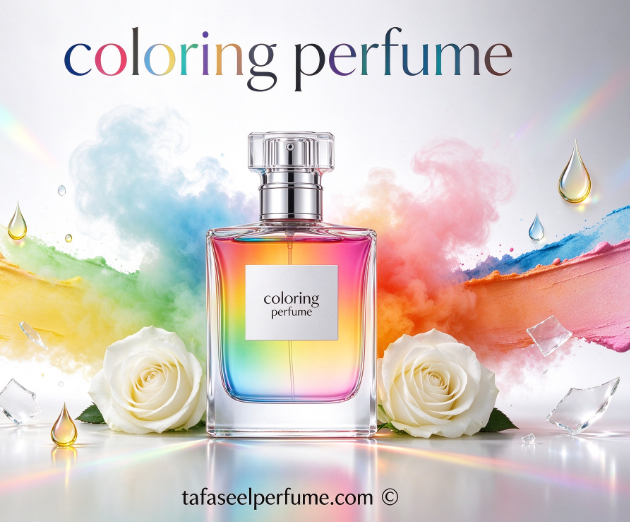
- The Art of Coloring Perfume: A Complete Guide to Scent, Hue, and Self-Expression: Introduction: Coloring perfume is a fascinating intersection of fragrance, visual aesthetics, and personal creativity. Whether you are curious about how to color your own fragrance, why some perfumes are tinted, or how color influences your perception of scent, this guide will walk you through every aspect of coloring perfume. From DIY techniques to the psychology of color in perfumery, you will discover how to make your fragrance experience more vibrant and personal.
Extended Overview: The concept of coloring perfume goes far beyond simply adding dye to a liquid. In modern perfumery, color can serve as a signature, a marketing tool, a way to indicate concentration, or even a form of artistic expression. Many luxury and niche houses use subtle tints to evoke moods — think deep amber for oriental fragrances or pale blue for aquatic compositions. For DIY enthusiasts, coloring perfume at home involves understanding which colorants are safe for skin, how to maintain stability, and how to avoid staining. This comprehensive article explores the history, science, and creative possibilities of coloring perfume. You will find practical tips, safety guidelines, and inspiration for making your own colored fragrances that are both beautiful and wearable. Along the way, we will link to relevant resources from our perfume library, including guides on iconic scents and ingredient breakdowns, to enrich your understanding.
Section 1: 1. What Is Coloring Perfume and Why Does It Matter?
A brief look at the definition and the growing trend of colored fragrances.
Section 2: 2. The Psychology of Color in Perfumery
How hues influence your perception of scent and emotion.
Section 3: 3. DIY Coloring Perfume: Safe Colorants and Techniques
Learn which colorants are skin-safe and how to mix them properly.
Section 4: 4. Color and Concentration: How Tints Indicate Strength
Discover why some perfumes are deeply colored while others remain clear.
Section 5: 5. Staining Risks and How to Avoid Them
Practical advice for preventing colored perfume from staining clothes and skin.
Section 6: 6. Coloring Perfume for Gifting and Display
Creative ideas for presenting colored fragrances as gifts.
Section 7: 7. Natural vs. Synthetic Colorants: Pros and Cons
Compare natural pigments with synthetic dyes for perfume coloring.
Section 8: 8. Inspiring Colored Perfumes and How to Recreate the Look
Explore iconic tinted fragrances and get inspired for your own creations.
1. What Is Coloring Perfume and Why Does It Matter?
Coloring perfume refers to the intentional addition of colorants to a fragrance solution, altering its visual appearance while preserving its scent. Historically, perfume colors were often a byproduct of natural ingredients — for example, oud oils can be dark brown, and certain floral absolutes may impart a golden hue. However, modern coloring perfume is usually a deliberate choice. Brands tint their fragrances to create brand identity, signal a particular scent family, or simply to make the bottle look more attractive on a shelf. For consumers, coloring perfume matters because color can influence expectations: a pink perfume may be perceived as sweeter, while a blue one might suggest freshness. The trend of coloring perfume has also gained traction among DIY enthusiasts who enjoy customizing their favorite scents. When you color perfume, you are engaging in a creative act that combines chemistry and art. It is important to note that not all colorants are suitable for skin contact, so safety must always come first. This section has introduced the basics; subsequent sections will dive deeper into techniques, psychology, and practical applications. For those interested in the broader context of fragrance creation, our guide to Le Labo Perfume offers insights into the slow craft of perfumery, which often values natural, uncolored aesthetics. Additionally, if you are curious about how color relates to ingredient transparency, our article on Decoding the Ingredients in Light Blue provides a useful case study. Ultimately, coloring perfume is a versatile practice that can enhance both the visual appeal and the personal meaning of your fragrance collection.
2. The Psychology of Color in Perfumery
The psychology of color plays a significant role in how we perceive fragrance. When you color perfume, you are not just changing its appearance; you are also setting up expectations in the mind of the wearer or observer. Research in cross-modal perception has shown that colors can influence odor judgments. For instance, a yellow-tinted perfume is often associated with citrus or floral notes, while a deep purple or red hue may suggest warmth, spice, or oriental compositions. Perfumers and marketers use this knowledge intentionally: a fresh aquatic fragrance might be tinted a pale blue to reinforce its marine character. For DIY perfume colorers, understanding these associations can help you align the color with the scent profile. If you are coloring perfume that is meant to evoke a Mediterranean breeze, a light green or blue could be appropriate. Conversely, a woody or amber fragrance might benefit from a golden or amber tint. The psychology of color also extends to packaging: colored glass or tinted liquid can make a fragrance feel more luxurious or playful. It is worth noting that individual associations vary by culture and personal experience, so experimentation is key. When you color perfume at home, consider keeping a journal of how different hues affect your perception of the scent over time. For further reading on how specific fragrances are constructed, our article on Perfume Like Dolce and Gabbana Light Blue explores the Mediterranean breeze concept, which could inspire your color choices. Additionally, our guide to Montale Arabian discusses regal oud and desert-inspired fragrances, often associated with deep amber and brown tones. By leveraging color psychology, you can make your coloring perfume efforts more meaningful and aligned with the scent's story.
3. DIY Coloring Perfume: Safe Colorants and Techniques
If you are interested in coloring perfume at home, safety and technique are paramount. Not all dyes are suitable for skin contact. The safest approach is to use cosmetic-grade colorants that are specifically approved for use in leave-on skin products. Common options include water-soluble food dyes (in very small amounts), oil-soluble cosmetic dyes, and natural colorants like alkanet root or chlorophyll (though these can be unstable). Avoid using craft glitters, ink, or candle dyes, as these can cause skin irritation or damage the fragrance. When coloring perfume, always start with a tiny amount of colorant and dilute it in a small portion of the fragrance before mixing it into the full bottle. This prevents over-coloring and allows you to adjust the hue gradually. Another technique is to color only a small decant for immediate use, keeping the main bottle uncolored to preserve stability. It is also important to consider the alcohol content: high-proof ethanol can dissolve some dyes better than others. After coloring perfume, let it sit for 24 to 48 hours to ensure the color is stable and no precipitation occurs. Patch-test the colored perfume on a small area of skin before full application. For those who prefer to avoid synthetic dyes, natural colorants such as beetroot powder or spirulina can be used, but they may fade over time and could affect the scent. Our article on Decoding the Ingredients in Light Blue provides a deeper look at how ingredients interact, which is useful when selecting colorants. Additionally, our guide to Le Labo Perfume emphasizes slow craft and minimal intervention, which may inspire a more natural approach to coloring perfume. Remember that coloring perfume is a creative experiment; always prioritize skin safety and fragrance integrity.
4. Color and Concentration: How Tints Indicate Strength
In commercial perfumery, color is sometimes used as a visual indicator of concentration. For example, an eau de toilette might be lightly tinted or clear, while an extrait de parfum could be deeper in color due to a higher concentration of fragrance oils and the natural color of those oils. However, this is not a strict rule, as many brands intentionally color their products regardless of concentration. When you color perfume yourself, you can choose to mimic this convention or ignore it. Understanding the relationship between color and concentration can help you make informed choices. A higher concentration of fragrance oils often results in a darker liquid, especially if the oils are derived from resins, woods, or vanilla. If you are coloring perfume that is already dark, adding more color may not be necessary. Conversely, a clear fragrance can be tinted to suggest richness. It is also important to note that color intensity can change over time due to oxidation or exposure to light. To maintain consistency, store colored perfumes in opaque or dark glass bottles. For those interested in how concentration affects scent, our article on Layton Exclusif by Parfums de Marly discusses a darker, more masculine masterpiece, which often correlates with deeper color. Similarly, our guide to Creed Aventus Viking explores a fiery successor, a fragrance that could be imagined with a warm amber tint. By considering concentration and color together, you can create a more cohesive and visually appealing product when coloring perfume.
5. Staining Risks and How to Avoid Them
One of the main concerns when coloring perfume is the risk of staining clothing, skin, or surfaces. Colored perfumes, especially those with high concentrations of dyes, can leave marks on light-colored fabrics. To avoid staining, always apply colored perfume to pulse points and let it dry completely before dressing. Avoid spraying directly onto clothing, and be particularly careful with silk, cotton, and other absorbent materials. If you are coloring perfume at home, choose colorants that are known to be non-staining or water-soluble, and keep the concentration low. Another strategy is to color only the packaging or the bottle rather than the liquid itself — for example, using colored glass or a tinted outer box. If you do experience a stain, treat it immediately with a suitable solvent or detergent, but always test on an inconspicuous area first. For those who love colored fragrances but worry about stains, our article on Rare and Discontinued Perfumes may offer insights into collector habits and preservation. Additionally, our guide to Missoni Eau de Parfum highlights Italian elegance, often associated with vibrant colors, which can inspire careful application techniques. When coloring perfume, always prioritize wearability and practicality alongside aesthetics.
6. Coloring Perfume for Gifting and Display
Coloring perfume can transform a simple fragrance into a thoughtful, personalized gift. Whether you are creating a custom gift set or adding a touch of color to a store-bought bottle, the visual impact can be significant. For gifting, consider the recipient's preferences: a pastel tint might suit a minimalist aesthetic, while a deep jewel tone could appeal to someone who loves luxury. You can also coordinate the color with the occasion — for example, pink or red for romantic occasions, gold or silver for celebrations. When coloring perfume for display, ensure the bottle is clean and the colorant is fully dissolved to avoid cloudiness. You might also add a decorative label or ribbon to complement the hue. If you are gifting a colored perfume, include a note explaining the inspiration behind the color and any safety precautions. Our article on Valentino Perfume Cologne offers inspiration for romantic and bold fragrances that could pair well with colored presentations. Similarly, our guide to Guess Gold Cologne discusses a bold woody aromatic scent that might be enhanced with a golden tint. Coloring perfume for gifting is a creative way to show care and attention to detail.
7. Natural vs. Synthetic Colorants: Pros and Cons
When coloring perfume, you have two main categories of colorants: natural and synthetic. Natural colorants include plant extracts, mineral pigments, and animal-derived substances (though the latter are rare and often avoided). Examples include alkanet root (reddish), chlorophyll (green), and annatto (yellow-orange). The pros of natural colorants are that they are often perceived as safer and more eco-friendly, and they may appeal to consumers seeking clean beauty. However, they come with cons: they can be unstable, fade over time, react with fragrance components, and may introduce unwanted odors. Synthetic colorants, such as FD&C dyes, are specifically manufactured for stability and consistency. They offer vibrant, predictable colors and are generally safe when used within regulatory limits. The cons of synthetic colorants include potential skin sensitivity in some individuals and environmental concerns. When coloring perfume, the choice depends on your priorities. For a personal DIY project, you might experiment with both. For commercial products, regulations vary by region, so always check compliance. Our article on Tory Burch Electric Sky explores a freedom-inspired essence, which might align with natural color choices. Additionally, our guide to Blackberry Bay discusses a captivating coastal fragrance escape, where a natural blue or green tint could be fitting. Ultimately, the decision to use natural or synthetic colorants in coloring perfume should be informed by safety, stability, and personal values.
8. Inspiring Colored Perfumes and How to Recreate the Look
Many iconic fragrances are known for their distinctive colors. For example, some versions of Angel by Mugler have a deep blue tint, while certain flankers of Light Blue by Dolce & Gabbana are subtly colored to reflect their Mediterranean inspiration. To recreate the look of these colored perfumes, start by researching the original hue and understanding the fragrance family. You can then experiment with small batches using cosmetic dyes. For a light blue effect, a tiny amount of blue food coloring or cosmetic grade blue dye can work. For amber tones, consider using a diluted brown or orange colorant. Always remember that the color of the liquid may look different in the bottle versus on skin, and lighting plays a big role. When coloring perfume, take photos under various lighting conditions to assess the final appearance. Our article on Perfume Like Dolce and Gabbana Light Blue provides 12 alternatives that capture the Mediterranean breeze, which can serve as color inspiration. Additionally, our guide to 10 Top Perfumes for Ladies offers a broader view of popular scents that might benefit from color customization. By studying these fragrances and experimenting, you can master the art of coloring perfume and create your own visually stunning signature.
FAQ 1: Is it safe to color perfume at home?
Yes, it can be safe if you use cosmetic-grade colorants approved for skin contact and follow proper dilution guidelines. Always patch-test before full application and avoid non-skin-safe dyes like craft pigments.
FAQ 2: Will coloring perfume change its scent?
Generally, no, if you use a very small amount of a neutral colorant. However, some natural colorants may introduce subtle odors or interact with fragrance components, so test in small batches.
FAQ 3: What is the best way to color perfume without staining clothes?
Apply colored perfume only to pulse points and let it dry completely before dressing. Avoid spraying on fabrics, and consider using lower dye concentrations or coloring the bottle instead of the liquid.
FAQ 4: Can I use food coloring to color perfume?
Water-soluble food coloring can be used in very small amounts, but it may not mix well with alcohol-based perfumes and could stain. Oil-soluble cosmetic dyes are generally more suitable.
FAQ 5: How much colorant should I add to perfume?
Start with a single drop per 10 ml of perfume and adjust gradually. Always dilute the colorant in a small portion first to avoid over-coloring.
FAQ 6: Does the color of perfume indicate its concentration?
Not always. While some brands use color to suggest strength, many perfumes are intentionally tinted regardless of concentration. Color is often aesthetic rather than functional.
FAQ 7: Will colored perfume fade over time?
Yes, some colorants, especially natural ones, can fade when exposed to light or air. Store colored perfumes in dark, cool places to prolong color stability.
FAQ 8: Can I color any type of perfume?
Most alcohol-based perfumes can be colored, but oil-based or solid perfumes require different colorants. Always test compatibility in a small sample before coloring the entire bottle.


