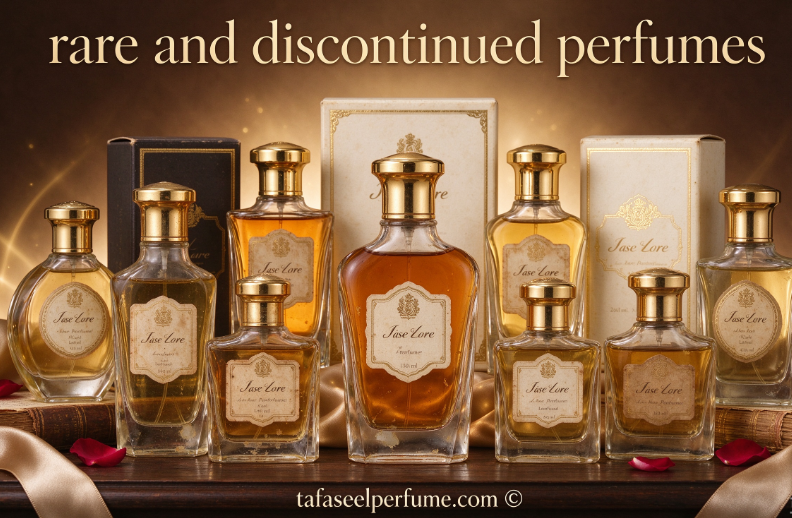
- Rare and Discontinued Perfumes: The Ultimate Guide to Fragrances That Vanish and Become Legends: There is a particular kind of heartbreak in the fragrance world: the moment you discover that the perfume you love — the one that felt like it was made for you — has been discontinued. Rare and discontinued perfumes occupy a mythical place in the industry, becoming objects of obsession, collector hunts, and soaring resale prices. This guide explores why fragrances disappear, which rare scents become legend, and how enthusiasts can still find their unicorns.
Whether you are a seasoned collector chasing vintage batches or a newcomer curious about why certain bottles sell for hundreds on auction sites, understanding the world of rare and discontinued perfumes opens a fascinating door into olfactory history. From reformulation debates to the thrill of the final spray of a discontinued classic, the pursuit is as emotional as it is aromatic. And because discovery often begins with exploration, browsing curated categories like Unisex Perfume collections can help you spot future classics before they vanish.
What Makes a Perfume Rare or Discontinued?
A perfume becomes rare and discontinued for many reasons: ingredient shortages, regulatory restrictions on materials such as oakmoss and certain musks, brand rebranding, declining sales, or the natural expiration of a licensing agreement. Some houses quietly retire scents after a decade; others discontinue only certain concentrations or sizes, creating confusion and collector frenzy. Add to this the long-discontinued raw materials — Mysore sandalwood, vintage orris butter, real ambergris tinctures — and you get bottles that can never be remade exactly.
Rarity is also manufactured. Limited editions, numbered flacons, and regional exclusives create scarcity by design. When a niche house announces a "final run," the secondary market reacts overnight. The overlap between rare and discontinued perfumes and the broader collector culture is enormous, and it touches every category from Women s Perfume to Men s Perfume, since discontinued classics exist across all gender lines.
Why Discontinued Perfumes Become Collector Obsessions
Psychology plays a big role. The "scarcity effect" makes us value what we can no longer easily buy, and fragrance is intimately tied to memory — a discontinued scent often carries nostalgia for a specific era, person, or life stage. Collectors chase vintages not only for scent but for history: the original formula, the older bottle design, the batch code that proves authenticity.
Communities form around these hunts. Forums, Facebook groups, and auction platforms buzz with "ISO" (in search of) posts and decant swaps. Seasoned collectors learn to read batch codes, distinguish reformulations from originals, and verify sellers. If you are starting out, studying well-organized resources — for example, the curated Brands and Ranking sections of reputable retailers — helps you build context for which houses have a history of discontinuations worth watching.
The Most Legendary Rare and Discontinued Perfumes
Certain names come up again and again in collector conversations. Vintage Guerlain classics such as Jicky in older concentrations, Chanel No. 19 in parfum from the 1970s, and Dior Diorissimo in original formulations are perennial unicorns. Niche history is equally rich: early Serge Lutens bell jars, discontinued L'Artisan Parfumeur releases, and limited By Kilian editions regularly command premium prices.
Then there are the cult disappointments — beloved designer scents pulled from shelves despite loyal followings. These bottles often reappear in vintage-focused marketplaces and in gift-focused categories like Perfume Gift Sets, where older stock sometimes surfaces. The lesson: when a fragrance you love is rumored to be discontinued, buy a backup bottle and store it properly — cool, dark, and upright.
How Reformulation Creates "Discontinued" Classics
Not every "discontinued" perfume is actually gone; sometimes the formula changes and the original scent becomes effectively extinct. Reformulation driven by IFRA restrictions has altered countless classics — oakmoss-heavy chypres, animalic musks, and certain floral absolutes are frequent casualties. Collectors therefore distinguish between "still produced but reformulated" and true discontinuation, and they hunt vintage batches accordingly.
This is why batch codes matter. A 1990s bottle of a reformulated classic can smell dramatically different from a 2020 bottle of the "same" product. Learning to date bottles and recognize packaging changes is a core skill, and it is often discussed in fragrance articles and reviews that trace a scent's evolution over decades.
Rare Ingredients and the Perfumes They Built
Some fragrances are rare by nature because their ingredients are rare. Natural oud, ambergris, Mysore sandalwood, and vintage civet tincture are either restricted, ethically fraught, or simply too costly for mass production. Perfumes built around these materials — particularly in the Middle Eastern and artisanal segments — often become discontinued simply because the economics stop working.
This is also where the line between rare and collectible blurs with cultural heritage. Houses such as Tafaseel draw on regional olfactory traditions, and discontinued releases from such brands can become instant collector items. Exploring Spa & Fragrance and Fragrance Gels categories sometimes uncovers older, overlooked stock of precisely these heritage-style scents.
Where to Find Rare and Discontinued Perfumes
The secondary market is the primary hunting ground: auction sites, specialized vintage perfume dealers, estate sales, and collector-to-collector swaps. Each channel has risks — fakes, heat-damaged bottles, and evaporated contents are common. Vetting sellers, requesting batch photos, and buying decants before committing to full bottles are essential habits.
Retail channels occasionally surprise as well. Dead stock sometimes appears in niche categories such as Mini Size & Gift Sets, and regional retailers may carry discontinued lines longer than expected. Browsing Beauty and Perfume editorial sections can also surface leads on where discontinued stock has been spotted.
How to Verify Authenticity and Batch Codes
Authenticity verification is the collector's most important skill. Check batch codes against brand databases, inspect the bottle's glass seams and nozzle quality, and compare label typography to known originals. For vintage bottles, look for evaporation lines and sediment, and ask sellers for photos in natural light. When in doubt, buy from decanters with strong reputations rather than risking a full bottle.
Storage also affects value. Heat, light, and oxygen destroy fragrance molecules. A perfectly stored vintage can smell nearly new, while a badly stored "rare" bottle may be worthless. Collectors pay a premium for bottles with original boxes, sealed cellophane, and documented provenance — details worth requesting in any listing.
Storage Tips to Preserve Your Rare Bottles
Keep bottles upright, in original boxes, away from sunlight and temperature swings. A dark closet or a wine fridge at stable cool temperatures works well. Avoid bathroom storage entirely. For decants, use glass atomizers rather than plastic, and label everything with the date and source. If you plan to sell, preserve the box and any inserts — they materially affect resale value.
Rotate your wearing collection rather than decanting everything at once, and keep a spreadsheet of batch codes and purchase dates. Serious collectors treat their rare and discontinued perfumes as both art and investment, and disciplined storage is what protects that value.
The Future of Discontinued Fragrance Collecting
The market shows no sign of cooling. As brands cycle through faster launches and shorter product lifecycles, more scents will be discontinued, and digital communities will continue to document, decode, and chase them. AI-driven batch databases and online archives are making verification easier, while social media accelerates hype cycles — sometimes pushing prices of obscure bottles to surprising heights.
For newcomers, the advice is simple: buy what you love, back it up when rumors start, and learn the history. Whether your taste runs to Children Baby s Perfume nostalgia, Hair Extensions & Wigs-adjacent beauty launches, or the broader Makeup Tools and Eyelash Beauty & Tools side of the beauty world, discontinued products are a fact of life — and in fragrance, they become legends.


