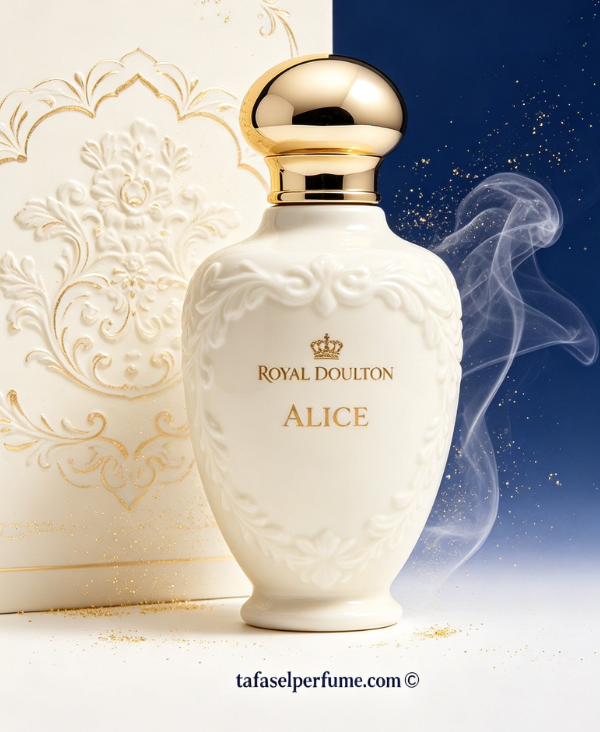
- Royal Doulton Alice · The Velvet Architecture of Wonder & Timeless Tableau: ✧ small introduction ✧
Royal Doulton Alice is not merely a pattern — it is a porcelain reverie, a delicate brushstroke of Victorian whimsy and English countryside charm. Each piece carries the quiet elegance of hand-painted florals, gilded rims, and the enduring spirit of Lewis Carroll’s imagination, transformed into heirloom ceramics that grace tables with poetic nostalgia.
✧ a broader introduction ✧
Royal Doulton Alice stands as one of the most beloved ceramic collections of the 20th century,
capturing the pastoral poetry of rural England through the lens of a storybook. Designed by the
celebrated artist M. V. (Mabel Victoria) Marshall in the 1930s, the pattern features
clusters of wild roses, forget-me-nots, and delicate foliage, framed by a soft grey-blue border
and burnished gold. Unlike mere tableware, Royal Doulton Alice is a narrative — each plate, cup,
and saucer whispers of woodland walks, afternoon teas, and the gentle rhythm of a bygone era.
Its enduring appeal lies in its restraint: the pattern never overwhelms, yet it transforms every
meal into a quiet ceremony. Collectors and homemakers alike treasure it not only for its beauty
but for its ability to anchor a room in warmth and refinement. Today, vintage pieces command
admiration at auctions, while newer productions sustain the legacy, proving that true artistry
transcends time. Her Burberry Elixir
shares a similar devotion to British floral opulence, yet Royal Doulton Alice remains
singular — a porcelain hymn to nature and nostalgia.
1. The Genesis of a Porcelain Legend
Royal Doulton Alice was born in an era when ceramic design was undergoing a quiet revolution. The 1930s saw a shift away from heavy, ornate Victorian patterns toward lighter, more pastoral themes — a response to the Arts and Crafts movement and a yearning for authenticity. Mabel Victoria Marshall, a gifted botanical illustrator, drew inspiration from the hedgerows of the English countryside, translating wild roses and meadow flowers into a harmonious composition. The pattern debuted as part of the “Countryware” series, but it was Alice that captured the public’s imagination. Its name, while evoking Lewis Carroll’s Alice, actually refers to the genteel, timeless quality of the design — an “Alice” that is both Everywoman and fairy-tale heroine. Early advertisements proclaimed it “the pattern that brings the garden to your table,” and it quickly became a staple in middle-class homes. The original backstamp, featuring a crown and the Royal Doulton insignia, remains a hallmark of authenticity. Over the decades, the pattern has been produced in various forms — from dinner plates and serving bowls to tea sets and decorative plaques — each piece a testament to the enduring vision of its creator. DKNY Be Delicious may offer crisp modernity, but Royal Doulton Alice offers a crispness of another kind — the fresh clarity of a morning in an English cottage garden.
2. Botanical Poetry: Floral Motifs & Color
The heart of Royal Doulton Alice lies in its floral language. The primary motif is a cluster of pink cabbage roses, their petals softly shaded from blush to rose, interspersed with delicate forget-me-nots and sprigs of hawthorn. The leaves are painted in muted sage and olive, creating a naturalistic depth that feels almost three-dimensional. The background is a warm cream, which contrasts beautifully with the cool grey-blue border — a colour that Marshall reportedly mixed herself to evoke the misty mornings of the Sussex downs. This border is further enhanced with a thin band of burnished gold, adding a touch of opulence without overpowering the rustic charm. The composition is asymmetrical yet balanced, a hallmark of Marshall’s botanical training. Interestingly, the pattern was hand-painted in its early years, with skilled artisans adding individual brushstrokes; later production used lithographic transfers, but the quality remained exceptional. Collectors often note that the colour variations between different production eras add to the pattern’s character — early pieces feature deeper, more vibrant hues, while post-war examples are slightly softer. This botanical poetry is not just decoration; it is an invitation to slow down, to observe, and to appreciate the fleeting beauty of nature.
3. The Craftsmanship Behind Royal Doulton Alice
Royal Doulton’s commitment to quality is evident in every Alice piece. The bone china body is translucent and fine yet remarkably durable, fired at high temperatures to achieve a glassy vitrification. The glazing is exceptionally smooth, allowing the floral transfers to sit seamlessly beneath a protective layer. In the early days, each piece was finished by hand, with gilders applying the gold rims using a brush and liquid gold, which was then burnished to a soft shine. Even after the introduction of mechanised processes, Royal Doulton maintained rigorous standards: each piece was inspected multiple times, and any imperfection — a blurred petal, a smudged gold line — was rejected. The moulds themselves were carved by master modellers, ensuring that every curve of a teapot or handle of a cup was ergonomic and elegant. This craftsmanship extends to the backstamps, which evolved over the years, providing a fascinating timeline for collectors. From the early “Royal Doulton England” marks to the later “Doulton & Co.” and the introduction of the lion-and-crown emblem, each stamp tells a story of production and provenance. The skill involved in creating Alice is a tribute to the artisans who transformed raw clay into objects of everyday beauty.
4. Alice in the Modern Home: Styling & Tablescaping
Far from being a relic, Royal Doulton Alice adapts effortlessly to contemporary interiors. Its soft, muted palette complements both minimalist Scandinavian aesthetics and maximalist eclectic decors. For a modern tablescape, mix Alice dinner plates with plain white or charcoal-grey tableware to let the floral motif pop. The gold trim adds a subtle glamour that pairs well with brass cutlery and linen napkins in earthy tones. Many homeowners use Alice serving platters as wall art, displaying them in a gallery arrangement above a sideboard. The tea set — a teapot, sugar bowl, and cups — becomes a statement piece on open shelving, evoking a sense of curated nostalgia. For special occasions, combine Alice with vintage silver and crystal for a look that is both refined and inviting. Interior designers often recommend using Alice in rooms that lack natural light, as the creamy background and gentle florals brighten the space without overwhelming it. Whether it’s a casual Sunday brunch or a festive holiday dinner, Royal Doulton Alice brings a touch of storytelling to the table.
5. Collecting Alice: Rarity, Marks & Value
For collectors, Royal Doulton Alice offers a rich field of study. The pattern has been in production for over eight decades, with numerous variations in shape, size, and marking. The most sought-after pieces are from the pre‑World War II era, particularly those with the “M. V. Marshall” signature and the early green stamp. Limited-edition items, such as the “Alice” jugs and commemorative plates, can fetch high prices at auction — some exceeding £500 for a single piece in pristine condition. However, more common items like luncheon plates and teacups remain accessible, often priced between £20 and £80 depending on rarity and condition. Collectors advise checking for cracks, crazing, and gold wear, as these significantly affect value. The market has seen a resurgence of interest in vintage English china, and Alice, with its timeless charm, is at the forefront. Online communities and collector guides provide extensive resources for identifying marks, and many enthusiasts enjoy the thrill of hunting for hidden treasures in antique shops and estate sales. Beyond monetary value, the true worth of Alice lies in its ability to connect us to a quieter, more gracious era.
6. Alice and the English Tea Ritual
No discussion of Royal Doulton Alice is complete without acknowledging its intimate connection to the English tea ceremony. The pattern’s delicate cups and saucers seem made for holding a cup of Earl Grey, their fine porcelain enhancing the aroma and temperature of the brew. The Alice teapot, with its generous capacity and well-balanced handle, is a favourite among tea connoisseurs. The tradition of afternoon tea — with its dainty sandwiches, scones, and clotted cream — finds its perfect vessel in Alice. The pattern’s floral motifs echo the garden setting where tea was often enjoyed, creating a seamless indoor-outdoor experience. Many families have passed down Alice tea sets through generations, and each cup holds memories of conversations, celebrations, and quiet moments of reflection. In recent years, tea bloggers and influencers have rediscovered Alice, often featuring it in stylised photographs that celebrate the aesthetic of slow living. It reminds us that tea is not just a beverage but a ritual, and Royal Doulton Alice is the poetry that elevates it.
7. Caring for Your Alice Heirlooms
To ensure that Royal Doulton Alice remains a treasure for years to come, proper care is essential. Although bone china is surprisingly strong, it can be prone to chipping and cracking if mishandled. Hand washing with mild detergent and warm water is always recommended; dishwashers, especially those with high heat and harsh detergents, can dull the gold trim and wear the floral patterns over time. Use a soft sponge and avoid abrasive cleaners. When stacking pieces, place a soft cloth between them to prevent scratches. For storage, keep cups and saucers in a dust‑free cabinet, and avoid direct sunlight, which can fade the colours. If you have a teapot, ensure it is thoroughly dried after washing to prevent moisture from seeping into the gold band. Occasional polishing with a jewellery cloth can restore the gold’s lustre, but be gentle. For valuable or antique pieces, consider professional conservation. Above all, enjoy using your Alice — the pattern was made to be loved, not hidden away, and the gentle wear of use adds to its story.
8. The Future of Royal Doulton Alice
Royal Doulton Alice continues to thrive, with new productions that honour the original designs while incorporating modern manufacturing techniques. The pattern remains one of Royal Doulton’s best-selling collections, and the company has introduced revivals that include new shapes such as pasta bowls, mugs, and even decorative ornaments. In 2023, a limited “Alice in Wonderland” capsule collection was released, blending the classic floral pattern with whimsical references to the Lewis Carroll tale — a playful nod that delighted collectors. There is also a growing sustainable movement around ceramics, and Royal Doulton has committed to more eco-friendly production methods, ensuring that the beauty of Alice does not come at the cost of the environment. The pattern’s timeless appeal suggests it will continue to enchant new generations, bridging the gap between tradition and contemporary taste. As we look ahead, Royal Doulton Alice stands not merely as a pattern, but as a living heritage — a porcelain narrative that will continue to unfold.
❝ frequently asked questions · royal doulton alice ❞
Yes, Royal Doulton continues to produce Alice pieces, including dinnerware, tea sets, and some decorative accessories. The pattern has been re‑issued several times, with modern updates that respect the original design. Some limited editions are also released periodically. Sherwood Memo Paris echoes a similar reverence for timeless elegance.
Authentic pieces feature the Royal Doulton backstamp, which typically includes the crown, the lion, and the words “Royal Doulton England”. Early pieces may have “M. V. Marshall” or a green‑stamped “Alice” pattern name. Always check for consistent glaze and crisp floral details. The weight and translucency of bone china are also good indicators.
We recommend hand washing to preserve the gold trim and the floral design. While some modern pieces are microwave‑safe, the gold band may cause sparking. Always check the manufacturer’s label. For vintage pieces, avoid the microwave and dishwasher entirely.
Pre‑World War II examples, particularly those with the M. V. Marshall signature and unusual shapes like lidded tureens or cheese dishes, are highly collectible. Commemorative plates and limited editions also command premium prices. Condition, rarity, and pattern clarity are key factors.
Use a paste of baking soda and water, gently rubbing with a soft cloth. Alternatively, soak the cup in a solution of warm water and a denture tablet overnight. Avoid harsh chemicals or abrasive scouring pads, which can damage the glaze.
Yes, some reproductions exist, especially from Asian markets. They often have blurrier prints, lighter weight, and incorrect backstamps. Always buy from reputable dealers and, if in doubt, consult a specialist or collector’s guide.
Givenchy Perfume for Her · Warm & Cozy Mist · Mugler Fragrances · Prada Carbon
✦ Royal Doulton Alice — where porcelain becomes poetry ✦


