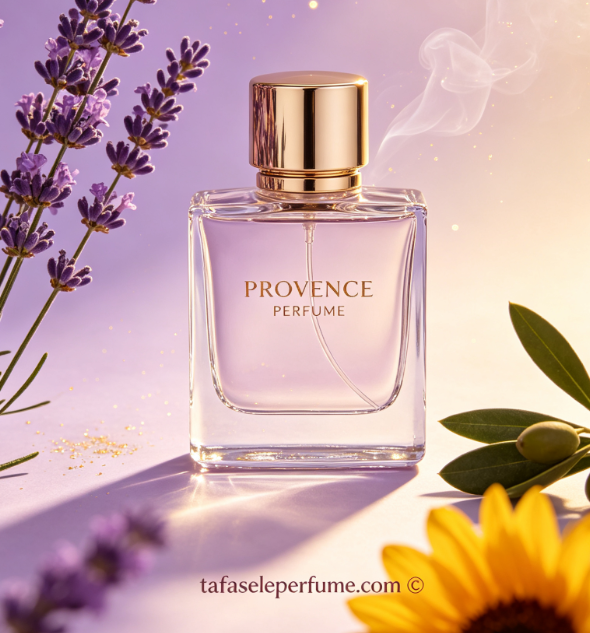
- Provence Perfume · The Velvet Architecture of Lavender, Sun & Timeless Allure: ✦ short intro — Provence perfume is not merely a scent; it is a captured moment of sun-baked earth, wild lavender, and the quiet hum of cicadas. It speaks in notes of honeyed hay, rosemary, and the faint bitterness of almond, wrapping the wearer in a gauze of Mediterranean light.
contents · chapters
1. Lavender absolue · the soul of Provence 2. The Grasse connection · flowers & savoir-faire 3. Citrus & herbs · the bright architecture 4. Fig & cypress · woody‑green reverie 5. Honeyed undertones · sweet warmth 6. Modern interpretations · avant‑garde Provençal 7. Layering & wearing · personal alchemy 8. The collector’s eye · rare & vintage gems1. Lavender absolue · the soul of Provence
Lavender is the cornerstone of any true Provence perfume. Not the sharp, medicinal lavandin, but the sweet, balsamic Lavandula angustifolia that carpets the Valensole plateau. In absolue form, it offers a honeyed, almost fruity facet, with a camphoraceous whisper that never overwhelms. The best perfumers couple it with clary sage or oakmoss to ground its ethereal lift, creating a scent that feels both ancient and modern. When you spray a lavender‑forward Provence perfume, you are anointed with the very light of the Midi.
The harvest takes place in July, when the flowers are at their peak. Traditional distilleries still use copper stills, preserving the delicate coumarin and linalool that give the oil its complexity. In fine perfumery, the lavender absolue is often the top note that blooms into a herbaceous heart, yet in some compositions it lingers all the way to the dry‑down, a ghost of purple fields on skin.
Sherwood Memo Paris · The Velvet Architecture of Green Memory & Timeless shares a similar reverence for woody‑green facets, though it trades lavender for pine and moss.
2. The Grasse connection · flowers & savoir‑faire
No exploration of Provence perfume is complete without honouring Grasse, the world’s perfume capital. This hilltop town has been distilling flowers since the 16th century, and its centifolia rose, jasmine, and tuberose are legendary. Grasse’s microclimate—cool nights and warm, dry days—intensifies the floral oils, making them exceptionally rich. Many Provence perfumes incorporate a Grasse absolute, lending a buttery, indolic depth that synthetic versions cannot replicate.
The traditional enfleurage method, though costly, is still practised by a few houses, extracting the soul of the flower onto odorless fats. Today, most use volatile solvents, but the result remains an olfactory tapestry. When you encounter a perfume that whispers of Grasse, you are smelling centuries of expertise, a lineage that includes the great names of French perfumery. It is the reason Provence perfumes often possess an almost architectural radiance—structured, luminous, and enduring.
Givenchy Perfume For Her: The Ultimate Guide to Elegance, Floral Notes, and also celebrates floral grandeur, though with a more Parisian sleekness.
3. Citrus & herbs · the bright architecture
Beyond lavender, the Provençal landscape yields bitter orange, lemon, verbena, rosemary, and thyme. These notes form the sparkling top of many perfumes, evoking the glare of white stone and the scrubland of the garrigue. The citrus is often sharp and unctuous, like a drop of sunshine, while the herbs provide a green, slightly medicinal counterpoint that prevents the composition from becoming too sweet.
In a well‑built Provence perfume, the citrus‑herb accord acts as a luminous architecture: it frames the floral heart and softens the base of woods or amber. It is the scent of a morning market in Aix‑en‑Provence, where lemons are piled next to bundles of dried lavender and rosemary. This brightness is what gives Provence perfumes their unique ability to be both invigorating and soothing, a duality that has made them beloved across generations.
DKNY Apple Be Delicious · crisp, juicy & utterly addictive offers a different, fruit‑forward crispness, yet shares that juicy, luminous opening.
4. Fig & cypress · woody‑green reverie
The fig tree is another emblem of Provence, its leaves exuding a milky, green sap, and its fruit a honeyed, jammy sweetness. In perfumery, fig notes are often paired with cypress, cedar, or vetiver to create a woody‑green reverie that feels like a walk through a sun‑drenched orchard. The cypress adds a dry, pencil‑shaving elegance, while the fig brings a lactonic, almost coconut‑like nuance that is unexpectedly addictive.
This combination is particularly potent in warmer weather, as it breathes with the skin. Some of the most cult Provence perfumes centre on this duet, using the fig as a heart note that transitions from green to creamy. The cypress, meanwhile, anchors the composition with a Mediterranean austerity, preventing the fig from becoming too cloying. It is a masterclass in balance, and one of the reasons these fragrances feel so complete.
Her Burberry Elixir · The Velvet Architecture of British Floral Opulence explores a different floral opulence, but the architectural sense of structure is equally present.
5. Honeyed undertones · sweet warmth
Beneath the herbs and flowers, many Provence perfumes carry a honeyed warmth, often derived from mimosa, broom, or even a touch of beeswax absolute. This golden facet softens the composition, giving it a skin‑like sensuality that makes the perfume feel intimate and lived‑in. The honeyed note is rarely cloying; instead, it acts as a bridge between the bright top and the woody or ambery base.
This is the signature of the sun‑soaked south: a sweetness that is not sugary but radiant, like the last rays of the day turning the limestone pink. Perfumers achieve this effect by using phenylacetic acid or natural honey extracts, always in careful doses. The result is a fragrance that lingers on the skin like a memory—gentle, persistent, and deeply comforting. It is the olfactory equivalent of a warm breeze through an open window.
Warm & Cozy Mist · The Velvet Architecture of Comfort similarly wraps the wearer in a gentle, honeyed embrace, though with a more contemporary, minimalist texture.
6. Modern interpretations · avant‑garde Provençal
Contemporary perfumers are reimagining Provence with unexpected materials: pink pepper, ambroxan, or even seaweed extracts, woven together with lavender and rosemary. These avant‑garde interpretations keep the spirit of Provence alive while pushing the boundaries of olfactory architecture. The result is a fragrance that feels both timeless and radically new, appealing to a generation that values heritage but craves novelty.
In these modern compositions, the lavender might be stripped of its sweetness and presented as a crisp, almost metallic note; the fig could be fused with smoky birch tar. Yet the underlying structure remains distinctly Provençal—clear, bright, and grounded in nature. These perfumes are a conversation between past and future, and they prove that Provence is not a fixed idea but a living, breathing inspiration.
Mugler Fragrances: The Alchemy of Avant-Garde Perfumery is a prime example of how avant‑garde techniques can reinterpret classic olfactive landscapes.
7. Layering & wearing · personal alchemy
A Provence perfume reveals its full glory when layered with complementary products—body oils, lotions, or even a spritz of verbena water. The layering amplifies the sillage and modifies the dry‑down, allowing you to create a personal alchemy. For instance, a lavender‑based perfume gains a creamy dimension when worn over a shea butter lotion, while the citrus notes pop against a marine‑salt scrub.
Wearing these fragrances is an act of mindfulness: they are not meant to be rushed. Spray them on the pulse points—wrists, neck, behind the ears—and let them evolve over hours. The heat of your skin will coax out the hidden facets, from the aromatic top to the honeyed base. Many enthusiasts keep a small atomizer in their bag to refresh the scent during the day, a ritual that deepens the connection to the Mediterranean spirit.
Fragrance Gift Set for Women · The Velvet Architecture of Gifting Elegance offers an excellent starting point for building a layered routine, with curated sets that include complementary products.
8. The collector’s eye · rare & vintage gems
For the discerning collector, vintage Provence perfumes hold a special allure. Bottles from the 1960s and 1970s often contain higher concentrations of natural absolues, with a depth that modern formulations sometimes lack. Look for names like Eau de Provence by L'Occitane (vintage), or the early creations of Jean‑Louis Scherrer. These gems offer a glimpse into a perfumery that prized raw materials above all.
Contemporary niche houses also produce limited‑edition Provence scents, often using wild‑harvested lavender or rare rose de Grasse. These are highly sought after and can become valuable investments. When collecting, pay attention to the batch codes and storage conditions, as light and heat can degrade the delicate notes. A well‑kept vintage Provence perfume is not just a fragrance; it is a piece of olfactory history, a testament to the enduring romance of the south.
Salvatore Ferragamo Ladies Perfume · Italian Craftsmanship & Timeless Al shares the same appreciation for craftsmanship, though from an Italian perspective, making it a complementary addition to any collection.
faq · provence perfume uncovered
A Provençal perfume is defined by its use of sun‑drenched local materials: lavender, rosemary, fig, cypress, and citrus, often combined with a honeyed or ambery warmth. It evokes the landscape of southern France—dry hills, stone villages, and the Mediterranean light.
While lavender is iconic, not all Provence perfumes are lavender‑heavy. Many focus on citrus, herbs, or fig, using lavender as a supporting note. The common thread is a clear, naturalistic brightness that feels sun‑kissed.
For summer, choose citrus‑herb or fig‑dominated scents—they are refreshing and light. In winter, opt for lavender‑honey or lavender‑wood compositions, which offer more warmth and depth, reminiscent of sun‑warmed stones in cooler weather.
Absolutely. Many Provence perfumes are naturally unisex, as they rely on aromatic herbs, woods, and citrus rather than heavily gendered floral or musk bases. The best ones are simply beautiful, regardless of who wears them.
Grasse has a unique microclimate that concentrates the fragrant molecules in flowers like jasmine and rose. The local savoir‑faire, passed down through generations, also ensures meticulous harvesting and extraction, resulting in exceptionally rich and complex absolutes.
Yes! Layering works wonderfully. Try a citrus‑herb Provence scent over a woody base, or combine a lavender perfume with a vanilla‑musk oil for a customised, creamy dry‑down. The clean architecture of Provençal fragrances makes them excellent layering partners.
Longevity varies; Eau de Toilette versions last about 4‑6 hours, while Eau de Parfum concentrations can exceed 8 hours. The natural materials, especially lavender and woods, tend to have good tenacity, though citrus top notes fade faster.
Yes, many accessible lines offer beautiful interpretations—from French drugstore classics to niche brands that are budget‑friendly. Look for perfumes that highlight lavender, verbena, or orange blossom; they often capture the spirit without the high price tag.
↗ explore more · Maritime Journey Cologne · Chanel for Woman · Obsession for Men Body Spray · Marc Jacobs Daisy Dream · Prada Carbon · Unisex Perfume · Women’s Perfume · Brands · Ranking
— delve deeper into the architecture of scent, from maritime colognes to floral elixirs —
provence perfume · a light that never fades ✦


