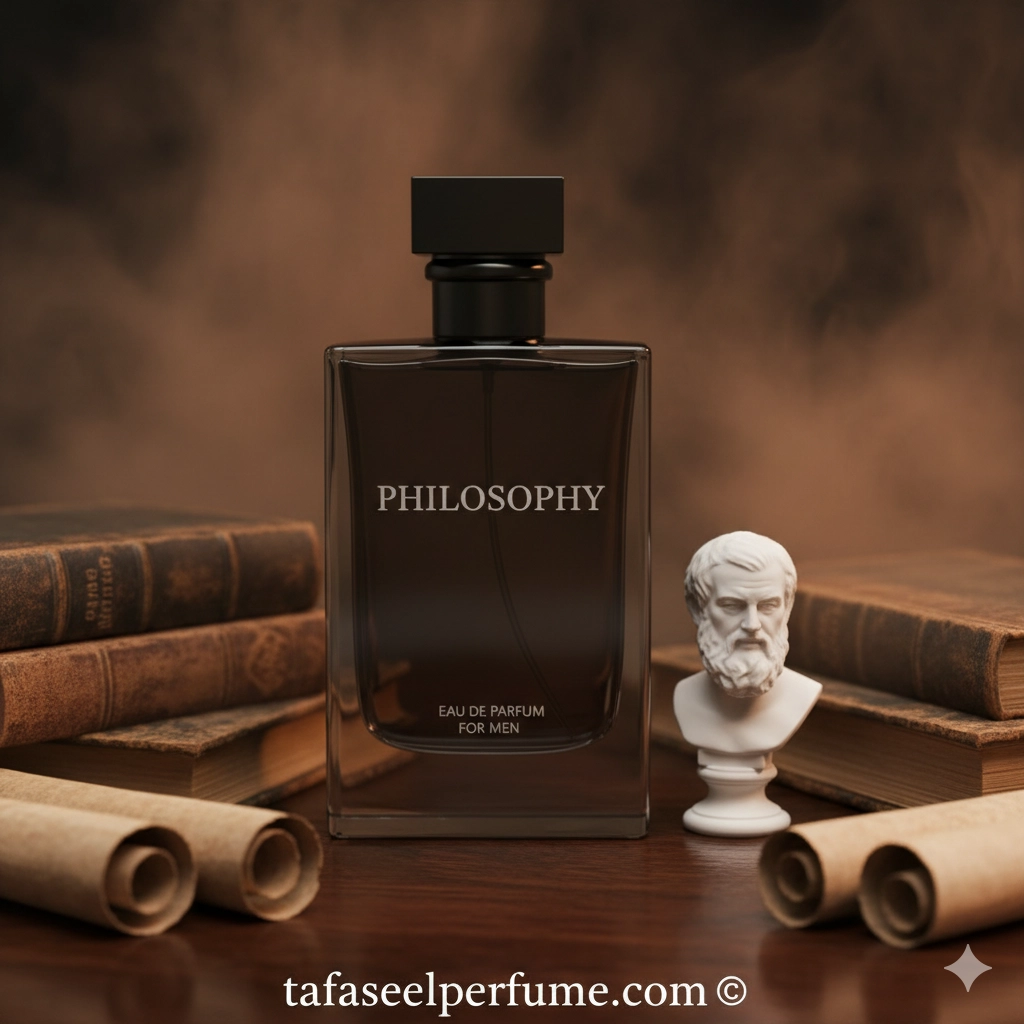
- Philosophy Perfume for Men: A Thoughtful Guide to Scent, Identity, and Style: Short intro: Philosophy perfume for men distills ideas about character, clarity, and subtlety into a wearable scent. This guide explains what makes Philosophy fragrances distinct, how to choose and wear them, and why scent can function as a personal philosophy.
Column intro: Below you’ll find a concise directory, seven in-depth sections that explore different practical and aesthetic aspects of Philosophy perfumes for men, and a set of FAQs that answer the most common questions buyers and enthusiasts ask.
1. Signature Character — What defines a Philosophy men’s scent — brief look at the identity and intent behind the fragrance.
2. Notes & Composition — Reading the fragrance in layers — short description of top, heart and base notes and what they communicate.
3. Occasion & Seasonality — When Philosophy perfumes work best — short guide to pairing scent with time and place.
4. Longevity & Projection — How long it lasts and how it announces itself — short practical tips for wear and testing.
5. Layering & Care — Making Philosophy perfumes yours — short techniques for layering, storage, and skin prep.
6. Heritage & Inspiration — The ideas behind the bottle — short note on branding, storytelling, and cultural reference.
7. Buying Guide — How to choose the right Philosophy perfume for you — short checklist for purchase and sampling.
Is Aqua by Bvlgari for Men the Ultimate Fresh Aquatic Fragrance?
What Makes Tom Ford Soleil Blanc a Modern Luxury Icon?
Red Bottle Men’s Cologne: The Complete Guide to Scent, Style, and Staying Memorable
1. Signature Character — What defines a Philosophy men’s scent
Philosophy perfumes for men typically prioritize clarity over complexity. Rather than masking personality with overpowering accords, these fragrances aim to articulate a readable, composed presence: crisp openings, balanced middles, and reassuring bases. The “philosophy” in the name suggests an approach to design where restraint, thoughtful ingredient pairing, and an emphasis on daily wearability take precedence.
From a branding perspective, producers tend to position these scents as intellectual and accessible — not niche for the sake of obscurity, but intentionally composed to play well within professional, social, and intimate contexts. Choosing a Philosophy perfume is therefore as much about the idea you want to project — deliberate, calm, precise — as it is about the olfactory notes themselves.
La Perla — "Let the Dance Begin": An Ode to Movement, Lace and Sce
2. Notes & Composition — Reading the fragrance in layers
To understand a Philosophy perfume, read it like a short argument: top notes present the thesis, heart notes develop nuance, and base notes conclude with conviction. Typical top notes are citrus, aromatic herbs, or light aquatic facets that give immediate clarity. Heart notes may introduce spice, green leaves, lavender, or mild florals to add character without theatricality. The base often relies on vetiver, cedar, musk, or warm ambers to ground the scent.
Composition is rarely experimental with wild synthetic blasts; instead it favors classical building blocks assembled in precise ratios so that each layer supports a coherent whole. That design ethic produces fragrances that reveal themselves gradually and reward repeated wear rather than shocking on first encounter.
What Makes Ariana Grande Fragrance a Modern Pop-Icon Scent?
3. Occasion & Seasonality — When Philosophy perfumes work best
Philosophy perfumes for men are often day-to-day companions. Fresh, understated openings make them suitable for professional settings; warm, clean bases make them comfortable for evenings. Light citrus- or aquatic-leaning Philosophy scents work best in spring and summer, while woody, spicy, or amber-leaning variants suit fall and winter.
Because the emphasis is on nuance, these fragrances excel in environments where proximity matters — meetings, dinners, dates — rather than on the loud, long-distance projection expected of some nightlife-focused colognes. When selecting a Philosophy scent, consider the social context and how closely you typically interact with others; choose lighter compositions for close quarters and fuller bases when you want a lingering but refined trail.
Is Vetiver Paradise by Carolina Herrera the Ultimate Modern Vetiver Experien
4. Longevity & Projection — How long it lasts and how it announces itself
Longevity for Philosophy perfumes varies by concentration (EDT vs. EDP) and by formula. Expect modest to moderate longevity on skin — typically four to eight hours for eau de toilette formulations and longer for parfum concentrations. Projection is generally moderate: these scents are designed to be noticed up close and to leave a subtle impression at a distance.
Practical tips: test on your skin rather than paper; allow at least 30 minutes to judge the heart and base; and remember that skin chemistry can significantly alter both longevity and character. If longevity is a priority, look for versions with denser base notes (resins, woods, musk) or consider layering with a neutral unscented lotion to minimize evaporation while preserving the scent profile.
What makes Paco Rabanne Invictus so iconic?
5. Layering & Care — Making Philosophy perfumes yours
Layering should be used to personalize rather than to mask. A Philosophy scent with a clear citrus-wood backbone can be layered with a thin mist of a warmer amber or a clean musk to add depth without changing the essential character. Apply thinner sprays and build gradually; layering aggressively will defeat the minimalist ethos behind many Philosophy releases.
Care: store bottles upright, away from light and heat; close caps securely; avoid bathroom storage where humidity accelerates degradation. For travel, decant into small atomizers to preserve the original bottle and to comply with transport rules.
6. Heritage & Inspiration — The ideas behind the bottle
Philosophy perfumes often rely on a conceptual premise: clarity, ritual, or a defining mood. The packaging and copy usually reflect simplicity and intention. The heritage may borrow from classical perfumery (cologne structure, fougère family, vetiver tradition) while updating execution for modern sensibilities — cleaner synthetics, eco-aware sourcing, or minimalist presentation.
Understanding the inspiration helps you align a scent with a personal narrative: do you prefer a fragrance that reads as meditative and restrained, or one that speaks to travel and sunlit optimism? The answer guides both sampling and purchase decisions.
7. Buying Guide — How to choose the right Philosophy perfume for you
Checklist for purchase: 1) Sample on skin rather than paper; 2) Wear for a full day to evaluate development; 3) Match scent family to use case (fresh/citrus for daytime, woody/amber for evenings); 4) Consider concentration for longevity needs; 5) Factor price-per-milliliter and decant options for testing.
When in doubt, buy the smallest bottle or a sample set. Many retailers and brand sites offer trial sizes or discovery sets that allow you to live with the fragrance for several days — the best way to determine whether a Philosophy perfume integrates with your daily life.
FAQ 1 — Are Philosophy perfumes for men unisex or gender-specific?
Answer: Many Philosophy fragrances are formulated with universality in mind; however, marketing may target men or women. Evaluate the scent by its notes and how it reacts on your skin rather than by the gendered label. Preference and wearability should guide the choice.
FAQ 2 — How should I test Philosophy perfumes in-store?
Answer: Spray on skin (wrist or inner elbow), wait 10–30 minutes to evaluate the heart note, and then check again at the 2–4 hour mark for base behavior. Avoid sampling multiple strong scents in a single session; reset your nose with neutral coffee beans or a short walk between tests.
FAQ 3 — Do Philosophy perfumes perform well in professional settings?
Answer: Yes. Their restrained, clear-statement profiles are often well suited to offices and meetings because they communicate polish without overwhelming colleagues. Use light application for close-contact environments.
FAQ 4 — Can I layer a Philosophy perfume with other fragrances?
Answer: Yes, but layer conservatively. Start with a modest amount of your Philosophy scent and add a subtle complementary note (musk or warm amber) if you seek additional longevity or a touch of warmth. The goal is enhancement, not concealment.
FAQ 5 — How do I make a Philosophy scent last longer on my skin?
Answer: Apply to well-hydrated skin, target pulse points (neck, chest, inside wrists), consider using a matching or neutral unscented moisturizer before spraying, and choose higher concentration formats (EDP or parfum) if available.
FAQ 6 — Are Philosophy perfumes suitable gifts?
Answer: They make thoughtful gifts for recipients who appreciate subtlety and refined presence. If you are uncertain about specific notes, choose a sample set or a smaller bottle to allow the recipient to test the fragrance over several days.
FAQ 7 — Where can I find trustworthy reviews and comparisons?
Answer: Start with reputable fragrance blogs, specialist review sites, and retailer sample programs. Look for reviews that describe the development across top, heart, and base notes and, when possible, include wear-time observations to get an accurate sense of performance.
Closing note: Philosophy perfumes for men reward considered listening — wear them across ordinary days and notice how they align with mood, context, and personal presentation. A well-chosen Philosophy scent functions less like an announcement and more like a quietly coherent statement about who you are.


