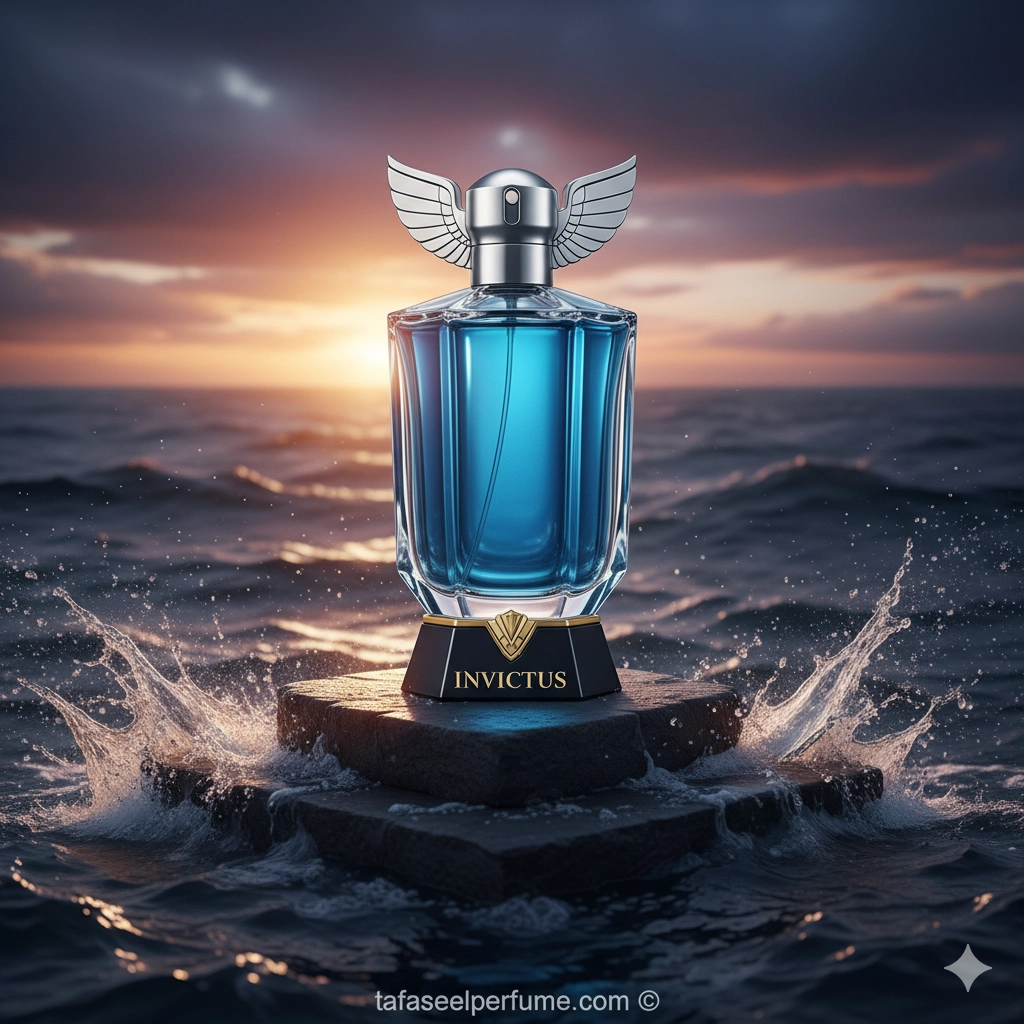
- What makes Paco Rabanne Invictus so iconic?: Short intro: Invictus launched Paco Rabanne into a modern, sporty fragrance territory — an olfactory declaration of energy, citrus brightness and marine freshness that aims to evoke victory and dynamism.
Long intro: Invictus (released in 2013) is a woody-aquatic eau de toilette for men that built its reputation on a crisp opening of grapefruit and marine accord, aromatic heart notes such as bay leaf and jasmine, and a warm, woody base featuring guaiac wood, patchouli and ambergris. The scent was marketed as a “victory” perfume — clean, sporty and highly approachable — which helped it become one of Paco Rabanne’s best-known commercial successes.
Directory (quick overview):
A concise look at the top, heart and base notes.
How design, marketing and packaging reinforce the “victory” concept.
Longevity, sillage and how the fragrance behaves on skin.
Best seasons, occasions and wearer profiles.
5. Tips, layering & alternatives
Practical advice for making Invictus work for you.
1. Scent profile
Invictus opens with a bright, citrusy thrust dominated by grapefruit (often paired with mandarin or other citrus accents) and a saline, marine accord that immediately reads fresh and sporty. The heart brings aromatic green notes — bay leaf and jasmine’s hedione — which add an herbal, slightly floral lift without becoming sweet. The base is where the composition gains persistence: guaiac wood, ambergris-like accords and patchouli anchor the freshness with a warm, mildly resinous depth. Result: a crisp, aquatic-citrus top that transitions to a clean-woody finish — designed for broad appeal and immediate recognizability.
2. Bottle & branding
Paco Rabanne reinforced the “victory” narrative through the bottle design and campaign imagery: the trophy-shaped flacon (bold, metallic, tactile) and advertising that emphasizes athletic triumph. The bottle reads masculine and trophy-like at a glance, which pairs perfectly with the scent’s marketing story. Branding choices — from bottle finish to commercials — sharpen the perfume’s identity as a confident, energetic signature.
3. Performance & projection
As an eau de toilette, Invictus typically projects well on first application — the citrus and marine accords are bright and noticeable for the first two hours, often giving medium-to-strong sillage initially. Longevity commonly ranges from moderate to long depending on skin chemistry and concentration (EDT vs Parfum variants). The parfum and intense flankers increase longevity and add richer woody or amber facets. Practical takeaway: for everyday wear, a light-to-moderate application gives a confident presence without overpowering; for evening or colder months, seek the higher-concentration versions for extended performance.
4. When to wear
Invictus is ideally a spring-to-autumn fragrance because its aquatic-citrus freshness reads best in mild to warm weather, though the richer flankers and parfum versions make it usable in cooler months. It is positioned as casual-sporty and also translates well to social nights out where a bold, youthful signature is appropriate. Who it suits: younger-to-middle-aged wearers who like fresh, recognizably designer scents with a confident, mainstream appeal.
5. Tips, layering & alternatives
Tips: apply to pulse points (wrists, chest) and avoid rubbing wrists together to preserve the opening; for better longevity, pair with a neutral or slightly scented moisturizer. Layering: Invictus pairs well with subtle woody or amber base layers to accentuate depth without masking its bright aquatic top notes. Alternatives: if you enjoy Invictus but want something less mainstream or more niche, look for woody-aquatic or amber-woody compositions that trade some citrus for smokier or creamier woods. Quick hack: try a single extra spritz on clothing (not too close) to extend projection in cooler weather.
Closing note: Invictus became iconic not because it reinvented perfumery, but because it combined an immediately likable aromatic blueprint with bold visual branding and strong market positioning — a deliberate, successful formula for a modern designer hit.


