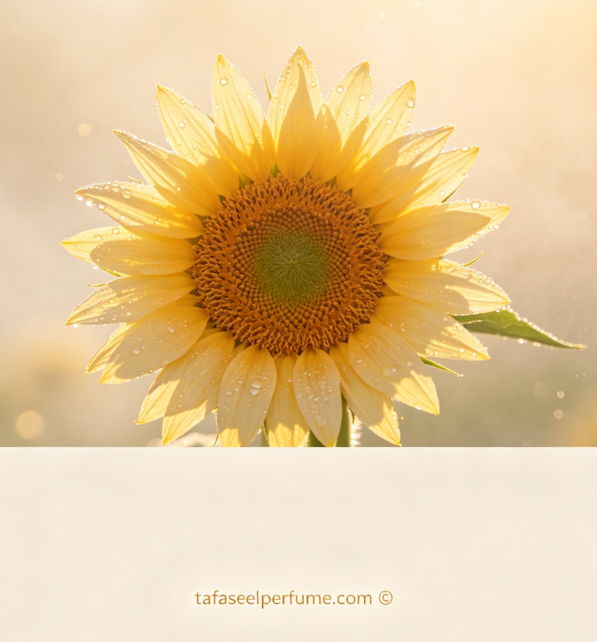
- Morning Sunflower Sunrise · The Velvet Architecture of Golden Dawn: Sunflower sunrise — where the first ray paints a thousand petals in buttery gold. A morning ritual of light, warmth, and the quiet promise of a day drenched in radiance.
Morning sunflower sunrise is more than a spectacle; it is a daily rebirth. As the sun climbs over the horizon, its amber light spills across fields of sunflowers, each bloom turning its face to the east in silent reverence. This is the velvet architecture of dawn — a fleeting moment when cool dew meets solar fire, and the air carries the scent of pollen, earth, and infinite possibility. For centuries, artists, poets, and perfumers have chased this light, bottling its essence in notes of citrus, honey, and sun-warmed petals. Whether you rise before the birds or catch the glow through a window, the morning sunflower sunrise offers a canvas of stillness and energy, a reminder that every day begins with a brushstroke of gold.
Dawn chapters
1. The Golden Hour: When Sunflowers Wake
2. Chromatic Alchemy: Light & Petal Dialogue
3. Olfactory Echoes: Scent of Morning Dew & Solar Pollen
4. Rituals of Radiance: Welcoming the Sun
5. The Velvet Canopy: Shadows and Highlights
1. The Golden Hour: When Sunflowers Wake
Before the sun breaks the horizon, the eastern sky softens into a gradient of lavender and peach. Sunflowers, those tall sentinels of summer, begin to stir. Their broad leaves, still beaded with night’s moisture, catch the first whisper of gold. This is the golden hour — not merely a photographic term, but a biological and emotional threshold. Sunflowers exhibit heliotropism, a gentle turning that follows the sun’s arc. In the early morning, this movement is most visible, as if the entire field exhales in unison. The light at this hour is oblique, long-shadowed, and rich with honeyed warmth. It coats each petal like a layer of liquid topaz, transforming the ordinary into the numinous. For those who witness it, the golden hour becomes a living painting, one that changes by the minute, urging us to pause and breathe.
This moment also carries a scent: a mix of damp earth, crushed grass, and the faint green bitterness of sunflower stalks. It is the fragrance of anticipation, of a world not yet fully awake but already leaning toward the light. Many perfumers have tried to capture this transition, blending citrus top notes with a heart of hay and wildflower, but the true essence remains ephemeral — a gift reserved for those who stand in the field at dawn.
2. Chromatic Alchemy: Light & Petal Dialogue
As the sun climbs, the dialogue between light and petal intensifies. Sunflowers are not a single yellow; they are a spectrum of butter, ochre, amber, and bronze. The morning light, with its low angle and high warmth, reveals this chromatic architecture. Each petal acts as a prism, scattering photons into a soft halo around the flower’s dark, seed-studded center. This center, a geometric marvel of Fibonacci spirals, absorbs the light, storing energy for the day ahead. The contrast is striking — the bright corona against the deep brown disk — a velvet architecture of color that has inspired painters from Van Gogh to contemporary abstract artists.
During sunrise, this dialogue is most dynamic. The light changes from rose-gold to clear yellow, shifting the mood from dreamy to vibrant. Shadows shorten, dew evaporates, and the sunflower’s face becomes a mirror of the sun itself. It is a reminder that beauty is not fixed but relational, dependent on the angle of vision and the quality of light. For the observer, this alchemy offers a meditation on impermanence and the joy of fleeting perfection.
3. Olfactory Echoes: Scent of Morning Dew & Solar Pollen
Inhale deeply at sunrise in a sunflower field, and you will encounter a complex olfactory landscape. The dominant note is green and vegetal, stemming from the stalks and leaves that release terpenes in the cool morning air. Overlaid on this is a delicate floral sweetness, reminiscent of acacia honey and warm bread, emitted by the pollen-rich anthers. As the sun gains strength, this scent evolves: the greenness recedes, and a nutty, almost slightly roasted aroma emerges from the seeds’ developing oils. It is a symphony of photosynthesis, a fragrance that can never be fully bottled, yet which haunts the memory like a half-remembered melody.
This olfactory echo has found its way into niche perfumery, where sunflower absolute and immortelle are used to evoke the warmth of a summer dawn. However, the true experience remains tethered to place and time — the cool breeze, the buzz of early bees, the distant chirp of birds. It is a scent that says: “You are alive, and the world is beginning again.”
4. Rituals of Radiance: Welcoming the Sun
Across cultures, the sunrise has been a moment of ritual. For the ancient Incas, sunflowers were symbols of the sun god Inti; their golden faces were offerings of gratitude. In modern times, a morning sunflower sunrise can be a personal ritual — a quiet cup of tea on the porch, a yoga practice facing east, or a solitary walk along a dirt path. These rituals are acts of attention, ways of aligning our internal rhythms with the external cycle of light. The sunflower, with its deliberate turning, becomes a model of intentional presence.
Engaging in a sunrise ritual also has psychological benefits: it reduces cortisol, increases vitamin D, and sets a tone of calm receptivity. By simply observing the sunflower’s gradual tracking of the sun, we are reminded that movement can be slow, graceful, and purposeful. The morning is not a race; it is a rising, a bloom, a gentle unfolding. This is the velvet part of the architecture — not rigid, but soft, adaptable, and deeply human.
5. The Velvet Canopy: Shadows and Highlights
Sunrise is not only about light; it is also about shadow. The long, angled rays cast by the low sun create dramatic velvet canopies beneath the sunflower heads. These shadows, deep and cool, provide a counterpoint to the warm highlights above. The contrast enhances the three-dimensionality of the field, making each flower appear sculpted. From a distance, the pattern of light and shadow resembles a pointillist painting, with dappled spots dancing across the foliage.
This interplay is a masterclass in composition for photographers and painters alike. The velvet architecture of the scene lies in the tension between illumination and obscurity, between the luminous petal and the hidden center. In perfumery, this duality is mirrored in fragrances that balance bright citrus with dark woods or sweet floral with earthy patchouli. The morning sunflower sunrise offers a visual and sensory lesson: that depth is created not only by what is seen but by what is hinted at in the shadows.
6. Sunflower Compass: Following the Light
Heliotropism, the sunflower’s famous tracking of the sun, is a metaphor for orientation. In the morning, young sunflowers face east to catch the first rays; as the day progresses, they slowly swivel west, and at night they reset. This biological compass is a reminder of the importance of direction and intention. For us, a “sunflower compass” might mean setting daily intentions aligned with our values, or simply choosing to face the light rather than the shadows. The sunrise offers a pristine moment to ask: What am I turning toward today?
This tracking behavior is also a form of resilience. Sunflowers are hardy plants, capable of growing in diverse soils, yet they always seek the sun. In the same way, we can cultivate an inner orientation toward growth, even when circumstances are less than ideal. The morning sunflower sunrise is a visual affirmation of this optimistic turning, a daily reminder that we, too, can pivot toward warmth and possibility.
7. Eternal Return: Why We Chase the Sunrise
There is a reason humans have always chased the sunrise. It represents renewal, hope, and the cyclic nature of existence. The morning sunflower sunrise, in particular, embodies this eternal return — the sunflower dies and is reborn each season, and each dawn resets the canvas of the sky. It is a cosmic clock that reassures us of continuity amidst change. Psychologically, watching a sunrise can induce a state of awe, which has been shown to increase well-being and reduce stress. The sheer scale of the event — a star rising over a field of golden flowers — puts our daily worries into perspective.
Moreover, the act of chasing the sunrise, whether by traveling to a hilltop or simply stepping into the garden, is a form of pilgrimage. It is a declaration that we are willing to witness beauty, to be moved by something larger than ourselves. The sunflower, standing tall and unwavering, becomes a companion in this pursuit. And as the sun fully clears the horizon, we are left with a quiet certainty: the light always returns, and so can we.
Morning Sunflower Sunrise · FAQ
Sunflowers exhibit heliotropism, especially during their bud and young stages. They face east to catch the first warming rays of the sun, which helps attract pollinators and optimize photosynthesis. As the sun moves, they track it, but mature sunflowers often remain facing east to maximize morning light.
The best time is about 30 minutes before sunrise to 45 minutes after. The “golden hour” provides soft, directional light that enhances the yellow petals and long shadows. Arrive early to watch the sky change from deep blue to peach and gold — it’s a full sensory experience.
Absolutely. Sunflowers are easy to grow from seeds. Choose a spot with full sun, and plant them in rows or a circle. For a dramatic sunrise view, plant them east of your viewing position. Varieties like ‘Mammoth’ or ‘Lemon Queen’ produce large, photogenic faces.
The morning air carries green, earthy notes from the foliage, blended with a light floral sweetness from the petals and pollen. As the sun warms the field, subtle nutty and honey-like aromas emerge. Perfumers often use immortelle, hay, and citrus to recreate this olfactory memory.
Watching a sunrise triggers the release of serotonin and reduces cortisol. The beauty of the scene induces awe, which is linked to lower stress and greater life satisfaction. It’s a form of mindfulness that anchors you in the present moment.
Yes. In many cultures, sunflowers symbolize loyalty, longevity, and adoration. Their association with the sun is ancient; the Incas used them in sun temples. In modern times, they represent positivity and the joy of life, making the sunrise-sunflower pairing a universal emblem of hope.
Certainly. You can wake up 20 minutes earlier, step outside or face a window, and simply observe the light. Pair it with deep breathing, journaling, or a short meditation. Even on cloudy days, the intention to witness the dawn connects you to the rhythm of nature.
Morning Sunflower Sunrise · A daily ode to light, scent, and the velvet architecture of dawn.


