- mintaure · the velvet architecture of minimalist luxury: mintaure — where scarcity meets saturation. A fragrance philosophy that distills opulence into a single, whispered note. Less is never empty; it is pure presence.
mintaure is not a perfume — it is an olfactory posture. Born from the tension between velvet texture and architectural restraint, it redefines modern perfumery as a practice of elimination. Every drop is a decision; every note, a deliberate omission. In a world of overwhelming accords, mintaure offers the courage of subtraction. It speaks to those who find luxury in silence, power in subtlety, and identity in the spaces between scents. This is the architecture of timeless elegance — stripped, honest, and profoundly sensual.
contents · the mintaure codex
1. the velvet void
mintaure opens with a paradox: the sensation of touching something that is not there. The velvet void is not emptiness — it is a plush silence that prepares the senses. In this chapter, we explore how minimalist perfumery uses negative space as an active ingredient. Like a Brutalist building, every line is deliberate, every curve a whisper. The velvet void is the breath before the note, the pause that makes the fragrance unforgettable. It is the olfactory equivalent of a Rothko painting — vast, meditative, and emotionally charged. When you wear mintaure, you are not adding a scent; you are subtracting noise until only truth remains.
This approach requires courage. Most perfumes drown you in layers; mintaure strips them away. The velvet void is felt in the dry-down, where a single molecule of ambroxan or a thread of iris butter creates a halo of powdered light. It is intimate, never loud. It lingers like a memory, not a shout.
2. architecture of absence
If perfume is built, mintaure is the architecture of absence. This chapter dissects the structural skeleton of minimalist fragrance: linearity, transparency, and precision. Unlike classic pyramids, mintaure flattens the hierarchy. Top, heart, and base melt into a single monolithic chord. The materials are chosen for their ability to reflect, not just project. Think of a Mies van der Rohe pavilion — glass, steel, and space. In mintaure, the ingredients are iso e super, hedione, ambroxan, and musks — not as fillers, but as load-bearing walls. The absence of sweetness, the refusal of fruit, the disdain for gourmand excess — this is a fragrance for those who find beauty in structural honesty. It is the scent of a minimalist loft at dawn.
The architecture of absence also extends to longevity. Mintaure lasts not by bombarding your nose, but by slowly releasing its molecules, like a time-release sculpture. It is there, then not, then there again — a rhythmic presence that respects your personal space.
3. the mineral whisper
Mintaure is grounded in the mineral whisper — a palette of salty, flinty, and ozonic accords that evoke wet concrete, sea-sprayed stone, and sun-baked clay. This is not the minerality of cheap aquatic colognes; it is the terroir of urban minimalism. The mineral whisper gives mintaure its textural edge, a slight grit that contrasts with the velvet smoothness. In this section, we analyze the role of geosmin, calone, and norlimbanol in creating that crisp, almost metallic freshness that defines the mintaure signature. It smells like rain on marble, like the first touch of cold air on heated skin. The mineral whisper is the backbone — it holds the fragrance upright, never allowing it to become sweet or cloying.
This accord is particularly potent in hot climates, where it cools without menthol. It is the scent of a minimalist oasis — water, stone, and shadow. The mineral whisper is also deeply unisex, transcending gender through its elemental purity.
4. skin as canvas
In mintaure, the skin is not a mere carrier — it is the final collaborator. This chapter explores the interaction between the fragrance and the wearer’s own chemistry. Because mintaure is stripped of heavy fixatives, it morphs with every body, becoming a bespoke scent for each individual. The skin becomes a canvas, and the perfume is the pigment. We discuss the sillage — not a cloud, but a halo — and how mintaure’s transparency allows the wearer’s natural scent to shine through. It is a duet, not a solo. The warmth of skin activates the musks, the salts amplify the mineral notes, and the pH determines whether the iris turns buttery or powdery.
This intimacy makes mintaure a second skin. It is not worn; it is lived. The canvas metaphor also extends to layering — mintaure can be used as a base for other fragrances, or worn alone as a statement of quiet confidence. It is the scent of a person who is comfortable in their own skin, with nothing to prove.
5. monochrome florals
Florals in mintaure are not lush or romantic — they are monochrome. This chapter zooms into the use of iris, violet, and orange blossom in their most skeletal forms. The iris is rooty, not powdery; the violet is metallic, not sweet; the orange blossom is indolic and sharp, stripped of its honeyed warmth. Monochrome florals are the gray scale of perfumery — they provide contrast without color. In mintaure, these flowers are treated like architectural elements: a steel beam, a concrete slab, a glass panel. They are deconstructed, and their individual facets are highlighted: the ionones, the methyl anthranilate, the irones. The result is a cold, ethereal beauty that feels both nostalgic and futuristic.
We also explore how these monochrome florals interact with the mineral whisper, creating a friction that is both elegant and unsettling. It is the scent of a black-and-white photograph — full of depth, without the distraction of color.
6. the geometry of musk
Musk in mintaure is not the sensual, animalic musk of old. It is geometric — clean, crystalline, and abstract. This chapter examines the white musks (galaxolide, tonalid, ethylene brassylate) that form the invisible grid of the fragrance. These musks are sheer, almost transparent, yet they provide a voluminous halo that extends the sillage without weight. The geometry of musk is about shape: a square, a circle, a triangle. It defines the boundaries of the scent bubble. In mintaure, the musk is not warm; it is cool, like the surface of a polished stone. It creates a skin-like aura that feels modern and minimal.
We also discuss the synergy between musk and the mineral notes — how they reinforce each other to create a crystalline structure that is both airy and substantial. The geometry of musk is the silent architecture that holds the entire composition together.
7. light & shadow accords
Mintaure is a play of light and shadow. This chapter delves into the contrast between bright, sparkling notes (bergamot, lemon, pink pepper) and dark, brooding bases (patchouli, vetiver, cedar). But in mintaure, the light is diffused and the shadow is sheer. There is no dramatic clash; instead, there is a continuous gradient. The light notes are used as flashes, not beams, while the dark notes are veiled, not heavy. This creates a chiaroscuro effect that is olfactory and emotional. The wearer moves between moments of bright clarity and introspective depth — a journey that mirrors the complexity of minimalism itself.
We analyze the specific molecules that achieve this effect, such as limonene, eugenol, and beta-caryophyllene, and how their proportions are calibrated to maintain the velvet texture. Light and shadow accords give mintaure its dynamic stillness — it is never static, yet never restless.
8. mintaure rituals
Wearing mintaure is a ritual. This chapter is a guide to the ceremony of application, from the moment you hold the bottle to the final dry-down. We explore the temperature, pulse points, and layering techniques that enhance the minimalist experience. Because mintaure is transparent, it thrives on warmth — the heat of the inner wrist, the crook of the elbow, the back of the neck. The ritual also involves mindfulness: applying with intention, breathing in the void, and allowing the scent to unfold without interference. We also discuss the time of day — mintaure is a chameleon, shifting from crisp morning to velvet evening.
This section includes practical tips: how to store the bottle, how to refresh without overwhelming, and how to combine with unscented lotions. The ritual transforms a fragrance into a meditation, a daily reminder of the beauty of less.
9. the eternity bottle
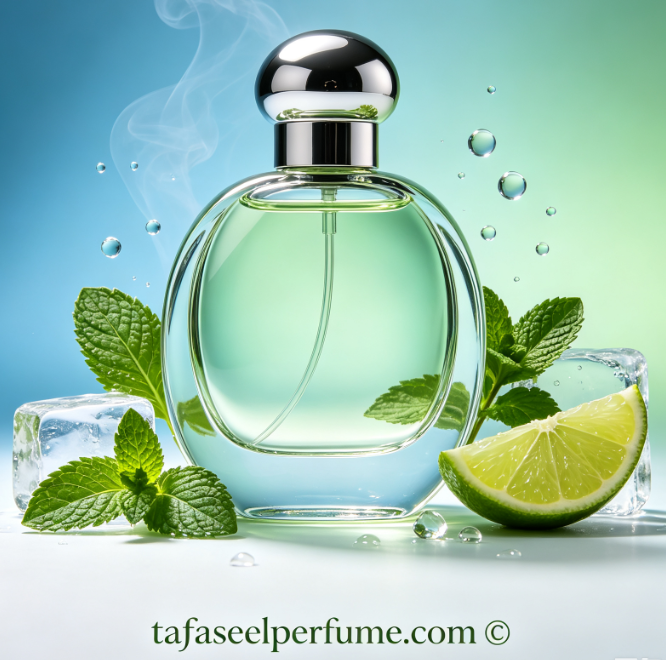
Finally, we examine the vessel — the eternity bottle. Mintaure’s packaging is as minimal as its juice: heavy glass, straight lines, no label except for a single engraved letter. This chapter explores the design philosophy behind the bottle: it is meant to be felt, not just seen. The weight, the coolness, the geometric perfection — all of it prepares the wearer for the scent within. The eternity bottle is refillable, a nod to sustainability and the enduring nature of true luxury. We discuss how the physical object reinforces the olfactory experience, creating a total work of art (Gesamtkunstwerk). The bottle is not a container; it is a reliquary for the velvet architecture of mintaure.
In this final chapter, we also reflect on the future of minimalist perfumery and how mintaure is paving the way for a less-is-more movement that values quality over quantity, substance over spectacle.
mintaure · frequently asked questions
explore more · velvet trails
Giorgio Armani Beauty Coupon Code · Top Men Cologne · Bvlgari Men · Lacoste Essential · Perfumes with Magnolia · Versace Ocean Cologne · Dolce & Gabbana · New Cologne Men · Jo Malone Original · Juliette Has a Gun · One Million · Billie Eilish · Herrera by Carolina Herrera
Unisex Perfume · Women’s Perfume · Men’s Perfume · Perfume Gift Sets · Deodorant · Children & Baby · Fragrance Gels · Spa & Fragrance · Body Art · Nail Supplies · Makeup Tools · Eyelash Beauty · Hair Extensions · Aesthetic Medicine · Beauty Equipment · Mini Size & Gift Sets · Skin Care · Perfume Articles · Beauty · Tafaseel · Brands · Ranking
velvet architecture mintaure minimalist luxury
⊹ mintaure — the art of olfactory subtraction · tafaseel perfume 2026


