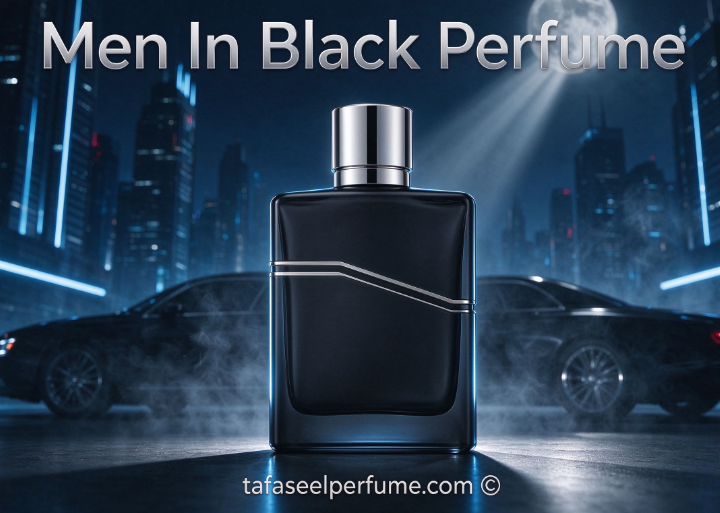
- Men in Black Perfume: The Complete Guide to Bvlgari’s Dark, Amber-Spicy Masculine Signature: Quick intro: When people search for men in black perfume, they are almost always looking for the same thing: a dark, warm, confident masculine scent that feels dressed-up without trying too hard. The name is most closely tied to Bvlgari Man In Black, an amber-spicy eau de parfum that has become a reference point for guys who want rum, tobacco, leather, and spice in one bottle. This guide breaks down what it smells like, how it performs, who it suits, and how to wear it without overthinking it.
Big intro: Men in black perfume sits in a very specific lane of masculine fragrance: neo-oriental amber, built around intoxicating warmth rather than freshness. The core structure is remarkably consistent across the most recognised versions—rum, tobacco, and spices in the opening; leather, iris, and tuberose in the heart; tonka bean, guaiac wood, and benzoin in the base. That combination produces a scent that is sweet but not gourmand, dark but not gloomy, and formal enough for a black-tie room while remaining deeply sensual on a cold-weather date night. Bvlgari’s Man In Black, launched in 2014, is the version most often meant when the phrase is used, and it remains the benchmark against which “men in black” inspired perfumes are measured. If your men’s perfume rotation leans fresh, citrusy, or aquatic, this is the opposite direction: dense, warm, and unapologetically present. The sections below cover the scent DNA, the reference bottle, performance expectations, occasion logic, and the closest alternatives so you can decide whether this dark amber profile belongs in your wardrobe.
1. The Scent DNA: Notes and Olfactory Architecture
2. Bvlgari Man In Black: The Reference Point
3. Performance: Longevity, Sillage, and Skin Chemistry
4. When and Where to Wear Men in Black Perfume
5. Comparisons, Alternatives, and the “Black” Fragrance Family
1. The Scent DNA: Notes and Olfactory Architecture
The note pyramid of men in black perfume is not complicated, but it is layered with intent. The opening is designed to arrest attention: spices, rum, and tobacco create a warm, slightly boozy, faintly sweet first impression that smells expensive and nocturnal rather than sporty or office-safe. Some wearers describe the initial spray as loud or sharp on the spice front, but it settles quickly into the intended blend. The heart is where the fragrance becomes genuinely distinctive: leather adds a supple, animalic texture; iris contributes a powdery, rooty elegance; and tuberose introduces a fleshy floral nuance that keeps the composition from reading as a flat “tobacco bomb”. The base is the longest phase and the reason the scent lingers in memory: tonka bean supplies creamy sweetness, guaiac wood adds smoky-woody depth, and benzoin rounds everything with a resinous, balsamic warmth. The overall effect is amber-spicy with a leather-tobacco core—closer to a dark oriental than to a fresh fougère. If you enjoy the idea of a classic amber with a darker, more modern texture, this architecture is the reason the phrase men in black perfume has stuck.
2. Bvlgari Man In Black: The Reference Point
Bvlgari Man In Black is the bottle most people mean when they say men in black perfume. Launched in 2014, it was positioned as a “neo-oriental” masculine—daring, charismatic, and seductive in a way that deliberately avoided the fresh-aquatic template that dominated designer men’s fragrances at the time. The bottle is black, heavy, and deliberately anonymous in the way a formal accessory is anonymous: it does not need to shout because the scent does the talking. Reviewers consistently describe it as “highly masculine, intense, warm, and full of presence,” with a character that demands the right context—cold weather, evening, and a certain level of dressing up. It is also a polarising scent: some wearers find the opening too spicy or the sweetness too persistent, while others treat it as a signature for life. That polarisation is useful information. It means men in black perfume is not a crowd-pleasing “safe blind buy” in the way a blue aquatic might be; it is a statement fragrance. If you already enjoy the darker side of Obsession Calvin Klein Parfum or the leather-tobacco tension of classic orientals, Bvlgari’s version will feel like a natural modern extension rather than an alien experiment.
3. Performance: Longevity, Sillage, and Skin Chemistry
Performance reports for men in black perfume vary because skin chemistry, batch variation, and application method all matter, but the broad pattern is clear: longevity is usually good to very good, while projection is moderate to strong rather than room-filling. Some wearers report 8–10 hours of wear with a warm, enveloping trail; others describe 12+ hours of duration with the first 4–6 hours being the most noticeable projection window. A recurring theme in reviews is that the scent performs differently on clothing versus skin—some find the sillage more pronounced on fabric while the skin evolution is smoother and more nuanced. Negative outliers exist, with a minority reporting weak staying power, but those reports tend to sit alongside far more consistent descriptions of a strong, lasting composition. Practically speaking, two to three sprays are enough for an evening: one on the chest, one on the neck, and optionally one on the back of the shirt. Over-spraying is the most common mistake with this style of amber-spicy masculine because the density can become suffocating in close quarters. If you want a lighter way to enjoy the same dark-amber mood, Calvin Klein Body Spray can serve as a layering base or a daytime alternative, but it will not replicate the density of an EDP.
4. When and Where to Wear Men in Black Perfume
The occasion logic for men in black perfume is unusually straightforward: cold weather, evening, and dressed-up or intentional casual. Fall and winter are the natural seasons because the rum-tobacco-leather accord feels insulating rather than cloying in lower temperatures. Summer heat amplifies the sweetness and spice in a way that many wearers find exhausting, so daytime summer use is generally not the best showcase for this DNA. Date nights, dinners, formal events, black-tie occasions, and any setting where you want to project quiet confidence are the sweet spot. It also works as a “signature” for someone whose personal style leans darker—boots, leather jackets, monochrome tailoring—because the scent reinforces that visual language. If your wardrobe is built around lighter Dolce & Gabbana Hombre-style versatility, men in black perfume can function as the evening counterpart rather than the daily driver. It is also a strong candidate for a perfume gift set if you are buying for someone who already enjoys amber, leather, or tobacco fragrances and wants a designer bottle with a clear point of view.
5. Comparisons, Alternatives, and the “Black” Fragrance Family
“Men in black” is not a single trademarked composition; it is a style, and several fragrances sit in the same neighbourhood. The closest reference remains Bvlgari Man In Black, but inspired versions from houses such as NEEX and other clone or interpretation brands deliberately replicate the rum–tobacco–leather–tonka structure at lower price points. Outside the direct “men in black” name, the same amber-spicy-leather territory is occupied by classic orientals and modern dark designers. If you want more floral powder and less boozy sweetness, iris-forward ambers will appeal. If you want more smoke and less cream, guaiac-heavy or birch-tar leathers are the next step. And if you want the same darkness with a different texture, green-fruity leathers like Bleecker Street offer a sharper, more angular alternative. The key distinction is that men in black perfume almost always prioritises warmth, sweetness, and density over freshness. That makes it a poor fit for someone who wants a clean office scent and an excellent fit for someone building a small, deliberate rotation of cold-weather evening fragrances. If you are exploring the broader unisex perfume category, note that the same profile can read as unisex on skin, but the marketing and typical wearer expectation remain masculine-leaning.
Frequently Asked Questions About Men in Black Perfume
Q: Is “men in black perfume” the same as Bvlgari Man In Black?
A: In most search contexts, yes. Bvlgari Man In Black is the fragrance that popularised the phrase, and its note structure—rum, tobacco, leather, iris, tonka bean—is what people usually mean. However, inspired versions and other brands also use “Men in Black” in product names, so always check the brand and note list if you are buying online.
Q: Can men in black perfume be worn in summer?
A: It can, but it is not ideal. The dense amber-spicy sweetness amplifies in heat, and the leather-tobacco core can feel heavy during the day. If you want to wear it in warm weather, apply one spray to clothing rather than skin and keep it for evening use only.
Q: How long does men in black perfume last?
A: Most wearers report 8–12 hours, with the strongest projection in the first 4–6 hours. Skin chemistry, batch, and application method all affect the result, but this is generally a long-lasting EDP rather than a fleeting cologne.
Q: Is men in black perfume good for date night?
A: Yes—this is one of its strongest use cases. The warm, sweet, leathery drydown is intimate and attention-grabbing without being sugary, and the scent performs best in the kind of cool evening setting where date nights usually happen.
Q: What is the difference between men in black perfume and Kenneth Cole Black?
A: They share a name pattern but not a scent profile. Kenneth Cole Black is typically described as fresh, citrusy, and green, while men in black perfume (in the Bvlgari sense) is amber-spicy, leathery, and tobacco-driven. They occupy opposite ends of the masculine freshness–darkness spectrum.


