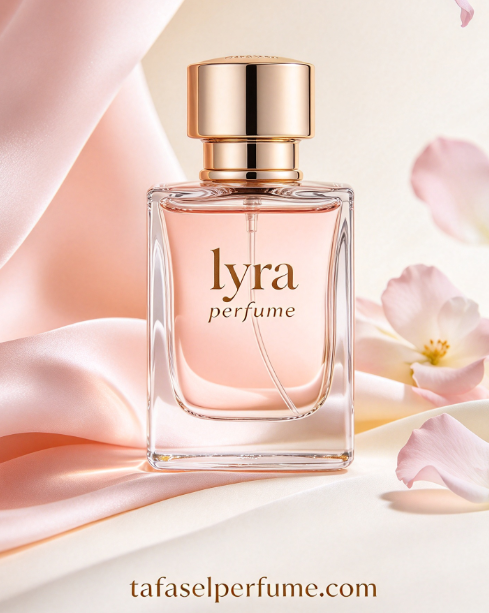
- Lyra Perfume: A Complete Guide to the Timeless Alain Delon Fragrance and Its Legacy: Quick Intro: Lyra perfume most commonly refers to the 1993 oriental fragrance for women created by Christine Nagel and Maurice Roucel for the Alain Delon house. Known for its warm amber-woody character, Lyra weaves together Brazilian rosewood, iris, jasmine, and vanilla into a scent that feels both aristocratic and comforting. This guide explores its composition, wearability, and the other fragrances that share the Lyra name.
Full Introduction: When someone searches for “Lyra perfume,” they are usually looking for one of two things: the vintage Alain Delon classic from the 1990s, or one of the niche botanical interpretations that have appeared in the decades since. The Alain Delon Lyra remains the most widely referenced version, a feminine eau de toilette that has earned a devoted following among collectors of nineties orientals. With a community rating of 4.28 out of 5 from over 160 votes on Fragrantica, it occupies a quiet but respected place in the perfume world. What makes Lyra interesting is its dual identity: it opens with a bright, almost lemonade-like citrus sparkle before settling into a dense, powdery amber base that recalls classics like Shalimar without imitating them. The bottle design and the name itself—evoking both the constellation and the heroine of Philip Pullman’s His Dark Materials—add layers of romance that extend beyond the juice itself. For anyone drawn to vintage-style orientals with a soft, skin-close finish, Lyra rewards patience and repeated wear. This article breaks down the notes, the performance, the variations, and the questions that come up most often when people encounter this scent.
1. The Origins of Alain Delon Lyra: A 1993 Oriental Classic
Lyra was launched in 1993 under the Alain Delon brand, a perfume house built around the image of the French actor. The composition was entrusted to Christine Nagel and Maurice Roucel, two perfumers whose careers would later reach considerable heights—Nagel at Hermès and Jo Malone London, Roucel at Guerlain and Frederic Malle. In the context of early nineties perfumery, Lyra arrived during a period when oriental fragrances still dominated department store shelves, yet it distinguished itself by leaning into a powdery, iris-laced softness rather than the loud fruit-chouli accords that would soon take over. The fragrance was positioned as a feminine eau de toilette, and its marketing emphasized elegance and refinement rather than youthful trendiness. Over three decades later, Lyra survives primarily through the vintage and collector market, where sealed bottles and miniature versions circulate among enthusiasts who appreciate its old-school construction. The fact that it remains discussed and rated on perfume databases is a testament to its quiet durability. It was never a blockbuster, but it found its audience: women who wanted an amber fragrance that felt dignified, warm, and close to the skin rather than theatrical.
2. Notes and Composition: From Citrus Sparkle to Amber Depth
The note pyramid of Alain Delon Lyra reveals a classic structure with a distinctive twist. The top notes combine Brazilian rosewood, lemon, bergamot, and neroli, creating an opening that one reviewer described as “a very pleasant fizzy lemonade start”. This bright citrus-woody introduction is fleeting, but it sets the stage for what follows. The heart brings iris, ylang-ylang, rose, and jasmine, with the iris lending a powdery, slightly cool texture that balances the floral sweetness. The base is where Lyra reveals its true character: vanilla, amber, sandalwood, tonka bean, patchouli, benzoin, musk, and cedar. This is a dense, resinous foundation, but it never becomes overwhelming. Long-time wearers note that the drydown evolves toward something resembling Shalimar in its amber-vanilla warmth, yet Lyra remains softer and more restrained. The patchouli is present but subdued, contributing earthiness rather than sharpness. The overall effect is a fragrance that feels “adult” in the best sense—not old-fashioned, but mature, composed, and self-assured. For anyone who loves orientals but finds many of them too heavy, Lyra offers a middle path: substantial enough to satisfy, gentle enough to wear often.
3. Performance and Wearability: When and How to Wear Lyra
Lyra is an eau de toilette, and its performance reflects that concentration. Most wearers report moderate longevity—typically four to six hours on skin—with a sillage that stays close to the body after the first hour. One detailed review on Fragrantica describes it as best suited to winter wear, arguing that in summer heat the composition becomes “boring, stuffy, and cloying,” while in cold weather its “honeyed, dusty, sun-warmed roadside” character comes alive. This seasonal preference makes sense for an amber-heavy oriental: the resins and vanillas bloom in cool air, while heat can flatten their nuances. For application, the classic advice applies: pulse points, perhaps a light mist on clothing if you want longer projection. Because Lyra is no longer in mass production, many wearers treat their bottles as special-occasion scents rather than daily drivers. If you own a vintage bottle, store it away from light and heat to preserve the top notes, which are often the first to degrade in older fragrances. The fragrance leans feminine in its marketing, but the amber-woods structure has unisex appeal for anyone comfortable with powdery iris and sweet resins.
Omnia Crystalline EDT: The Luminous Crystal Floral That Defines Quiet Elegance
4. Other Fragrances Named Lyra: Roxana Illuminated and Beyond
While the Alain Delon version dominates search results, other perfumes share the Lyra name. The most notable is from Roxana Illuminated Perfume, an independent natural perfume house. This Lyra was originally created as a custom scent for the perfumer’s daughter, Eve, and later entered the brand’s regular line. It is a botanical composition built around jasmine and ylang-ylang, with citrus top notes and an amber base, reportedly incorporating around twenty plant essences. Reviews describe it as a “jasmine with somewhere to be”—dense and almost narcotic in the heart, with a warm amber drydown that stays close to the skin. Performance is modest, around two to four hours, and the fragrance is best suited to spring and summer. It is also available as a solid perfume in a violet glass jar, made with beeswax and jojoba oil. Other Lyra-named releases include Eudora Lyra Happy (2025, a sweet citrus-floral for the Brazilian market) and Odorata Lyra (2020, an oriental woody with rose, peach, and oud). These are distinct compositions that share only the name, so buyers should verify which Lyra they are purchasing before committing.
5. Buying Lyra Today: Vintage Considerations and Alternatives
Alain Delon Lyra is discontinued, which means acquiring it requires navigating the secondary market. Sealed bottles appear on platforms like eBay and specialized fragrance forums, but prices vary widely depending on condition and seller. Miniature bottles are more common and offer a lower-risk way to sample the scent before investing in a full bottle. When buying vintage perfume, check for evaporation (a low fill level suggests the seal has failed) and discoloration, both of which can indicate degradation. If the top notes have turned sour or sharp, the bottle was likely stored improperly. For those unwilling to gamble on vintage, the closest modern alternatives are other powdery ambers with iris: Shalimar by Guerlain (the classic reference point), L’Heure Bleue (more floral and anisic), and Chanel No. 19 Poudre (a modern iris-powder interpretation). None are exact substitutes, but they occupy similar olfactory territory. The Roxana Illuminated Lyra offers a natural, jasmine-forward alternative for those who prefer botanical compositions and are willing to accept shorter longevity. Given the scarcity of the Alain Delon original, sampling miniatures or decants is the most practical approach for curious buyers.
The Complete Guide to Essential Oil Health Benefits: Transform Your Wellness Naturally
6. Lyra in Context: Why a 1993 Oriental Still Matters
Lyra belongs to a generation of fragrances that were composed with a different set of priorities than today’s market. In 1993, orientals could still be powdery and subtle; they did not need to shout. Lyra’s restraint is precisely what makes it worth discussing now. In an era where niche houses chase extreme projection and department stores favor sugary gourmands, a fragrance that whispers—amber, iris, a hint of lemon—feels almost radical. The fact that a small community of wearers still discusses it, rates it, and seeks out bottles three decades later suggests that its appeal was not merely nostalgic. It was well-made. Nagel and Roucel understood how to balance brightness against depth, how to let iris soften amber without erasing its warmth. For anyone interested in the history of nineties perfumery, or simply in finding an amber that does not overwhelm, Lyra is a worthwhile reference point. It may not be easy to find, but the search itself teaches something about how tastes have shifted—and what has been lost along the way.
Frequently Asked Questions About Lyra Perfume
1. Is Lyra perfume still available to buy new?
No, Alain Delon Lyra was discontinued years ago. You can find it through resale platforms, vintage fragrance shops, and collector forums, but availability is inconsistent. Miniatures are the most accessible entry point.
2. What does Lyra perfume smell like?
It opens with citrus and rosewood, moves into a powdery iris-jasmine heart, and settles into a warm amber-vanilla base with sandalwood and patchouli. Wearers often compare its drydown to Shalimar, though Lyra is generally softer and less aggressive.
3. How long does Lyra last on skin?
As an eau de toilette, expect roughly four to six hours of noticeable wear. The base notes linger longer on clothing. Performance can vary depending on skin type and storage conditions of the bottle.
4. Is Lyra a feminine or unisex fragrance?
It was marketed as feminine, and its powdery-floral heart leans traditionally feminine. However, the amber-woods structure is wearable by anyone who enjoys orientals. Gender labels matter less than personal preference here.
5. What is the difference between Alain Delon Lyra and Roxana Illuminated Lyra?
They are entirely different fragrances that share a name. Alain Delon Lyra is a 1993 oriental with citrus, iris, and amber. Roxana Illuminated Lyra is a natural botanical perfume centered on jasmine and ylang-ylang with an amber base, created originally as a custom scent.
6. Is Lyra perfume suitable for summer wear?
Most wearers prefer it in cool weather. The amber and vanilla base can feel heavy or cloying in heat. If you want to wear it in summer, apply lightly and consider a single spray to the chest or hair rather than pulse points.
Yellow Sol de Janeiro Perfume: The Golden Bottle That Defines Cheirosa 62


