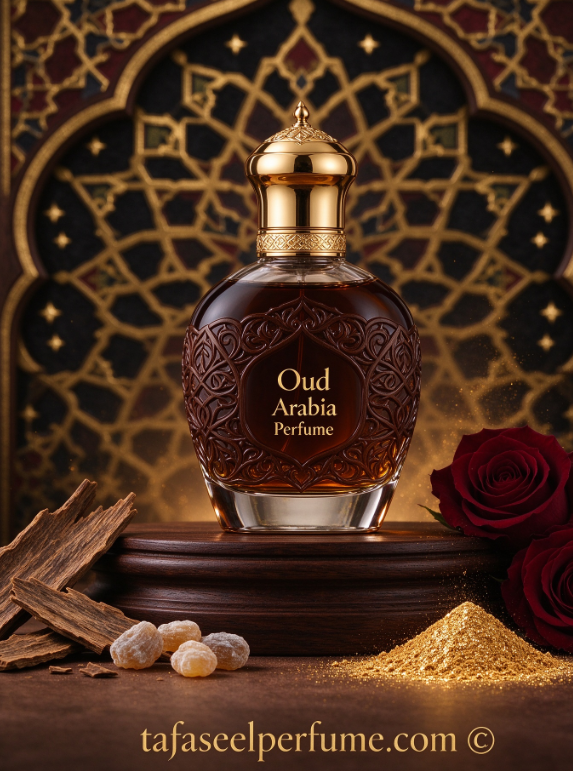
- Oud Arabic Perfume: The Ultimate Guide to Timeless Oriental Fragrance, Rare Ingredients, and Signature Scents: Oud Arabic perfume is more than a fragrance — it is a centuries-old ritual, a symbol of hospitality, and one of the most treasured scent materials in the world. Derived from the resinous heartwood of agarwood trees, oud (also spelled "oudh" or "aoud") has perfumed the palaces, souks, and majlis gatherings of the Arabian Peninsula for generations.
Oud Arabic perfume is more than a fragrance — it is a centuries-old ritual, a symbol of hospitality, and one of the most treasured scent materials in the world. Derived from the resinous heartwood of agarwood trees, oud (also spelled "oudh" or "aoud") has perfumed the palaces, souks, and majlis gatherings of the Arabian Peninsula for generations. Today, oud Arabic perfume bridges tradition and modern perfumery, appearing in everything from smoky, animalic masterpieces to soft, rose-laced blends that suit everyday wear. This guide explores what makes oud Arabic perfume so captivating, how to choose the right bottle, how to wear it with confidence, and which styles deserve a place in your collection.
What Is Oud Arabic Perfume?
Oud Arabic perfume refers to fragrances built around oud — the dark, resin-rich wood formed when agarwood trees (Aquilaria species) defend themselves against infection. The tree produces a fragrant oleoresin that saturates the heartwood over years, and that material is distilled into one of the most expensive raw ingredients in perfumery. In Arabic perfume culture, oud is layered into oil-based attars, sprayed as eau de parfum, and burned as bakhoor incense. A true oud Arabic perfume typically pairs oud with supporting notes such as rose, saffron, amber, musk, sandalwood, and patchouli, creating a warm, woody, and often smoky composition. Because natural oud is rare and costly, many modern fragrances use oud accords or synthetic recreations, which is why understanding the label and the style matters when you shop.
1. The History and Cultural Significance of Oud in Arabic Perfumery
Oud sits at the center of Gulf fragrance culture. In the Arabian Peninsula, scent is hospitality: guests are welcomed with incense, clothing is perfumed with bakhoor, and oud oils are passed around after meals. Historical trade routes carried agarwood from Southeast Asia through Indian Ocean ports into the Arabian markets, where it became a luxury good associated with generosity and status. Traditional attar makers blended oud with rose, musk, and ambergris, and these formulas influenced the modern Arabian perfume houses that export oud Arabic perfume worldwide. Understanding this heritage helps you appreciate why oud fragrances feel ceremonial — they are designed to linger on skin and fabric, marking moments and memories rather than simply smelling pleasant.
2. How Oud Arabic Perfume Is Made: From Agarwood to Bottle
Producing oud Arabic perfume begins with harvesting agarwood, which is labor-intensive and heavily regulated because wild Aquilaria populations are threatened. Distillers steam or hydro-distill the resinous wood to obtain oud oil, a dark, potent liquid with smoky, leathery, and woody facets. Perfumers then blend that oil — or a reconstructed oud accord — with other materials. In Arabic-style perfumery, oud is often combined with rose taif, saffron, and amber to soften its intensity, while Western-style oud fragrances may add citrus or vetiver for freshness. The concentration also matters: eau de parfum offers a balanced wear, while pure oud oil (dehn al oud) is applied sparingly and can last for days on skin or fabric.
3. Types of Oud: Hindi, Cambodi, Assam, and Beyond
Oud is not one scent. Regional origins and distillation methods produce distinct profiles. Hindi oud, associated with India, tends to be animalic, leathery, and intensely woody. Cambodi oud from Cambodia is often sweeter, with dried-fruit and resinous nuances. Assam oud shares the Indian intensity but can be earthier, while Malaysian and Indonesian ouds may lean greener or more medicinal. In Arabic perfume, blenders select these profiles to shape a fragrance's character: a Hindi oud may anchor a bold, masculine composition, while a Cambodi oud might sweeten a rose-forward unisex blend. Knowing these distinctions helps you describe what you love and search for similar bottles.
4. Oud Arabic Perfume vs. Western Oud Fragrances
Arabic oud perfumes often prioritize depth and longevity, using rich resins, oils, and traditional layering. Western oud fragrances, by contrast, frequently treat oud as an accent within a fresher, more transparent structure — think oud and citrus, oud and violet, or oud with a clean woody finish. Neither is "better"; they serve different moods. If you want the full ceremonial experience, look for Arabian houses and oil-based formats. If you prefer something lighter for the office, a Western oud eau de parfum may suit you. Many collectors own both: a deep Arabic oud for evenings and cool weather, and a modern oud blend for daily wear.
5. Key Notes That Pair With Oud: Rose, Saffron, Amber, and Musk
Oud is a powerful base note, and its partners define the fragrance's personality. Rose is the classic pairing — the sweet, velvety floral softens oud's smoke and creates a romantic, unisex accord. Saffron adds a leathery, golden spiciness that feels regal. Amber and labdanum contribute warmth and sweetness, while musk smooths the edges and improves skin adhesion. Sandalwood and patchouli add creamy or earthy depth. When reading a fragrance description, notice these pairings: oud plus rose signals elegance, oud plus saffron suggests opulence, and oud plus amber promises cozy warmth. This vocabulary helps you navigate the category and predict whether a bottle will match your taste.
6. How to Choose Your First Oud Arabic Perfume
Start with a sampler or discovery set rather than a full bottle. Look for an oud Arabic perfume described as "soft oud," "oud and rose," or "oud accord" if you are new to the note — these are more approachable than pure dehn al oud. Test on skin, not paper, and wear it for a full day to observe how the fragrance develops. Consider your climate: oud can feel heavy in hot, humid weather, so a lighter concentration or a fresher blend may be more comfortable. Finally, set a budget. Authentic oud oil is expensive, so a reasonably priced bottle likely uses an oud accord; that is perfectly acceptable if the scent pleases you and the brand is transparent about its ingredients.
7. How to Wear Oud Arabic Perfume: Application and Layering
Apply oud perfume to pulse points — wrists, neck, behind the ears — and lightly on clothing or a scarf if the fabric allows. Because oud is potent, less is more: two to three sprays of eau de parfum usually suffice, while oud oil should be dabbed sparingly. Layering is central to Arabic perfumery. Try an oud oil as a base, then spray a rose or amber fragrance over it to create a custom accord. You can also layer oud with bakhoor-scented body products for a longer trail. Store bottles away from heat and sunlight, and keep oils tightly sealed; oud fragrances can improve with careful aging but degrade if exposed to air and light.
8. Oud Arabic Perfume for Men: Bold, Woody, and Leathery Profiles
Many men gravitate to oud Arabic perfume for its depth and confidence. Masculine oud profiles often feature leather, tobacco, cedar, and spice, with Hindi or Assam oud providing an animalic backbone. These fragrances perform well in cool weather and evening settings, and a single spray can project for hours. If you prefer versatility, look for an oud eau de parfum with citrus or aromatic top notes that keep the opening fresh before the woody base emerges. For a signature scent, choose an oud blend that reflects your style: smoky and intense for formal occasions, or softer and ambered for everyday wear.
9. Oud Arabic Perfume for Women: Rose, Amber, and Soft Oud Blends
Oud is not gendered in Arabic perfumery, but many women prefer softer interpretations. Rose-oud pairings are especially popular, balancing floral sweetness with woody depth. Amber and vanilla can round out oud for a warm, inviting wear, while white musk keeps the finish clean. If you enjoy floral fragrances, try an oud Arabic perfume with a strong rose or jasmine heart; if you love orientals, look for oud with amber and saffron. Test several concentrations, since an eau de toilette-style oud can feel airy and wearable in daylight, while a rich parfum suits evenings and special occasions.
10. Unisex Oud Fragrances: Why Oud Transcends Gender
Oud Arabic perfume is inherently unisex. Traditional Gulf perfumery does not divide scents into men's and women's categories the way Western marketing often does; oud, rose, musk, and amber are shared materials. Modern brands increasingly label oud blends as unisex, which encourages wearers to choose by scent rather than label. This openness is one reason oud has grown globally. If you are shopping for a shared fragrance, look for balanced compositions where no single note dominates — a soft oud with rose and amber is a reliable crowd-pleaser for couples and households.
11. Longevity and Sillage: What to Expect From Oud Perfume
Oud is a base note with exceptional tenacity. A quality oud Arabic perfume can last eight to twelve hours on skin and much longer on fabric, and its sillage — the scent trail — is often pronounced. Oil-based attars may last even longer because they lack the alcohol that accelerates evaporation. Longevity depends on concentration, skin chemistry, and climate; dry skin and hot weather can shorten wear. To extend performance, moisturize skin before application and spray on clothing where appropriate. Remember that a strong oud can overwhelm a small room, so adjust the number of sprays to the setting.
12. Authenticity and Price: How to Avoid Oud Perfume Scams
Natural oud is scarce, so prices for genuine oud oil can be extremely high. Be cautious of claims that seem too good to be true, and favor brands that disclose their ingredients or clearly state when they use an oud accord. Look for reputable retailers, batch information, and realistic descriptions rather than vague "pure oud" marketing. Reading reviews and sampling before buying a full bottle protects you. If you are investing in a collectible oud oil, ask about provenance — region, distillation year, and method — and keep documentation. Transparency is the best signal of quality in the oud market.
13. Storing and Aging Your Oud Perfume Collection
Store oud Arabic perfume in a cool, dark place, away from direct sunlight and temperature swings. Keep bottles upright and tightly closed to limit oxidation. Oud oils can age gracefully, developing rounder, deeper facets over years, but exposure to air and heat can turn them sharp or dull. If you collect multiple bottles, label them with purchase dates and keep a simple scent journal noting how each develops over time. For precious oud oils, consider small glass vials and a dedicated storage box. Proper care preserves both the fragrance and your investment.
14. Oud in Modern Arabian Perfume Houses and Global Brands
Contemporary Arabian perfume houses have popularized oud Arabic perfume worldwide, blending traditional materials with modern marketing and accessible price points. Global designer brands also release oud-inspired fragrances, often lighter and fruitier than traditional blends. This diversity is good news for shoppers: you can find oud at nearly every budget and style. Explore Arabian brands for authentic depth and value, and designer lines for approachable everyday wear. Reading brand stories and comparing note pyramids helps you understand whether a bottle leans traditional or modern before you commit.
15. Building a Capsule Oud Wardrobe: Three Bottles to Start
A practical oud collection can start with three bottles: a soft rose-oud for daytime and office wear, a smoky leather-oud for evenings and cool weather, and an amber-oud for cozy, versatile moments. This trio covers most occasions without redundancy. As you grow comfortable with the note, add a pure oud oil for layering or a fresh oud-citrus blend for summer. Track what you reach for most and let your collection reflect your actual habits rather than hype. A focused wardrobe of well-chosen oud Arabic perfumes is more useful than a crowded shelf of similar scents.
16. Seasonal Guide: Wearing Oud Arabic Perfume Year-Round
Oud performs best in cool weather, when its warmth and density feel comforting. In summer, choose lighter concentrations or fresher oud blends with citrus, mint, or green notes. Spring suits rose-oud pairings, while autumn welcomes amber and spice. For humid climates, apply sparingly and consider oil-based formats that sit closer to the skin. Evening wear allows more intensity than daytime. By matching the oud style to the season and occasion, you can enjoy this rich material all year without feeling overpowered by it.
17. Oud and Bakhoor: The Incense Tradition Behind the Scent
Bakhoor — scented wood chips soaked in oils and resins — is burned in homes and gatherings across the Gulf, and it explains much of oud's cultural meaning. The scent of bakhoor smoke on clothing is a mark of hospitality. Many oud Arabic perfumes attempt to capture this smoky, resinous atmosphere, which is why you will see notes like "incense," "smoke," and "bakhoor accord" in fragrance descriptions. If you love the ritual, consider pairing a spray fragrance with bakhoor or an oud-scented candle to recreate the full experience at home.
18. Common Mistakes When Buying Oud Perfume
First-time buyers often choose the strongest, most intense oud they can find, only to discover it is unwearable day to day. Others buy based on packaging or influencer hype without testing on skin. Another common mistake is assuming all oud smells the same — regional and stylistic differences are huge. Finally, some shoppers overpay for vague "pure oud" claims. Slow down: sample widely, read note lists, and ask questions about concentration and ingredients. A thoughtful purchase will bring far more satisfaction than an impulse buy driven by marketing.
19. The Future of Oud: Sustainability and Innovation
Wild agarwood is vulnerable, and the industry faces real sustainability challenges. Responsible producers invest in plantations, regulated harvesting, and distillation efficiency, while perfumers develop oud accords that reduce pressure on natural supplies. These innovations make oud Arabic perfume more accessible and more ethical. As a consumer, you can support progress by choosing transparent brands, avoiding unverifiable "wild oud" claims, and appreciating well-made oud accords rather than assuming only natural oil is worthy. Sustainability and enjoyment can coexist.
20. Quick Reference: Oud Perfume Note Vocabulary
Learning a few terms makes shopping easier. "Dehn al oud" refers to pure oud oil. "Attar" is a traditional oil-based fragrance, often alcohol-free. "Bakhoor" is scented wood burned as incense. "Oud accord" signals a reconstructed oud note. "Sillage" is the scent trail, and "longevity" is how long a fragrance lasts. "Animalic" describes a musky, leathery quality common in Hindi oud. "Resinous" refers to the sticky, amber-like richness of oud and labdanum. With this vocabulary, fragrance descriptions become far more readable and useful.
Frequently Asked Questions About Oud Arabic Perfume
What does oud Arabic perfume smell like?
Oud Arabic perfume typically smells woody, smoky, and resinous, with leathery and animalic facets depending on the oud type. It is often paired with rose, saffron, amber, or musk, which add sweetness, spice, or warmth. The overall impression ranges from deep and intense to soft and elegant.
Is oud Arabic perfume suitable for beginners?
Yes, if you start with softer blends. Look for descriptions like "soft oud," "oud and rose," or "oud accord," and sample before buying a full bottle. Wearing the fragrance for a full day on skin will tell you whether the intensity suits you.
How long does oud Arabic perfume last?
A quality oud eau de parfum often lasts eight to twelve hours on skin and longer on fabric. Pure oud oils can last days. Longevity depends on concentration, skin chemistry, and climate, so test individual bottles rather than assuming a single rule.
Can I wear oud Arabic perfume in summer?
You can, but choose lighter concentrations or fresher oud blends with citrus or green notes. Apply sparingly in heat and humidity, and consider oil-based formats that stay closer to the skin. Save the most intense oud fragrances for cool evenings.
Is oud Arabic perfume unisex?
Traditionally, yes. Arabic perfumery treats oud, rose, musk, and amber as shared materials rather than gendered categories. Many modern oud fragrances are marketed as unisex, and wearers can choose by scent preference rather than label.
Why is oud Arabic perfume so expensive?
Natural oud oil is rare and labor-intensive to harvest and distill, and wild agarwood is under sustainability pressure. Genuine oud oil can be extremely costly. Many affordable fragrances use oud accords instead, which is normal — the key is brand transparency about ingredients.
How should I store oud Arabic perfume?
Keep bottles in a cool, dark place away from sunlight and temperature swings. Store them upright and tightly closed to limit oxidation. Oud oils can age well with proper care, but heat and air exposure can degrade the fragrance over time.
Can I layer oud Arabic perfume with other fragrances?
Yes. Layering is central to Arabic perfumery. Try an oud oil as a base and spray a rose, amber, or musk fragrance over it to create a custom accord. Apply lightly at first and adjust the balance to your taste.


