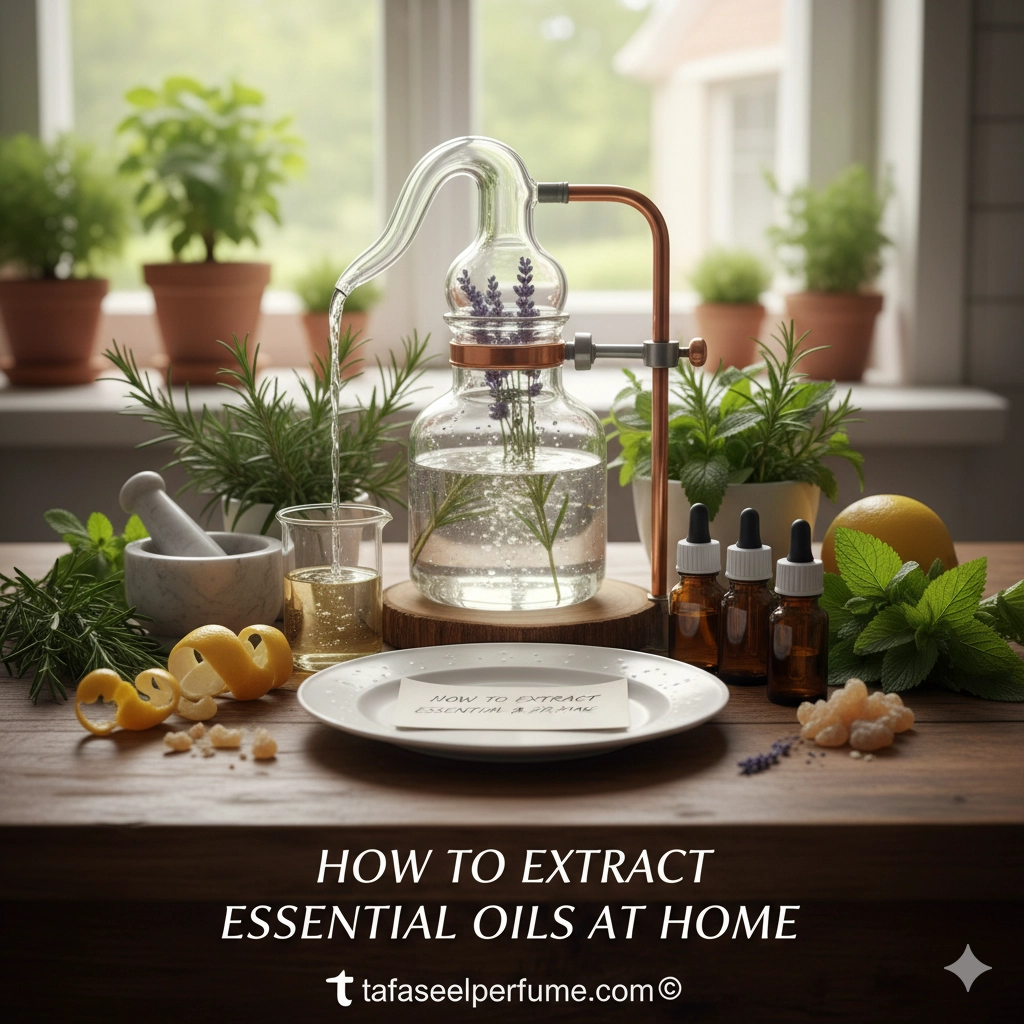
- How to Extract Essential Oils at Home: A Complete Beginner-to-Expert Guide: Introduction: Learning how to extract essential oils at home can be both rewarding and cost-effective. With the right techniques and materials, you can create pure, aromatic oils from plants, flowers, and herbs right in your kitchen.
Overview: Essential oils are concentrated plant extracts that capture the natural fragrance and beneficial properties of botanicals. While commercial production involves complex distillation equipment, home methods such as steam distillation, cold pressing, and solvent infusion make it possible to produce small batches. Understanding the science behind extraction, choosing the right plants, and applying proper techniques ensures better yield and quality. Whether you're interested in aromatherapy, DIY beauty products, or natural wellness, mastering home extraction opens up endless possibilities.
Table of Contents
1. What Are Essential Oils and How Do They Work? – Understanding the fundamentals of plant extraction.
2. Methods of Extracting Essential Oils at Home – Explore different DIY techniques.
3. Best Plants for Home Oil Extraction – Learn which botanicals yield the best results.
4. Step-by-Step Steam Distillation Guide – The most effective home method explained.
5. Common Mistakes to Avoid – Prevent waste and poor-quality oils.
6. Storage and Shelf Life of Essential Oils – Preserve potency and aroma.
1. What Are Essential Oils and How Do They Work?
Essential oils are volatile aromatic compounds extracted from plants. These compounds are responsible for the plant’s fragrance and protective properties. When extracted properly, they retain therapeutic benefits used in aromatherapy, skincare, and relaxation practices. The oil is typically stored in specialized plant structures such as glands or sacs, which are released through mechanical or thermal processes.
2. Methods of Extracting Essential Oils at Home
There are several practical methods you can use at home. Steam distillation is the most common and effective approach, using heat and steam to separate oil from plant material. Cold pressing works best for citrus peels, while solvent infusion involves soaking plant matter in a carrier oil over time. Each method varies in complexity, cost, and yield, but all can produce usable oils when done correctly.
3. Best Plants for Home Oil Extraction
Not all plants are equally suitable for extraction. Beginners should start with high-oil-content botanicals like lavender, peppermint, eucalyptus, rosemary, and citrus peels. These plants release oils more easily and provide noticeable results even with simple equipment. Fresh, organic, and pesticide-free materials are essential for purity.
4. Step-by-Step Steam Distillation Guide
To perform steam distillation at home, you need a large pot, water, plant material, a heat-safe bowl, and a lid. Place the plant material in water, position the bowl to collect condensed vapor, and invert the lid to direct condensation. As the water heats, steam carries essential oil molecules upward, which then condense and collect. After cooling, the oil separates from the water and can be extracted carefully.
True Perfume: The Science and Soul of Authentic Fragrance Identity
5. Common Mistakes to Avoid
Many beginners use too much heat, which can degrade delicate compounds. Others use poor-quality plant material or incorrect ratios of water to botanicals. Skipping proper filtration or using plastic containers can also compromise the final product. Precision, patience, and cleanliness are critical factors for success.
Fresh Smelling Perfumes for Ladies: A Complete Guide to Clean, Elegant Scent
6. Storage and Shelf Life of Essential Oils
Essential oils should be stored in dark glass bottles away from heat and sunlight. Exposure to air and light can cause oxidation, reducing effectiveness and altering scent. Most oils last between one to three years depending on the type, with citrus oils having shorter lifespans.
Parfumsclub: A Complete Guide to Modern Online Fragrance Discovery and Luxur
FAQs About How to Extract Essential Oils at Home
1. Is it safe to extract essential oils at home?
Yes, as long as you follow proper safety guidelines such as controlled heat, clean equipment, and proper ventilation. Avoid flammable solvents and always monitor the process.
2. Can I make essential oils without distillation equipment?
Yes, you can use infusion or cold pressing methods. However, these typically produce less concentrated oils compared to steam distillation.
Box Parfume: The Modern Concept of Curated Fragrance Collections and Signatu
3. How much plant material do I need?
You generally need a large amount of plant material to produce a small quantity of oil. For example, several cups of lavender may yield only a few milliliters of essential oil.
4. What is the easiest oil to extract for beginners?
Citrus oils like orange or lemon are easiest due to their high oil content and simple cold-press extraction method.
5. Are homemade essential oils as strong as commercial ones?
Homemade oils can be effective but are usually less concentrated due to simpler extraction methods. Commercial oils use advanced distillation systems for higher potency.


