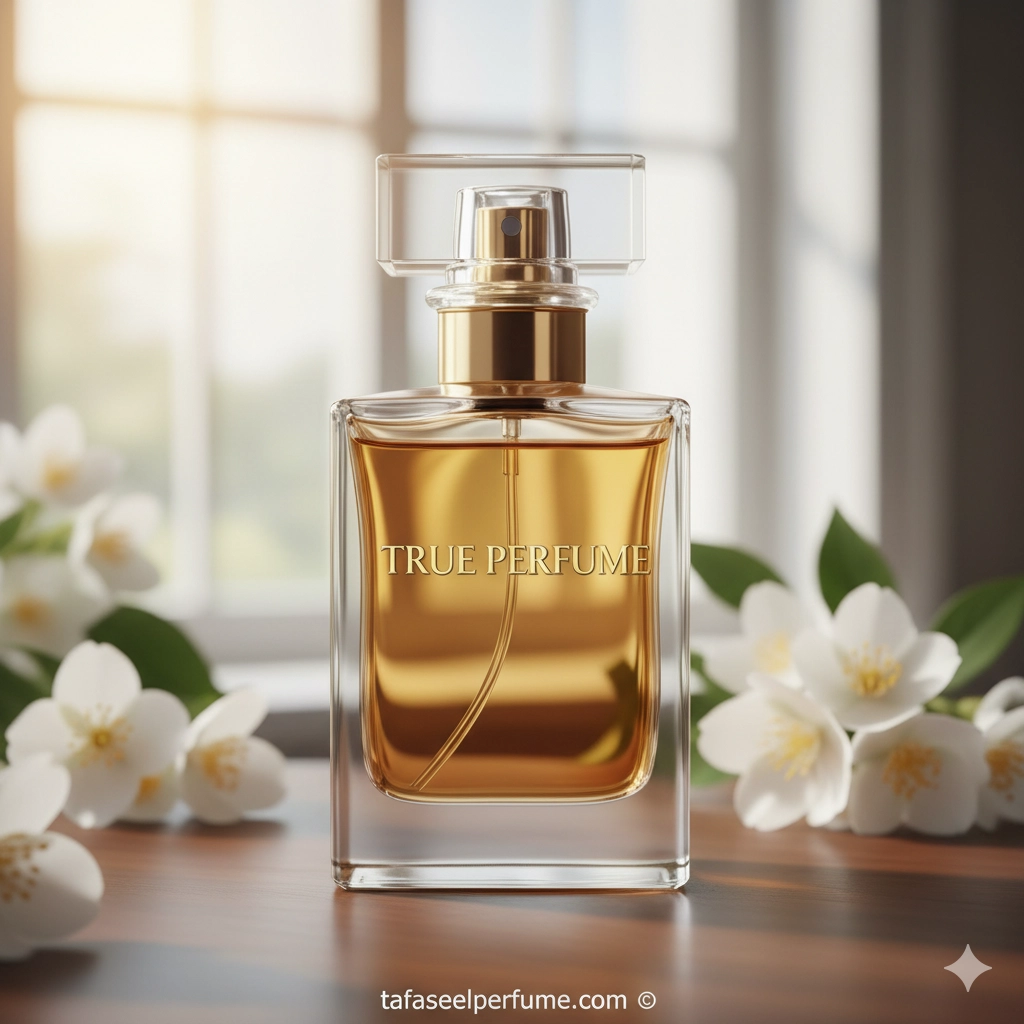
- True Perfume: The Science and Soul of Authentic Fragrance Identity: Short Introduction: True Perfume represents the pursuit of authenticity in modern fragrance culture, focusing on purity, composition integrity, and emotional resonance.
Long Introduction: In the evolving world of perfumery, “true perfume” is not merely a product category but a philosophy. It emphasizes genuine ingredient sourcing, balanced olfactory pyramids, and a fragrance experience that reflects individuality rather than mass-market conformity. From floral aldehydes to deep woody accords, true perfume compositions aim to preserve artistic intent while delivering long-lasting scent identity. This concept is widely explored across luxury fragrance discussions, including modern analyses such as Loewe Aura Perfume and other signature scent studies.
1. Definition of True Perfume Identity
2. Ingredient Purity and Raw Material Quality
3. Olfactory Structure and Fragrance Architecture
4. Emotional Perception and Scent Memory
5. Luxury Branding and True Perfume Positioning
6. Unisex Evolution in Modern Perfumery
7. Longevity, Projection, and Skin Chemistry
1. Definition of True Perfume Identity
True perfume identity refers to fragrances that maintain artistic integrity from formulation to final wear. Unlike heavily diluted or synthetic-heavy blends, true perfumes emphasize balance, clarity, and intentional scent storytelling. For example, luxury fragrance discussions such as Million Lady Parfum highlight how identity is embedded in scent structure. The goal is not just to smell good, but to communicate personality through olfactory language.
2. Ingredient Purity and Raw Material Quality
At the core of true perfume lies ingredient integrity. High-grade natural essences like jasmine absolute, oud oil, and bergamot extract define premium compositions. Synthetic molecules are not excluded, but they are used to enhance stability and diffusion rather than replace authenticity. Modern perfumery houses often balance cost and quality, as seen in analyses like Lancome Women's Fragrance, where refinement is achieved through controlled blending techniques.
3. Olfactory Structure and Fragrance Architecture
True perfume follows a structured olfactory pyramid: top notes create the first impression, heart notes define the character, and base notes anchor longevity. This architecture ensures that a fragrance evolves over time rather than remaining static. Perfumes such as Tobacco Touch Cologne demonstrate how layered construction creates depth and complexity in wear.
4. Emotional Perception and Scent Memory
Scent is directly tied to the limbic system, making perfume one of the most emotionally powerful sensory experiences. True perfumes are designed to trigger memory recall, nostalgia, or psychological comfort. This emotional engineering is often discussed in fragrance identity studies such as Black Karen Low Fragrance Analysis, where scent becomes a narrative tool.
5. Luxury Branding and True Perfume Positioning
Luxury brands position true perfumes as exclusivity-driven products, often emphasizing craftsmanship and heritage. Packaging, storytelling, and ingredient sourcing all contribute to perceived value. Fragrances like Mercedes Cologne show how brand identity influences scent perception and market positioning.
6. Unisex Evolution in Modern Perfumery
Modern true perfume is increasingly gender-neutral, focusing on emotional resonance rather than traditional masculine or feminine classifications. This shift allows greater creative freedom in composition. Categories such as Unisex Perfume reflect this transformation, where scent is designed for personal expression rather than demographic segmentation.
7. Longevity, Projection, and Skin Chemistry
True perfume performance is evaluated through longevity and sillage. However, skin chemistry plays a critical role in how a fragrance develops. Factors like pH level, temperature, and hydration can significantly alter scent projection. High-quality formulations ensure stability across diverse skin types while maintaining scent integrity throughout wear.
FAQs about True Perfume
What defines a true perfume?
A true perfume is defined by its authenticity, balanced composition, and high-quality ingredients that deliver a consistent and evolving scent experience.
Is natural perfume always better than synthetic perfume?
Not necessarily. True perfume often combines both natural and synthetic ingredients to achieve stability, safety, and olfactory complexity.
Why does perfume smell different on each person?
Skin chemistry, including pH level and body temperature, affects how fragrance molecules develop and project over time.
How long should a true perfume last?
Depending on concentration, a high-quality perfume can last between 6 to 12 hours or more, especially if it contains strong base notes.
What makes luxury perfumes different?
Luxury perfumes emphasize rare ingredients, artistic composition, and brand storytelling, resulting in a more refined olfactory experience.
Are unisex perfumes part of true perfume trends?
Yes, unisex perfumes reflect the modern trend of emotional and personal scent expression beyond gender classification.
How should true perfume be applied?
It should be applied to pulse points such as wrists, neck, and behind the ears for optimal diffusion and longevity.


