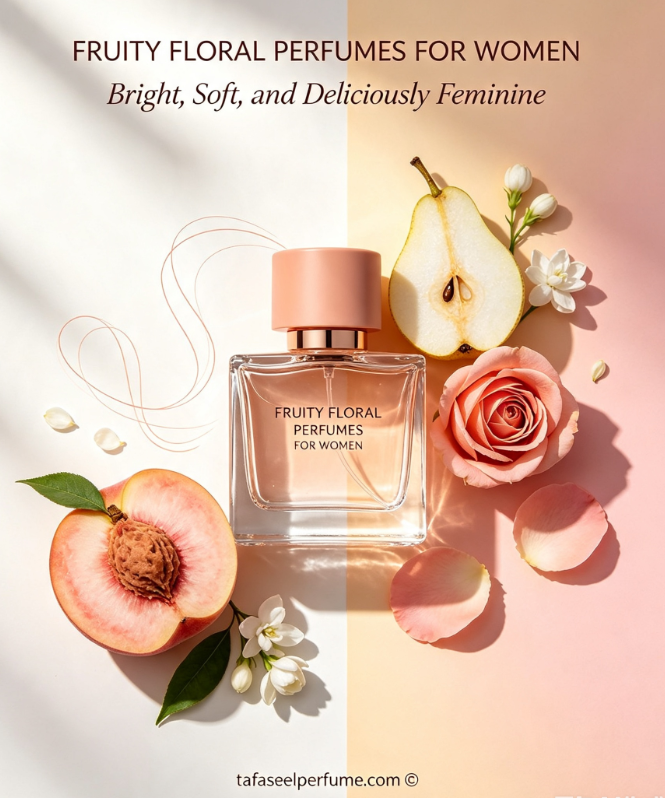
- Fruity Floral Perfumes for Women: The Velvet Architecture of Petal & Pulp: Fruity floral perfumes for women are the radiant heart of modern perfumery—a luminous dialogue between sun-kissed orchard fruits and the tender poetry of petals. They are neither purely innocent nor overtly seductive; instead, they whisper of wild strawberries at dawn, of peonies kissed by bergamot, of a woman who carries both sweetness and edge in the curve of her smile. This is scent as emotion, bottled and worn like a second skin.
From the first spritz, fruity floral fragrances unravel in layers of juicy brightness—think red currant, pear, or blackberry—before softening into the floralcy of jasmine, rose, or freesia, and finally settling into a warm, creamy or woodsy base. They are the olfactory equivalent of a sundress in July: effortless, joyful, and impossibly chic. Whether you are drawn to the candy-like exuberance of designer icons or the nuanced complexity of niche creations, this genre offers a spectrum that spans from playful daytime whispers to opulent evening declarations. In this guide, we decode the architecture of fruity floral perfumes, exploring their luminous facets, the artistry behind their composition, and the very best bottles to define your signature.
Coco Madmazel · the luminous echo of a modern floral
Sugar Fleur Perfume · a petal‑soft whisper of gourmand radiance
1. The Anatomy of Fruity Floral: A Symphony of Contrasts
The fruity floral family is not merely a combination of fruit and flower notes; it is a meticulously engineered architecture of contrast. Perfumers refer to this as the "tension" between the volatile, bright top notes (the fruit) and the more tenacious, emotionally resonant heart notes (the flowers). The fruit provides an immediate, accessible burst—a "sugar rush" for the senses—while the floral heart offers depth, nostalgia, and a distinctly feminine soul. The base, often built with vanilla, musk, or sandalwood, then anchors this flight of fancy, ensuring the fragrance lingers not as a fleeting memory but as a lingering presence. This triad is why fruity floral perfumes are so universally adored: they are at once impulsive and sophisticated, childlike and womanly. The artistry lies in balancing the acidity of, say, a tart raspberry with the opulence of a full-blown tuberose, creating a scent that feels both spontaneous and deliberately crafted.
COCO CHANEL PERFUME NAMES · THE VELVET ARCHITECTURE OF FRENCH ALLURE
Women’s Light Perfume · The Art of Airy Elegance
2. Top Fruits That Define the Genre: From Crisp to Creamy
The fruit palette in women's perfumery is astonishingly diverse, ranging from the crystalline sharpness of green apple to the honeyed lushness of peach. Pear, with its watery and slightly grainy texture, has become a modern staple, lending a clean, almost shampoo-like freshness to florals. Berries—blackcurrant, raspberry, and blueberry—introduce a jammy, slightly tart vibrancy that can make a fragrance feel youthful and energetic. Citrus fruits like bergamot, mandarin, and grapefruit, while technically hesperidic, often blur into the fruity floral space, providing a sparkling, effervescent top that awakens the composition. For a more decadent turn, tropical fruits such as passionfruit, mango, and lychee add an exotic, creamy sweetness that feels almost gourmand. The choice of fruit dictates the entire mood: a crisp apple signals a fresh, daytime elegance, while a candied plum suggests a more sultry, evening affair. Understanding these nuances is key to finding your personal fruity floral signature.
3. The Floral Hearts: Where Emotion Takes Root
If the fruit is the wit of the fragrance, the floral heart is its wisdom. In fruity floral perfumes, the floral notes are chosen not for their solitary beauty but for their ability to harmonize with and elevate the fruit. Rose, the queen of flowers, lends a classic, velvety richness that can be both youthful and timeless. Jasmine, with its indolic, almost animalic warmth, adds a sensual, nocturnal depth. Peony, a modern darling, offers a delicate, rosy-pink freshness that feels airy and romantic. Freesia brings a sharp, green, and slightly soapy vibrancy, while orange blossom provides a sunny, honeyed, and slightly narcotic allure. The magic happens when these floral notes interact with the fruit—the rose deepens the berry's jammy quality, the jasmine adds a sultry undertone to pear, and the peony lightens the density of tropical fruits. This interplay creates the emotional core of the perfume, transforming a simple fruit cocktail into a narrative of femininity.
Versace The Dreamer: A Timeless Ode to Ethereal Masculinity
4. Iconic Fruity Floral Perfumes That Changed the Game
Certain fragrances have become pillars of the fruity floral genre, their influence rippling through decades of perfumery. Lancôme's Trésor (1990) redefined the romantic fruity floral with its apricot-rose-vanilla accord, becoming a blueprint for countless imitators. Marc Jacobs Daisy (2007) introduced a new generation to the genre with its wild strawberry and violet leaf freshness, embodying the carefree, bohemian spirit of the 2000s. More recently, YSL's Mon Paris (2016) amplified the intensity with a datura and pear accord, creating a "love at first sniff" sensation that was both addictive and modern. And of course, the undisputed queen of the modern fruity floral is Chanel Chance Eau Tendre, whose grapefruit-quince and jasmine-hyacinth blend is the very definition of effortless Parisian chic. These icons are not just perfumes; they are cultural artifacts that map the evolution of feminine identity, from the romantic idealist to the empowered, multi-faceted woman of today.
Which Versace Eros Is the Best? · Flame, EDP, Parfum & More
5. Day vs. Night: Navigating the Fruity Floral Spectrum
One of the greatest strengths of fruity floral perfumes is their incredible versatility, but not all are created equal for every occasion. For a bright, daytime scent, look for compositions that emphasize fresh, watery fruits (like green apple or pear) and light, transparent flowers (such as peony or freesia), often with a clean musk or cedar base. These feel crisp, professional, and joyful—perfect for the office or a brunch date. For evening, seek out fragrances that feature darker, more concentrated fruits (blackcurrant, plum, or cherry) and heavier, more intoxicating flowers (tuberose, jasmine, or orange blossom), supported by warm, creamy bases of vanilla, patchouli, or amber. These have a greater sillage and longevity, leaving a memorable trail that feels sophisticated and seductive. The key is to consider the texture and weight: daytime fruity florals are often described as "watercolor," while nighttime ones are "oil paintings"—rich, luminous, and full of depth.
Jimmy Choo Red Cologne · The Velvet Architecture of Urban Fire
6. The Art of Layering Fruity Floral with Other Families
While fruity floral perfumes are beautiful on their own, they also serve as exceptional canvases for layering. Their inherent brightness and sweetness can soften sharper, more aggressive notes, or add a feminine touch to woody or oriental fragrances. For a bohemian twist, layer a fruity floral with a patchouli-based scent—the fruit will lighten the earthiness while the patchouli adds a grounding, mystical depth. To create a more gourmand profile, combine it with a vanilla or caramel fragrance; the fruit's acidity cuts through the sugar, preventing it from becoming cloying. For a crisp, aquatic feel, layer with a marine or ozonic scent—the fruit provides a juicy counterpoint to the saltiness. This is the secret of many fragrance connoisseurs: using a fruity floral as a bridge to create a scent that is entirely unique, personal, and unexpectedly complex.
Jimmy Choo I Want Choo Reviews: The Velvet Architecture of Seductive Glamour
7. The Psychology of Fruity Floral: Why We Are Drawn to It
Our attraction to fruity floral perfumes is deeply rooted in psychology and evolutionary biology. The bright, sugary scent of ripe fruit signals to our primal brain the presence of energy and nutrition, triggering feelings of pleasure and happiness. Flowers, on the other hand, are universally associated with beauty, love, and the fleeting nature of life—they evoke nostalgia, romance, and a sense of well-being. When combined, these two olfactory cues create a powerful emotional cocktail: the fruit gives an immediate dopamine hit of joy, while the flowers provide a slower, more contemplative sense of comfort and connection. This is why fruity floral perfumes are often described as "mood boosters" or "confidence in a bottle." They are not just about smelling good; they are about feeling good, projecting an aura of approachable optimism that is both disarming and magnetic.
Men’s Floral Cologne: Petals, Prowess & Presence
8. Niche vs. Designer: The Fruity Floral Divide
The fruity floral category is dominated by designer houses, but niche perfumers offer fascinating, avant-garde interpretations that challenge the mainstream aesthetic. Designer fruity florals, like those from Dior, Gucci, and Viktor & Rolf, are built for mass appeal—they are impeccably balanced, with a clear, linear progression that is instantly likable and easy to wear. They prioritize "beauty" and "radiance." Niche fruity florals, however, often explore the more experimental, unconventional facets of the genre. They might feature over-ripe, fermenting fruits, or pair florals with unusual, almost dissonant notes like cumin or saffron. A niche house might highlight the green, stemmy aspect of a flower rather than its bloom, or use a fruit like rhubarb for its tart, vegetal quality rather than its sweetness. This results in fragrances that are more challenging, more intellectual, and ultimately, more memorable for those seeking a distinct, non-commercial signature.
Jimmy Choo Man Eau de Parfum: The Definitive Scent of Modern Masculinity
9. Longevity and Sillage: Making Your Scent Last
The primary critique of fruity floral perfumes is often their perceived lack of longevity, but this is a misconception rooted in the volatile nature of the top notes. While the initial fruit burst may fade within the first hour, the floral heart and the base notes can linger for hours, especially if the perfume contains fixatives like amber, woody notes, or certain musks. To maximize longevity, apply your fragrance to pulse points—wrists, inner elbows, behind the ears, and the base of the throat—where the heat of your body will diffuse the scent. Also, consider layering with a matching body lotion or using a fragrance primer. For sillage, the trail a fragrance leaves behind, opt for Eau de Parfum concentrations over Eau de Toilette; they have a higher oil concentration, making the scent more potent and long-lasting. Remember, a well-crafted fruity floral is not a sprint; it's a journey that evolves beautifully from a bright opening to a warm, intimate finish.
Versace Pour Homme · The Velvet Architecture of Mediterranean Power
10. The Future of Fruity Floral: Sustainability & New Frontiers
As the perfume industry pivots toward sustainability, the fruity floral genre is at the forefront of innovation. Synthetic molecules are being replaced by upcycled, responsibly sourced natural ingredients—think pear extracted from food waste, or rose petals from ethical, water-saving farms. Furthermore, perfumers are exploring "green" accords to add a modern, eco-conscious twist to the classic formula, incorporating notes like tomato leaf, basil, or seaweed to create a sense of "forest bathing" juxtaposed with fruity sweetness. Another emerging trend is the "hyper-realistic" fruity floral, where scents are designed to smell exactly like a specific moment—a freshly sliced fig, a rain-soaked peony, or a handful of wild strawberries crushed under the sun. This attention to authenticity, combined with a commitment to environmental responsibility, ensures that the fruity floral category will continue to evolve, delight, and define the olfactory landscape for generations to come.
Ferragamo Menswear: The Velvet Architecture of Italian Luxury
FAQ: Fruity Floral Perfumes for Women
1. What exactly defines a fruity floral perfume?
A fruity floral perfume is a fragrance where the dominant notes are a blend of sweet, tart, or juicy fruits (like pear, berry, or citrus) with floral notes (such as rose, jasmine, or peony). The fruit provides a bright, sparkling opening, while the flowers add depth, romance, and emotional complexity. The base often includes warm, clean notes like vanilla, musk, or sandalwood to anchor the composition.
2. Are fruity floral perfumes suitable for all seasons?
Yes, but with some nuance. Light, fresh fruity florals with citrus or green apple notes are perfect for spring and summer—they feel airy and refreshing. Heavier, more opulent versions with plum, blackcurrant, or rich tuberose are better suited for autumn and winter, offering warmth and a comforting, enveloping presence. The key is to choose the "weight" of the fragrance based on the season and occasion.
3. How do I choose between an Eau de Toilette and an Eau de Parfum in this genre?
An Eau de Toilette (EDT) is lighter, with a lower concentration of perfume oils (typically 5-15%), making it ideal for daytime wear or for those who prefer a subtler scent. An Eau de Parfum (EDP) is more concentrated (15-20%), offering greater longevity, richer projection, and a more complex evolution. For a fruity floral, the EDP will allow the floral heart and base to linger far longer, while the EDT emphasizes the bright, effervescent fruit top notes.
4. Can you recommend a fruity floral that is not too sweet?
Absolutely. Look for fragrances that incorporate green, watery, or tart elements to balance the sweetness. Notes like rhubarb, green apple, grapefruit, or tomato leaf can provide a refreshing acidity. Floral choices like freesia, hyacinth, or lily-of-the-valley also add a crisp, clean, and less sugary vibe. Many modern chypre-florals also fall into this less-sweet fruity floral category.
5. Is the fruity floral trend here to stay, or is it a passing fad?
The fruity floral category is not a trend but a fundamental pillar of perfumery. While specific fruit and flower combinations may shift with fashion, the inherent human attraction to the combination of bright sweetness (fruit) and emotive beauty (flower) is timeless. It is a genre that continuously reinvents itself, ensuring its enduring appeal across generations and cultures.


