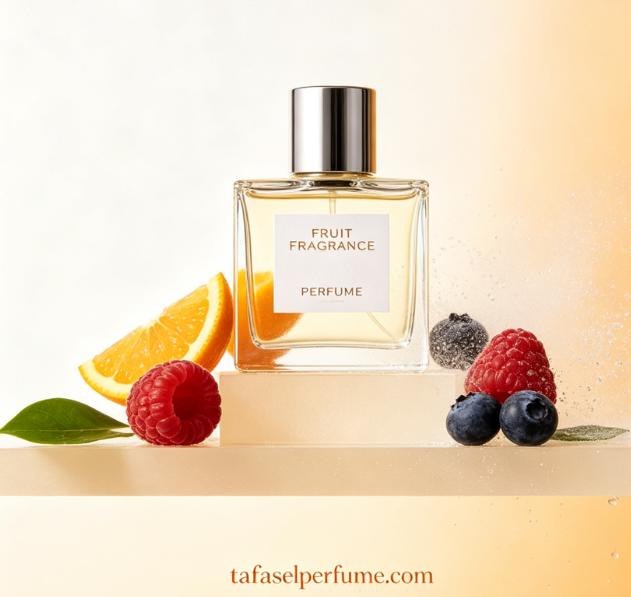
- Fruit Fragrance Perfume · The Velvet Architecture of Radiance & the Sillage of Eternal Spring: ✦ short note — A luminous dialogue between sun-kissed fruits and the silent poetry of petals, where each drop carries the blush of orchards and the whisper of distant groves.
✦ long introduction — Fruit fragrance perfume is not merely a scent; it is an olfactory sonnet that captures the very moment when fruit reaches its peak — juicy, radiant, and alive. From the sparkling zest of bergamot to the honeyed depth of peach, from the crisp bite of green apple to the intoxicating creaminess of fig, fruit notes form the most joyful and universally loved family in perfumery. They dance with flowers, woods, and musks, creating compositions that feel both familiar and dreamlike. This article explores the architecture of fruit-forward perfumes, the artistry behind their creation, and how they shape our emotional landscape. Whether you are a collector, a novice, or a perfumer, the world of fruit fragrances offers a never‑ending spring of wonder.
— tafaseelperfume.com
· chapters
1. The Citrus Dawn · Bergamot & Bitter Orange 2. Stone Fruit Sonata · Peach, Plum & Apricot 3. Tropical Radiance · Pineapple, Mango & Coconut 4. Green & Crisp · Apple, Pear & Quince 5. Berry & Red Fruit · Raspberry, Blackcurrant & Pomegranate 6. Fig & Date · The Velvet Architecture of Warmth 7. Fruit & Flower · The Unspoken Sillage 8. Modern Fruit · Gourmand & Musky Accords
1. The Citrus Dawn · Bergamot & Bitter Orange
Citrus fruits are the heralds of light in perfumery. Bergamot, with its sparkling green‑floral bitterness, is the most revered of all, forming the top note of countless iconic fragrances. Its radiant acidity is like a sunburst that awakens the senses, while bitter orange adds a sophisticated, almost tannic depth. These notes are rarely alone; they are often paired with petitgrain, lemon, or neroli to create an effervescent opening that feels both clean and poetic. Bergamot · The luminous heart of fine fragrance perfectly captures this essence. The beauty of citrus in fruit perfume lies in its duality: it can be sharp and invigorating, yet when softened by musks or woods, it becomes tender and nostalgic. Many classic eaux de cologne are built around this citrus architecture, proving that simplicity, when executed with precision, is the ultimate sophistication.
In contemporary perfumery, citrus is often used to bridge the gap between natural and synthetic, offering a familiar yet futuristic feel. The sillage of a well‑crafted citrus fruit perfume is ethereal — it lingers like morning mist, never overwhelming. Whether it is the iconic Dolce & Gabbana Light Blue or the audacious Fame Lady Gaga, citrus remains the everlasting sparkle.
2. Stone Fruit Sonata · Peach, Plum & Apricot
Stone fruits bring a voluptuous, honeyed warmth to fruit fragrance perfumes. Peach is the queen of this family — fuzzy, juicy, and slightly green, it evokes the feeling of biting into a sun‑warmed fruit on a lazy summer afternoon. Plum adds a dark, wine‑like richness, while apricot offers a softer, more powdery sweetness. These notes are often used in heart compositions, lending a fleshy texture that feels almost edible. The artistry lies in balancing their sweetness with aldehydes, spices, or woods to prevent them from becoming cloying. Billie Eilish Perfume No. 4 explores this velvety depth with modern nuance.
Historically, peach and plum were central to the great chypres and florals of the 20th century, adding a carnal, almost decadent undercurrent. Today, they are reimagined with clean musks and transparent woods, making them suitable for both day and night. The sillage of stone fruit perfumes is often described as “plush” — it wraps around the wearer like a second skin, leaving a trail of soft, sun‑kissed allure.
3. Tropical Radiance · Pineapple, Mango & Coconut
Tropical fruits are the escapists of the perfume world. Pineapple, with its sharp, sweet‑sour juiciness, is a favorite in modern masculine and unisex fragrances, often paired with woody ambers or aquatic notes to create a fresh, sporty vibe. Mango is lush and creamy, evoking exotic beaches and sun‑drenched vacations, while coconut adds a sun‑filtered, milky smoothness that instantly transports the wearer to a palm‑fringed shore. These notes are bold and cheerful, yet they require careful handling to avoid smelling like a fruit salad. New Bond St Bond No 9 showcases how tropical fruits can be elevated to haute parfumerie.
In niche perfumery, tropical fruit accords are often deconstructed — the green, unripe facets of pineapple or the fibrous texture of mango are highlighted to add complexity. When combined with salty marine notes or smoky vetiver, they become unexpectedly sophisticated. The sillage of tropical fruit perfumes is radiant and expansive, perfect for those who want to leave a memorable, joyful trail.
4. Green & Crisp · Apple, Pear & Quince
Green fruits offer a crisp, almost translucent freshness that is both familiar and refined. Apple, particularly the green Granny Smith variety, brings a sharp, mouth‑watering tartness that is often used in fresh, clean fragrances. Pear is softer, with a sweet, watery flesh that feels delicate and luminous. Quince, a lesser‑known gem, has a floral‑fruity aroma with a hint of honey and spice, adding an old‑world charm. These notes are perfect for spring and daytime wear, often paired with white flowers, moss, or light woods. Chrome Men and other fresh masculines frequently employ green fruit notes to evoke cleanliness and vitality.
The beauty of green fruit accords is their transparency — they never weigh down the composition, allowing other notes to shine. In the hands of a skilled perfumer, a simple apple note can be transformed into a complex metaphor for youth, innocence, or even forbidden temptation. The sillage is subtle yet persistent, like the memory of a walk through an orchard at dawn.
5. Berry & Red Fruit · Raspberry, Blackcurrant & Pomegranate
Berries and red fruits add a bright, tangy, and sometimes jammy quality to perfumes. Raspberry is tart and slightly floral, with a vibrant acidity that can cut through heavy compositions. Blackcurrant (cassis) is intensely fruity, with a green, catty undertone that lends a modern, almost edgy character. Pomegranate is both sweet and astringent, with a jewel‑like brilliance that feels luxurious. These notes are often used in fruity‑floral and fruity‑chypre fragrances, adding a playful, contemporary twist. Givenchy Gentleman Réserve Privée and many others use berry accords to create a sense of immediacy and excitement.
When combined with rose or violet, berries take on a romantic, powdery dimension; with patchouli or leather, they become dark and sensual. The sillage of berry perfumes is often described as “sparkling” — it fizzes on the skin, leaving a trail of joyful, fruity energy that is impossible to ignore.
6. Fig & Date · The Velvet Architecture of Warmth
Fig and date are the most poetic of fruit notes, bridging the gap between fruit, wood, and honey. Fig has a green, milky, and slightly woody aroma, with a subtle sweetness that evokes Mediterranean landscapes. Date is richer, with a deep, caramelized fruitiness that is almost gourmand. These notes are often used in oriental and woody fragrances, adding a touch of warmth and sophistication. Khamrah Sample exemplifies this velvety depth, where fig and date create a sillage that is both intimate and majestic.
In perfumery, fig is often paired with cedar, sandalwood, or iris to enhance its woody facets, while date is blended with spices, vanilla, or amber to amplify its richness. The result is a fragrance that feels ancient, timeless, and deeply comforting. The sillage of fig and date perfumes is like a warm embrace — it lingers softly, inviting others to come closer.
7. Fruit & Flower · The Unspoken Sillage
The marriage of fruit and flower is perhaps the most beloved accord in perfumery. Fruit notes add a juicy, luminous quality to flowers, making them feel more alive and accessible. A peach and rose combination is classic and romantic; pear and jasmine feels ethereal and modern; blackcurrant and violet is bold and sophisticated. This synergy creates perfumes that are both complex and instantly appealing, suitable for any occasion. Lancôme Men’s and many feminine icons rely on this fruit‑flower dialogue.
The sillage of fruit‑flower perfumes is often described as “radiant” — it projects beautifully without being aggressive, leaving a trail of floral‑fruity elegance. Whether it is a light eau de toilette or a rich extrait, this combination remains the heart of commercial and niche perfumery alike, proving that some harmonies are simply timeless.
8. Modern Fruit · Gourmand & Musky Accords
Contemporary perfumery has pushed fruit notes into new, unexpected territories. Gourmand fruit accords — such as candied apple, caramelized pear, or fruit‑infused chocolate — create scents that are edible, playful, and addictive. Musky fruit compositions, on the other hand, use clean, skin‑like musks to enhance the natural, fleshly aspect of fruits, making them feel intimate and personal. These modern interpretations are often found in niche and indie fragrances, appealing to those who seek novelty and self‑expression. Ive Roche Parfum and other avant‑garde scents exemplify this trend.
The sillage of modern fruit perfumes can range from a close‑to‑skin whisper to a bold, statement‑making cloud. With the rise of sustainable and natural perfumery, fruit notes are also being re‑evaluated for their environmental and emotional impact, ensuring that they remain relevant and cherished for generations to come.
fruit fragrance perfume — frequently asked questions
Fruit fragrances are defined by their bright, juicy, and often sweet character. They evoke freshness and vitality, using natural or synthetic fruit accords to create a sense of immediacy and joy. Unlike floral or woody perfumes, fruit notes are universally recognizable and emotionally uplifting.
Generally, heavier fruit notes like peach, plum, and date have more tenacity due to their molecular weight. Citrus notes are fleeting, while berry and fig sit somewhere in between. Perfumers often use fixatives like woods or musks to extend the life of fruit notes.
Absolutely. While light citrus and green fruits are perfect for summer, richer stone fruits, tropical blends, and gourmand fruit accords are wonderful in cold weather, offering warmth and comfort. Layering with vanilla or amber can make them even more cozy.
Not at all. Many classic and modern fruit fragrances are marketed as unisex or masculine, especially those featuring citrus, pineapple, or green apple. The perception of fruit as feminine is a marketing construct; today, perfumers embrace fruit notes in all genres.
Apply on moisturized skin, focus on pulse points (wrists, neck, behind ears), and consider layering with a matching body lotion or oil. Also, spraying on clothing can extend the sillage, but be cautious with bright fruit notes that might stain.
Among the classics: Clinique Happy, Dolce & Gabbana Light Blue, Gucci Flora, and Acqua di Gioia. Modern icons include Byredo Pulp, Diptyque Philosykos (fig), and Vilhelm Parfumerie Mango Skin. Each offers a unique take on fruit.
© tafaseelperfume.com · fruit fragrance perfume — the velvet architecture of scent & the sillage of eternal spring


