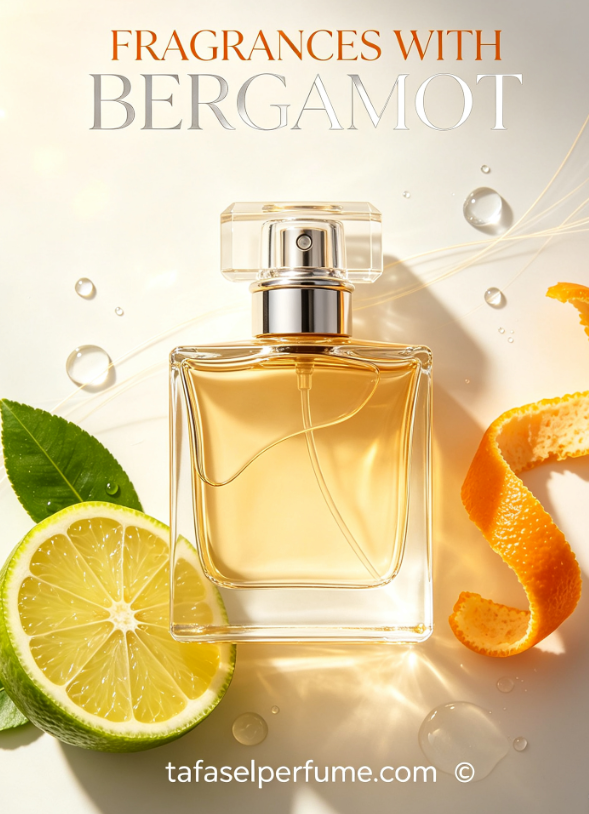
- Bergamot · The luminous heart of fine fragrance: ✦ Brief · Sparkling, citrusy, and endlessly versatile — bergamot is the quiet virtuoso that lifts florals, brightens woods, and gives a soul to the world’s most iconic perfumes. From the first spritz to the dry-down, its sunlit bitterness is unmistakable.
Bergamot is not merely a note — it is a gesture. Plucked from the sun-drenched groves of Calabria, this green-gold citrus fruit produces an essence that is at once sharp and sweet, radiant and melancholic. For centuries, perfumers have turned to bergamot as the luminous top note that awakens the senses, cutting through heavier accords like a beam of morning light. It appears in unisex perfumes with effortless grace, adds a fresh twist to men’s fragrances, and lends a sophisticated shimmer to women’s perfumes. But bergamot is more than a decorative top note; it is a structural marvel that bridges citrus, floral, and woody families, giving coherence to compositions as diverse as classic colognes and modern niche creations. Its natural essence is both uplifting and grounding — a paradox that makes it indispensable in the perfumer’s palette.
Whether you are exploring perfume gift sets or searching for a signature scent, bergamot offers a gateway to clarity and complexity. It harmonizes with deodorants and body care, infuses fragrance gels with vitality, and even appears in spa & fragrance rituals. This article delves into the many faces of bergamot — from its botanical origins to its role in iconic perfumes, and why it continues to captivate both master perfumers and everyday fragrance lovers.
1. The Calabrian sun · where bergamot is born
A citrus of extraordinary character, grown almost exclusively along the Ionian coast.
True bergamot (Citrus bergamia) is a rare and fragile fruit, cultivated primarily in the Reggio Calabria region of southern Italy. The volcanic soil, sea breezes, and intense Mediterranean sun create the perfect conditions for its essential oil — which cannot be replicated elsewhere. Unlike sweet orange or lemon, bergamot’s aroma is intensely aromatic, with floral undertones and a distinctive bitter-sweet edge. Harvested by hand from November to March, the fruit yields an oil that is cold-pressed from the peel, capturing the very essence of sunlight. This oil is the cornerstone of countless beauty and fragrance products, prized for its ability to uplift mood and clarify the senses. The fragility of the bergamot tree also makes it a symbol of preciousness; each drop of oil represents the labour of generations of farmers who have protected this heritage for over three centuries.
2. Bergamot & the chypre revolution
The note that defined a genre — from Coty to contemporary classics.
When François Coty created Chypre in 1917, he did not merely compose a perfume; he established an entire olfactory family. And at the heart of that family was bergamot. The sharp, almost astringent brightness of bergamot provided the perfect counterpoint to the earthy richness of oakmoss and the animalic warmth of labdanum. This triad — bergamot, oakmoss, and labdanum — became the blueprint for hundreds of fragrances, from the glamorous Miss Dior to the sophisticated Gucci Rush. Even today, modern perfumers revisit this structure, using bergamot not just as a top note but as a structural anchor that harmonizes patchouli, vetiver, and rose. The chypre legacy reminds us that bergamot is more than a fleeting sparkle; it is the fulcrum upon which balance and tension rest, giving depth to both vintage and contemporary ranking favourites.
3. A bridge between citrus & wood
How bergamot connects radiant top notes to earthy bases.
Bergamot’s true genius lies in its ability to act as a translator between the fresh, volatile top notes and the deep, tenacious base notes. Its molecular structure contains both limonene (citrus) and linalool (floral-woody), giving it a dual personality. When blended with cedar, sandalwood, or vetiver, bergamot softens the dry woodiness, adding a shimmering greenness that prevents the composition from feeling heavy. In men’s perfumes, it frequently partners with pepper and incense; in women’s fragrances, it dances with jasmine and tuberose. This bridging quality makes bergamot an indispensable tool for perfumers who wish to create a seamless olfactory journey, where the opening, heart, and base flow into one another like movements in a symphony.
4. Bergamot in men’s & women’s perfumery
A note that transcends gender, yet adapts to every aesthetic.
While bergamot is often associated with classic eau de colognes for men, its versatility makes it equally at home in feminine and unisex compositions. In men’s fragrances, bergamot provides a crisp, barbershop-like freshness that is often paired with lavender, rosemary, and oakmoss — think of the timeless Acqua di Parma Colonia or Dior Eau Sauvage. For women, bergamot introduces a radiant, almost champagne-like effervescence that lifts sweet florals and creamy musks. But the most exciting developments are in unisex perfumes, where bergamot is used without gender constraints, mingling with iris, ambroxan, and leather. It is this chameleonic nature that has made bergamot a staple in the collections of brands across the spectrum, from heritage houses to independent niche labels.
5. The art of blending bergamot
From florals to gourmands — the perfumer’s palette.
Blending with bergamot is an exercise in restraint and imagination. A few drops can transform a heavy oriental into a luminous dream; too much, and it risks dominating the composition with its sharpness. Skilled perfumers often use bergamot in combination with other citruses — lemon, lime, neroli — to create a complex, multi-faceted opening. But they also experiment with unusual pairings: bergamot and cardamom, bergamot and pink pepper, bergamot and black tea. In recent years, the rise of gourmand fragrances has seen bergamot paired with vanilla and tonka bean, where its acidity cuts through the sweetness, creating a delectable tension. The Tafaseel collection, for instance, showcases such artistry, where bergamot is woven into compositions that are both modern and deeply evocative.
6. Bergamot in body care & home fragrance
Beyond the perfume bottle — a lifestyle ingredient.
Bergamot’s appeal extends far beyond fine fragrance. Its antibacterial and mood-enhancing properties make it a star in natural deodorants, body washes, and even deodorant & antiperspirant formulations. Many spa & fragrance products harness bergamot’s uplifting aroma to reduce stress and invigorate the mind. In the home, bergamot-scented candles, reed diffusers, and fragrance gels have become favourites for their clean, sophisticated scent that purifies the air without overwhelming the senses. It is also a popular note in mini size & gift sets, offering an accessible introduction to the world of citrus-based wellness. The versatility of bergamot ensures that it remains a beloved ingredient not just in perfumery, but in daily rituals of self-care and home comfort.
7. Modern niche & sustainable bergamot
Ethical sourcing and the future of a precious essence.
As with many natural resources, the demand for bergamot has raised concerns about sustainability and ethical sourcing. The majority of the world’s bergamot is still produced in Calabria, where small-scale farmers face challenges from climate change and diseases like citrus greening. However, a new wave of perfumers and ingredient suppliers are committing to regenerative agricultural practices and fair-trade partnerships. Sustainable bergamot is not only better for the environment but also yields oil of superior quality, with a more complex and vibrant aroma. Many niche brands now highlight the origin and cultivation methods of their bergamot, offering traceability that appeals to conscious consumers. This movement aligns with the values of beauty equipment and skin care & tools brands that prioritize clean ingredients. The future of bergamot lies in a delicate balance between tradition and innovation, ensuring that this luminous fruit continues to inspire for generations.
8. How to wear bergamot fragrances
Tips for making the most of your bergamot-infused scent.
Bergamot is a remarkably versatile note that can be worn in any season, though it truly shines in spring and summer. For a fresh, energetic effect, spray a bergamot-heavy fragrance on pulse points — wrists, neck, and behind the ears — just after a shower when the skin is slightly damp. This helps the citrus top notes to radiate while allowing the heart and base to develop slowly. Bergamot also layers beautifully with other scents; you can pair a bergamot cologne with a woody or leathery fragrance for a custom blend that is both crisp and warm. For those who prefer a subtler touch, look for deodorants or body lotions that feature bergamot, which provide a gentle, all-day freshness. Whether you’re drawn to classic eau de colognes or avant-garde extraits, bergamot invites you to experience fragrance as a form of self-expression — bright, honest, and infinitely nuanced.
✦ Explore more: Children & baby’s perfume · Body art · Nail supplies · Makeup tools · Eyelash beauty & tools · Hair extensions & wigs · Aesthetic medicine · Perfume articles


