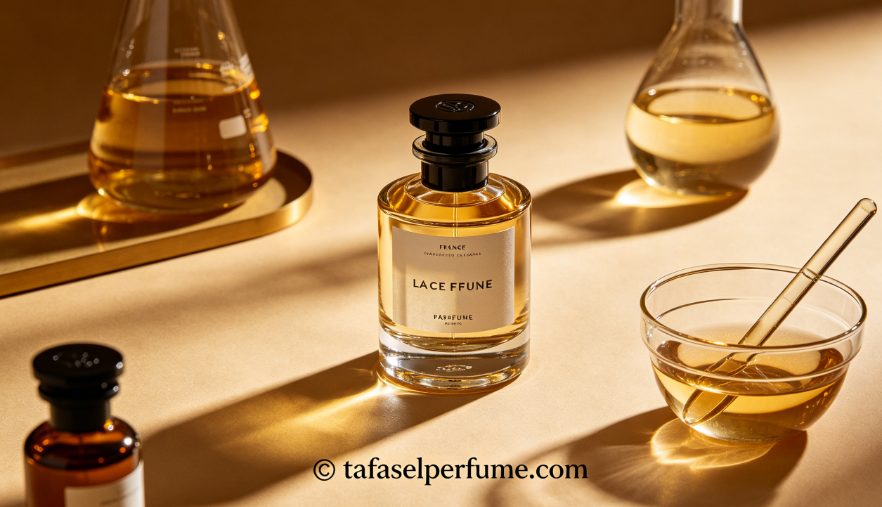
- French Fragrance Companies · The architecture of elegance, from Grasse to the world: The French fragrance industry is not merely about scent — it is the living archive of olfactory art. From the sun-drenched fields of Grasse to the avant-garde studios of Paris, French perfume houses have defined the grammar of perfumery for centuries. They are the custodians of raw materials, the inventors of modern accords, and the storytellers of desire.
France is the epicentre of global perfumery. More than a commercial sector, French fragrance companies represent a cultural continuum that blends alchemy, botany, fashion, and emotion. The industry traces its roots to the Renaissance, when glove‑makers in Grasse began scenting leather, eventually evolving into the world’s most concentrated hub of fragrance creation. Today, names like Chanel, Dior, Guerlain, Hermès, and Louis Vuitton are not just brands — they are guardians of a living tradition that continues to reinvent itself. The “French touch” in perfumery is defined by an obsession with quality, an almost mystical reverence for natural raw materials (rose, jasmine, iris, lavender, oakmoss), and a daring spirit that gave birth to masterpieces such as Chanel N°5, Shalimar, Miss Dior, and L’Eau d’Issey. Beyond the luxury giants, a vibrant ecosystem of niche houses (Diptyque, Byredo, Editions de Parfums Frédéric Malle) and artisanal distilleries ensures that French fragrance remains a living, breathing art form. This article explores the grandeur, the craftsmanship, and the modern evolution of these iconic companies — from their historic ateliers to their sustainable futures.
Contents – chapters
1. The Grasse connection · where flowers become fragrance
2. The great houses: legacy and avant‑garde
3. Niche perfumery: the new wave of French artisans
4. Raw materials and sustainability: the ethical turn
5. The art of the perfumer: noses, families, and accords
6. French fragrance in the global market: culture and commerce
7. Iconic perfumes that changed the world
8. The future of French fragrance: AI, personalisation, and circularity
9. French fragrance companies and the luxury ecosystem
10. How to choose a French perfume: a guide for connoisseurs
11. The olfactory heritage: museums, archives, and living culture
1. The Grasse connection · where flowers become fragrance
Grasse, a small town in the Provence-Alpes-Côte d’Azur region, is the spiritual heart of French perfumery. Its microclimate — warm, humid, and kissed by Mediterranean light — creates ideal conditions for growing tuberose, jasmine, rose, and mimosa. Since the 17th century, Grasse has supplied raw materials to the world’s finest perfumers. The tradition of “enfleurage” and solvent extraction was perfected here, and today, the town is home to the International Perfume Museum and the headquarters of Givaudan’s perfume school. French fragrance companies maintain deep ties with Grasse, sourcing flowers from local producers and preserving the artisanal savoir‑faire that distinguishes French perfumery from all others.
The relationship is symbiotic: the fragrance houses provide financial stability to farmers, while the farmers supply the olfactory DNA that defines French elegance. In recent years, initiatives like “Les Routes du Parfum” have turned Grasse into a destination for perfume pilgrims, offering workshops, guided tours, and harvest festivals. For any fragrance enthusiast, understanding Grasse is understanding the soul of French perfume.
Creed Perfume Woman · The Alchemy of Timeless Grace & Modern Rebellion — a modern example of how French heritage meets contemporary femininity.
2. The great houses: legacy and avant‑garde
The French fragrance landscape is dominated by a constellation of historic houses, each with a distinct philosophy. Guerlain (founded 1828) is the oldest, with a legacy that includes the iconic Shalimar and the royal Eau de Cologne Impériale. Chanel revolutionised the industry with N°5, the first abstract fragrance, while Dior brought glamour and couture to perfumery with Miss Dior and J’adore. Hermès, under the direction of Jean‑Claude Ellena, elevated perfumery to a form of minimalistic poetry.
These companies are not static museums; they constantly collaborate with contemporary artists, architects, and perfumers to stay relevant. The avant‑garde spirit is also embodied by houses like Comme des Garçons and Lalique, which push the boundaries of olfactory composition. French fragrance companies remain the benchmark of quality, with rigorous quality control, high concentrations of natural extracts, and an unwavering commitment to aesthetic beauty.
Orion Terenzi · The Stellar Resin & The Geometry of Fire — a contemporary niche creation that echoes the audacity of French perfumery.
3. Niche perfumery: the new wave of French artisans
Alongside the luxury conglomerates, a vibrant niche sector has flourished. Independent perfumers and small houses — such as Diptyque, Byredo (French‑Swedish), Editions de Parfums Frédéric Malle, and L’Artisan Parfumeur — have redefined the rules. They focus on storytelling, rare ingredients, and artistic freedom, often without the constraints of mass‑market appeal. These brands have cultivated a cult following among fragrance connoisseurs, offering unique scents that challenge conventional olfactive families.
Niche French perfumery also embraces gender fluidity, with many unisex creations. The movement has democratised creativity, allowing young perfumers to experiment with oud, incense, and unexpected gourmand notes. The success of these niche houses has even influenced the major players, pushing them to launch exclusive collections and bespoke services.
Unisex Perfume — explore the most refined unisex creations from French and international brands.
4. Raw materials and sustainability: the ethical turn
Sustainability has become a central concern for French fragrance companies. The industry relies heavily on natural ingredients, many of which are endangered or threatened by climate change and over‑harvesting. In response, houses like Chanel and Guerlain have launched their own sustainable sourcing programmes, partnering with local communities in Madagascar, Morocco, and India. They invest in regenerative agriculture, organic farming, and fair‑trade practices.
Moreover, synthetic molecules are used responsibly to reduce environmental impact. The French federation of perfumery has established strict guidelines for eco‑design, including recyclable packaging, reduced water usage, and carbon‑neutral logistics. The “Green Accord” signed by major players aims to make the French fragrance industry carbon‑neutral by 2030. This ethical turn not only protects the planet but also ensures the longevity of the precious raw materials that define French perfumery.
Dolce & Gabbana Light Blue Cream · The Velvet Horizon of Mediterranean Radiance — a creation that honours the Mediterranean heritage while embracing modern sustainability.
5. The art of the perfumer: noses, families, and accords
The perfumer, often called the “nose”, is the artist behind the fragrance. In France, perfumers undergo rigorous training — typically at the Givaudan or Firmenich schools — for several years before they can compose a fragrance. They must master over 2,000 raw materials and understand the complex olfactive families (floral, woody, oriental, chypre, fougère, citrus).
French fragrance companies are renowned for their innovative accords: the combination of notes that create a signature. For instance, the “aldehyde” accord in Chanel N°5, the “vanilla‑bergamot” in Shalimar, or the “iris‑leather” in Dior Homme. The perfumer’s work is both technical and intuitive, balancing chemistry with emotion. Many French houses now offer custom fragrance services, allowing clients to collaborate with a perfumer to create a bespoke scent — a true luxury experience.
Mercedes‑Benz Women Perfume · The Engine of Feminine Allure — an example of how automotive precision meets French olfactory artistry.
6. French fragrance in the global market: culture and commerce
France is the world’s leading exporter of perfumes, accounting for nearly 30% of the global fragrance market. The industry is a pillar of the French economy, generating billions of euros in revenue and employing tens of thousands of people. But beyond commerce, French fragrance is a cultural ambassador — it conveys the values of elegance, refinement, and joie de vivre.
French fragrance companies have adapted to globalisation by tailoring their offerings to different regions. For instance, they create more intense, long‑lasting scents for the Middle Eastern market, and lighter, fresher compositions for Asia. Yet the French identity remains unmistakable: a balance between tradition and modernity, between the natural and the abstract. The global success of French perfumery is a testament to its universal appeal.
Women's Perfume — discover the full range of feminine fragrances that embody French elegance.
7. Iconic perfumes that changed the world
Certain French perfumes have transcended the category to become cultural phenomena. Chanel N°5 (1921) revolutionised perfumery with its abstract, synthetic floral aldehyde composition. Guerlain Shalimar (1925) introduced the oriental genre to the Western world. Miss Dior (1947) captured the spirit of the New Look, while Dior Sauvage (2015) redefined masculinity with its rugged freshness. Each of these creations reflects the era in which it was born, yet remains timeless.
These iconic scents are not just products; they are narratives that evoke memories, emotions, and aspirations. French fragrance companies guard these heritage formulas with extreme secrecy, often storing them in vaults. The launch of a new pillar fragrance is a major event, accompanied by lavish campaigns and worldwide distribution. The icons continue to inspire contemporary perfumers, proving that true artistry never fades.
Issey Perfume · The Ethereal Code of Watery Woods & the Luminous Calm — an iconic Japanese‑French creation that redefined aquatic perfumery.
8. The future of French fragrance: AI, personalisation, and circularity
The next frontier for French fragrance companies lies in technology. Artificial intelligence is being used to analyse olfactive preferences and predict new combinations, accelerating the creative process. Personalisation is also on the rise: brands like Cartier and Dior offer digital tools that help consumers find their perfect scent based on mood, personality, and even DNA.
Moreover, the circular economy is gaining traction. Refillable bottles, upcycled materials, and zero‑waste production are becoming standard. French houses are also investing in biodegradable ingredients and transparent supply chains. The goal is to maintain the pinnacle of luxury while reducing environmental impact. The future of French perfumery is bright, innovative, and deeply responsible.
Beauty Tips and Guides — stay updated on the latest trends in French beauty and fragrance.
9. French fragrance companies and the luxury ecosystem
French fragrance companies are inextricably linked to the broader luxury ecosystem — fashion, jewellery, hospitality, and gastronomy. Many perfume houses are part of luxury conglomerates such as LVMH, Kering, and Puig, which also own fashion and accessory brands. This synergy allows for cross‑pollination: a perfume is often conceived as the “liquid accessory” of a fashion collection.
The collaboration extends to architecture and design, with flagship stores designed by renowned architects like Frank Gehry and Peter Marino. Exclusive boutiques on rue du Faubourg Saint‑Honoré or the Champs‑Élysées are not just retail spaces; they are immersive temples of olfactive art. This luxury ecosystem amplifies the prestige of French fragrance, making it an aspirational purchase and a symbol of discernment.
Perfume Brands — explore the complete catalogue of prestigious French and international perfume brands.
10. How to choose a French perfume: a guide for connoisseurs
Selecting a French perfume is an intimate journey. Begin by understanding the olfactive families you gravitate towards. Visit a boutique and sample fragrances on blotter strips, but always test on your skin — as body chemistry alters the scent. Pay attention to the evolution: the top notes (first impression), heart notes (the core), and base notes (the dry‑down).
Don’t be swayed by marketing; trust your instinct. French fragrances are often complex, and may require multiple wearings to appreciate. Also, consider the concentration: Eau de Parfum (EDP) offers greater longevity than Eau de Toilette (EDT). Finally, consider the brand’s ethos — its heritage, sustainability practices, and artistic vision. A well‑chosen French perfume becomes an extension of your identity.
Perfume Ranking and Top Lists — consult expert rankings and reviews to guide your choice.
11. The olfactory heritage: museums, archives, and living culture
The preservation of olfactory heritage is a mission for French fragrance companies. The Osmothèque in Versailles houses a vast archive of vintage perfumes, preserving the scents of the past for future generations. The Fragonard Perfume Museum in Paris and the International Perfume Museum in Grasse are dedicated to the history of perfumery, displaying artefacts from ancient Egypt to the present day.
These institutions also host workshops, lectures, and exhibitions that keep the culture alive. French fragrance companies actively sponsor these efforts, understanding that their legacy depends on education and appreciation. The olfactory heritage is not static; it evolves with each generation, ensuring that French perfume remains a living, breathing art form.
Dolce & Gabbana Intense Perfume · The Ambered Code of Mediterranean Opulence — a tribute to the intense, opulent side of Mediterranean and French inspiration.
Frequently asked questions about French fragrance companies
French perfumery is distinguished by its use of high‑quality natural raw materials, centuries‑old artisanal techniques, and a culture of innovation that balances tradition with avant‑garde compositions. The rigorous training of perfumers and the strict quality control ensure an unparalleled level of refinement.
Guerlain, founded in 1828, is the oldest continuously operating French perfume house. It remains a family‑owned symbol of heritage, with iconic fragrances like Shalimar and Vetiver.
While many fragrance houses are headquartered in Paris, the actual production often takes place in Grasse (the perfume capital) or in industrial facilities near Chartres and Normandy. Some luxury brands also produce in their own ateliers in the Île‑de‑France region.
Increasingly, yes. Major houses have committed to sustainable sourcing, carbon neutrality, and recyclable packaging. Many are part of the “French Fragrance Sustainability Pact” aimed at protecting biodiversity and reducing environmental impact.
Grasse remains the epicentre of raw material cultivation and training. It supplies jasmine, rose, and lavender to many perfumers, and hosts the world‑renowned Givaudan Perfumery School. It is also a UNESCO‑listed intangible cultural heritage site.
Niche perfumes are crafted in smaller quantities, often with more experimental accords and rare ingredients. They prioritise artistic vision over mass appeal, offering unique, complex scents that are not always crowd‑pleasers but are deeply personal.
Absolutely. Many houses, including Fragonard, Molinard, and Galimard, offer guided tours of their factories in Grasse. The International Perfume Museum and the Osmothèque in Versailles are also open to the public.
The main families are floral, oriental, woody, chypre, fougère, and citrus. French perfumers are known for their mastery of chypre (oakmoss‑based) and oriental (amber‑vanilla) compositions, which have defined Western perfumery.
Yes, for many consumers. The higher price reflects the cost of quality raw materials, intensive research, and artistry. French perfumes also offer superior longevity and complexity, making them a worthwhile investment for those who value olfactory excellence.
© 2026 · French fragrance companies — an olfactory odyssey


