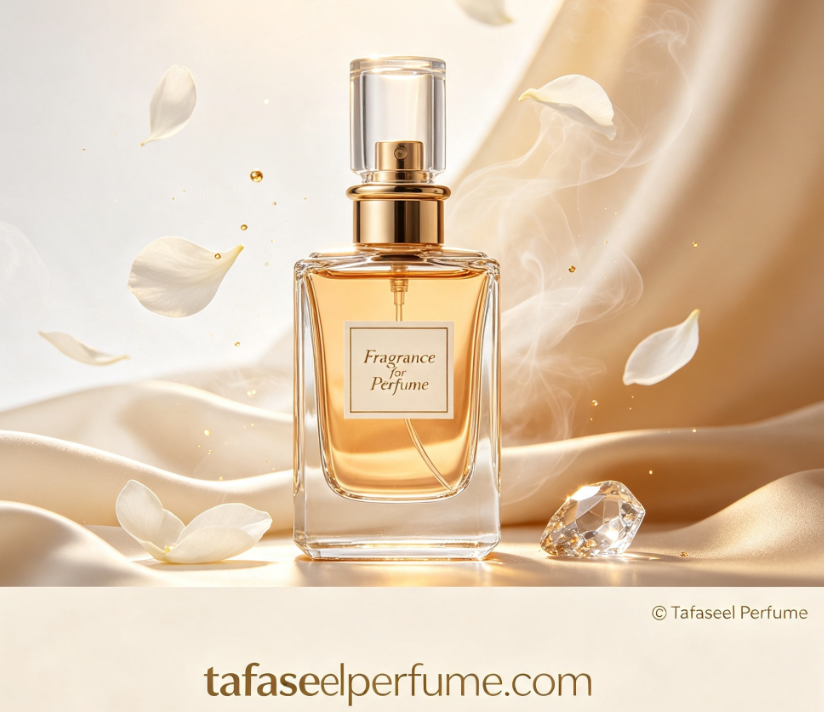
- Fragrance for Perfume · The Velvet Architecture of Allure & Sillage: Brief · Fragrance for perfume is the silent architecture of memory — a layered composition of top, heart, and base notes that defines presence, emotion, and identity.
An olfactory signature is never accidental. Fragrance for perfume unfolds like a narrative: citric sparkles, floral whispers, woody foundations, and ambery warmth. Each perfume is a tension between volatility and persistence, between the fleeting top note and the enduring base. This article explores the anatomy, psychology, and artistry of perfume composition — from the concentration chart to the sillage that lingers long after you leave the room.
In this guide · chapters
1. The Skeleton of Scent: Notes, Accords & Pyramid
2. Perfume Concentration Chart · Decoding Strength & Longevity
3. The Velvet Architecture of Modern Glamour
4. Sillage & Presence · The Invisible Aura
5. Masculine & Feminine · Beyond the Binary
1. The Skeleton of Scent: Notes, Accords & Pyramid
Every perfume is built on a three-tiered structure: top notes (the immediate impression), heart notes (the core character), and base notes (the foundation). This pyramid determines how a fragrance evolves on skin. Top notes — often citrus, bergamot, or light fruits — last 5–15 minutes. The heart, where florals, spices, and green accords reside, lingers for 2–4 hours. The base — woods, musk, vanilla, amber — can persist for over 24 hours. Understanding this hierarchy is the first step in mastering fragrance for perfume selection.
Accords are the harmonious blend of multiple notes that create a distinct smell, like “leather” or “aquatic.” Master perfumers weave these accords to evoke emotions, places, or memories. A well-constructed pyramid ensures that the perfume transitions gracefully from the first spray to the dry-down, offering a multisensory journey.
2. Perfume Concentration Chart · Decoding Strength & Longevity
Concentration matters. The percentage of aromatic compounds determines intensity, sillage, and lasting power. Parfum (20–30%) offers the richest, longest-lasting experience; Eau de Parfum (15–20%) is the modern standard; Eau de Toilette (5–15%) is lighter and more casual; Eau de Cologne (2–4%) is refreshing and short-lived. The concentration chart is your roadmap to choosing the right fragrance for perfume for every occasion. A parfum is intimate and potent, while an EDT is ideal for daytime or warmer weather. Sillage — the trail of scent left behind — is directly influenced by concentration and the molecular weight of the base notes.
For those who seek a signature scent, layering different concentrations of the same fragrance can create a unique, personalised aura. Always test on skin, as pH and body chemistry interact with each perfume differently.
3. The Velvet Architecture of Modern Glamour
Glamour in fragrance is not about loudness; it is about textured elegance. Modern perfumery draws on contrasting elements — creamy sandalwood with sharp black pepper, or sweet vanilla with smoky oud — to create a “velvet” effect that feels both luxurious and approachable. Brands like Le Parfum Jimmy Choo and Invictus Victory exemplify this architecture, blending opulent florals with robust woody bases to project confidence and sensuality.
The “velvet” metaphor extends to texture — powdery iris, smooth suede, buttery orris — that makes a fragrance feel tactile. It’s the difference between a sharp citrus cologne and a warm, enveloping gourmand. This chapter explores how perfumers use materials like ambroxan, iso e super, and hedione to build that soft, radiant cloud that defines modern glamour.
4. Sillage & Presence · The Invisible Aura
Sillage is the trail of fragrance you leave behind — a signature that announces your presence before you speak. It’s influenced by the perfume’s volatility, the application points (pulse points radiate heat), and even the weather. A perfume with high sillage, like YSL Cologne Intense, projects strongly, while others stay closer to the skin, creating an intimate experience.
Mastering sillage is an art: spray on wrists, behind ears, and the nape of the neck for a balanced projection. For a discreet effect, spritz on clothing or hair (test for stains). The sillage of a perfume is also a memory trigger — a fleeting whisper that can evoke a person, a place, or a moment long after they’ve left.
5. Masculine & Feminine · Beyond the Binary
Fragrance for perfume has long been gendered, but today’s olfactory landscape is fluid. Fresh, citrusy, and woody notes are often labelled masculine, while floral, powdery, and sweet notes are deemed feminine — yet the most compelling scents defy these boundaries. Unisex perfumes like those from Le Labo or Byredo use notes like bergamot, vetiver, and iris to create balanced, universal appeal.
This chapter celebrates the shift towards personal choice over prescribed gender norms. Whether you are drawn to the bold freshness of men’s perfumes or the elegant florals of women’s perfumes, the true signature lies in what resonates with your skin and soul. The modern perfumery embraces all — from the leathery intensity of English Laundry by Christopher Wicks to the ethereal softness of Heavenly Spray by Victoria’s Secret.
6. Artisanal vs. Designer · The Craft of Perfumery
Artisanal fragrances are crafted in small batches with rare ingredients, often using natural absolutes and tinctures. They offer uniqueness and complexity, but come at a premium. Designer perfumes, such as Good Girl Perfume Scents and Garden Dolce & Gabbana, are formulated for mass appeal, with a focus on stability and broad likeability. Both have their place in a fragrance wardrobe.
The craft of perfumery is a dialogue between science and art. Perfumers, or “noses,” train for years to distinguish hundreds of raw materials. They work with natural extracts (rose, jasmine, sandalwood) and synthetic molecules (calone, coumarin) to build accords that are both novel and evocative. This section explores the heritage of brands like Givenchy Phi and the modern innovation of houses like YSL, offering a glimpse into the atelier where liquid alchemy happens.
7. The Future of Fragrance · Sustainability & AI
The perfume industry is undergoing a green revolution. Sustainable sourcing of ingredients like vanilla, patchouli, and sandalwood is becoming a priority. Biotech companies are creating lab-grown equivalents of rare botanicals, reducing environmental impact without sacrificing quality. At the same time, AI is being used to analyse millions of fragrance combinations, predicting new accords and consumer preferences.
Brands are also embracing refillable bottles and eco-friendly packaging. The future of fragrance for perfume lies in balancing tradition with innovation — preserving the emotional resonance of scent while caring for the planet. As consumers become more conscious, the demand for transparency and ethical production will shape the next generation of perfumes. This is an exciting era for both creators and connoisseurs.
Frequently Asked Questions
Eau de Parfum contains a higher concentration of fragrance oils (15–20%) compared to Eau de Toilette (5–15%). This makes EDP longer-lasting and more intense, while EDT is lighter and suitable for daily wear.
Keep perfumes in a cool, dark place away from direct sunlight and temperature fluctuations. A drawer or cupboard is ideal. Avoid storing in bathrooms due to humidity.
Sillage refers to the trail of scent left behind by a perfume. It’s the “aura” or projection of the fragrance — how far and how long it lingers in the air after you pass.
Absolutely. Layering can create a customised signature. Start with a base of a heavier scent and add a lighter one on top, or mix complementary notes like vanilla and citrus. Test on skin before committing.
Body chemistry — including skin pH, temperature, and even diet — affects how a perfume evolves. The same fragrance can highlight different notes on different people.
Top notes are the initial impression (lasting minutes), heart notes are the core character (lasting hours), and base notes are the foundation (lasting all day). They create the perfume’s olfactory pyramid.
Opt for a perfume with a higher concentration (Parfum or EDP). Apply on moisturized skin (or after shower) and on pulse points. Also consider the base notes — woody, ambery, and musky notes last longer.
Unisex perfumes are formulated to appeal across genders, using notes that are not traditionally gendered. They often feature citrus, woods, and spices, but the perception is entirely personal.
Explore more fragrance stories
Fragrance for perfume is an endless journey — each bottle tells a story, each spray is a memory.


