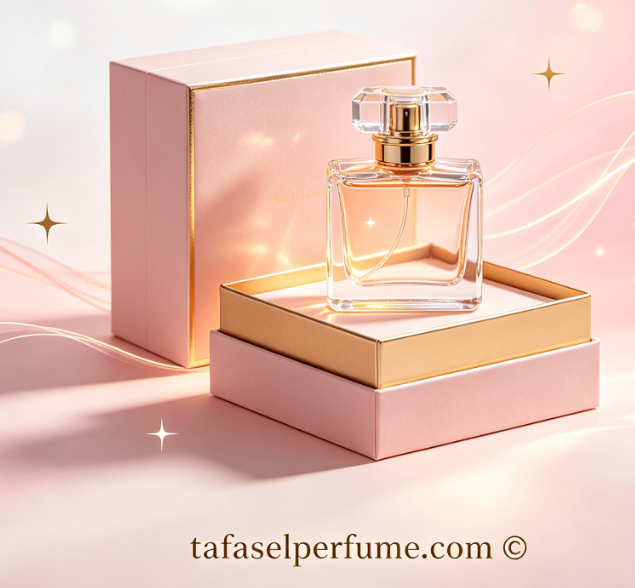
- Fragrance Buy · The Olfactory Architecture of Desire: Fragrance buy is more than a transaction; it is an initiation. Whether you are drawn to luminous citruses, velvety ouds, or the cool architecture of aquatic notes, every bottle holds a story. This guide walks you through the art of fragrance buying — from the first spritz to the lasting imprint.
Fragrance is the invisible garment we wear, yet it speaks louder than any accessory. The modern perfume market offers thousands of olfactory landscapes — from the sun-drenched Mediterranean to the resinous souks of the East. But how do you navigate this fragrant universe? Fragrance buy is not just about picking a pleasant smell; it’s about discovering a second skin, a memory trigger, a confidence booster. In this comprehensive guide, we decode the architecture of scent buying: understanding notes, longevity, sillage, and the emotional resonance that makes a fragrance truly yours. We also explore the best houses, hidden gems, and the science of wearing perfume with intention. Whether you are a seasoned collector or a curious beginner, this is your blueprint for buying fragrance with both heart and knowledge.
Contents
1. The First Note · Understanding Fragrance Families | 2. The Sillage Code · Projection & Presence | 3. Longevity · How to Make Your Scent Last | 4. Niche vs. Designer · The Art of Distinction | 5. The Olfactory Pyramid · Top, Heart, Base | 6. Season & Occasion · The Context of Scent | 7. Unisex Perfume · Beyond Gendered Bottles | 8. The Blind Buy · Risk, Reward, and Ritual | 9. Fragrance Gels & Layering · Expanding the Palette | 10. Perfume Gift Sets · The Art of Gifting Scent | 11. Arabian Perfume · Resin, Oud & Velvet Shadow | 12. The Psychology of Scent · Why We Buy
1. The First Note · Understanding Fragrance Families
Fragrance buy begins with a single note. But behind every spritz lies a complex family tree: floral, oriental, woody, fresh, and chypre. Floral scents — like rose, jasmine, and tuberose — evoke romance and lightness. Oriental blends (vanilla, amber, patchouli) bring warmth and mystery. Woody notes (sandalwood, cedar, vetiver) ground the composition with earthy strength. Fresh fragrances, often built on citrus, aquatic, and green accords, feel crisp and energetic. Understanding these families helps you navigate the perfume counter with confidence. When you buy fragrance, you are not just choosing a smell; you are selecting a mood, a season, and a statement. Explore unisex perfume to see how families blur beautifully.
Each family has sub-categories — for instance, floral-woody-musk or spicy-oriental — that create unique textures. The next time you fragrance buy, test two or three families side by side. Notice how your skin chemistry transforms the raw ingredients. A perfume that smells one way on paper may bloom completely differently on your wrist. This is the beauty of the first note; it’s a conversation between the liquid and your skin. And remember, the top note is only the beginning — the heart and base will reveal themselves later, so give each fragrance at least twenty minutes to unfold. Ranking lists can also guide you toward the most beloved examples of each family.
2. The Sillage Code · Projection & Presence
Sillage — the trail of scent you leave behind — is a defining factor in any fragrance buy. Some perfumes are intimate, staying close to the skin; others project like a fragrant aura that announces your arrival. Projection is determined by the concentration of perfume oils, the molecular weight of ingredients, and even the alcohol carrier. Eau de parfum (EDP) generally projects more than eau de toilette (EDT), but it’s not always the case — some EDTs are engineered to bloom. When you test a fragrance, ask yourself: do you want to be noticed from across the room, or do you prefer a scent that only reveals itself in a close embrace? Both are valid. Men’s perfume often leans toward stronger projection, while many women’s perfumes offer a more nuanced sillage.
Consider the setting: a powerful sillage may be perfect for a gala or a night out, but overwhelming in a small office. The sillage code also influences how people perceive you — it can signal confidence, mystery, or approachability. When you buy fragrance, test the sillage by spraying on a blotter and walking away; come back after ten minutes to sense the trail. And don’t forget: layering with matching body lotion or fragrance gels can amplify projection while adding depth. Mastering sillage is an art that elevates your fragrance buy from a simple purchase to a signature statement.
3. Longevity · How to Make Your Scent Last
One of the most common frustrations after a fragrance buy is a scent that fades within an hour. Longevity depends on several factors: the concentration of oils (parfum > EDP > EDT > cologne), the type of ingredients (citrus evaporates quickly, while woods and resins linger), and even your skin’s pH and hydration level. To maximize longevity, apply fragrance to pulse points — wrists, behind the ears, the base of the throat — where the skin is warmer. Moisturizing beforehand (with an unscented lotion) can also lock in the top notes. Another pro tip: spray a little on your clothing or hair (be careful with alcohol-based sprays on delicate fabrics). Perfume gift sets often include a matching body wash or cream, which can significantly extend the wear of your fragrance.
But longevity isn’t just about hours; it’s about the journey. A well-made perfume evolves over time, revealing different facets. When you buy fragrance, pay attention to the base notes — these are the molecules that linger longest. Patchouli, vanilla, oakmoss, and amber are notorious for their tenacity. If you love a scent but it fades too quickly, consider buying the parfum version or using a fragrance primer. And remember, reapplying is not a failure — it’s a ritual. The best fragrance buy is one that you enjoy throughout its entire arc, from the bright top to the warm, lingering base.
4. Niche vs. Designer · The Art of Distinction
The fragrance buy landscape is divided into two major realms: designer and niche. Designer fragrances come from fashion houses like Chanel, Dior, or Gucci — they are mass-marketed, widely available, and often crafted to appeal to a broad audience. They offer reliability, recognizability, and excellent quality. Niche perfumery, on the other hand, is the domain of artisan perfumers who experiment with rare ingredients, unconventional accords, and limited production. Think of brands like Le Labo, Byredo, or Serge Lutens. A niche fragrance buy is often a statement of individuality — you are less likely to smell it on someone else. Brands like Best Arab Perfume bridge both worlds, offering opulent, resinous compositions that feel both timeless and avant-garde.
When deciding, consider your lifestyle and personality. If you enjoy the thrill of discovery and don’t mind paying a premium for exclusivity, niche is a rewarding path. If you prefer a classic, crowd-pleasing scent that you can repurchase easily, designer is a safe bet. But don’t be afraid to mix — many collectors have both. The key to a successful fragrance buy is to sample extensively. Visit a perfumery that offers both, and spend time with each. The distinction is not about quality; it’s about intention. Both can be masterpieces. And sometimes, the most beautiful fragrance is the one that feels like it was made just for you — whether it costs $50 or $500.
5. The Olfactory Pyramid · Top, Heart, Base
Every fragrance buy is a journey through three acts: the top, heart, and base notes, collectively known as the olfactory pyramid. The top notes are the first impression — bright, volatile, and short-lived. Citrus, bergamot, and light fruits often occupy this layer. Within 5–15 minutes, the heart notes emerge, forming the core of the fragrance. This is where the true character shines: florals, spices, and green accords. Finally, the base notes anchor the perfume, providing depth and longevity. Woods, resins, musks, and vanilla linger for hours. Understanding this pyramid helps you evaluate a fragrance beyond the first spray. When you fragrance buy, don’t judge a perfume by its top notes alone — wait for the heart and base to reveal themselves. Jo Malone Mandarin Lime Basil is a perfect example of a fragrance that dances between zesty top and earthy base.
This pyramid is also a tool for layering. You can combine a citrus-dominant fragrance with a woody one to create a custom accord. Many brands offer scent-layering kits, and beauty experts often recommend pairing complementary notes. The olfactory pyramid is not a rigid rule but a guide. Some modern perfumes are “fragrance landscapes” where the pyramid is flattened, and all notes appear simultaneously. Still, knowing the classic structure enriches your fragrance buy experience, allowing you to appreciate the craftsmanship behind each bottle. Next time you test a perfume, take notes — literally — on how it changes over an hour. You’ll discover a new layer of appreciation.
6. Season & Occasion · The Context of Scent
A successful fragrance buy considers not only your taste but also the season and occasion. Just as you wouldn’t wear a heavy wool coat in summer, you shouldn’t wear a dense oriental in July. Light, fresh fragrances — citrus, aquatic, green — thrive in warm weather, while rich, spicy, or woody scents feel more appropriate in autumn and winter. Occasion matters too: a subtle, office-friendly fragrance might feature soft musk or clean florals, while a bold, dramatic scent with oud or leather is perfect for a special event. Prada Red Cologne for Men offers a bold intensity that suits evening affairs, while Acqua di Gio is a Mediterranean classic for warm days.
But context is also personal. Some people wear their signature scent year-round, adapting the amount they spray. Others curate a wardrobe of fragrances, rotating them like outfits. When you buy fragrance, think about your lifestyle. Do you attend many formal events? Work in a creative field? Spend weekends outdoors? Each scenario calls for a different olfactory approach. And don’t underestimate the power of a bedtime fragrance — a soft, comforting scent can signal relaxation and improve sleep. The fragrance buy that considers context is the one that feels effortless, as if the scent was always meant to be there.
7. Unisex Perfume · Beyond Gendered Bottles
The modern fragrance buy has moved beyond rigid gender categories. Unisex perfumes are designed to be worn by anyone, focusing on notes that transcend traditional masculinity or femininity. Think of bright citruses, aromatic herbs, clean musks, and smoky woods — these accords appeal to a wide spectrum of preferences. Brands like Byredo, Le Labo, and even mainstream houses have embraced unisex collections. Unisex perfume is not just a trend; it’s a celebration of individuality. When you buy a unisex fragrance, you are choosing a scent that resonates with you, not with a marketing department. This opens up a world of possibilities — you can explore Calvin Klein’s Obsession or Armani Code Ice, both of which have unisex appeal.
Unisex fragrances often feature bold, unconventional combinations — saffron and leather, or fig and cedar — that challenge the wearer to think differently about scent. They are excellent conversation starters and can be shared with partners. When you fragrance buy, don’t let the aisle signage dictate your choice. Trust your nose. If you love a fragrance that is marketed “for men” or “for women,” wear it anyway. The most memorable scents are those that feel authentic to you. And with the rise of gender-neutral beauty, the future of fragrance is inclusive. Explore the unisex category; you might find your next signature scent.
8. The Blind Buy · Risk, Reward, and Ritual
In the world of fragrance buy, a “blind buy” is purchasing a perfume without testing it first. It’s a leap of faith, fueled by glowing reviews, intriguing notes, or a trusted brand. Some collectors adore the thrill; others consider it reckless. The reality is that blind buying can lead to either a euphoric discovery or a disappointing regret. To minimize risk, research extensively — read reviews, watch fragrance videos, and look for notes you already love. If you can, buy the smallest size available or a travel spray. And remember, even if you don’t love it initially, give it a few wearings; scents can grow on you. Perfume sales near me often offer testers, but for online buys, consider sample sets.
The blind buy is also a ritual of trust — trusting the perfumer, the community, and your own intuition. When it works, it’s magic; you’ve found a treasure that feels like it was made just for you. When it doesn’t, you can repurpose it as a room spray, gift it, or swap with friends. The key is to embrace the experience. Some of the most legendary fragrances were discovered through blind buys. So, whether you’re a cautious tester or a bold adventurer, the fragrance buy journey is about exploration. Just set a budget and enjoy the ride.
9. Fragrance Gels & Layering · Expanding the Palette
Beyond traditional sprays, fragrance buy now includes innovative formats like fragrance gels, solid perfumes, and body oils. Fragrance gels offer a softer, more controlled application — perfect for layering or for those who prefer a subtle scent. They are also portable and less likely to spill. Layering is an art: you can combine a gel with a matching spray to amplify longevity, or mix contrasting scents to create a unique accord. For example, a warm vanilla gel under a fresh citrus spray can create a fascinating tension. Spa & fragrance products also enhance the sensory experience, turning a simple spritz into a ritual of self-care.
Layering isn’t just about mixing products; it’s about storytelling. You can start with a clean, soapy base, add a floral heart, and finish with a smoky veil. Many perfume houses offer layering guides, and Tafaseel collections often include complementary products. When you buy fragrance, consider expanding your palette beyond the bottle. Gels, creams, and oils can transform a linear scent into a multifaceted experience. They also allow you to tailor projection and longevity to your liking. The next time you fragrance buy, pick up a matching gel or oil — it might just become your new favorite way to wear scent.
10. Perfume Gift Sets · The Art of Gifting Scent
Perfume gift sets are a cornerstone of the fragrance buy experience, especially during holidays and celebrations. Perfume gift sets typically include a full-size bottle, a travel spray, and a body lotion or shower gel — offering a complete sensory package. They are perfect for introducing someone to a new fragrance or for treating yourself to a curated collection. Gifting scent is deeply personal; it shows that you understand the recipient’s taste and that you value their individuality. When choosing a gift set, consider the recipient’s lifestyle. A set with a light, fresh fragrance suits an active person, while a rich, opulent one is ideal for someone who enjoys luxury.
Gift sets also provide an opportunity to explore a brand’s world. Many sets come in beautiful packaging, making them ready to give. And for the giver, they simplify the fragrance buy decision — you don’t have to choose just one product; you offer an entire experience. Whether it’s a birthday, anniversary, or just because, a perfume gift set is a timeless gesture. And if you’re buying for yourself, a set can be a cost-effective way to build your collection. So, next time you’re considering a fragrance buy, look beyond the single bottle. The gift set might offer more value and joy.
11. Arabian Perfume · Resin, Oud & Velvet Shadow
Arabian perfumery represents one of the most opulent chapters in fragrance buy. With a history steeped in trade, spirituality, and craftsmanship, Arabian fragrances are characterized by bold resins, smoky oud, and rich florals like rose and saffron. Best Arab Perfume is a gateway to this world, where each bottle is a symphony of luminous resin and velvet shadow. These perfumes are often oil-based, offering incredible longevity and a different kind of projection — they warm on the skin, releasing layers over hours. Buying an Arabian perfume is an experience in itself; many come in ornate bottles and are meant to be cherished.
For the uninitiated, Arabian perfumes can be intense, but they reward patience. Start with a lighter blend that combines oud with rose or citrus. Teens perfumes are also exploring softer oriental notes, making the genre more accessible. When you fragrance buy an Arabian scent, you’re not just buying a fragrance; you’re buying a piece of culture, a connection to ancient trade routes and royal courts. It’s a statement of boldness and sophistication. And with the global rise of niche perfumery, Arabian houses are gaining the recognition they deserve. Explore this category — your signature scent might just be a drop of liquid amber.
12. The Psychology of Scent · Why We Buy
The final chapter of fragrance buy delves into the psyche. Why do we buy certain perfumes? Scent is intimately linked to memory and emotion. A whiff of a particular flower can transport us to a childhood garden; a hint of vanilla can evoke comfort and warmth. We buy fragrances that reflect who we are, or who we aspire to be. Studies show that scent influences perception — people who wear perfume are often seen as more confident and attractive. But the psychology goes deeper: we buy fragrances to mark transitions, to celebrate achievements, or to cope with loss. The act of buying a new perfume is a form of self-care, a way to assert our identity in a chaotic world.
Brands know this, and they craft narratives around their scents. When you fragrance buy, you are buying into a story — the story of a French garden, a Moroccan souk, or a New York skyline. Understanding this psychological layer can make your purchases more meaningful. Ask yourself: what emotion does this scent evoke? Does it make me feel powerful, serene, or playful? The best fragrance buy is one that aligns with your inner state. And remember, you don’t need to own hundreds of bottles. A few carefully chosen scents, each with its own story, are all you need. So, as you explore the world of fragrance, trust your instincts, follow your nose, and buy what makes you feel alive.
Frequently Asked Questions · Fragrance Buy
Always test on your skin, not just paper. Spray on your wrist or inner elbow and wait at least 20–30 minutes to experience the top, heart, and base notes. Walk around and smell it periodically. Also, test only 2–3 fragrances per session to avoid olfactory fatigue.
There is no fixed rule. Budget-friendly options can be found for under $30, while niche or extrait de parfum can exceed $300. Focus on quality and how much you love it. A good strategy is to set a budget and explore within that range — many affordable fragrances are masterpieces.
EDP has a higher concentration of perfume oils (15–20%) compared to EDT (5–15%). This generally means EDP lasts longer and projects more. However, the actual performance depends on the specific formula. Check the bottle for concentration and test accordingly.
Many retailers accept returns within a certain period, especially if the bottle is unopened. Some specialty stores offer sample sizes or discovery sets to minimize the risk. Always check the return policy before you buy, especially for online purchases.
Apply to pulse points after moisturizing, and consider layering with a matching body lotion or fragrance gel. Spray a little on your clothing (but avoid delicate fabrics). Also, reapply with a travel atomizer if needed — it’s a common practice among perfume lovers.
If you’re new to a fragrance, start with a travel size or a sample. This allows you to wear it multiple times in different settings before committing to a full bottle. Many people end up buying the full size after falling in love with the travel version.
Fragrance gels are semi-solid, often alcohol-free, and provide a softer, more controlled application. They are great for layering and for those who prefer a subtle scent. They also tend to be more portable and less drying on the skin.
Yes! Unisex perfumes are formulated with notes that appeal across genders. The concept is about personal preference, not marketing. Many of the world’s most iconic fragrances are technically unisex. Trust your nose, not the label.
Buy from authorized retailers, brand boutiques, or trusted online platforms. Check packaging quality, batch codes, and the overall presentation. If the price seems too good to be true, it probably is. When in doubt, consult the brand’s official website.
You can buy any time, but many brands release new collections in spring and fall. Sales often occur during holiday seasons and summer. The best time to buy is when you find a scent that truly resonates — regardless of the calendar. However, if you want to save, look for Black Friday, Mother’s Day, or anniversary sales.
Arabian perfumes are rich in resins, oud, and spices, offering intense longevity and a unique olfactory profile. They are often oil-based and come in beautiful bottles. They’re perfect for those who love bold, warm, and exotic scents. Many are unisex and can be worn by anyone.
Yes, most perfumes have a shelf life of 3–5 years if stored properly (away from light, heat, and humidity). Over time, top notes may fade, but many base notes actually improve. If the color changes or the scent turns sour, it’s time to let it go.


