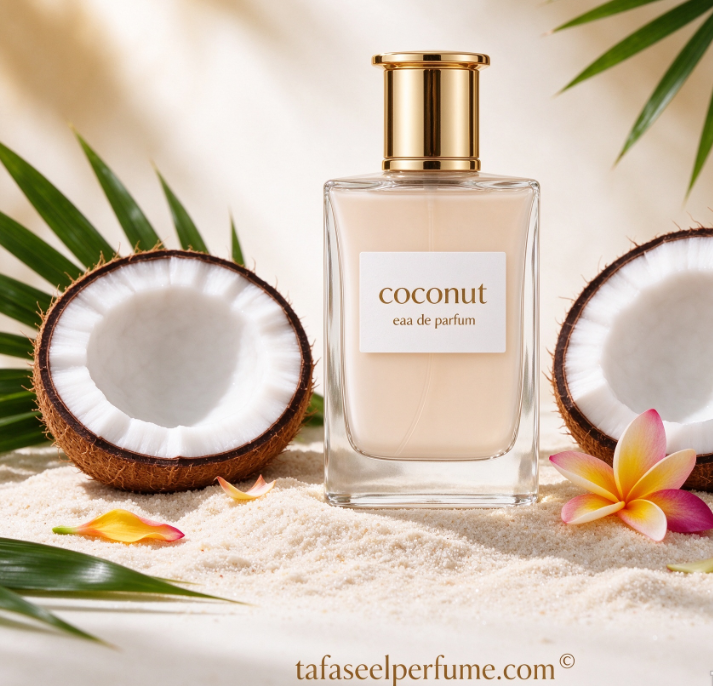
- Coconut Eau de Parfum: The Ultimate Tropical Fragrance Guide for 2024: Quick Intro: Coconut eau de parfum captures the essence of sun-warmed skin, salty ocean air, and lazy afternoons under palm trees. Whether you crave a creamy gourmand or a fresh beachy scent, this guide explores everything you need to know about coconut-based fragrances—from top picks to layering tips and expert buying advice.
Big Intro: Coconut eau de parfum has evolved far beyond the simple sunscreen association. Today's coconut fragrances span luxurious niche creations, designer classics, and affordable gems that rival high-end options. The note itself is remarkably versatile—it can be creamy and gourmand (think vanilla and tonka bean pairings), fresh and aquatic (blended with sea salt and bergamot), or warm and woody (layered with sandalwood and amber). This comprehensive guide dives deep into the world of coconut eau de parfum, covering the best formulations, how to choose the right one for your skin chemistry, layering techniques, seasonal suitability, and answers to the most common questions. Whether you're a longtime coconut lover or a curious newcomer, you'll find actionable insights and curated recommendations to help you find your perfect tropical signature scent.
1. Top Coconut Eau de Parfum Picks for Every Budget
Discover budget-friendly drugstore gems and luxurious niche options that deliver authentic, long-lasting coconut notes.
2. Understanding Coconut Notes: Creamy vs. Fresh vs. Woody
Learn how coconut accords differ across fragrance families and which style suits your personal taste.
3. How to Layer Coconut Eau de Parfum Like a Pro
Master layering techniques to amplify longevity and create custom tropical scent profiles.
4. Best Coconut Fragrances for Summer and Beach Vacations
Explore the top-rated coconut scents that thrive in heat and humidity without becoming cloying.
5. Coconut Eau de Parfum for Men: Breaking the Stereotype
Discover masculine coconut fragrances that balance tropical freshness with woody depth.
6. Longevity and Sillage: What to Expect from Coconut Perfumes
Understand why coconut notes can be fleeting and how to choose formulations with better performance.
7. Niche vs. Designer Coconut Eau de Parfum: Which Is Worth It?
Compare ingredient quality, creativity, and value between niche houses and mainstream brands.
8. Coconut Fragrances for Every Season (Not Just Summer)
Learn how to wear coconut year-round with warm, spicy, and gourmand interpretations.
1. Top Coconut Eau de Parfum Picks for Every Budget
Finding the perfect coconut eau de parfum doesn't require an unlimited budget, though luxury options certainly exist for those willing to invest. At the accessible end, brands like $50 Perfume: The Ultimate Guide to Affordable Luxury Fragrances That Smell E highlight options that deliver impressive coconut accords without the premium price tag. Mid-range designer offerings often blend coconut with other tropical notes like tiare flower and vanilla, creating crowd-pleasing compositions suitable for daily wear. For collectors and enthusiasts, niche houses craft coconut-centric fragrances using higher concentrations of natural absolutes and innovative aromachemicals, resulting in more complex, evolving scents. When evaluating budget options, pay attention to concentration—eau de parfum typically offers better longevity than eau de toilette, though some affordable EDTs punch above their weight. Read reviews specifically mentioning coconut note prominence, as some fragrances list coconut in the pyramid but barely register it on skin. Testing on your own skin is essential since coconut can turn overly sweet or synthetic depending on individual chemistry. For those exploring women's fragrances broadly, resources like Ladies Perfume: Discover Your Signature Scent, Bottled Confidence provide valuable context on how coconut fits into larger olfactory wardrobes.
2. Understanding Coconut Notes: Creamy vs. Fresh vs. Woody
Coconut in perfumery is not a single, monolithic note—it manifests across a spectrum depending on accompanying ingredients and the perfumer's intent. The creamy coconut interpretation dominates gourmand and oriental compositions, where coconut lactones combine with vanilla, tonka bean, and sandalwood to create a rich, dessert-like effect. These fragrances evoke coconut cream, tropical cocktails, and sun tan lotion in the best possible way. Fresh coconut notes lean toward aquatic and citrus-forward compositions, where the coconut provides a subtle tropical backdrop without overwhelming sweetness. Think coconut water rather than coconut milk—lighter, more transparent, and ideal for hot weather. Woody coconut fragrances pair the note with cedar, vetiver, or driftwood accords, creating a unisex or masculine profile that grounds the tropical sweetness in earthy sophistication. Understanding these distinctions helps you navigate product descriptions and choose fragrances aligned with your preferences. For example, if you enjoy unisex compositions, the Unisex Perfume collection often features coconut notes woven into balanced, gender-neutral blends. Many coconut-forward fragrances also incorporate complementary tropical notes like pineapple, mango, or passionfruit, which can shift the overall character significantly. When sampling, pay attention to how the coconut evolves—some fragrances open with a burst of fresh coconut that dries down to creamy sweetness, while others maintain a consistent coconut presence throughout.
3. How to Layer Coconut Eau de Parfum Like a Pro
Layering is an art that allows you to customize your fragrance experience, and coconut eau de parfum serves as an excellent layering base or accent. Because coconut notes tend to be soft and rounded, they blend harmoniously with a wide range of fragrance families. To amplify tropical vibes, layer coconut eau de parfum with a citrus or aquatic fragrance—the brightness cuts through the creaminess for a balanced, beach-ready effect. For evening wear, combine coconut with vanilla, amber, or oud fragrances to create a warm, sensual aura. Layering coconut with floral fragrances (especially white florals like jasmine, frangipani, or tuberose) produces lush, feminine compositions reminiscent of tropical gardens. Application technique matters: apply the heavier or more intense fragrance first, then layer the lighter coconut scent on top to allow it to shine. Alternatively, apply coconut eau de parfum to pulse points and spritz a complementary fragrance into the air, walking through the mist for a subtle veil. Avoid over-layering—two to three fragrances maximum prevents olfactory chaos. Many perfume enthusiasts discover unexpected combinations by exploring resources like Le Labo Perfume: The Ultimate Guide to Slow Craft, Iconic Scents, and the Ar, which discusses the philosophy of personalizing scent. Keep a fragrance journal to track successful layering experiments and refine your technique over time.
4. Best Coconut Fragrances for Summer and Beach Vacations
Summer is the natural habitat of coconut eau de parfum, but not all coconut fragrances perform equally in heat and humidity. The best summer coconut scents prioritize freshness, avoiding heavy gourmand elements that can become cloying when temperatures rise. Look for compositions featuring coconut water, sea salt, bergamot, and light musk—these notes create an airy, refreshing effect ideal for beach days and warm evenings. Aquatic coconut fragrances capture the essence of ocean breezes and sun-kissed skin without overwhelming sweetness. For vacation packing, consider solid perfume formats or travel-sized sprays, which are convenient and TSA-friendly. Many perfume gift sets include mini coconut fragrances perfect for testing before committing to full bottles—browse Perfume Gift Sets for curated options. When wearing coconut in high heat, apply to clothing (with caution for delicate fabrics) or hair rather than pulse points, as body heat can amplify sweetness excessively. Reapplication may be necessary since heat accelerates fragrance evaporation. For beach vacations specifically, consider fragrances with SPF-friendly formulations or those that complement sunscreen scents rather than clashing with them. Evening summer events call for slightly richer coconut compositions with vanilla or amber bases that bloom beautifully in warm night air. Remember that humidity can intensify fragrance projection, so a lighter application than usual may suffice.
5. Coconut Eau de Parfum for Men: Breaking the Stereotype
The misconception that coconut is exclusively feminine has been thoroughly dismantled by modern perfumery. Men's coconut fragrances leverage the note's versatility, pairing it with woody, aromatic, and spicy elements to create sophisticated masculine compositions. Think coconut blended with vetiver, cedarwood, and sea salt for a rugged coastal vibe, or coconut combined with cardamom, tobacco, and leather for a warmer, more complex profile. The key to masculine coconut fragrances lies in balance—the coconut provides tropical softness without dominating the composition. Designers and niche houses alike have released acclaimed masculine coconut scents that perform beautifully in warm weather and casual settings. For men exploring coconut alongside other fragrance profiles, resources like Men s Perfume offer curated selections and reviews. When shopping for masculine coconut eau de parfum, look for descriptions emphasizing "fresh," "aquatic," or "woody" rather than "gourmand" or "sweet" to align with traditional masculine preferences (though personal taste should always guide your choices). Sampling is crucial since coconut can read differently on different skin chemistries. Many men discover that coconut fragrances receive more compliments than expected, as the note conveys approachability and warmth—qualities universally appreciated in fragrance.
6. Longevity and Sillage: What to Expect from Coconut Perfumes
Coconut notes present specific challenges regarding longevity and sillage that fragrance shoppers should understand before purchasing. Coconut lactones—the molecules responsible for the characteristic coconut scent—vary in persistence depending on their specific molecular structure and concentration. Some coconut aromachemicals are relatively volatile, meaning the coconut note may fade faster than base notes like musk or amber. This is why many coconut eau de parfum formulations include fixatives and complementary long-lasting notes to anchor the coconut accords. When evaluating longevity, consider concentration: eau de parfum (typically 15-20% fragrance oil) generally outperforms eau de toilette (5-15%). Sillage—the trail a fragrance leaves behind—also varies; some coconut fragrances project powerfully while others sit close to the skin. For those who prefer intimate sillage, lighter coconut EDTs or coconut water-based compositions work well. If maximum projection is desired, look for coconut fragrances with strong supporting notes like vanilla, amber, or musk that extend the overall performance. Reading reviews that specifically mention longevity on different skin types provides realistic expectations. Remember that dry skin tends to hold fragrance less effectively than moisturized skin—apply unscented lotion before fragrance to improve performance. Sampling in-store and wearing for several hours before purchasing ensures the coconut drydown meets your longevity standards.
7. Niche vs. Designer Coconut Eau de Parfum: Which Is Worth It?
The niche-versus-designer debate applies acutely to coconut fragrances, where both categories offer compelling options but with different strengths. Designer coconut eau de parfum typically emphasizes mass appeal, wearability, and value—these fragrances are designed to please broad audiences and often feature coconut blended with popular notes like vanilla, fruit accords, and light florals. They excel at everyday wear and gifting, with extensive distribution making sampling easy. Niche coconut fragrances, by contrast, prioritize artistic expression, ingredient quality, and uniqueness. Niche houses may use higher concentrations of natural coconut absolutes, creating more realistic or complex coconut effects not found in mainstream offerings. They also experiment with unexpected pairings—coconut and incense, coconut and leather, coconut and green notes—that push olfactory boundaries. The trade-off is cost and accessibility; niche bottles often cost significantly more and require ordering samples online. For most consumers, the best approach is hybrid: sample extensively across both categories, identify your priorities (wearability vs. uniqueness, budget vs. artistry), and invest accordingly. Resources like Brands provide overviews of both designer and niche houses, helping contextualize options. Ultimately, the "worth it" determination is personal—a $30 designer coconut that you wear daily may deliver more value than a $300 niche masterpiece that sits on your shelf.
8. Coconut Fragrances for Every Season (Not Just Summer)
While coconut eau de parfum peaks in popularity during summer, the note's versatility allows for year-round wear with thoughtful formulation choices. Spring coconut fragrances emphasize freshness—look for coconut combined with green notes, light florals, and citrus for a breezy, optimistic vibe perfect for warming weather. Summer, of course, remains coconut's signature season, with aquatic, solar, and beachy compositions dominating. Fall coconut fragrances transition toward warmth, incorporating spices like cinnamon or cardamom, rich woods, and subtle gourmand elements that complement crisp air and cozy sweaters. Winter coconut fragrances embrace indulgence—think coconut blended with vanilla, tonka bean, amber, and even chocolate or coffee notes for a comforting, luxurious effect during cold months. These seasonal coconut interpretations prove that the note transcends its tropical associations. When building a year-round fragrance wardrobe, consider a fresh coconut for warm months and a richer coconut gourmand for cooler months. Layering also extends coconut's seasonal reach—pair a summer coconut with a winter vanilla or amber fragrance to create transitional scents. For those interested in exploring broader seasonal fragrance strategies, 10 Top Perfumes for Ladies: The Ultimate Guide to Finding Your Signature Sce offers valuable guidance on building a versatile collection. Don't let seasonal marketing dictate your choices—wear coconut whenever it brings you joy.
Frequently Asked Questions About Coconut Eau de Parfum
What does coconut eau de parfum smell like?
Coconut eau de parfum can smell creamy, sweet, and tropical (like coconut milk or sunscreen) or fresh, aquatic, and clean (like coconut water). The exact character depends on accompanying notes—vanilla and tonka create gourmand coconut scents, while citrus and sea salt produce fresh coconut fragrances. Woody coconut compositions pair the note with cedar or vetiver for a more grounded, unisex profile. Sampling multiple coconut fragrances reveals the note's remarkable range.
Is coconut eau de parfum suitable for men?
Absolutely. Masculine coconut fragrances pair the note with woody, aromatic, and spicy elements to create sophisticated compositions. Coconut combined with vetiver, cedarwood, sea salt, or cardamom produces distinctly masculine scents that work beautifully in warm weather. The key is balance—coconut provides tropical softness without dominating. Many men discover coconut fragrances are highly wearable and compliment-generating.
How long does coconut eau de parfum last?
Longevity varies by formulation, concentration, and skin chemistry. Eau de parfum concentrations typically last 6-8 hours, though coconut notes may fade faster than base notes unless anchored by fixatives like musk or amber. Some coconut EDTs last only 3-4 hours. Moisturizing skin before application improves longevity. Reading reviews specific to the fragrance you're considering provides the most accurate expectations.
Can I wear coconut eau de parfum in winter?
Yes—choose richer coconut formulations for cold weather. Coconut blended with vanilla, amber, spices, or woods creates warm, comforting winter fragrances. Avoid fresh aquatic coconut scents in winter, as they may feel incongruous. Layering coconut with winter fragrances (amber, oud, vanilla) extends its seasonal versatility. Coconut gourmands are particularly suitable for cozy winter evenings.
What notes pair well with coconut in perfume?
Coconut pairs beautifully with vanilla, tonka bean, sandalwood, amber, musk, sea salt, bergamot, jasmine, frangipani, tiare flower, pineapple, mango, and cedarwood. For layering, try coconut with citrus for freshness, vanilla for gourmand warmth, or oud for sophisticated depth. The note's rounded softness makes it remarkably compatible with diverse fragrance families.
Is coconut eau de parfum vegan and cruelty-free?
Vegan and cruelty-free status depends on the specific brand and formulation. Coconut aromachemicals are typically synthetic or plant-derived, but other ingredients (musk, amber, animal-derived notes) may not be vegan. Always check brand certifications and ingredient lists. Many niche houses explicitly market vegan and cruelty-free coconut fragrances. Resources like Rare and Discontinued Perfumes: The Ultimate Guide to Fragrances That Vanish sometimes discuss brand ethics alongside fragrance reviews.
How should I store coconut eau de parfum?
Store coconut eau de parfum in a cool, dark place away from direct sunlight and temperature fluctuations. Heat and light degrade fragrance molecules, potentially altering the coconut note's character. Keep bottles tightly sealed to prevent oxidation. Avoid bathroom storage due to humidity. Properly stored coconut eau de parfum maintains quality for 3-5 years, though citrus-forward coconut scents may degrade faster than gourmand versions.


