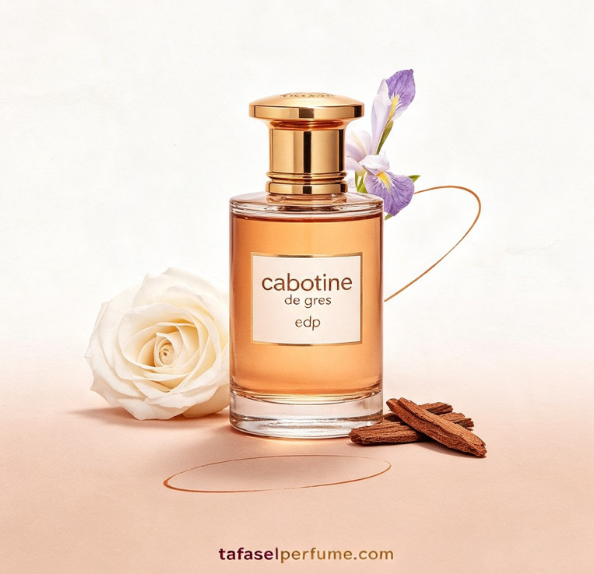
- Cabotine de Grès EDP · The Velvet Architecture of Floral Radiance & Green Chypre Soul: ✦ short essence — Cabotine de Grès EDP is a lush, green-floral symphony where dewy galbanum, luminous jasmine, and woody vetiver dance on a bed of clean musk. A timeless ode to nature’s untamed elegance.
Cabotine de Grès Eau de Parfum is not merely a fragrance; it is an olfactory painting of verdant gardens after spring rain. Launched in 1990, this floral chypre masterpiece by Grès carries the signature of perfumer Jean-Claude Delville, who sculpted a perfume that feels both classic and avant‑garde. The EDP concentration deepens the heart, wrapping tuberose, narcissus, and ylang‑ylang in a warm, slightly spicy embrace of sandalwood and amber. Unlike its lighter EDT sister, the EDP reveals a bolder, more persistent trail — a second skin that whispers of femininity without shouting. It is the scent of a woman who knows the language of flowers and forests, and who wears her contradictions with grace. Green, floral, woody, and tender — Cabotine de Grès EDP remains a hidden gem for connoisseurs who seek character over cliché.
⟡ explore the architecture
1. The Green Awakening — Galbanum & the Art of Freshness
2. Floral Heart Unveiled — Tuberose, Jasmine & Narcissus in Harmony
3. The Chypre Foundation — Vetiver, Sandalwood & Oakmoss Resonance
4. EDP vs. EDT — Intensity, Longevity & the Evolution of a Classic
5. The Bottle as Sculpture — Grès’s Architectural Aesthetic
6. Styling Cabotine — Seasons, Occasions & Layering Notes
7. Who Wears Cabotine de Grès Today? — Modern Reverie & Nostalgia
8. Behind the Perfume — Jean-Claude Delville’s Green Signature
1. The Green Awakening — Galbanum & the Art of Freshness
Cabotine de Grès EDP opens with an explosion of galbanum, a resinous green note that smells like crushed leaves and early morning mist. This is not a shy introduction; it is a declaration of vitality. The galbanum is brightened by a spark of bergamot and a hint of peach, adding a fruity whisper that softens the herbaceous edge. Together, they create a sensation of walking through a dew‑covered garden just as the sun breaks through the clouds. The green accord is crisp, almost bitter at first, but it quickly reveals a tender heart. This opening is what sets Cabotine apart from sweet, gourmand fragrances — it dares to be vegetal, alive, and slightly unpredictable. For those who love the scent of freshly cut grass or the tang of rhubarb, this is olfactory poetry in motion.
The EDP concentration amplifies this greenness, making it last longer on the skin than the EDT. The galbanum note, often used in chypre compositions, acts as a bridge to the floral heart, ensuring a seamless transition. It is a masterclass in balance: the sharpness never overwhelms, but instead invites curiosity. This is the fragrance equivalent of a brisk morning walk in a wild meadow — invigorating, yet deeply calming.
2. Floral Heart Unveiled — Tuberose, Jasmine & Narcissus in Harmony
As the green top notes settle, the heart of Cabotine de Grès EDP unfurls like a lush bouquet. Tuberose — creamy, narcotic, and slightly spicy — takes centre stage, but it is tempered by the indolic charm of jasmine and the poetic bitterness of narcissus. This trio creates a floral complexity that feels both classic and modern. The tuberose is not the heavy, solar type found in many white florals; instead, it is airy and luminous, supported by the green stems of the narcissus. A whisper of ylang‑ylang adds a tropical, honeyed nuance, while rose and carnation provide a subtle spiciness that keeps the composition from becoming too sweet.
In the EDP, these florals are richer and more tenacious. The jasmine absolute used in this version is deep and sensual, with a fruity undertone that lingers. This floral heart is not a wall of perfume; it is a tapestry of petals, each note discernible yet woven into a cohesive whole. It evokes the feeling of standing in a greenhouse filled with exotic blooms — intoxicating, yet grounded by the earthy greenness that persists from the opening.
3. The Chypre Foundation — Vetiver, Sandalwood & Oakmoss Resonance
The base of Cabotine de Grès EDP is where the chypre soul truly shines. Vetiver provides a dry, earthy smokiness that anchors the floral exuberance. Sandalwood adds a creamy, balsamic warmth, while oakmoss — though now used in compliance with modern regulations — imparts a mossy, forest‑floor depth that is the hallmark of classic chypres. A touch of amber and musk rounds out the composition, giving it a skin‑like sensuality that lasts for hours. The base is not heavy or cloying; instead, it feels like a gentle embrace, with the vetiver and sandalwood creating a sophisticated dry‑down that is both comforting and intriguing.
This foundation ensures that the perfume evolves beautifully over time. The green and floral notes slowly fade, leaving a trail of woody, mossy elegance that is unmistakably French. It is this base that makes Cabotine de Grès EDP a perfect choice for cooler weather, yet its lightness prevents it from feeling oppressive. The chypre structure gives the perfume a timeless quality, connecting it to the grand tradition of perfumery while remaining utterly original.
4. EDP vs. EDT — Intensity, Longevity & the Evolution of a Classic
Many fragrance lovers wonder about the difference between the Eau de Parfum and Eau de Toilette versions of Cabotine de Grès. The EDP is more concentrated, with a higher percentage of perfume oils, resulting in a richer, more intense scent profile. The opening is bolder, the florals more opulent, and the base more tenacious — lasting easily 8+ hours on the skin. The EDT, by contrast, is lighter and more fleeting, with a sharper green opening and a softer dry‑down. The EDP also emphasises the tuberose and sandalwood, giving it a creamier, more voluptuous character.
For those who appreciate a statement fragrance, the EDP is the definitive choice. It projects beautifully without being overwhelming, and it evolves differently on each wearer, thanks to the richness of its composition. The EDT is perfect for daytime or warmer weather, while the EDP shines in the evening or during cooler months. Both are beautiful, but the EDP captures the full vision of the perfumer — a lush, green chypre that demands attention and rewards patience.
5. The Bottle as Sculpture — Grès’s Architectural Aesthetic
Cabotine de Grès is housed in a bottle that is as distinctive as the fragrance itself. Designed with clean, geometric lines, the flacon resembles a minimalist sculpture — a nod to the house of Grès’s heritage in fashion and design. The bottle is often presented in a soft, muted green box, echoing the perfume’s verdant heart. The glass is thick and heavy, with a stopper that feels substantial in the hand. This attention to packaging reflects the brand’s commitment to artistry and luxury.
The bottle’s form is both modern and timeless, making it a beautiful object to display on a vanity. It stands out among the crowd of round or overly ornate perfume bottles, speaking to a refined, intellectual elegance. For collectors, the Cabotine de Grès bottle is a piece of design history — a reminder that perfume is not just about scent, but also about the visual and tactile experience that surrounds it.
6. Styling Cabotine — Seasons, Occasions & Layering Notes
Cabotine de Grès EDP is a versatile fragrance that adapts to different moods and settings. Its green‑floral character makes it ideal for spring and summer, when the fresh notes feel most alive. However, the warm, woody base also makes it suitable for autumn and winter, especially when layered with a subtle vanilla or oud oil to add depth. For daytime wear, two spritzes on the pulse points are enough to create a luminous aura; for evenings, a third spray on the back of the neck adds drama.
It pairs beautifully with fresh, clean linens and floral prints, evoking a sense of effortless chic. For a more sensual vibe, layer it with a musk‑based body oil to enhance the longevity. Cabotine also works wonderfully as a signature scent for those who love classic chypres but want something with a modern, green twist. It is equally at home in a boardroom, a garden party, or a romantic dinner — a true chameleon of the fragrance world.
7. Who Wears Cabotine de Grès Today? — Modern Reverie & Nostalgia
While Cabotine de Grès was launched in the early 1990s, it has found a new audience among younger perfume enthusiasts who are rediscovering the beauty of green chypres. It appeals to those who are tired of overly sweet, gourmand fragrances and yearn for something more complex and natural. The perfume is often described as “nostalgic” by those who remember its original release, but for new wearers, it feels fresh and unconventional.
Cabotine is for the confident individual — someone who appreciates art, nature, and the subtle power of a well‑crafted scent. It is unapologetically feminine, but its green, woody elements give it an androgynous edge that also attracts men who enjoy floral chypres. In an era of niche and indie perfumes, Cabotine de Grès stands as a testament to the enduring appeal of classic French perfumery, proving that true craftsmanship never goes out of style.
8. Behind the Perfume — Jean‑Claude Delville’s Green Signature
The nose behind Cabotine de Grès is Jean‑Claude Delville, a perfumer known for his mastery of green and floral notes. Delville has created numerous fragrances for prestigious houses, but Cabotine remains one of his most beloved works. His signature is a delicate balance between freshness and sensuality, often using galbanum, vetiver, and white flowers to create compositions that are both vibrant and sophisticated.
Delville’s approach to Cabotine was to capture the essence of a garden in bloom — not a manicured French garden, but a wild, untamed one. He used high‑quality natural ingredients, including jasmine absolute and tuberose, to achieve a richness that is rare in contemporary perfumery. His work on Cabotine de Grès EDP is a masterclass in composition, where every note has a purpose and every transition feels effortless. It is a fragrance that rewards those who take the time to appreciate its complexity.
Frequently Asked Questions about Cabotine de Grès EDP
Absolutely. Its green‑floral freshness makes it perfect for daily use, especially in spring and summer. The EDP concentration ensures you don’t need to reapply often, making it a practical yet luxurious choice.
The EDP is richer, more intense, and longer‑lasting. It has a deeper tuberose and sandalwood presence, while the EDT is lighter and more fleeting. Many fans prefer the EDP for its boldness and complexity.
It is a floral chypre with dominant green, white floral, and woody notes. It sits beautifully between classic chypres and modern green florals, making it a versatile and timeless scent.
Yes! While marketed towards women, the green and woody notes (galbanum, vetiver, oakmoss) give it an androgynous appeal. Many men who appreciate floral chypres enjoy wearing it.
On average, it lasts between 8 to 12 hours on the skin, with moderate to strong sillage. The base notes of sandalwood and musk ensure a lingering, comforting dry‑down.
Yes, it remains in production and is available through select retailers and online perfume boutiques. Its cult status ensures that it continues to be cherished by a dedicated following.


