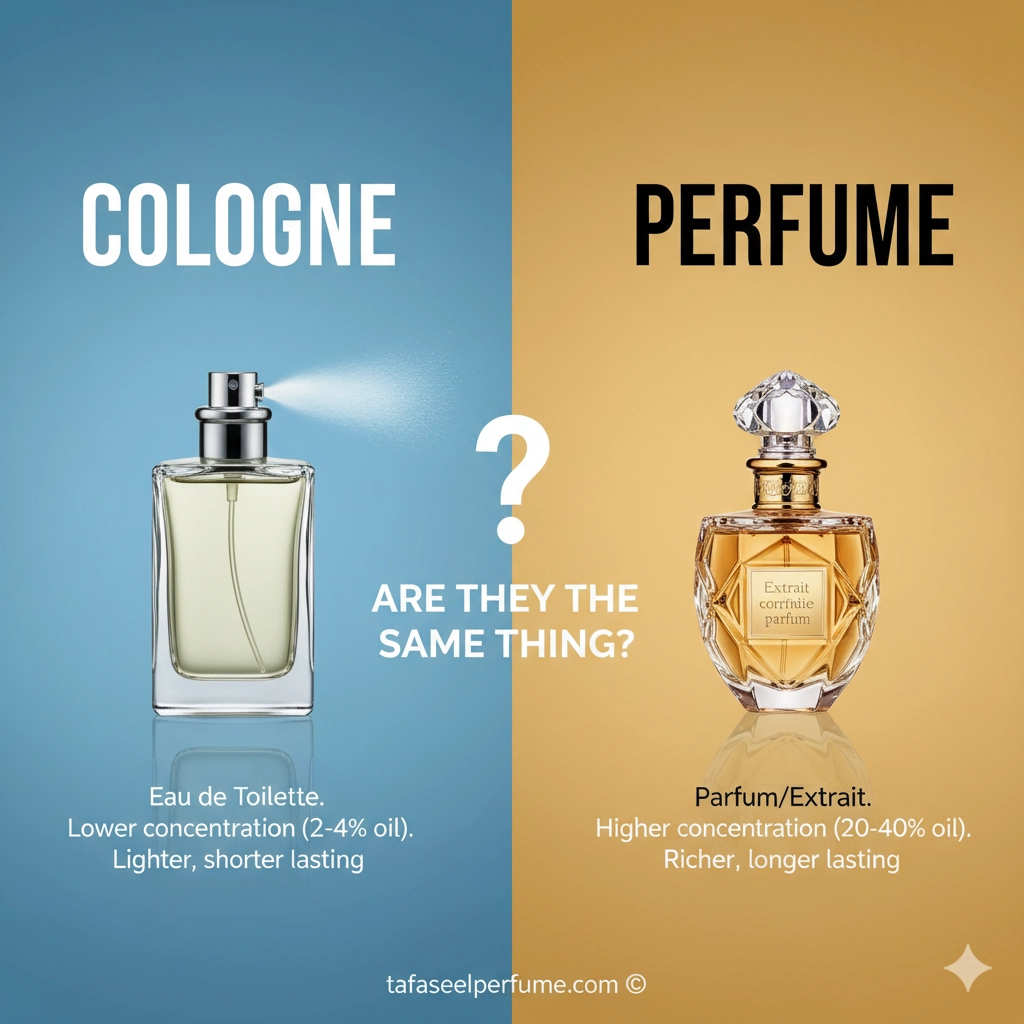
- Are Cologne and Perfume the Same Thing? Understanding Fragrance Types, Strength, and Identity: Short Introduction: Many people use the terms “cologne” and “perfume” interchangeably, but they are not technically the same. This guide explains the key differences in concentration, longevity, and usage so you can choose the right fragrance with confidence.
Long Introduction: The world of fragrance is structured around concentration levels, alcohol composition, and olfactory intensity. While both cologne and perfume serve the same fundamental purpose—providing a pleasant scent—their formulation standards differ significantly. These differences affect how long the scent lasts, how it projects, and even how it is traditionally marketed across genders and regions. Understanding these distinctions helps you make informed decisions when selecting a signature scent or building a fragrance wardrobe.
True Perfume: The Science and Soul of Authentic Fragrance Identity
Fresh Smelling Perfumes for Ladies: A Complete Guide to Clean, Elegant Scent
Xerjoff Alexandria II: Why Is This Luxury Oud Fragrance So Highly Revered?
What Are the Top Ten Male Fragrances You Should Try Right Now?
Where Can You Find the Best Perfume Shop Near Me for Quality and Variety?
Table of Contents
1. What Defines Cologne vs Perfume - Basic structural differences in fragrance categories.
2. Fragrance Concentration Levels Explained - How oil percentage changes scent strength.
3. Longevity and Skin Performance - Why perfumes last longer than colognes.
4. When to Use Cologne or Perfume - Situational and lifestyle considerations.
5. Gender and Marketing Misconceptions - How labeling affects perception.
6. Price Differences and Value - Cost factors behind fragrance types.
7. How to Choose the Right Fragrance - Practical selection strategy.
1. What Defines Cologne vs Perfume
Cologne and perfume differ primarily in aromatic oil concentration. Perfume (often labeled as “parfum”) contains a higher percentage of fragrance oils, typically resulting in a richer and longer-lasting scent profile. Cologne, on the other hand, contains a lower concentration, making it lighter, fresher, and more volatile. This structural difference directly impacts how each fragrance behaves on the skin over time.
2. Fragrance Concentration Levels Explained
Fragrance types are categorized by oil concentration: parfum, eau de parfum, eau de toilette, and eau de cologne. Perfume sits at the top of the concentration scale, often ranging from 20% to 30% oils, while cologne typically contains around 2% to 5%. This hierarchy determines intensity, projection, and longevity, making concentration the most important technical distinction in perfumery.
3. Longevity and Skin Performance
Because perfume contains a higher oil ratio, it adheres to skin and clothing for a longer duration, sometimes lasting an entire day or more. Cologne evaporates faster due to its higher alcohol content, resulting in a shorter scent life. Environmental factors such as humidity, skin type, and temperature can further influence how each performs.
4. When to Use Cologne or Perfume
Cologne is often preferred for daytime wear, casual environments, or hot climates due to its lighter profile. Perfume is typically chosen for evening events, formal occasions, or situations where a stronger scent presence is desired. Understanding context helps you avoid overpowering or underwhelming fragrance application.
5. Gender and Marketing Misconceptions
Historically, cologne has been marketed toward men and perfume toward women, but this distinction is not chemically or structurally based. Modern fragrance culture increasingly embraces unisex compositions, emphasizing scent preference over gender labeling. Many contemporary fragrances challenge traditional categorization entirely.
6. Price Differences and Value
Perfume is generally more expensive due to its higher concentration of essential oils and more complex formulation process. Cologne is typically more affordable, reflecting its lighter composition and faster evaporation rate. However, value is subjective and depends on how often and in what context the fragrance is used.
7. How to Choose the Right Fragrance
Choosing between cologne and perfume depends on personal preference, lifestyle, and desired intensity. If you prefer subtle, refreshing scents, cologne is suitable. If you want depth, complexity, and long-lasting presence, perfume is the better option. Testing on skin before purchase is essential, as chemistry varies by individual.
FAQs
Q1: Are cologne and perfume the same thing?
No, they differ mainly in fragrance oil concentration, which affects strength and longevity.
Q2: Why does perfume last longer than cologne?
Perfume contains more essential oils and less alcohol, allowing it to evaporate more slowly.
Q3: Can men wear perfume instead of cologne?
Yes, fragrance choice is not gender-restricted; it depends on preference and occasion.
Q4: Is cologne weaker than perfume?
Yes, cologne generally has a lower concentration of fragrance oils, making it lighter and less long-lasting.
Q5: Which is better for daily use, cologne or perfume?
Cologne is often preferred for daily use due to its lighter and fresher scent profile, while perfume is better for long-lasting impact.


