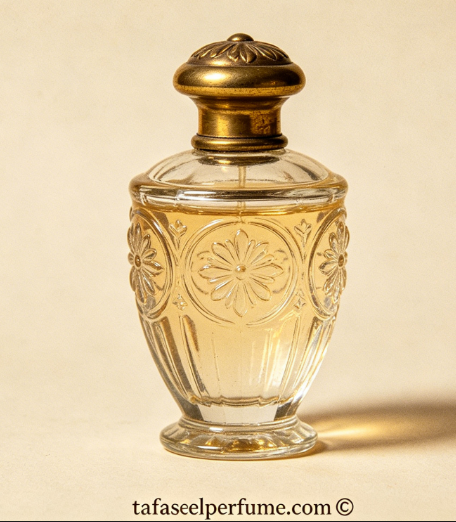
- 19th Century Perfume Bottles · The Alchemy of Glass & Memory: Short · The 19th century transformed perfume bottles from mere vessels into miniature works of art — etched with romance, industrial ingenuity, and the quiet poetry of a bygone era. Each flask tells a story of fragrance, fashion, and the human desire to capture the invisible.
Long · In the 19th century, perfume bottles evolved from simple utilitarian containers into coveted objets d’art. The Industrial Revolution brought new glassmaking techniques, while the rise of the bourgeoisie created a market for luxury and personal expression. From Baccarat’s crystal flacons to the delicate cameo bottles of the Victorian era, these vessels were designed to enchant before the first drop of fragrance touched the skin. They mirrored the age’s fascination with exoticism, nature, and the occult — each stopper, facet, and engraving a silent hymn to the art of perfumery. Today, these bottles are not just collectors’ treasures; they are time capsules of aesthetic sensibility, olfactory heritage, and the eternal human longing for beauty.
1. The Crystal Revolution
The 19th century ushered in a crystalline renaissance. With the invention of pressed glass and improved lead-crystal formulas, French and Bohemian glassworks began producing bottles that captured light as if they held liquid diamonds. The transparency of the glass became a canvas for the color of the perfume itself — amber, pale gold, deep violet — turning the bottle into a prism of olfactory desire. Brands of the era competed not only in scent but in the sheer brilliance of their flacons.
Innovations such as the use of molds allowed for intricate patterns — ribbed, faceted, and floral — that could be reproduced with astonishing consistency. Yet each piece retained a handmade soul, as artisans finished the rims and polished the surfaces by hand. The crystal bottle was no longer a container; it was an heirloom, a dowry piece, a statement of status and taste. Even today, the shimmer of a 19th-century crystal bottle evokes the gaslit salons and boudoirs where perfume was whispered as a secret language.
2. Victorian Cameo & Enamel
Queen Victoria’s reign brought a taste for sentimental ornamentation. Perfume bottles became miniature canvases for cameo reliefs, enamel paintings, and romantic motifs — roses, doves, lovers’ knots, and classical profiles. These bottles were often produced in collaboration with jewelers, using techniques borrowed from the decorative arts. The enamel was fired at low temperatures, creating a porcelain-like finish that contrasted beautifully with the polished glass beneath.
Collectors prize these cameo bottles for their narrative quality. Each one seems to whisper a Victorian love poem or commemorate a royal jubilee. The pastel hues — soft pinks, mint greens, powder blues — reflect the era’s fascination with the delicate and the refined. To hold such a bottle is to touch the sentimental heart of the 19th century, where perfume was both a private indulgence and a public emblem of refinement.
3. Baccarat & The Art of Light
No name is more synonymous with 19th-century perfume bottles than Baccarat. The legendary French crystal house produced flacons for the most prestigious perfumers of the age, including Lubin, Houbigant, and Guerlain. Baccarat’s genius lay in its ability to manipulate light — through diamond-point cutting, deep engraving, and the addition of gold or enamel accents. Their bottles were not merely functional; they were architectural, sculptural, and theatrical.
The famous ‘Baccarat Star’ — a sunburst motif cut into the base — became a mark of authenticity and excellence. These bottles were often presented in luxurious presentation boxes lined with silk and velvet, transforming the act of buying perfume into a ritual of luxury. Today, a Baccarat flacon from the 19th century can fetch extraordinary sums at auction, a testament to the enduring allure of light captured in glass.
4. Perfume & the Language of Flowers
The 19th century was deeply enamored with floriography — the language of flowers. Perfume bottles echoed this fascination, often shaped like blossoms or adorned with floral motifs. Rose, lily, violet, and jasmine were not just scents but symbols; a bottle shaped like a bouquet might contain a fragrance composed of its very flowers. This synergy between form and content created a poetic resonance that delighted the Victorian sensibility.
Many bottles featured hand-painted flowers or applied glass petals, blurring the line between vessel and sculpture. The floral bottle was an ode to nature, but also a memento mori — a reminder that beauty, like a bloom, is fleeting. Yet by capturing the scent of flowers in a crystalline vase, the perfumer seemed to arrest time itself. These bottles remain among the most coveted by collectors of antique perfumery.
5. The Black Glass Mystique
While clear and colored glass dominated, the 19th century also produced a fascination with opaque black glass. Often used for masculine fragrances or for ‘oriental’ perfumes, black glass bottles possessed a mysterious, almost occult allure. The darkness concealed the liquid within, inviting the user to rely on the sense of smell alone. Gilded lettering and intricate stoppers in the form of scarabs, crescents, or panthers enhanced the exotic mystique.
These bottles were frequently paired with scents that featured notes of amber, patchouli, and musk — ingredients associated with the East. The black glass flacon became a symbol of the unknown, of forbidden pleasures, and of the Victorian fascination with the Orient. In a period of rapid industrialization, the black glass bottle offered a portal to the magical and the mysterious.
6. Stopper as Signature
In the 19th century, the stopper was not an afterthought but a focal point. Ground-glass stoppers were precision-fitted to prevent evaporation, but they were also carved into miniature sculptures — faceted stars, crystal balls, floral buds, and even animal figures. The stopper was the first thing the eye met, and it set the tone for the entire olfactory experience. A well-made stopper was a promise of quality and a gesture of artistic intent.
Some stoppers were fitted with silver or gold collars, adding a touch of opulence. The interplay between the stopper and the neck of the bottle was a delicate engineering feat, requiring the skill of master glassmakers. For collectors, the stopper is often the key to a bottle’s identity and value. A missing or mismatched stopper can diminish a flacon’s allure, while a perfect original stopper elevates it to a work of art.
7. Travel Flacons & the Grand Tour
The 19th-century aristocrat traveled with style — and that included portable perfume. Travel flacons were designed to be robust yet elegant, often encased in leather, silver, or wooden boxes. These miniature bottles were made to survive carriage rides and sea voyages, with screw tops or metal caps that prevented leakage. They were the companions of the Grand Tour, the great European journey undertaken by young gentlemen and ladies of means.
Many travel flacons featured elaborate cases with compartments for multiple scents, reflecting the era’s love for variety. The bottles themselves were often made of thick glass with protective metal mounts. To hold a travel flacon is to imagine the excitement of departure, the scent of a foreign city, and the luxury of carrying one’s personal fragrance across continents.
8. Etching, Gilding & the Hand of Artisan
The 19th century was the golden age of glass decoration. Acid etching, wheel engraving, and gilding were used to create intricate patterns on perfume bottles. These techniques required immense skill and patience; a single bottle might take weeks to decorate. The motifs ranged from classical arabesques to neoclassical garlands, from Orientalist fantasies to romantic landscapes.
Gilding — the application of gold leaf or gold paint — added a luminous richness that caught the candlelight of the era. Over time, gilding may wear, but the ghost of that golden brilliance remains, telling the story of a bottle that once stood on a vanity table in a gaslit boudoir. These hand-decorated bottles are not just functional objects; they are artifacts of a world before mass production, where each piece bore the unique touch of its maker.
9. Collecting 19th Century Bottles Today
Today, collecting 19th-century perfume bottles is a passionate pursuit. Museums, auction houses, and private collectors prize these flacons for their historical significance and aesthetic beauty. The market values rarity, condition, and provenance — a bottle once owned by a royal house or a celebrated perfumer can command extraordinary prices. But beyond investment, collectors are drawn by the intangible magic of these objects: the stories they hold, the hands that have touched them, the scents that once filled them.
Restoring a 19th-century bottle is a delicate art, requiring knowledge of period materials and techniques. Some collectors seek out bottles with their original labels or stoppers, while others are drawn to the imperfect — a tiny chip that speaks of age and use. In a world of digital ephemera, these glass treasures offer a tangible connection to an era of elegance, craftsmanship, and olfactory poetry.
Frequently Asked Questions
Most were made of lead crystal, glass (clear, colored, or opaque), and occasionally porcelain or enameled metal. Baccarat and Saint-Louis were renowned for their high-quality crystal. Stoppers often used ground glass, silver, or gold-plated mounts.
Look for signs of hand-finishing: uneven mold seams, polished pontil marks, and subtle asymmetry. Engraving should feel delicate and precise. Original labels, if present, are often fragile and yellowed. Provenance and maker’s marks (like Baccarat’s star) are valuable clues.
Rarity, condition, artistic merit, and association with a famous perfumer or royal figure drive value. Bottles with intact original stoppers, exceptional decoration, or historical significance are especially prized. The market has seen strong appreciation for top-tier examples.
Not at all. While many elaborate bottles were marketed to women, there was a robust market for masculine scents, often housed in darker, more geometric bottles, or in travel flacons with metal casings. The 19th century saw a diversification of perfume marketing.
It enabled mass production of glass using molds, making bottles more affordable. However, the finest flacons were still hand-finished. New techniques like pressed glass and improved annealing allowed for greater variety and complexity in design.
Baccarat and Saint-Louis crystal flacons are highly sought after, especially those with original gilding and enamel. Cameo bottles by French makers like Cristalleries de Baccarat or English cameo glass from Thomas Webb are also extremely desirable.
Yes. While museum-quality pieces are expensive, many charming, less-elaborate bottles remain accessible. Estate sales, antique fairs, and online auctions often offer interesting examples for modest sums, especially if they have minor wear or missing stoppers.
Handle with care; avoid exposing to extreme temperatures or direct sunlight. Clean gently with distilled water and a soft cloth — never use harsh chemicals. If storing, place in a padded box. For valuable pieces, consult a conservation specialist.
In memory of the scented centuries — each bottle a poem in glass.


