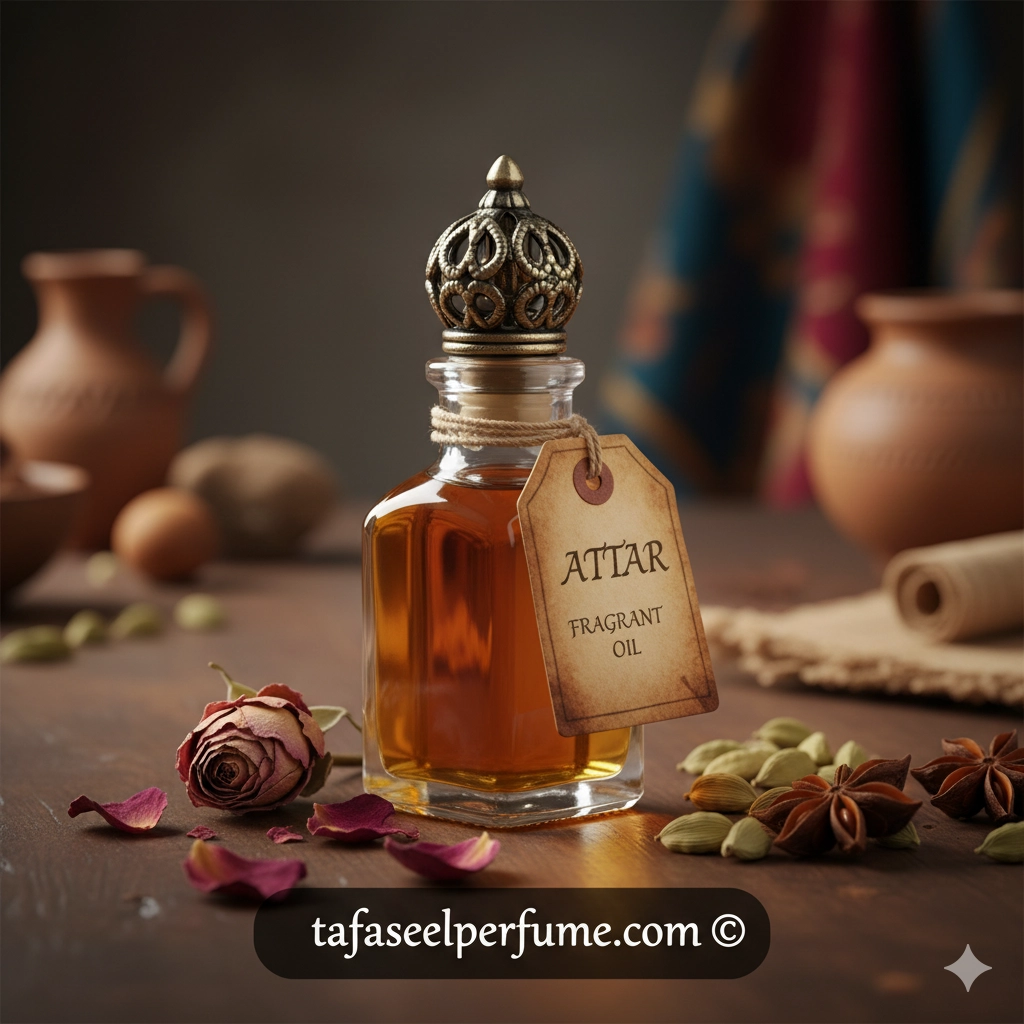
- Word for Fragrant Oil: Exploring the Meaning, Uses, and Terminology Behind Aromatic Oils: When searching for the perfect word for fragrant oil, you may encounter terms such as essential oil, perfume oil, aromatic extract, essence, attar, or fragrance oil. Each term carries its own history, purpose, and significance within the world of perfumery and aromatherapy.
Fragrant oils have been cherished for centuries across cultures for their ability to create memorable scents, enhance personal grooming routines, and enrich living spaces. Whether used in luxury perfumes, spa treatments, scented candles, or skincare products, fragrant oils remain a cornerstone of the fragrance industry. Understanding the vocabulary associated with these aromatic substances helps consumers, collectors, and fragrance enthusiasts communicate more effectively and make informed purchasing decisions. In this guide, we will explore various words used for fragrant oils, their meanings, applications, and their role in modern fragrance culture.
Contents
1. What Is Another Word for Fragrant Oil?
A look at common synonyms and industry terminology.
2. The Difference Between Essential Oils and Fragrance Oils
Understanding the distinctions between natural and synthetic aromatic oils.
3. The Historical Meaning of Attar and Perfume Oils
Discovering traditional fragrant oil terminology.
4. Why Fragrant Oils Are Popular Today
Examining their growing role in beauty and wellness.
5. Common Uses of Fragrant Oils
Exploring practical applications in everyday life.
6. Choosing the Right Fragrant Oil
Tips for selecting oils based on preferences and needs.
1. What Is Another Word for Fragrant Oil?
The phrase word for fragrant oil can refer to several terms depending on context. Common alternatives include essence, aromatic oil, perfume oil, fragrance oil, scented extract, attar, and essential oil. In perfumery, perfume oil often refers to concentrated scent compounds blended with carrier oils, while essential oils are extracted directly from botanical materials.
Many fragrance enthusiasts who enjoy reading resources such as CH Fragrance Guide: Discover the Elegance and Signature Style of CH Perfumes frequently encounter these terms when comparing scent compositions and fragrance concentrations.
Understanding the correct terminology helps consumers navigate product labels, fragrance reviews, and perfume descriptions more confidently.
2. The Difference Between Essential Oils and Fragrance Oils
Although often used interchangeably, essential oils and fragrance oils are distinct products. Essential oils are naturally extracted from flowers, leaves, woods, roots, and other botanical sources. Fragrance oils, on the other hand, may contain natural ingredients, synthetic ingredients, or a combination of both.
Natural essential oils are popular in aromatherapy and wellness applications, while fragrance oils are widely used in perfumes, candles, soaps, and cosmetic products because they offer greater scent stability and creative flexibility.
Consumers exploring categories such as Spa & Fragrance often discover a wide variety of aromatic oils designed for relaxation, home scenting, and personal care.
Both types of oils play important roles in modern fragrance creation and offer unique advantages depending on the intended use.
3. The Historical Meaning of Attar and Perfume Oils
One of the oldest words associated with fragrant oil is attar. Originating in the Middle East and South Asia, attars are natural perfume oils traditionally distilled from flowers, herbs, spices, and woods into a sandalwood base.
For centuries, attars were considered luxury products reserved for royalty, scholars, and merchants. Their concentrated nature allowed wearers to enjoy long-lasting fragrance without alcohol-based formulations.
Modern perfume oils continue this tradition by providing rich aromatic experiences. Readers interested in fragrance heritage often enjoy articles such as Christian Dior Perfume Forever and Ever: The Timeless Elegance of Scent, which showcase how fragrance craftsmanship has evolved while preserving historical influences.
4. Why Fragrant Oils Are Popular Today
Fragrant oils remain highly sought after because they offer versatility, longevity, and customization. Unlike some alcohol-based sprays that evaporate quickly, many perfume oils remain close to the skin and develop gradually throughout the day.
Consumers appreciate fragrant oils for personal scenting, meditation practices, home fragrance products, and luxury beauty routines. The growing popularity of niche perfumery has also increased interest in concentrated fragrance formats.
Shoppers browsing collections such as Unisex Perfume and Men s Perfume often discover perfume oils that provide unique scent experiences not commonly found in mainstream fragrances.
The ability to layer oils and create personalized scent profiles further contributes to their widespread appeal.
5. Common Uses of Fragrant Oils
Fragrant oils are utilized across numerous industries. In perfumery, they serve as primary scent ingredients. In skincare, they add pleasant aromas to lotions, creams, and body products. Home fragrance manufacturers use them in diffusers, candles, wax melts, and room sprays.
Beauty enthusiasts exploring Women s Perfume selections often encounter perfume oils marketed as elegant alternatives to traditional sprays. Likewise, fragrance collectors interested in unique scent presentations frequently explore concentrated oil formats.
Fragrant oils are also common in spa environments, where they contribute to relaxing atmospheres and sensory experiences designed to enhance wellness treatments.
6. Choosing the Right Fragrant Oil
Selecting the ideal fragrant oil depends on personal preference, intended application, and desired scent profile. Floral lovers may prefer rose, jasmine, or lavender oils, while those seeking warmth may gravitate toward sandalwood, amber, vanilla, or oud-based blends.
Individuals seeking luxury fragrance inspiration often read content such as Clive Christian Jump Up And Kiss Me Ecstatic: The Ultimate Luxury Fragrance to understand how premium scent ingredients contribute to exceptional olfactory experiences.
Whether choosing an essential oil, fragrance oil, attar, or perfume oil, understanding the terminology behind the word for fragrant oil helps consumers identify products that align with their scent preferences and lifestyle needs.
Frequently Asked Questions About Word for Fragrant Oil
FAQ 1: What is the most common word for fragrant oil?
The most common terms include fragrance oil, perfume oil, aromatic oil, essential oil, and essence. The appropriate term depends on the product's composition and intended use.
FAQ 2: Is perfume oil the same as fragrant oil?
Perfume oil is a type of fragrant oil specifically formulated for personal fragrance use. Not all fragrant oils are intended to be worn on the skin.
FAQ 3: What does attar mean?
Attar refers to a traditional natural perfume oil distilled from botanical materials and commonly associated with Middle Eastern and South Asian perfumery traditions.
FAQ 4: Are essential oils considered fragrant oils?
Yes. Essential oils are a category of fragrant oils extracted from natural plant materials and valued for both aroma and wellness applications.
FAQ 5: Which fragrant oil lasts the longest?
Oils containing rich base notes such as oud, sandalwood, patchouli, amber, and musk generally provide longer-lasting fragrance experiences.
FAQ 6: Where can I learn more about perfumes and fragrance oils?
Fragrance enthusiasts can explore resources such as Perfume, Brands, and Ranking to discover additional fragrance guides, reviews, and industry insights.


