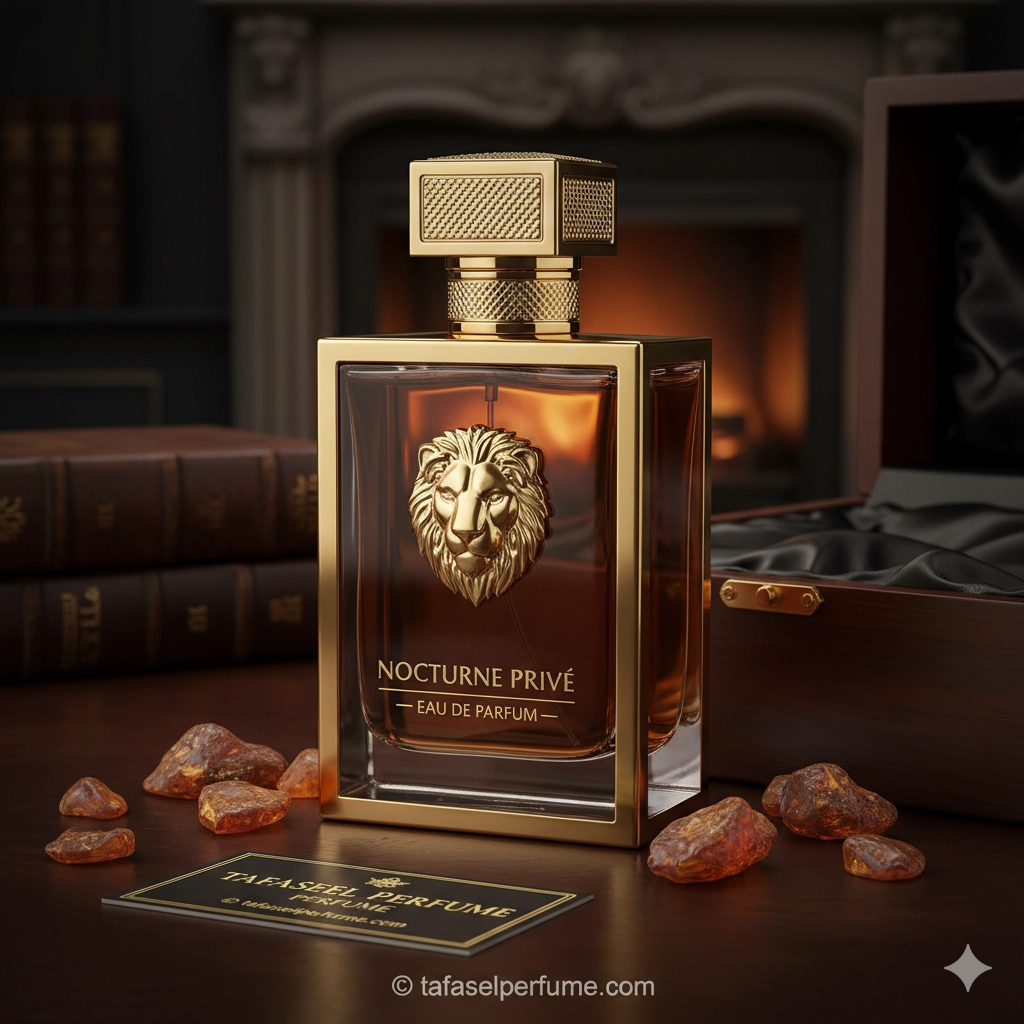
- Why Some Men's Cologne Is So Expensive — A Practical Guide: Short intro: Discover why mens cologne expensive items command high prices — from rare raw materials and brand prestige to concentration and craftsmanship.
Long intro: The world of men's cologne ranges from affordable everyday sprays to ultra-luxury scents that cost hundreds or even thousands of dollars. When a fragrance is labeled as expensive, that price reflects a mix of factors: the rarity and quality of raw ingredients (natural absolutes like oud, jasmine, or iris), the concentration of aromatic oils (parfum vs. eau de toilette), the house or perfumer's heritage, bespoke packaging and presentation, and distribution strategy. Collectors and connoisseurs also pay for exclusivity — limited editions, numbered releases, or small-batch productions raise value. This guide breaks down the principal reasons behind high-priced men's colognes, offers practical buying tips, and highlights how to evaluate whether an expensive bottle is worth the investment for your personal collection. For further reading on fragrance categories and recommendations, explore related resources such as Unisex Perfume and curated Brands.
Column lead: Below are several focused topics (n = 7) that explain different angles of why a men's cologne may be expensive and how to decide if it belongs in your rotation.
Short: Premium natural materials and rare absolutes drive up production costs and final retail price.
2. Perfume Concentration and Longevity
Short: Higher oil concentrations (parfum/extrait) last longer and typically cost more per milliliter.
3. Master Perfumer & Brand Prestige
Short: The perfume house or famed perfumer name adds intangible value and collectibility.
4. Limited Editions & Small-Batch Runs
Short: Scarcity and numbered releases create demand among collectors and resellers.
5. Packaging, Design, and Presentation
Short: Luxury bottles, custom caps, and artisan packaging increase production expense and perceived value.
6. Marketing, Distribution, and Exclusivity
Short: Selective retail channels, celebrity endorsements, and boutique experiences raise the price tag.
7. Resale Value and Investment Potential
Short: Some bottles appreciate or retain value, turning fragrance into a collectible asset; see related Ranking features for insight.
1. Ingredient Rarity and Cost
Deep dive: One of the clearest reasons a men's cologne is expensive stems from its raw materials. Natural absolutes such as oud (agarwood), Siamese frankincense, Mysore sandalwood, and vegetable-derived iris butter require intensive, time-consuming harvesting and extraction processes. For example, quality oud is produced by infected agarwood trees that may take decades to form resinous heartwood — and yields are tiny relative to weight, so a single kilogram can cost thousands of dollars. Synthetic molecules can be cheaper, but perfumers often blend rare naturals with synthetics for character; when the naturals dominate the formula, the cost rises. Additionally, farming practices (wild-harvest vs. sustainably farmed), geographic origin, and labor intensity affect price. Buyers should check ingredient lists and brand transparency: some houses publish origin stories for key absolutes, while others hide behind generic labels. If scent depth, complexity, and authenticity are priorities, paying premium for rare ingredients can be justified — but evaluate whether those notes actually appeal to your nose before committing to an expensive bottle. For broader context on product categories and gift ideas, consult sections such as Perfume Gift Sets and Men s Perfume.
2. Perfume Concentration and Longevity
Deep dive: Fragrance concentration is a technical and practical factor in pricing. Perfumes are typically sold in concentrations ranging from eau de cologne (very light) to eau de toilette, eau de parfum, and parfum/extrait (heaviest). Higher concentrations use a greater proportion of aromatic oils relative to alcohol and solvent, which means more actual fragrance material per milliliter. Since aroma chemicals and naturals are the expensive component, a parfum with 20–30% concentration can cost markedly more to produce than an eau de toilette at 5–10%. Beyond raw cost, longevity and projection improve with concentration; a small splash of high-concentration parfum may last all day, making its cost-per-wear more attractive. However, concentration labeling is not standardized between houses: some brands achieve excellent longevity with moderate concentration through clever formulation, while others rely on sheer oil percentage. When evaluating an expensive cologne, test for dry-down behavior and wear-time to assess whether the higher price buys meaningful performance gains.
3. Master Perfumer & Brand Prestige
Deep dive: The name attached to a fragrance matters. Legacy houses with centuries of history — or contemporary niche labels led by celebrated master perfumers — build brand equity that allows higher pricing. Consumers purchase not only scent but the story: craftsmanship, heritage, and the designer or perfumer's reputation. A famous perfumer’s signature on a bottle functions much like an artist's signature on a painting; collectors value provenance. Marketing narratives, collaborations with celebrities or couture brands, and a curated distribution strategy (flagship boutiques, exclusive counters) reinforce prestige. That said, brand premium doesn't guarantee superior raw materials or better smelling product — it reflects perceived status. Savvy buyers should sample scents blind when possible to separate the fragrance quality from branding, and consult reputable reviews or technical breakdowns to determine whether the prestige premium aligns with substance.
4. Limited Editions & Small-Batch Runs
Deep dive: Scarcity increases price. Limited editions, numbered releases, and artisan small-batch productions create urgency and perceived rarity among collectors. When a house releases a run of 500 bottles with artisan blown-glass caps and hand-numbered labels, the marginal cost per bottle is higher and the resale/collector market value can be elevated. Furthermore, small-batch runs may use select vintages of natural materials (e.g., a single-origin jasmine harvest) that are not repeatable, adding narrative and singularity. For prospective buyers, limited editions are attractive if you value exclusivity; however, ensure the aroma satisfies you first, since scarcity may tempt buyers into purchases driven more by scarcity than scent enjoyment. Track lists and curated features like Perfume reviews to learn about true rarity versus marketing spin.
5. Packaging, Design, and Presentation
Deep dive: Luxury packaging is a nontrivial contributor to final retail price. Designer bottles, custom-fabricated caps, hand-applied foils, boxed presentation, and limited-edition artist collaborations all raise production costs and consumer perception of value. Some houses commission bespoke glass molds, metallic plating, or leather-wrapped cases — each element increases unit cost and suggests a luxury object rather than a commodity. Packaging also affects gifting appeal and shelf presence; brands invest in design to convey heritage and justify higher margins. When assessing an expensive men's cologne, consider whether the packaging adds practical value (durability, refillability) or primarily symbolic value. If sustainability matters to you, look for refillable parfum systems that lower long-term cost per wear while maintaining premium scent quality.
6. Marketing, Distribution, and Exclusivity
Deep dive: How a fragrance is marketed and where it is sold dictates part of the sticker price. Selective retail strategies — selling only in flagship boutiques, via invitation-only events, or through high-end retailers — create an aura of exclusivity and allow higher margins. Extensive advertising campaigns, celebrity endorsements, and crafted sensory retail experiences (in-store scent bars, private consultations) are expensive to run and factor into price. Additionally, taxes, import duties, and luxury tariffs in certain markets increase the final consumer price. If you prioritize access and brand experience, paying for a bottle through exclusive channels may suit you; if you prioritize value, explore authorized online specialists and reputable outlets where distribution overhead is lower.
7. Resale Value and Investment Potential
Deep dive: Some men's colognes function as collectibles. Limited runs, discontinued formulations, or vintage bottles in pristine condition can retain or increase value over time. Auction houses and enthusiast communities track rare releases and assign premium valuations. However, turning fragrance into an investment requires knowledge: storage conditions (stable temperature, minimal light), original packaging, and documentation (numbered certificates) matter. Most mainstream fragrances do not appreciate; only a niche subset with historical significance, rarity, and strong collector demand do. If investment potential interests you, study secondary-market trends and consult resources and rankings to identify historically appreciating labels. For general lifestyle and beauty context, see the Beauty category to learn how fragrance fits broader grooming investments.


