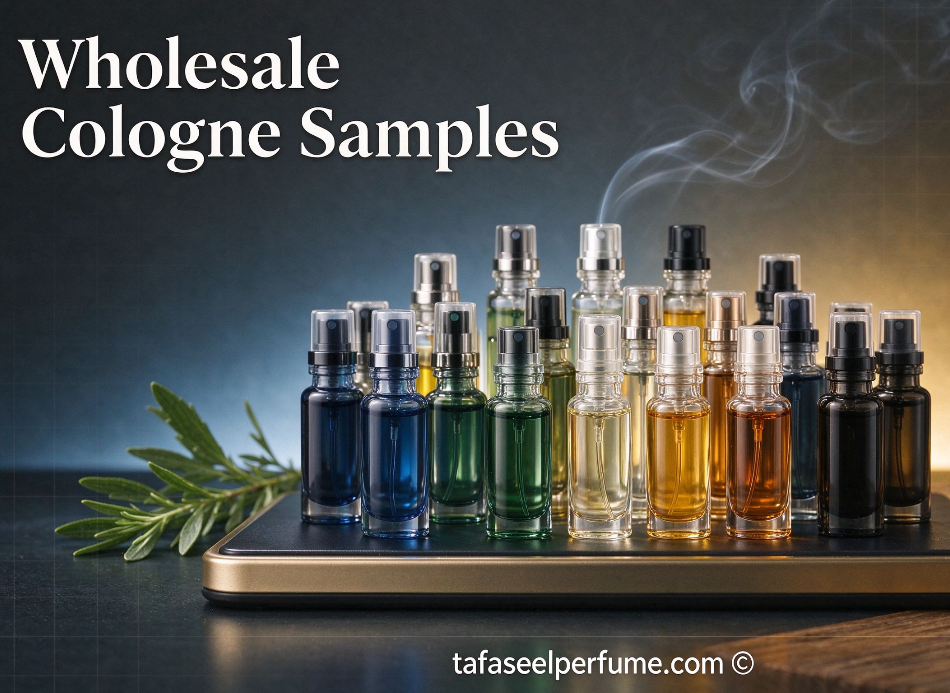
- Wholesale Cologne Samples: A Complete Guide to Buying, Comparing, and Sourcing Fragrance Samples in Bulk: Wholesale cologne samples offer retailers, fragrance distributors, online sellers, and independent businesses a practical way to explore different scents, introduce products to customers, and build a diverse fragrance collection without immediately purchasing large quantities of full-size bottles. Buying samples in bulk can support product testing, promotional campaigns, subscription boxes, gift packages, and customer discovery programs.
Whether you are launching a fragrance business, expanding an existing perfume store, or looking for affordable promotional products, understanding how wholesale cologne samples work can help you make better purchasing decisions. From sample sizes and packaging formats to supplier verification, pricing considerations, authenticity checks, and shipping requirements, every detail matters when sourcing fragrance products in bulk. A carefully planned purchasing strategy can reduce unnecessary inventory costs while helping your business offer customers more opportunities to discover fragrances they enjoy.
Wholesale cologne samples are small quantities of fragrance purchased in bulk from suppliers, wholesalers, distributors, or authorized fragrance businesses. They may come in spray vials, miniature bottles, sample cards, discovery sets, or other compact formats. Their primary purpose is to allow customers and businesses to evaluate fragrances before committing to larger purchases. For retailers, samples can become useful sales tools because fragrance preferences are personal, and customers often want to experience how a scent develops on their skin before buying a full-size product.
However, wholesale purchasing requires more than comparing the lowest advertised price. Buyers should examine product authenticity, fragrance labeling, concentration information, packaging quality, supplier policies, minimum order quantities, and shipping arrangements. Some suppliers specialize in manufacturer-produced promotional samples, while others offer independently packaged decants or generic fragrance testers. These products are not necessarily interchangeable, and businesses should describe them accurately to customers. Understanding these differences helps establish realistic expectations and protects the reputation of a fragrance business.
Table of Contents
1. What Are Wholesale Cologne Samples?
Understand what bulk fragrance samples are, how they are packaged, and why businesses purchase them.
2. Why Businesses Buy Cologne Samples in Bulk
Explore the commercial advantages of samples for retailers, distributors, and fragrance entrepreneurs.
3. Different Types of Wholesale Cologne Samples
Compare spray vials, miniature bottles, sample cards, discovery kits, and tester formats.
4. How to Find Reliable Wholesale Cologne Suppliers
Learn how to evaluate suppliers, verify business information, and assess product quality.
5. Authentic Cologne Samples Versus Generic Alternatives
Understand the differences between branded promotional samples, decants, and inspired fragrances.
6. Wholesale Cologne Sample Pricing and Minimum Orders
Discover the factors that influence bulk pricing, minimum quantities, and overall purchasing costs.
7. Choosing the Right Sample Sizes and Packaging
Review practical packaging options for retail displays, promotional campaigns, and customer gifts.
8. How Retailers Can Use Cologne Samples to Increase Sales
Learn how sampling programs can support product discovery, customer engagement, and repeat purchases.
9. Wholesale Cologne Samples for Online Fragrance Stores
Explore how online retailers can present samples, create discovery collections, and improve product descriptions.
10. Packaging, Storage, and Shipping Considerations
Understand how to protect fragrance samples during storage, handling, and transportation.
11. Building a Profitable Cologne Sample Collection
Develop a balanced selection of fragrances based on customer preferences and business goals.
12. Common Mistakes to Avoid When Buying Wholesale Cologne Samples
Identify purchasing risks involving authenticity, pricing, supplier communication, and inventory management.
13. Wholesale Cologne Samples for Gifts and Promotional Campaigns
Discover how small fragrance formats can support gift bundles, seasonal promotions, and branded experiences.
14. Frequently Asked Questions About Wholesale Cologne Samples
Find answers to common questions about bulk ordering, authenticity, sample sizes, and suppliers.
1. What Are Wholesale Cologne Samples?
Wholesale cologne samples are small fragrance products purchased in quantities intended for business use, resale where permitted, customer testing, or promotional distribution. Unlike standard full-size cologne bottles, samples contain relatively small amounts of fragrance, allowing buyers to explore several scents without purchasing an entire collection. They are commonly used by perfume retailers, department stores, online fragrance businesses, distributors, subscription services, and independent fragrance consultants.
Sample formats vary according to the supplier and product. A traditional fragrance vial may contain a small amount of liquid with a simple applicator or spray mechanism. Miniature bottles offer a more substantial presentation and may resemble the design of the original fragrance packaging. Sample cards and fragrance strips provide a convenient way to introduce scent impressions, although they do not offer the same skin-testing experience as liquid samples. Discovery sets combine multiple fragrances into one organized package.
Wholesale purchasing allows businesses to obtain multiple samples in one order, often with pricing structures based on quantity, brand, packaging, or product category. Buyers should check whether the supplier is offering genuine manufacturer-produced samples, authorized promotional merchandise, independently prepared decants, or generic alternatives. These distinctions affect how the products can be marketed and what customers should expect.
For businesses entering the fragrance market, samples can provide a relatively accessible starting point. Instead of investing immediately in a large assortment of full-size bottles, retailers can evaluate customer interest through smaller products. This approach can help identify popular fragrance families, understand buying patterns, and determine which products deserve a larger inventory investment.
2. Why Businesses Buy Cologne Samples in Bulk
Buying cologne samples in bulk can help fragrance businesses improve product variety while controlling inventory commitments. Customers often have different preferences regarding fresh, woody, spicy, aromatic, citrus, and sweet fragrance profiles. A store that offers several sample options can serve a wider range of shoppers than a business that focuses on only a few full-size bottles.
One major advantage is product discovery. Customers who are unfamiliar with a fragrance may hesitate to purchase a full bottle based only on an online description or advertisement. A sample provides an opportunity to evaluate the opening impression, development, and dry-down of a scent. This experience can make customers more confident when deciding whether a larger purchase is appropriate.
Bulk samples can also support promotional activities. Retailers may include selected fragrance samples with qualifying orders, create seasonal discovery packages, or offer trial products during product launches. Businesses that sell perfume gift sets can also consider small fragrance samples as complementary items when the product combination and packaging are appropriate.
Another benefit is market research. A retailer can introduce different fragrance profiles to a small group of customers and collect feedback before committing to larger purchases. This helps businesses understand which scent categories attract attention, which packaging formats customers prefer, and what price points may be commercially realistic. The information can guide future wholesale orders and inventory planning.
3. Different Types of Wholesale Cologne Samples
Wholesale cologne samples are available in several formats, and each format serves a different purpose. Spray vials are popular because they allow customers to apply fragrance directly to their skin or clothing when the product instructions permit. Their compact design makes them suitable for sample collections, promotional packages, and online orders. Buyers should check the actual fill volume, spray mechanism, and packaging specifications before purchasing.
Miniature fragrance bottles provide a more substantial presentation. They may feature small versions of familiar bottle designs and can be attractive additions to gift collections or specialty retail displays. However, miniature bottles are not automatically the same as official promotional samples. Buyers should confirm the manufacturer, packaging origin, and product description before advertising them as authentic branded miniatures.
Fragrance sample cards are another option. These cards are generally designed to introduce a scent through an absorbent surface, making them useful for in-store demonstrations and promotional mailings. They are convenient and lightweight, but they do not replace a liquid fragrance sample when a customer wants to evaluate performance on skin.
Discovery sets combine multiple fragrance samples in one package. They can be organized around scent families, occasions, seasons, or a particular brand collection. For example, a retailer could develop a fresh fragrance discovery set for customers who prefer clean and energetic scents or a warm collection featuring amber, vanilla, and woody profiles. Businesses should clearly identify the contents, sample volumes, and product origins of each set.
4. How to Find Reliable Wholesale Cologne Suppliers
Finding a reliable supplier is one of the most important steps when purchasing wholesale cologne samples. A low price may appear attractive, but it does not guarantee product authenticity, consistent quality, or dependable delivery. Buyers should begin by identifying suppliers that specialize in fragrance distribution, cosmetics wholesale, authorized brand merchandise, or clearly documented sample products.
Before placing a large order, examine the supplier's business identity, contact information, product catalog, purchasing conditions, and return policies. A professional supplier should be able to explain where products come from, how samples are packaged, and whether the items are manufacturer-produced, independently decanted, or generic alternatives. If a supplier cannot provide clear answers about product origin, buyers should treat that uncertainty as a purchasing risk.
Requesting a small trial order is a useful way to evaluate a supplier. Examine packaging consistency, labeling, product condition, delivery time, and communication quality. If the order contains branded samples, verify that the branding and product descriptions match the documentation provided. Keep invoices, order confirmations, and supplier correspondence for future reference.
Businesses should also compare suppliers based on more than unit price. Shipping fees, customs charges, minimum order quantities, payment conditions, damaged-product procedures, and replenishment reliability can significantly influence the real cost of an order. A supplier with slightly higher prices may offer better long-term value if product quality and delivery performance are consistent.
5. Authentic Cologne Samples Versus Generic Alternatives
Not every product advertised as a wholesale cologne sample is an official sample produced by a fragrance manufacturer. Buyers should distinguish between original promotional samples, authorized retail testers, independently prepared decants, and generic or inspired fragrances. These categories may look similar in online photographs, but they have different product origins and should be described accurately.
Original promotional samples are produced or supplied through a brand's authorized distribution arrangements. Their packaging may include brand identification, fragrance information, and a stated sample volume. Availability varies by brand and market. Buyers who want to resell or distribute these products should verify the supplier's authorization and any applicable resale conditions.
Decants are smaller quantities transferred from a larger fragrance bottle into separate containers. They may provide customers with an opportunity to test a fragrance, but they are not automatically official manufacturer samples. The business preparing decants should follow applicable labeling, hygiene, packaging, and consumer protection requirements. Product descriptions should clearly identify the format and avoid implying that independently packaged decants are factory-sealed promotional products.
Generic and inspired fragrances are separate products. They may be designed around a particular fragrance style or scent family, but they should not be presented as genuine branded cologne. Retailers must use accurate descriptions and respect trademarks, brand names, and applicable advertising laws. Transparency is especially important when customers are paying a premium for a product they believe is an original branded sample.
6. Wholesale Cologne Sample Pricing and Minimum Orders
The cost of wholesale cologne samples depends on several variables, including fragrance brand, sample volume, packaging format, product origin, order quantity, and supplier distribution arrangements. A small spray vial may have a different unit cost from a miniature bottle or a multi-piece discovery set. Genuine branded samples may also have different pricing and availability from independently prepared decants or generic fragrance products.
Minimum order quantities are another important consideration. Some suppliers may allow small mixed orders, while others require buyers to purchase a fixed quantity of one product or packaging format. A business should compare the minimum order requirement with its expected sales volume and available storage space. Ordering more samples than customers are likely to use can create unnecessary inventory costs.
When comparing quotations, calculate the complete landed cost rather than focusing only on the listed unit price. Include product cost, shipping, insurance where appropriate, customs duties, taxes, packaging materials, and any handling charges. For products that require special transportation procedures, confirm whether the supplier's shipping quotation covers the applicable requirements.
Retailers should also consider the commercial purpose of each sample. A sample intended for free promotion may have a different budget from one sold as an individual product or included in a paid discovery set. Establishing a clear pricing strategy helps businesses understand whether samples are intended to generate direct revenue, encourage full-size purchases, or strengthen customer relationships.
7. Choosing the Right Sample Sizes and Packaging
Selecting the right sample size depends on how customers will use the product and how the business intends to distribute it. Very small vials are suitable for brief introductions and promotional campaigns, while larger spray samples may provide more opportunities to evaluate a fragrance over several applications. Miniature bottles can create a premium presentation, particularly when included in carefully designed gift packages.
Packaging should protect the fragrance and communicate product information clearly. Spray vials should have secure closures, suitable materials, and reliable mechanisms. Boxes and sleeves should be strong enough to protect fragile containers during handling. Labels should identify the product correctly and provide any information required by applicable regulations.
Businesses should avoid assuming that every sample format is suitable for every fragrance. Certain containers may be incompatible with particular formulations or storage conditions. Suppliers should be able to explain their packaging specifications and recommend suitable options for the products being ordered.
Presentation also influences customer perception. A clean, organized discovery set can make a group of inexpensive samples feel more valuable and easier to explore. Retailers can arrange samples by fragrance family, occasion, or scent character, while keeping the product names and descriptions easy to understand. For inspiration, businesses can study different fragrance profiles through guides such as Polo Cologne Original.
8. How Retailers Can Use Cologne Samples to Increase Sales
Cologne samples can become an effective part of a retail sales strategy because fragrance is difficult to evaluate through photographs and written descriptions alone. Customers may understand that a product is described as fresh, woody, spicy, or aromatic, but they still need to experience the scent to decide whether it suits their preferences. Offering samples creates a practical connection between online product information and personal fragrance discovery.
In physical stores, samples can support guided product recommendations. Sales staff can ask customers about preferred scent families, intended occasions, and fragrance intensity before suggesting a small selection. Rather than overwhelming shoppers with dozens of options, a focused group of samples can make the decision process easier and more personal.
Online retailers can use samples as introductory products or complementary items. For example, a customer purchasing a full-size fragrance may receive a sample from a different scent family. This can encourage future exploration and provide the business with useful feedback about customer interests. Any promotional offer should clearly state its conditions, including eligibility, product selection, and availability.
Retailers can also organize sample collections around customer needs. A professional fragrance selection might include clean and understated options, while a seasonal collection could feature warmer or fresher profiles depending on the time of year. Businesses can connect these collections with broader categories such as men's perfume and unisex perfume, helping customers navigate products according to their preferences rather than relying exclusively on gender-based assumptions.
9. Wholesale Cologne Samples for Online Fragrance Stores
Online fragrance stores can use wholesale samples to create a more interactive shopping experience. Since customers cannot smell a product through a screen, detailed product information and trial options are especially valuable. Sample listings should explain the fragrance name, available size, format, concentration when verified, product origin, and any relevant usage information.
Product photography should accurately represent the sample being sold. A photograph of a full-size designer bottle should not be used in a way that suggests the customer will receive that bottle when the actual item is a small decant or generic vial. Clear photographs of the actual packaging help reduce misunderstandings and improve customer confidence.
Search engine optimization can also support sample sales. Product pages should use natural language around phrases such as wholesale cologne samples, bulk fragrance samples, men's fragrance discovery sets, and mini cologne collections where those descriptions accurately reflect the inventory. Avoid repeating keywords excessively. Helpful explanations of sample volume, packaging, fragrance character, and purchasing conditions are more useful than pages created solely to repeat search phrases.
Online stores should provide clear policies covering damaged items, shipping restrictions, returns, and product authenticity. Fragrance products may be subject to transportation rules because many contain alcohol or other regulated ingredients. Sellers should confirm carrier requirements and applicable regulations before promising delivery to particular destinations.
10. Packaging, Storage, and Shipping Considerations
Proper storage and shipping procedures help maintain the condition of wholesale cologne samples. Fragrances should generally be kept away from excessive heat, direct sunlight, and unnecessary temperature fluctuations. The exact storage recommendations depend on the formulation and manufacturer's instructions, so businesses should follow the product documentation rather than applying one assumption to every fragrance.
Packaging should prevent leakage, breakage, and unnecessary movement during transportation. Small spray vials and miniature bottles should be secured inside suitable protective materials. Outer cartons should be appropriate for the quantity and weight of the order, and fragile products should receive sufficient protection. Businesses receiving large shipments should inspect the cartons and document any visible damage before accepting or processing the inventory.
Shipping deserves particular attention because many colognes contain alcohol and may be classified as flammable liquids. Transportation requirements can vary according to the formulation, package size, shipping method, destination, and applicable carrier rules. Buyers should ask suppliers to confirm that products are packaged, declared, and shipped through compliant channels. International orders may involve additional customs documentation and restrictions.
After delivery, organize samples by product name, batch or lot information when available, supplier, and receipt date. A basic inventory record helps staff identify older stock, monitor product movement, and trace supplier information if a quality issue arises. These procedures are useful even for businesses that begin with relatively small wholesale orders.
11. Building a Profitable Cologne Sample Collection
A profitable sample collection should reflect the preferences of the intended customer base. Rather than purchasing every fragrance that a supplier offers, businesses should develop a balanced assortment based on recognizable scent families, price expectations, seasonal interests, and customer feedback. A carefully selected collection is often easier to explain and manage than a large assortment with no clear organization.
Fresh and citrus fragrances may appeal to customers looking for light, everyday options. Woody, aromatic, and spicy profiles can serve shoppers who prefer more structured or distinctive scents. Sweet, amber, and gourmand styles may attract customers interested in warmer fragrance experiences. A retailer can explore these categories through fragrance education, including articles such as Fall Gourmand Perfume.
Inventory planning should begin with realistic sales estimates. Track which samples receive the most interest, which collections generate repeat orders, and which products remain unsold. Customer comments can reveal whether a particular fragrance is too strong, too sweet, too fresh, or simply not aligned with the store's audience. These observations can guide future wholesale purchasing decisions.
Profitability should be evaluated across the complete customer journey. A sample may produce limited direct revenue but encourage a later full-size purchase. Another sample may perform well as part of a paid discovery set. Businesses should measure the results of each strategy separately instead of assuming that every sample must generate the same type of return.
12. Common Mistakes to Avoid When Buying Wholesale Cologne Samples
One common mistake is purchasing large quantities before testing the supplier. Attractive photographs and low prices do not establish product authenticity or quality. A small initial order can reveal problems with packaging, leakage, labeling, delivery, and communication before a business commits to a larger investment.
Another mistake is failing to distinguish original samples from decants and generic alternatives. Product descriptions should identify exactly what customers are receiving. Misrepresenting a decant as a factory-produced sample or an inspired fragrance as an original designer product can create disputes, damage customer trust, and expose a seller to legal or platform-related problems.
Some buyers also overlook additional costs. Shipping, taxes, customs charges, packaging, storage, and payment fees can significantly change the final purchase price. Comparing suppliers only by their advertised unit prices may lead to an inaccurate estimate of profitability.
Inventory imbalance is another frequent issue. Purchasing too many samples from one fragrance family can limit customer choice and tie up money in slow-moving products. Businesses should use sales records and customer feedback to guide future orders. It is also important to review product labeling, supplier documentation, shipping rules, and any restrictions that apply to the intended sales market.
13. Wholesale Cologne Samples for Gifts and Promotional Campaigns
Wholesale cologne samples can be useful additions to gift packages, promotional campaigns, customer loyalty programs, and seasonal collections. Their compact size makes them easy to combine with other fragrance and personal care products. A business might create a discovery package containing several scent profiles or include a small sample with a qualifying purchase to introduce customers to another product category.
Gift presentation should match the target audience and occasion. A simple selection of fresh fragrances may work for an everyday discovery package, while warmer and richer profiles may be appropriate for autumn or winter collections. Retailers can also organize samples around different preferences, such as office-friendly scents, evening fragrance styles, or versatile everyday options.
Businesses that offer women's fragrance products can explore complementary collections through resources such as women's perfume. For a broader presentation, a discovery package could include several fragrance styles rather than limiting the selection to one customer category. The most important consideration is that every item should be accurately described and appropriate for the intended recipient.
Promotional campaigns should clearly communicate whether samples are free gifts, paid products, limited-time offers, or components of a larger bundle. If a campaign includes branded samples, retailers should confirm that the product origin and promotional use are permitted. Clear communication helps customers understand the offer and creates a more professional buying experience.
14. Frequently Asked Questions About Wholesale Cologne Samples
What are wholesale cologne samples?
Wholesale cologne samples are small fragrance products purchased in bulk for testing, retail distribution where permitted, promotional campaigns, discovery sets, or customer giveaways. They may be supplied as spray vials, miniature bottles, sample cards, or other compact formats.
Can I buy wholesale cologne samples for a small business?
Yes. Many fragrance businesses use samples to introduce customers to different scents without maintaining a large inventory of full-size bottles. Small businesses should compare suppliers, minimum order quantities, product formats, and total purchasing costs before ordering.
Are all wholesale cologne samples authentic?
No. The term does not automatically guarantee authenticity. Some products are official manufacturer samples, while others are independently prepared decants or generic alternatives. Buyers should verify product origin and ensure that listings describe the products accurately.
What is the difference between a cologne sample and a decant?
A manufacturer sample is generally produced or distributed through a brand's authorized product channels. A decant is fragrance transferred from a larger bottle into a smaller container. Both may allow customers to test a scent, but they have different origins and should not be marketed as the same product.
What sizes are available for wholesale cologne samples?
Available sizes depend on the supplier and product. Samples may come in small spray vials, larger travel-style containers, miniature bottles, or multi-size discovery collections. Always check the stated volume rather than relying on product photographs.
Can wholesale cologne samples be resold?
Resale depends on the product's origin, supplier agreement, brand restrictions, local laws, and marketplace policies. Buyers should confirm that the specific product can legally and contractually be resold before listing it for customers.
How do I find a trustworthy wholesale cologne supplier?
Look for suppliers with verifiable business information, transparent product descriptions, clear purchasing policies, and consistent communication. Request documentation when appropriate and consider placing a small trial order before making a large commitment.
Do wholesale suppliers have minimum order quantities?
Many suppliers set minimum quantities, but requirements vary. Some allow mixed fragrance orders, while others require buyers to purchase a fixed number of samples or one particular packaging format. Confirm the minimum before arranging payment.
Are wholesale cologne samples suitable for promotional gifts?
Yes, provided the products are appropriate for promotional distribution and comply with relevant brand, labeling, and safety requirements. Samples can be included in gift packages, customer orders, loyalty rewards, and fragrance discovery campaigns.
How should cologne samples be stored?
Follow the manufacturer's storage instructions and generally avoid excessive heat, direct sunlight, and unnecessary temperature changes. Keep containers securely closed and organize inventory so that product information and supplier records remain accessible.
Can I create my own cologne discovery sets using wholesale samples?
Businesses may be able to assemble discovery sets using products they are permitted to distribute or resell. They should accurately identify each fragrance, its volume, and its packaging origin, while following applicable labeling, trademark, and consumer protection requirements.
Why are some wholesale cologne samples more expensive than others?
Pricing can depend on brand, fragrance formulation, product volume, packaging, authenticity, order quantity, and supplier availability. Official branded promotional samples may have a different cost structure from independently packaged decants or generic fragrance products.
Can wholesale cologne samples be shipped internationally?
International shipping depends on the fragrance formulation, alcohol content, package size, destination regulations, customs requirements, and carrier policies. Buyers should confirm shipping eligibility and documentation with the supplier and transportation provider before ordering.
How can samples help an online fragrance store increase sales?
Samples give online shoppers an opportunity to experience fragrances before purchasing full-size bottles. They can also support discovery bundles, promotional offers, and recommendations based on customer preferences. Accurate descriptions and clear product photographs are essential.
Should I buy one fragrance in bulk or several different fragrances?
The best approach depends on your customer base, sales data, and purchasing budget. A mixed collection can help test demand across different scent families, while larger quantities of proven products may be more suitable after customer preferences become clear.
What should I check before paying for a wholesale order?
Review the supplier's identity, product descriptions, sample volumes, authenticity information, minimum order quantity, total landed cost, payment terms, shipping arrangements, and return or damage policies. Keep written records of the agreed order details.
Are wholesale cologne samples good for starting a fragrance business?
They can be a practical way to introduce fragrance products and evaluate customer interest with smaller product formats. However, a successful business also requires reliable sourcing, accurate product information, compliant packaging, effective marketing, and careful inventory management.
Conclusion: Making Smarter Decisions When Buying Wholesale Cologne Samples
Wholesale cologne samples can provide valuable opportunities for fragrance retailers, online sellers, distributors, and independent entrepreneurs. They make it easier to introduce different scents, create discovery collections, test customer preferences, and support promotional campaigns without immediately investing in a large selection of full-size products.
The most important part of the purchasing process is choosing the right supplier and understanding exactly what each product represents. Buyers should verify authenticity, compare packaging formats, examine minimum order quantities, calculate complete costs, and confirm applicable shipping and resale requirements. Accurate descriptions are especially important when distinguishing official promotional samples from decants and generic alternatives.
With a balanced product assortment, reliable sourcing, and thoughtful customer education, wholesale cologne samples can become a useful part of a long-term fragrance retail strategy. Businesses that prioritize product transparency, consistent quality, and customer feedback are better positioned to build trust and develop a fragrance collection that reflects genuine market demand.


