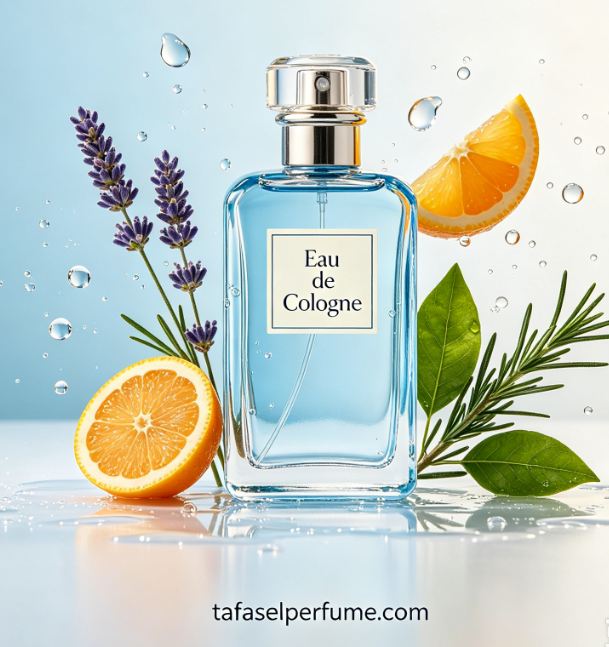
- What Is Eau de Cologne? · The Essence, History & Modern Allure: Eau de Cologne is more than a fragrance — it’s a heritage of citrus, herbs, and a whisper of wood. Light, fresh, and unmistakably timeless, it sits between a splash and a statement.
Eau de Cologne (often simply called “Cologne”) has been a cornerstone of perfumery for over three centuries. Born in 18th‑century Cologne, Germany, this iconic scent was originally crafted as a “miracle water” — a refreshing tonic that blended bergamot, lemon, orange, neroli, and lavender with a hint of rosemary and petitgrain. Unlike heavier perfumes, Eau de Cologne is defined by its low concentration of essential oils (typically 2‑5%) and a bright, effervescent character. Today, it transcends gender, season, and occasion. Whether you reach for a classic 4711 or a modern reinterpretation, Eau de Cologne remains the ultimate expression of fresh elegance. In this guide, we explore its history, composition, and how to choose the perfect cologne for your everyday ritual.
In this article
1. The Birth of Eau de Cologne 2. What Makes a True Cologne? 3. Citrus, Neroli & The Classic Pyramid 4. Eau de Cologne vs. Eau de Toilette 5. How to Wear Cologne (Like a Pro) 6. Unisex Appeal: Why Cologne Belongs to Everyone 7. Modern Cologne: Niche & Artisan Blends 8. The Ritual of Layering 9. Finding Your Signature Cologne1. The Birth of Eau de Cologne
In 1709, an Italian perfumer named Giovanni Maria Farina settled in Cologne, Germany, and created a fragrance he called “Eau de Cologne” — a name that honoured his new hometown. He described it as a scent that reminded him of a fresh spring morning in his native Italy, with notes of citrus and wildflowers. The recipe was a closely guarded secret, but its fame spread across European royalty. By the 19th century, 4711 (the iconic German brand) had turned cologne into a household name. Today, the original Farina recipe is still produced, and the term “Eau de Cologne” has become a generic category, yet its historical roots remain deeply cherished.
Interestingly, the original cologne was sold as a “tonic water” and even ingested for health benefits — a practice long abandoned, but a charming piece of its quirky past. The blend of bergamot, lemon, and orange peel gave it a zesty, invigorating character that was unlike the heavy, musk-based perfumes of the era. For a deeper dive into the history of classic scents, you might enjoy exploring perfume brands that carry this tradition forward.
2. What Makes a True Cologne?
In perfumery, “Eau de Cologne” refers specifically to a fragrance with a low oil concentration — usually between 2% and 5% — diluted in alcohol and water. This makes it lighter, more fleeting, and perfect for a refreshing spritz that doesn’t overwhelm. The citrus-forward profile is mandatory: bergamot, lemon, orange, and often neroli or petitgrain. A true cologne also has a short longevity (2‑4 hours), which invites reapplication throughout the day — part of its ritual charm. Many modern “colognes” for men actually have higher concentrations (Eau de Toilette or even Eau de Parfum), but the classic definition stays true to that light, sparkling nature. If you’re curious about the full spectrum, check out the men’s perfume collection for modern interpretations.
3. Citrus, Neroli & The Classic Pyramid
The heart of any Eau de Cologne is its olfactive pyramid. The top notes are an explosion of citrus — bergamot, lemon, and bitter orange — sometimes with a pinch of rosemary or lavender for a herbal twist. The heart, or middle notes, often feature neroli (orange blossom), petitgrain, or jasmine, adding a floral‑green warmth. The base is whisper‑thin: a touch of musk, cedar, or oakmoss provides just enough structure without weighing it down. This minimalist pyramid is what gives cologne its signature “sparkle” and makes it a favourite for warm weather. For a contemporary take on floral notes, you may like the women’s perfume selection, which often reinterprets these classic materials.
4. Eau de Cologne vs. Eau de Toilette
One of the most common confusions is the difference between Eau de Cologne and Eau de Toilette. While both are light, the key distinction lies in concentration and longevity. Eau de Cologne has 2‑5% oil, whereas Eau de Toilette ranges from 5‑15%. This means that Eau de Toilette lasts longer (4‑6 hours) and has a more robust body. However, cologne’s brevity is not a flaw — it’s an invitation to refresh, to reapply, and to experience the fragrance in layers throughout the day. Many men mistakenly think “cologne” is a masculine term, but historically it is gender‑neutral. For unisex options that blur the lines, the unisex perfume category is a wonderful place to explore.
5. How to Wear Cologne (Like a Pro)
Wearing cologne is an art, not a chore. Because of its low concentration, you can be generous — spritz on pulse points like the wrists, neck, and behind the ears. The warmth of these areas helps diffuse the citrusy notes. You can also spray it onto your clothing (though citrus oils may stain light fabrics), or even into the air and walk through it for an all‑over veil. Many aficionados recommend applying right after a shower, when your skin is still slightly damp, to lock in the freshness. And don’t be shy: reapply every 3‑4 hours to maintain that just‑spritzed feeling. For a complete grooming ritual, consider pairing with a matching deodorant & antiperspirant to keep the aura clean.
6. Unisex Appeal: Why Cologne Belongs to Everyone
In the 20th century, marketing divided fragrances into “for him” and “for her,” but the original Eau de Cologne was always a unisex product. The citrus‑herbal profile is inherently neutral — fresh, clean, and uplifting — making it a favourite among all genders. Today, many niche houses release colognes as “shared” scents, celebrating its inclusive heritage. Whether you’re drawn to the classic Italian‑style cologne or a modern, woody iteration, you’ll find that the lightness of cologne adapts to anyone’s chemistry. The unisex perfume page offers a curated list of colognes that defy traditional boundaries.
7. Modern Cologne: Niche & Artisan Blends
While the classic cologne recipe is iconic, contemporary perfumers have reimagined the genre. Niche brands experiment with unexpected ingredients — from pink pepper and cardamom to smoky tea and even aquatic notes — while maintaining the signature lightness. Artisan colognes often use higher‑quality natural essential oils, elevating the freshness to a luxurious level. Some modern colognes also incorporate a slightly higher concentration (up to 8%) to extend wear, yet they preserve the vibrant, transparent character. If you’re looking for exclusive releases, the perfume ranking section highlights the most sought‑after colognes of the season.
8. The Ritual of Layering
Layering is a secret weapon for cologne lovers. Because cologne is light, it serves as an excellent base or top layer in a fragrance wardrobe. You can start with a cologne spritz, then add a body lotion or scented oil in a complementary note (like sandalwood or vanilla) to create a custom blend. Alternatively, layer two different colognes — one citrus‑heavy, one slightly floral — for a unique signature. This ritual not only personalises your scent but also extends its presence. For extra inspiration, explore the perfume gift sets that often include layering companions.
9. Finding Your Signature Cologne
Choosing the perfect Eau de Cologne is a journey. Start by identifying your preferred citrus note: do you lean towards the sharpness of lemon, the sweetness of orange, or the complexity of bergamot? Then, consider the herbal or floral accents — lavender, rosemary, neroli, or petitgrain. Sample a few classic and modern colognes, and wear each for a full day to see how it interacts with your skin chemistry. Remember, the best cologne is the one that makes you feel refreshed and confident. And don’t forget to check the perfume articles for expert reviews and comparisons.
• Beauty tips • Tafaseel collection • Body art • Makeup tools • Skin care


