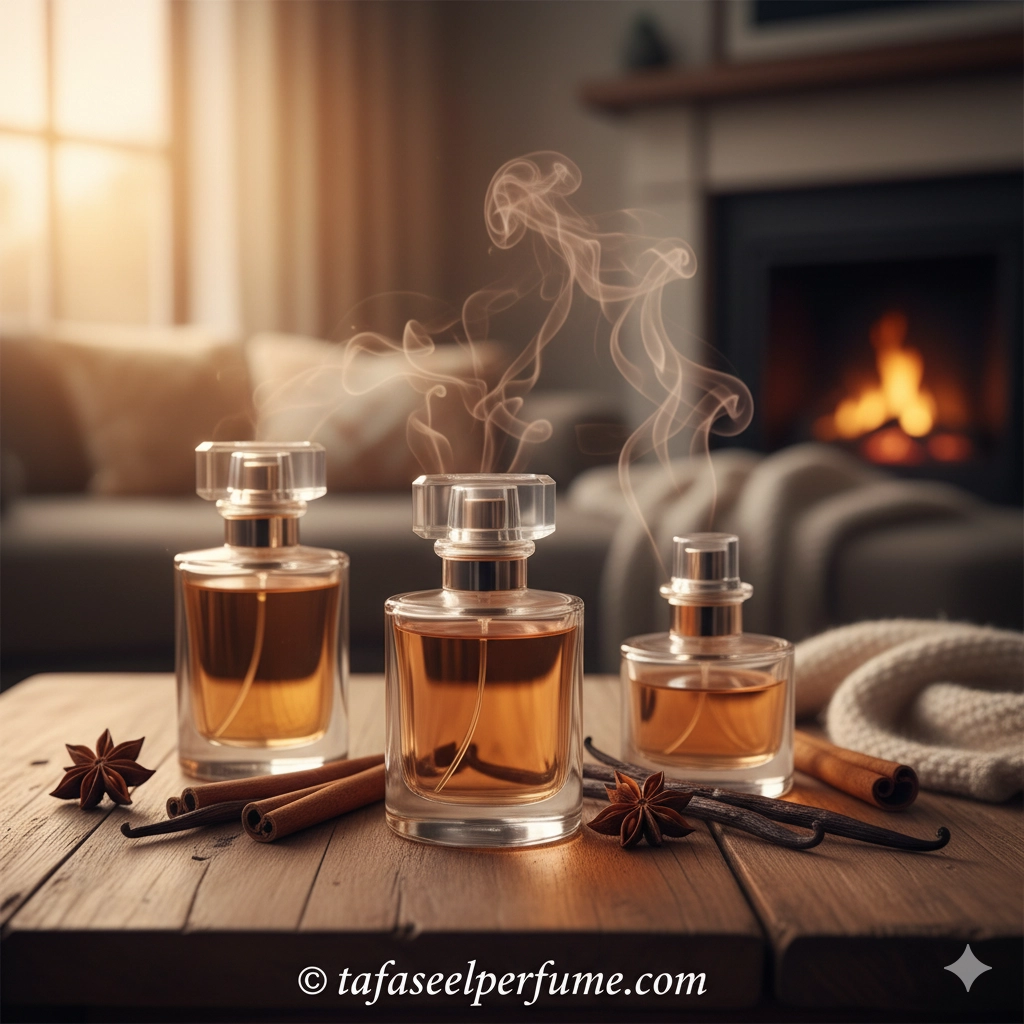
- What Are Warm Smelling Perfumes and Why Are They So Irresistible?: Warm smelling perfumes are beloved for their comforting, sensual, and long-lasting scent profiles. These fragrances often feature notes like vanilla, amber, spices, woods, and resins that create a cozy yet sophisticated aura.
In the world of fragrance, warm scents occupy a unique emotional space. They are deeply associated with intimacy, confidence, and elegance. Unlike fresh or citrusy perfumes, warm smelling perfumes evolve slowly on the skin, revealing rich layers that feel luxurious and inviting. Whether used in cooler seasons or for evening wear, they provide a memorable olfactory signature that stands out.
Table of Contents
1. What Defines Warm Smelling Perfumes – Understanding their core scent structure
2. Key Notes in Warm Fragrances – The ingredients behind the warmth
3. When to Wear Warm Perfumes – Best occasions and seasons
4. Warm Perfumes for Men vs Women – Differences and overlaps
5. How to Choose the Right Warm Perfume – Practical selection tips
6. Longevity and Projection – Why warm scents last longer
7. Layering Warm Fragrances – Enhancing complexity
1. What Defines Warm Smelling Perfumes
Warm smelling perfumes are typically built around base-heavy compositions. Unlike light fragrances that evaporate quickly, warm scents rely on dense molecular structures that linger on the skin. These fragrances often include gourmand, oriental, and woody accords, giving them depth and richness. The sensation they evoke is similar to warmth itself—comforting, enveloping, and slightly seductive.
For example, exploring fragrance guides like Fragrance White Musk: Timeless Soft Clean Perfume Guide can help you understand how base notes contribute to scent longevity and warmth.
2. Key Notes in Warm Fragrances
The backbone of warm perfumes lies in specific ingredients. Vanilla adds sweetness and creaminess, while amber provides a resinous, slightly powdery warmth. Sandalwood and cedarwood contribute depth, and spices like cinnamon or cardamom add a subtle heat.
Luxury fragrance houses often combine these notes with modern elements, as seen in Jean Paul Gaultier New Perfume: A Bold Evolution of Modern Fragrance Identit, where warm accords meet bold contemporary twists.
3. When to Wear Warm Perfumes
Warm perfumes perform best in cooler weather because heat amplifies their richness. Autumn and winter are ideal seasons, but they are also perfect for evening events year-round. Their heavier composition makes them suitable for formal settings, romantic occasions, or situations where you want to leave a lasting impression.
For comparison, lighter fragrances like those discussed in Nautica Perfume for Men: A Complete Guide to Fresh, Ocean-Inspired Masculine are more suitable for daytime and summer wear.
4. Warm Perfumes for Men vs Women
While fragrance is increasingly gender-neutral, traditional distinctions still exist. Men’s warm perfumes often emphasize woods, tobacco, and leather, while women’s versions highlight vanilla, caramel, and floral warmth. However, the rise of unisex perfumery has blurred these lines significantly.
Explore broader categories like Unisex Perfume to discover scents that balance warmth across gender profiles.
5. How to Choose the Right Warm Perfume
Choosing a warm perfume requires understanding your personal scent preferences and skin chemistry. Test fragrances on your skin rather than paper strips, as warmth interacts uniquely with body heat. Look for balance—overly sweet perfumes may feel cloying, while overly woody scents might seem too dry.
Reading curated guides such as Ralph Lauren Club Eau de Parfum: Modern Elegance and Masculine Fragrance Ide can provide structured insight into fragrance composition.
6. Longevity and Projection
Warm perfumes are known for their excellent longevity and strong sillage. This is due to the heavier base notes that evaporate slowly. Ingredients like amber and resins act as fixatives, anchoring the fragrance to the skin for hours.
If you're interested in how modern fragrance architecture enhances performance, Bleeker Street No. 9: A Deep Dive into Urban Fragrance Identity and Modern S offers deeper analysis.
7. Layering Warm Fragrances
Layering is a powerful technique to customize your scent. Combining a warm base fragrance with a lighter top note fragrance can create a unique signature. For example, pairing vanilla-heavy perfumes with musk or citrus can balance sweetness and freshness.
Advanced users often experiment across product categories like Perfume Gift Sets or Deodorant & Antiperspirant to build layered scent experiences.
FAQs About Warm Smelling Perfumes
1. Are warm perfumes suitable for daily use?
Yes, but moderation is key. Warm perfumes can be intense, so lighter application works best for daytime settings.
2. What is the difference between warm and sweet perfumes?
Warm perfumes include woody and resinous notes, while sweet perfumes focus more on sugary or gourmand elements like caramel and vanilla.
3. Do warm perfumes last longer?
Yes, due to their heavy base notes, warm fragrances typically have superior longevity compared to fresh scents.
4. Can warm perfumes be worn in summer?
They can, but it's better to choose lighter warm blends or apply sparingly to avoid overwhelming heat-amplified projection.
5. Are warm perfumes unisex?
Many modern warm fragrances are designed to be unisex, appealing to a wide range of preferences regardless of gender.
6. How should I store warm perfumes?
Store them in a cool, dark place to preserve their complex composition and prevent degradation.
For more fragrance insights, explore categories like Brands, Ranking, and Perfume to deepen your understanding of scent trends and innovations.


